

What Is Trauma-Focused Cognitive Behavioral Therapy

Have you ever wondered why painful memories continue to affect your thoughts, emotions, or relationships long after the traumatic event has ended? If so, you are not alone. Trauma can leave lasting emotional effects that make it difficult to feel safe, trust others, or enjoy everyday life. Fortunately, there are effective treatments designed to help people heal. What Is Trauma Focused Cognitive Behavioral Therapy is a question many individuals ask when exploring therapy options for themselves or a loved one. At Wellman Psychology, we believe that understanding your treatment options is an important first step toward recovery. Through compassionate, evidence-based care, we help individuals develop healthy coping skills, process traumatic experiences, and build resilience for the future.

What Is Trauma-Focused Cognitive Behavioral Therapy?

Therapist talking with a client during a session about What Is Trauma-Focused Cognitive Behavioral Therapy in a comfortable counseling office.

Trauma-Focused Cognitive Behavioral Therapy (TF-CBT) is an evidence-based form of psychotherapy that helps children, adolescents, and, in some cases, adults recover from the emotional effects of trauma. It combines the proven techniques of cognitive behavioral therapy with trauma-sensitive interventions to help individuals understand how traumatic experiences influence their thoughts, emotions, and behaviors. During treatment, clients gradually learn coping skills, identify unhelpful thought patterns, process traumatic memories in a safe and structured way, and strengthen emotional regulation. TF-CBT also encourages the development of healthy communication skills and supportive relationships, often involving parents or caregivers when appropriate. Rather than asking clients to relive trauma without support, therapists guide them through each stage at a pace that feels manageable and safe. Research consistently shows that Trauma-Focused Cognitive Behavioral Therapy can reduce symptoms of post-traumatic stress, anxiety, depression, and behavioral challenges while improving overall emotional well-being. For many individuals, it provides a clear path toward healing, resilience, and renewed confidence.

How Does Trauma-Focused Cognitive Behavioral Therapy Work?

TF-CBT follows a structured but flexible approach that is tailored to each person's unique experiences and goals. Instead of focusing only on traumatic memories, therapy also teaches practical skills that help individuals feel more confident and emotionally secure in everyday life.

One commonly used framework is known by the acronym PRACTICE, which represents the key components of TF-CBT:

Psychoeducation

Clients and families learn how trauma affects the brain, emotions, and behavior. Understanding these responses often reduces confusion and self-blame.

Relaxation Skills

Therapists teach breathing exercises, mindfulness techniques, and other relaxation strategies to help manage stress and anxiety.

Affective Expression and Regulation

Clients learn to recognize, express, and manage emotions in healthier ways.

Cognitive Coping

This step focuses on identifying negative thought patterns and replacing them with more balanced and realistic perspectives.

Trauma Narrative

Clients gradually share and process their traumatic experiences in a safe, supportive environment. This helps reduce the emotional intensity connected to painful memories.

In Vivo Mastery

When appropriate, therapists help clients safely face situations they have been avoiding because of trauma-related fears.

Conjoint Sessions

For children and teens, parents or caregivers may participate in sessions to strengthen communication and support healing.

Enhancing Safety

The final stage focuses on developing healthy boundaries, problem-solving skills, and strategies for maintaining emotional well-being.

At Wellman Psychology, our Chicago Trauma Therapy services incorporate evidence-based approaches like TF-CBT while tailoring treatment to each individual's unique needs.

Who Can Benefit From Trauma-Focused Cognitive Behavioral Therapy?

Many people assume TF-CBT is only for children, but its principles can benefit a wide range of individuals.

Trauma-Focused Cognitive Behavioral Therapy may help:

Children

Children who have experienced abuse, neglect, bullying, accidents, natural disasters, or the loss of a loved one often benefit from TF-CBT.

Teenagers

Adolescents facing anxiety, depression, or behavioral changes related to trauma can develop healthier coping skills through therapy.

Parents and Caregivers

Family involvement is often an important part of treatment. Caregivers learn how to provide emotional support while strengthening communication and trust.

Adults

Although TF-CBT was originally developed for younger individuals, many adults experiencing the long-term effects of childhood trauma may also benefit from trauma-focused cognitive and behavioral techniques.

Common concerns addressed through TF-CBT include:

  • Post-traumatic stress disorder (PTSD)

  • Anxiety disorders

  • Depression

  • Grief and loss

  • Emotional regulation difficulties

  • Behavioral concerns

  • Childhood trauma

  • Exposure to violence

What Happens During Trauma-Focused CBT Sessions?

Every therapy journey is unique, but most TF-CBT treatment plans follow several key stages.

Initial Assessment

Your therapist begins by learning about your experiences, current symptoms, goals, and personal strengths.

Building Coping Skills

Before discussing traumatic memories in depth, therapy focuses on developing emotional regulation and relaxation techniques.

Processing Traumatic Experiences

As trust develops, clients gradually process difficult experiences through structured conversations and therapeutic exercises.

Challenging Unhelpful Thoughts

Therapists help identify beliefs such as:

  • "The trauma was my fault."

  • "I'll never feel safe again."

  • "I'm permanently broken."

These beliefs are gently explored and replaced with healthier, more realistic perspectives.

Strengthening Relationships

When appropriate, family members participate in sessions to improve communication and strengthen support systems.

Ongoing Progress

Throughout treatment, therapists regularly review goals, celebrate progress, and adjust the treatment plan as healing continues.

Is Trauma-Focused Cognitive Behavioral Therapy Effective?

Research consistently supports TF-CBT as one of the most effective treatments for trauma in children and adolescents, with growing evidence supporting its use for adults in appropriate situations.

Studies have shown that Trauma-Focused Cognitive Behavioral Therapy can help reduce:

  • PTSD symptoms

  • Anxiety

  • Depression

  • Emotional distress

  • Behavioral problems

  • Feelings of shame and guilt

Many individuals also experience improvements in self-esteem, emotional regulation, family relationships, and overall quality of life.

Success depends on several factors, including the person's readiness for therapy, the strength of the therapeutic relationship, consistent participation, and access to supportive environments.

At Wellman Psychology, our Chicago Trauma Therapy team works collaboratively with every client to create a treatment plan that supports meaningful and lasting recovery.

Tips for Getting the Most Out of Trauma Therapy

Healing is a process that continues beyond the therapy office. These practical habits can help support your progress.

Attend Sessions Consistently

Regular attendance allows therapy to build momentum and provides opportunities to practice new skills over time.

Practice Coping Skills Between Sessions

Relaxation techniques, journaling, mindfulness, and healthy routines reinforce what you learn during therapy.

Be Honest With Your Therapist

Open communication helps your therapist better understand your needs and adjust treatment accordingly.

Stay Patient

Healing rarely happens overnight. Progress often comes through many small steps that build confidence over time.

Celebrate Your Growth

Recognize every achievement, whether it is setting a healthy boundary, managing anxiety more effectively, or simply showing up for yourself.

Why Choose Wellman Psychology?

At Wellman Psychology, we understand that trauma affects every individual differently. That is why we take a compassionate, personalized approach to care, meeting you where you are and helping you move forward at a pace that feels safe and supportive.

Our experienced therapists use evidence-based treatments, including Trauma-Focused Cognitive Behavioral Therapy, to help clients process painful experiences, strengthen emotional resilience, and develop healthier ways of coping. We create a welcoming environment where children, teens, adults, and families feel heard, respected, and empowered throughout their healing journey.

Whether you are seeking support for yourself or someone you love, our Chicago Trauma Therapy services are designed to provide practical tools, compassionate guidance, and lasting emotional growth.

Final Thoughts

Understanding what trauma-focused cognitive behavioral therapy is an important step toward making informed decisions about your mental health. Trauma can leave lasting emotional effects, but it does not have to define your future.

TF-CBT offers a structured, compassionate, and research-backed approach that helps individuals process traumatic experiences, build healthy coping skills, and regain confidence. Healing takes time, but with the right support, meaningful recovery is possible.

Every step you take toward understanding your experiences is a step toward greater resilience, emotional well-being, and hope.

Schedule an Appointment

If you or someone you care about is struggling with the effects of trauma, you do not have to face it alone. At Wellman Psychology, we are committed to providing compassionate, evidence-based care tailored to your unique needs.

Schedule an appointment today to learn whether Trauma-Focused Cognitive Behavioral Therapy is the right approach for your healing journey. Together, we can help you build resilience, restore confidence, and move toward a healthier future.

Follow Wellman Psychology for additional mental health resources and updates:


Find out more articles that can help you below:



How to Break a Trauma Bond

Have you ever wondered why it's so difficult to walk away from someone who keeps hurting you, even when you know the relationship isn't healthy? If so, you're not alone. Many people struggle with this confusing emotional experience, often questioning their own judgment or wondering why they still feel connected to someone who has caused them pain. Learning how to break a trauma bond is not about simply walking away. It's about understanding why the bond formed in the first place and giving yourself the support you need to heal.

At Wellman Psychology, we understand how overwhelming this process can feel. We believe recovery is possible, and with the right guidance, you can rebuild your confidence, create healthier relationships, and move toward greater safety, clarity, and confidence in your relationships.

How to Break a Trauma Bond

Licensed therapist helping an adult client heal from a trauma bond during a counseling session.

Breaking a trauma bond begins with recognizing that the relationship has become emotionally unhealthy, even if moments of kindness or affection make leaving feel impossible. Trauma bonds often develop through repeated cycles of emotional pain followed by temporary comfort, making the connection feel incredibly strong despite ongoing harm. The first step is acknowledging these patterns without blaming yourself. From there, creating emotional and physical distance, setting healthy boundaries, and seeking support from trusted friends, family, or a mental health professional can help weaken the bond over time. Recovery also involves rebuilding your sense of identity, learning healthier relationship patterns, and practicing self-compassion throughout the process. Healing rarely happens overnight, but every small step moves you closer to emotional freedom. With patience, support, and professional care, it is possible to break a trauma bond and create healthier, more fulfilling relationships in the future.

What Is a Trauma Bond?

A trauma bond is a strong emotional attachment to someone who repeatedly causes harm, uses manipulation, or attempts to control the relationship. This bond often forms through a cycle of abuse followed by affection, apologies, or temporary periods of kindness. Because positive moments are mixed with painful experiences, the relationship becomes confusing and difficult to leave.

Many people mistakenly believe trauma bonds only happen in physically abusive romantic relationships. In reality, they can also occur within families, friendships, workplaces, and organizations where abuse, manipulation, and a power imbalance are present. 

A trauma bond is not the same as healthy love. Healthy relationships are built on trust, respect, consistency, and emotional safety. Trauma bonds thrive on uncertainty, fear, guilt, and emotional dependency. Understanding this difference is often the first step toward healing from emotional abuse.

What Are the Signs of a Trauma Bond?

One of the hardest parts of recognizing a trauma bond is that the relationship may not seem unhealthy all the time. Moments of affection can make it difficult to acknowledge the overall pattern of harm.

Some common signs of a trauma bond include:

  • Feeling unable to leave despite repeated emotional or physical harm.

  • Constantly making excuses for the other person's behavior.

  • Believing things will eventually improve if you try harder.

  • Feeling guilty whenever you consider ending the relationship.

  • Losing confidence in your own thoughts or decisions.

  • Becoming isolated from supportive friends and family.

  • Feeling emotionally dependent on the relationship for your self-worth.

  • Experiencing anxiety when separated from the person, even if they have hurt you.

If several of these signs sound familiar, it does not mean something is wrong with you.Trauma bonds can develop across many backgrounds and relationship types, and experiencing one does not mean that you are weak or responsible for the abuse.

Why Is It So Hard to Break a Trauma Bond?

Many people ask themselves why leaving feels so impossible when they clearly recognize the relationship is unhealthy. Several psychological, emotional, practical, and safety-related factors can make an unhealthy or abusive relationship difficult to leave.

When someone alternates between hurting you and comforting you, you may begin associating moments of relief with the same person who caused the pain. This unpredictable pattern is a form of intermittent reinforcement. Occasional affection, apologies, or periods of calm can strengthen the hope that the relationship will permanently improve, making it harder to step away.

Other factors that make trauma bonds difficult to break include:

  • Fear of being alone.

  • Low self-esteem caused by repeated criticism or manipulation.

  • Financial or family dependence.

  • Shame or embarrassment about the relationship.

  • Fear of retaliation or further emotional abuse.

  • Believing you are responsible for fixing the relationship.

Recognizing these influences can help reduce self-blame. Difficulty leaving does not mean you are weak. It reflects the impact that abuse, coercive control, repeated instability, and fear can have on your thoughts, emotions, and sense of safety.

How to Break a Trauma Bond

Healing takes time, but every step forward helps weaken the unhealthy attachment.

Acknowledge the Relationship Honestly

Healing starts with accepting that the relationship is causing harm. It can be painful to admit someone you love has also hurt you, but honesty creates the foundation for recovery.

Create Healthy Boundaries

Boundaries help protect your emotional wellbeing. Depending on your situation, this may involve limiting conversations, avoiding certain situations, or ending contact altogether when it is safe to do so.

Build a Support System

Isolation strengthens trauma bonds. Reconnecting with trusted friends, supportive family members, or community groups reminds you that healthy relationships do exist.

Practice Self-Compassion

Many survivors blame themselves for not recognizing the pattern or leaving sooner. Instead of judging how you responded, remember that trauma, manipulation, fear, and practical barriers can make abusive situations extremely difficult to navigate.

Rebuild Your Identity

Trauma bonds often cause people to lose touch with their interests, goals, and confidence. Reconnecting with hobbies, education, work, or personal passions can help you rediscover who you are outside the relationship.

Challenge Unhealthy Beliefs

You may find yourself believing statements like:

  • "I can't survive without them."

  • "Nobody else will love me."

  • "This is my fault."

These beliefs may be created or reinforced through manipulation, criticism, isolation, and repeated emotional harm. Learning to examine them more objectively can be an important part of trauma-bond recovery.

Seek Professional Support

Professional therapy offers a safe space to understand relationship patterns, process painful experiences, and develop healthier coping skills. At Wellman Psychology, our trauma therapy services in Chicago are designed to help individuals recover from emotional abuse with compassion and evidence-based care.

Can You Heal From a Trauma Bond Without Therapy?

Yes, some people begin healing through education, supportive relationships, and personal growth. Reading about trauma, joining support groups, practicing mindfulness, and surrounding yourself with healthy influences can all contribute to recovery.

However, trauma bonds often involve deep emotional wounds that are difficult to process alone. Therapy provides structured guidance, helping you understand why the bond developed while teaching practical tools for emotional regulation and healthier relationships.

If the relationship involved severe emotional abuse, manipulation, or repeated cycles of harm, professional support can make the recovery process safer and more effective. Our trauma therapy team works with individuals at every stage of healing, helping them move forward at a pace that feels comfortable and manageable.

How Trauma Therapy Can Support Recovery

Healing from emotional abuse involves much more than ending the relationship. Many people continue struggling with anxiety, self-doubt, guilt, or fear long after the relationship ends.

Trauma-informed therapy can help by:

  • Understanding how trauma affected your thinking.

  • Processing painful memories in a safe environment.

  • Rebuilding self-esteem and confidence.

  • Learning healthy communication and relationship skills.

  • Managing anxiety and emotional triggers.

  • Developing healthier coping strategies for the future.

Therapy is not about judging your past decisions. It is about helping you understand them so you can make healthier choices moving forward.

Why Choose Wellman Psychology?

At Wellman Psychology, we understand that healing from a trauma bond is deeply personal. We know that every individual's story is unique, and we believe your treatment should reflect that.

We provide compassionate, evidence-based care in a supportive environment where you can explore your experiences without fear of judgment. Our therapists work alongside you to understand your goals, strengthen your emotional resilience, and help you build healthier relationships that are based on trust rather than fear.

Whether you are just beginning to recognize unhealthy relationship patterns or have already taken steps toward recovery, we are here to support you throughout the process. Our Chicago Trauma Therapy services are designed to help you regain confidence, process painful experiences, and create lasting emotional well-being.

Final Thoughts

Learning how to break a trauma bond is not about finding the perfect moment or making one life-changing decision. It is about taking one small step after another toward healing, even when the process feels difficult.

Recovery takes courage, patience, and support. There may be setbacks along the way, but they do not erase the progress you have already made. As you begin to understand your experiences with greater compassion, you can rebuild trust in yourself, establish healthier boundaries, and create relationships that offer genuine safety, respect, and care.

You deserve relationships where love is consistent, kindness is genuine, and your emotional well-being matters.

Schedule an Appointment

If you're struggling to break free from a trauma bond, you don't have to go through it alone. At Wellman Psychology, we are committed to helping individuals heal from emotional abuse with compassionate, personalized care.

Schedule an appointment today to learn how our experienced therapists can support your journey toward healthier relationships, renewed confidence, and lasting emotional healing.

Follow Wellman Psychology for additional mental health resources and updates:

Find out more articles that can help you below:
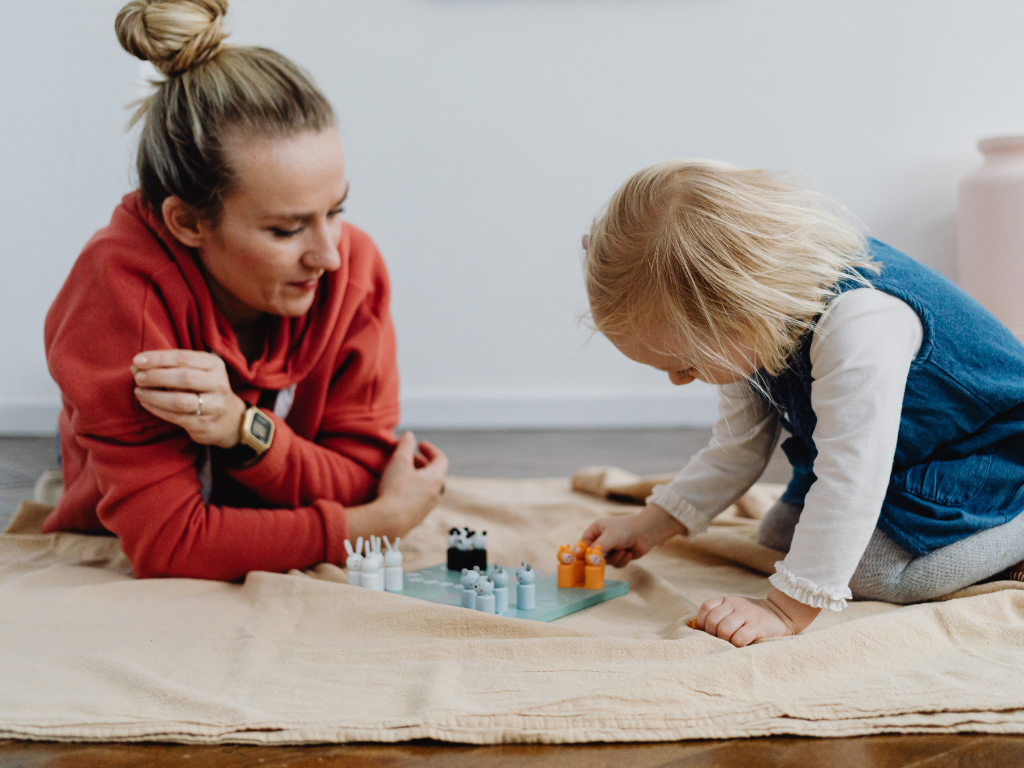
How to Talk to Your Child About Starting Therapy

Talking to your child about starting therapy should be approached with honesty, reassurance, and age-appropriate language. Explain that therapy is a safe and supportive space where they can share their thoughts, feelings, and experiences without judgment. Emphasize that they are not in trouble, and therapy is simply a helpful way to feel better, learn new skills, and better understand themselves.

Why This Conversation Matters

How to Talk to Your Child About Starting Therapy

For many parents, the idea of telling their child they will be starting therapy can feel overwhelming. You may worry about saying the wrong thing, triggering fear, or causing resistance. However, how this conversation is handled can strongly influence how your child perceives therapy, not just at the beginning but throughout their experience.

Children are incredibly perceptive. They pick up on tone, body language, and emotional cues just as much as they do on the words themselves. If therapy is introduced as something supportive and normal, children are far more likely to approach it with openness. If it is presented with tension, secrecy, or urgency, they may associate it with something negative.

It is also important to remember that therapy is not just about addressing problems. It is about building skills, resilience, and emotional awareness. Starting therapy can be a powerful step toward helping your child navigate life’s challenges with confidence.

By taking the time to approach this conversation thoughtfully, you are setting the foundation for a positive and empowering experience.

Understanding Your Child’s Perspective

Before starting the conversation, it helps to step into your child’s world. Children do not naturally understand what therapy is, and without guidance, they may create their own interpretations.

Some children may imagine therapy as something scary or serious. Others may think it means they have done something wrong. Older children and teens may worry about being judged or misunderstood.

Common Thoughts and Concerns

Children often think in very concrete ways, especially at younger ages. Some common concerns include:

  • “Am I in trouble?”

  • “Is something wrong with me?”

  • “Will I have to talk about things I don’t want to?”

  • “Will other people find out?”

  • “Is this my fault?”

For teens, concerns may be more nuanced:

  • “Will I be forced to talk?”

  • “Can I trust the therapist?”

  • “Will my parents know everything I say?”

  • “Is this going to change how people see me?”

Understanding these concerns allows you to respond with empathy instead of assumptions.

Preparing for the Conversation

A thoughtful approach can make a significant difference in how your child reacts.

Choose the Right Moment

Timing matters. Avoid starting this conversation during arguments, stressful moments, or right before bedtime. Instead, choose a calm and neutral time when your child feels safe and relaxed.

You might bring it up during a quiet moment at home, during a walk, or while doing an activity together.

Create a Safe Environment

Make sure your child feels comfortable and not rushed. Turn off distractions like phones and television so they know you have their full attention.

Be Emotionally Prepared

Before talking to your child, take a moment to reflect on your own feelings. If you feel anxious or uncertain, your child may sense that. Try to approach the conversation with calmness and clarity.

How to Explain Therapy to Your Child

Use Clear and Simple Language

Avoid clinical or complicated explanations. Instead, use language your child can easily understand.

For example:
“Sometimes we all have big feelings or problems that are hard to figure out. Therapy is a place where you can talk to someone who knows how to help with those things.”

Normalize the Experience

Let your child know that therapy is something many people do.

You might say:
“Lots of kids and adults talk to therapists. It’s just one way people take care of their feelings, like going to a doctor helps your body.”

Focus on Support

Make it clear that therapy is about helping, not fixing something “wrong.”

Children should understand that therapy is:

  • A safe place

  • A supportive space

  • Something meant to help them feel better

Reassuring Your Child

Reassurance is one of the most important elements of this conversation.

Let Them Know They Are Not in Trouble

This is often a child’s first fear. Be direct and clear:

“You’re not in trouble at all. This is just something to help you.”

Validate Their Feelings

If your child feels nervous, confused, or even upset, acknowledge those feelings:

“It makes sense that you might feel unsure about this. It’s something new.”

Validation helps your child feel heard rather than dismissed.

Explain What Therapy Might Look Like

Give a general overview without overwhelming detail:

  • Talking

  • Playing (for younger children)

  • Drawing or activities

  • Learning ways to handle feelings

This helps reduce fear of the unknown.

Encouraging Open Communication

Invite Questions

Encourage your child to ask anything they want. Let them know there are no “wrong” questions.

Be Honest

If you do not know the answer, it is okay to say so. You can offer to look into it together.

Keep the Conversation Ongoing

This should not be a one-time discussion. Continue checking in with your child before and after sessions.

Tailoring the Conversation by Age

Younger Children (Ages 3–7)

Young children think in simple and concrete terms.

  • Use short explanations

  • Compare therapy to familiar experiences

  • Emphasize play and talking

Example:
“You’ll meet someone who helps kids talk about their feelings and play games that help them feel better.”

School-Age Children (Ages 8–12)

Children in this age group can understand more detail.

  • Explain why therapy is helpful

  • Connect it to their experiences

  • Encourage questions

Example:
“Sometimes when things feel stressful or confusing, talking to someone trained to help can make it easier.”

Teenagers

Teens often want independence and honesty.

  • Be direct and respectful

  • Involve them in decisions

  • Acknowledge their concerns

Example:
“I want to support you, and therapy is one option that can help. I’d like to hear how you feel about it.”

What to Avoid When Talking About Therapy

Avoid Blame

Never suggest therapy is needed because your child is “bad” or “difficult.”

Avoid Threats or Ultimata

Statements like “You have to go or else” can create resistance and fear.

Avoid Oversharing

Too much information can overwhelm your child. Keep explanations appropriate for their age.

Building Trust Before the First Session

Be Transparent

Let your child know what will happen, where they will go, and who they will meet.

Offer Choices When Possible

Giving small choices (like appointment times or comfort items) can help your child feel more in control.

Visit or Describe the Space

If possible, show your child the therapy environment ahead of time or describe it in a friendly way.

Supporting Your Child After Therapy Begins

Check In Gently

Ask open-ended questions like:

  • “How did it feel?”

  • “What did you like?”

Avoid pressuring them to share details.

Respect Their Privacy

Especially for older children and teens, it is important to respect boundaries.

Be Patient With the Process

It may take your child some time to feel comfortable. Progress is not always immediate.

Signs Your Child Is Adjusting Well

  • They seem more comfortable over time

  • They are willing to attend sessions

  • They begin expressing emotions more openly

  • They show small behavioral improvements

Even subtle changes can be meaningful.

Choosing the Right Professional

Selecting the right therapist plays a major role in your child’s experience.

Look for someone who:

  • Specializes in working with children

  • Uses age-appropriate techniques

  • Creates a welcoming and safe environment

  • Communicates clearly with parents

For families seeking the best child psychologist, finding a professional who understands both children and family dynamics can make a significant difference in outcomes.

Long-Term Benefits of Therapy for Children

Emotional Intelligence

Children learn to recognize, name, and understand their emotions.

Coping Skills

They develop tools to manage stress, anxiety, and frustration.

Better Relationships

Improved communication leads to healthier relationships with family and peers.

Increased Confidence

As children gain skills and understanding, they feel more capable and secure.

Helping Your Child Stay Motivated

Celebrate Small Wins

Acknowledge progress, even if it seems minor.

Stay Involved

Maintain communication with the therapist when appropriate.

Reinforce Positivity

Remind your child that growth takes time and effort.

When Challenges Arise

It is normal for children to experience ups and downs during therapy.

Resistance

If your child resists, try to understand why rather than forcing compliance.

Emotional Reactions

Therapy may bring up strong feelings. This is part of the healing process.

Slow Progress

Progress may not always be linear. Patience is key.

FAQs

How do I explain therapy to my child without scaring them?

You can explain therapy in a calm and reassuring way by describing it as a safe place where they can talk about their feelings and get help when things feel difficult. Avoid using language that sounds serious or intimidating; instead, focus on the supportive and positive aspects of therapy. It can also help to normalize the experience by explaining that many children and adults go to therapy at different times in their lives to better understand themselves and feel happier.

What if my child refuses to go to therapy?

It is completely normal for children to feel unsure or resistant at first, especially if they do not fully understand what therapy involves. Instead of forcing them, try to listen to their concerns and validate how they feel, showing that their opinions matter. Over time, continued reassurance, gentle encouragement, and involving them in the process can help them become more open, and a skilled therapist will also know how to build trust gradually.

Should I tell my child everything about why they are going to therapy?

Honesty is important, but the level of detail should match your child’s age and emotional maturity. Younger children benefit from simple, clear explanations, while older children and teens may appreciate greater transparency and involvement in the discussion. The goal is to provide enough information to build trust and understanding without overwhelming them or making them feel anxious.

How can I help my child feel comfortable with their therapist?

You can support your child by speaking positively about therapy and reassuring them that it is okay to take time to feel comfortable. Encourage them to share their thoughts and remind them that they are in control of what they choose to talk about. Building trust takes time, and consistency, patience, and open communication will help your child gradually feel more at ease in the therapeutic environment.

Final Thoughts

Talking to your child about starting therapy is an opportunity to build trust, understanding, and emotional safety. By approaching the conversation with empathy, honesty, and patience, you can help your child feel supported rather than fearful.

Therapy is not just about addressing challenges. It is about giving your child lifelong tools for emotional health and resilience. With the right approach, your child can view therapy as a positive and empowering experience.

At Wellman Psychology, we are dedicated to helping children and families navigate these important steps with care and compassion. If you are considering therapy for your child, professional support can make all the difference. Reach out today to learn how we can help your child thrive.

Follow Wellman Psychology for additional mental health resources and updates:

Find out more articles that can help you below:

The Best Couples Counseling Tips for Building a Healthier Relationship

Relationships can be among the most meaningful parts of life, but they can also be among the most challenging. Even the strongest couples experience moments of disconnection, miscommunication, and emotional strain. Over time, these difficulties can build up and create distance between partners if they are not addressed in a healthy way.

Couples counseling offers a supportive and structured space where partners can better understand each other, improve communication, and rebuild trust. Whether a relationship is facing ongoing conflict or simply going through a period of stress, counseling can help both individuals grow together rather than apart.

This guide explores the most effective couples counseling tips that support healthier, more fulfilling relationships. It also provides insight into how therapy works and how couples can apply these strategies in everyday life.

Understanding the Purpose of Couples Counseling

The Best Couples Counseling Tips for Building a Healthier Relationship

Couples counseling is not just for relationships in crisis. It is a proactive and supportive approach that helps partners strengthen their bond, improve communication, and navigate challenges together. Many couples seek therapy when they feel stuck in repeating patterns of conflict or when emotional distance begins to grow.

At its core, couples counseling focuses on helping both partners feel heard and understood. It creates a space where each person can express their thoughts and emotions without fear of judgment. A trained therapist guides the conversation, helping couples identify underlying issues and develop healthier ways of interacting.

Therapy also helps couples recognize patterns that may be contributing to conflict. These patterns are often unconscious and can develop over time through stress, past experiences, or unmet needs. By raising awareness of these behaviors, couples can begin making meaningful changes.

Seeking support through couples counseling can be an important step toward rebuilding connection and creating a stronger, more resilient relationship.

Why Relationships Face Challenges

Every relationship goes through ups and downs. Understanding why challenges arise can help couples approach them with more empathy and less frustration.

One of the most common reasons for conflict is communication breakdown. When partners struggle to express themselves clearly or feel misunderstood, small disagreements can quickly escalate into larger issues. Over time, this can lead to resentment and emotional distance.

Stress is another major factor. Work demands, financial concerns, parenting responsibilities, and life transitions can all place pressure on a relationship. When stress levels are high, patience and understanding often decrease, increasing the likelihood of conflict.

Unresolved past experiences can also play a role. Previous relationships, family dynamics, or personal struggles may influence how individuals respond to conflict. Without awareness, these patterns can unintentionally affect the current relationship.

Differences in expectations and values can also create tension. Partners may have different views on communication, emotional expression, or long-term goals. When these differences are not addressed openly, they can lead to misunderstandings and frustration.

The Role of Communication in a Healthy Relationship

Healthy communication is the foundation of any strong relationship. It allows partners to express their needs, share their feelings, and resolve conflicts constructively.

Effective communication is not just about talking. It also involves listening with intention and empathy. When one partner feels heard and understood, it creates a sense of emotional safety that strengthens the relationship.

One key aspect of communication is clarity and directness. Avoiding difficult conversations or expecting a partner to read your mind often leads to confusion and frustration. Expressing thoughts and feelings openly helps prevent misunderstandings.

Timing also matters. Discussing sensitive topics during high-stress or conflict situations can make communication more difficult. Choosing a calm and appropriate time to talk can lead to more productive conversations.

Nonverbal communication also plays an important role. Tone of voice, facial expressions, and body language can all influence how a message is received. Being mindful of these cues can help ensure that communication remains respectful and constructive.

Building Emotional Awareness

Emotional awareness is an essential skill in any relationship. It involves recognizing and understanding your own emotions as well as being attuned to your partner’s feelings.

When individuals are aware of their emotions, they are better able to communicate them in a healthy way. Instead of reacting impulsively, they can respond thoughtfully and constructively.

Developing emotional awareness also helps reduce misunderstandings. When partners can identify what they are feeling and why, it becomes easier to express those emotions clearly. This can prevent small issues from escalating into larger conflicts.

Empathy is closely connected to emotional awareness. Understanding and validating your partner’s feelings strengthens the emotional connection. It shows that you care about their experience and are willing to support them.

Practicing emotional awareness takes time and effort. It often involves reflecting on your thoughts, identifying triggers, and learning new ways to respond to challenging situations.

Rebuilding Trust in a Relationship

Trust is a fundamental part of any healthy relationship. When trust is broken, it can create feelings of hurt, insecurity, and doubt. Rebuilding trust takes time, patience, and consistent effort from both partners.

One of the first steps in rebuilding trust is acknowledging the issue openly. Avoiding or minimizing the problem can prevent healing and further distance the relationship. Honest and respectful conversations are essential for moving forward.

Consistency is key when rebuilding trust. Small, reliable actions over time can help restore confidence in the relationship. This may include following through on commitments, being transparent, and demonstrating accountability.

Forgiveness is also an important part of the process. While it does not mean forgetting or excusing harmful behavior, it allows both partners to move forward without holding onto resentment.

Therapy can provide valuable support during this process. A therapist can help guide conversations, address underlying issues, and create a plan to rebuild trust in a healthy, sustainable way.

Managing Conflict in a Healthy Way

Conflict is a natural part of any relationship. The goal is not to avoid conflict but to handle it in a way that strengthens rather than damages the relationship.

One important strategy is staying focused on the issue at hand. Bringing up past conflicts or unrelated concerns can complicate and make it harder to resolve the situation.

Using respectful language is also essential. Avoiding blame, criticism, and defensiveness helps keep the conversation productive. Instead of saying “you always” or “you never,” focus on expressing your own feelings and experiences.

Taking breaks when needed can prevent conflicts from escalating. If emotions become overwhelming, stepping away temporarily allows both partners to calm down and return to the conversation with a clearer perspective.

Finding solutions together is an important part of conflict resolution. This involves listening to each other’s perspectives and working collaboratively to reach a compromise that feels fair and respectful.

Strengthening Emotional Connection

Emotional connection is what brings partners closer together. It creates a sense of intimacy, trust, and mutual understanding.

One way to strengthen this connection is by spending quality time together. This does not necessarily mean doing something elaborate. Simple activities like having meaningful conversations, sharing experiences, or enjoying each other’s company can make a significant difference.

Expressing appreciation is another powerful way to build connection. Acknowledging your partner’s efforts and expressing gratitude can help create a positive, supportive environment.

Physical affection also plays a role in emotional connection. Small gestures such as holding hands, hugging, or sitting close together can reinforce feelings of closeness and security.

Being emotionally available is equally important. This means being present, attentive, and responsive to your partner’s needs and feelings.

The Importance of Setting Healthy Boundaries

Boundaries are an essential part of any healthy relationship. They help define what is acceptable and ensure that both partners feel respected and valued.

Setting boundaries involves clearly communicating your needs and limits. This might include personal space, emotional needs, or expectations within the relationship.

Healthy boundaries also require mutual respect. Both partners should be willing to honor each other’s limits and work together to maintain a balanced and supportive dynamic.

Without boundaries, relationships can become overwhelming or imbalanced. This can lead to frustration, resentment, and emotional exhaustion.

Therapy can help couples identify and establish boundaries that support both individuals and strengthen the relationship as a whole.

How Therapy Supports Long-Term Relationship Growth

Couples counseling is not just about resolving current issues. It also provides tools and strategies that support long-term growth and stability.

Therapy helps couples develop better communication skills, improve emotional awareness, and build stronger problem-solving abilities. These skills can be applied to future challenges, making it easier to navigate difficult situations.

It also encourages self-reflection. Understanding your own thoughts, behaviors, and emotional patterns can lead to personal growth that benefits the relationship.

Ongoing support can help maintain progress. Even after major issues are resolved, some couples choose to continue therapy as a way to strengthen their connection and prevent future conflicts.

Common Misconceptions About Couples Counseling

There are many misconceptions about couples counseling that can prevent individuals from seeking support.

One common belief is that therapy is only for relationships in crisis. In reality, many couples benefit from counseling even when their relationship is generally healthy. It can provide tools for growth and help prevent future issues.

Another misconception is that therapy involves taking sides. A skilled therapist remains neutral and focuses on supporting both partners equally.

Some people also believe that therapy provides immediate solutions. While progress can begin quickly, meaningful change takes time and consistent effort.

Understanding these misconceptions can help couples approach therapy with realistic expectations and a more open mindset.

Frequently Asked Questions

How do I know if couples counseling is right for us?

Couples counseling can be beneficial at many different stages of a relationship. It is not only for couples experiencing major conflict but also for those who want to improve communication or strengthen their connection. If you and your partner feel stuck, misunderstood, or disconnected, therapy can provide the guidance needed to move forward in a healthier way.

What happens during a couples counseling session?

During a session, both partners have the opportunity to share their thoughts and feelings in a supportive and structured environment. The therapist helps guide the conversation, ensuring that both individuals feel heard and respected. Over time, sessions focus on identifying patterns, improving communication, and developing strategies to address challenges effectively.

How long does couples counseling take?

The length of couples counseling varies depending on each couple's needs and goals. Some couples may benefit from short-term therapy focused on specific issues, while others may choose to continue longer to work on deeper patterns. Progress depends on consistency, openness, and both partners' willingness to engage in the process.

Can couples counseling really improve a relationship?

Yes, couples counseling can significantly improve a relationship when both partners are committed to the process. It provides tools and strategies to help couples communicate more effectively and resolve conflicts in healthier ways. With consistent effort and guidance, many couples experience stronger emotional connections and greater overall satisfaction in their relationship.

What if my partner is unsure about therapy?

It is common for one partner to feel uncertain about starting therapy. Open and honest conversations about the benefits of counseling can help address concerns and reduce hesitation. Emphasizing that therapy is a supportive space rather than a place for blame can make it easier for both partners to feel comfortable taking that first step together.

Final Thoughts

Healthy relationships require effort, understanding, and a willingness to grow together. Challenges are a natural part of any partnership, but they can also be opportunities for deeper connection and growth when approached with care and support. Couples counseling provides the tools and guidance needed to navigate these challenges with greater clarity and confidence.

Building a stronger relationship takes time. With the right support, couples can improve communication, rebuild trust, and create a more meaningful connection. If you are ready to take that next step, consider reaching out to Wellman Psychology. Our experienced team can help you begin building a healthier, more balanced relationship. Get in touch with our experts now!

Follow Wellman Psychology for additional mental health resources and updates:

Find out more articles that can help you below:

The Benefits of Working With a Chicago Psychologist

Working with a psychologist offers professional support, emotional clarity, and practical tools to help individuals manage stress, improve mental health, and navigate life’s challenges more effectively. A trained psychologist helps you better understand your thoughts, emotions, and behaviors while guiding you toward healthier patterns. Over time, this process can lead to greater self-awareness, improved relationships, and a more balanced, fulfilling life.

Why Professional Mental Health Support Matters

The Benefits of Working With a Chicago Psychologist

Life today is fast-moving, demanding, and often overwhelming. Between career pressures, personal responsibilities, relationships, and unexpected life events, it is easy to feel stretched thin. Many people experience stress, anxiety, or emotional exhaustion at some point, yet not everyone seeks support.

There is a common tendency to try to manage everything independently. While resilience and self-reliance are valuable, there are limits to what we can process on our own. When challenges become persistent or overwhelming, professional support can offer clarity and relief.

Working with a psychologist is not just about addressing problems. It is about gaining insight, learning new skills, and improving overall quality of life. It offers a structured and supportive environment where individuals can explore their thoughts and emotions without fear of judgment.

Choosing to seek help is a proactive and empowering decision. It reflects a willingness to grow, improve, and prioritize mental well-being in meaningful ways.

Understanding the Role of a Psychologist

A psychologist is a trained mental health professional who specializes in understanding how people think, feel, and behave. Their role goes far beyond simply listening. They provide guidance, tools, and strategies that promote lasting change.

Assessment and Insight

Psychologists help identify patterns in behavior and thinking. They may explore how past experiences, beliefs, and habits influence current challenges. This process allows individuals to gain a deeper understanding of themselves.

Therapeutic Support

Therapy provides a consistent and safe space to discuss concerns. Whether someone is dealing with stress, anxiety, relationship issues, or personal uncertainty, a psychologist offers support tailored to their needs.

Skill Building

Psychologists teach practical skills that can be applied in everyday life. These include coping strategies, communication techniques, and methods of emotional regulation.

Ongoing Guidance

Rather than offering quick fixes, psychologists support long-term growth. They help individuals navigate both immediate concerns and future challenges with confidence.

Key Benefits of Working With a Psychologist

Improved Self-Awareness

One of the most powerful outcomes of therapy is increased self-awareness. Many people go through life without fully understanding why they think, feel, or behave in certain ways.

Through therapy, individuals begin to:

  • Recognize emotional triggers

  • Understand thought patterns

  • Identify behavioral habits

This awareness creates the foundation for meaningful change. When you understand yourself better, you are better equipped to make intentional decisions rather than reactive ones.

Effective Stress and Anxiety Management

Stress and anxiety are among the most common challenges people face. Without proper tools, these feelings can become overwhelming and interfere with daily life.

A psychologist helps you:

  • Identify sources of stress

  • Understand how your mind and body respond

  • Develop strategies to manage pressure

Instead of feeling controlled by stress, you learn how to respond to it in a calm and balanced way.

Healthier Coping Mechanisms

Many people rely on coping strategies that provide temporary relief but may not be beneficial in the long run. These can include avoidance, overworking, or emotional withdrawal.

Therapy introduces healthier alternatives such as:

  • Mindfulness and relaxation techniques

  • Structured problem-solving

  • Positive behavioral changes

These strategies promote long-term wellbeing rather than short-term relief.

Better Emotional Regulation

Emotions can sometimes feel intense or difficult to manage. A psychologist helps you develop the ability to regulate emotions in a healthy and constructive way.

This includes learning how to:

  • Pause before reacting

  • Process emotions effectively

  • Express feelings appropriately

Improved emotional regulation leads to greater stability and confidence in handling life’s ups and downs.

Stronger and Healthier Relationships

Relationships play a central role in overall wellbeing. However, they can also be a source of stress and conflict.

Working with a psychologist can help you:

  • Improve communication skills

  • Resolve conflicts more effectively

  • Set healthy boundaries

  • Understand relationship patterns

As a result, both personal and professional relationships often become more positive and fulfilling.

Addressing Common Mental Health Challenges

Anxiety

Therapy helps individuals understand the root causes of anxiety and develop strategies to manage it. This may include identifying triggers, challenging negative thoughts, and practicing calming techniques.

Depression

Psychologists provide support and structure for individuals experiencing low mood, lack of motivation, or feelings of hopelessness. Therapy helps create a path toward improvement and stability.

Life Transitions

Major changes, such as career shifts, relocation, or shifts in family dynamics, can be difficult to navigate. Therapy provides guidance and emotional support during these times.

Self-Esteem and Confidence

Low self-esteem can impact many areas of life. Therapy helps individuals build confidence and develop a more positive self-image.

The Value of a Safe and Non-Judgmental Space

One of the most unique aspects of therapy is the environment it provides.

Freedom to Be Honest

In therapy, you can speak openly about your thoughts and feelings without fear of judgment or criticism.

Emotional Validation

A psychologist listens with empathy and helps you feel understood. This validation can be incredibly powerful, especially for those who feel unheard in other areas of life.

Confidentiality

Sessions are private, allowing you to discuss sensitive topics with confidence. This sense of security encourages openness and honesty.

Developing Skills That Last a Lifetime

Therapy is not just about solving immediate problems. It is about building skills that support long-term growth.

Problem-Solving Skills

You learn how to approach challenges in a structured and thoughtful way.

Resilience

Therapy helps you adapt to change and recover from setbacks more effectively.

Emotional Intelligence

Understanding your emotions improves how you interact with others and navigate social situations.

Personalized and Individualized Care

No two individuals are the same, and therapy reflects that.

Tailored Approaches

Psychologists adapt their methods to suit your personality, goals, and needs.

Flexible Pace

You can move at a pace that feels comfortable, enabling deeper, more meaningful progress.

Goal-Oriented Support

Therapy focuses on what matters most to you, whether that is managing stress, improving relationships, or personal growth.

Breaking the Stigma Around Therapy

Despite increasing awareness, some people still hesitate to seek help due to stigma.

Therapy Is a Form of Self-Care

Just as you would care for your physical health, your mental health deserves attention and support.

Seeking Help Reflects Strength

It takes courage to acknowledge challenges and take steps to address them.

Therapy Is for Everyone

You do not need to be in crisis to benefit from therapy. Many people seek support simply to improve their quality of life.

When Should You Consider Seeing a Psychologist?

You may benefit from therapy if you are experiencing:

  • Ongoing stress or anxiety

  • Difficulty managing emotions

  • Relationship challenges

  • Major life changes

  • Feelings of being overwhelmed or stuck

Even if your concerns seem manageable, therapy can provide valuable tools and insights.

What to Expect From the Therapy Process

Initial Sessions

You will discuss your concerns, background, and goals. This helps the psychologist understand your needs.

Ongoing Sessions

You will explore thoughts, emotions, and behaviors while learning practical strategies.

Gradual Progress

Therapy is a process. Growth happens over time through consistent effort and reflection.

The Importance of Finding the Right Fit

A strong connection with your psychologist is essential.

Factors to Consider

  • Communication style

  • Level of comfort

  • Experience and expertise

Feeling comfortable and understood enhances the effectiveness of therapy.

The Local Advantage of Professional Support

Working with a local professional can provide additional benefits. They may have a better understanding of the environment, culture, and lifestyle factors that influence your experiences.

For individuals seeking a psychologist, local expertise can make therapy feel more relevant and personalized, especially when addressing challenges related to city living, work-life balance, and social dynamics.

Long-Term Benefits of Therapy

Increased Confidence

You develop trust in your ability to handle challenges independently.

Improved Mental Health

Consistent support leads to better emotional stability and well-being.

Stronger Relationships

Better communication and understanding strengthen connections with others.

Greater Life Satisfaction

Therapy helps create a more balanced and fulfilling life.

Overcoming Common Barriers to Therapy

Time

Many psychologists offer flexible scheduling to accommodate busy lifestyles.

Cost

Therapy is an investment in long-term mental health and personal growth.

Uncertainty

It is normal to feel unsure at first, but taking the first step can lead to meaningful change.

FAQs

How do I know if I need to see a psychologist?

If you are experiencing ongoing stress, emotional challenges, or difficulty managing certain aspects of your life, seeing a psychologist can be very beneficial. Even if your concerns are not severe, therapy can provide valuable insights and tools to improve your overall wellbeing. Many people choose therapy not only to address problems but also to better understand themselves and enhance their quality of life.

What happens during a typical therapy session?

A therapy session usually involves open and guided conversation in a safe and supportive environment. The psychologist will ask questions to help you explore your thoughts, emotions, and behaviors more deeply. Over time, sessions may include learning practical strategies and techniques that you can apply in your daily life to manage challenges more effectively.

How long does therapy usually take?

The length of therapy varies depending on your individual goals and the challenges you are facing. Some people benefit from short-term therapy focused on specific issues, while others engage in longer-term sessions for deeper personal growth. Your psychologist will work with you to create a plan that evolves as your needs change over time.

Can therapy really make a difference in my life?

Yes, therapy can have a significant and lasting impact by helping you develop healthier ways of thinking, feeling, and responding to challenges. Many individuals experience improved emotional wellbeing, stronger relationships, and increased confidence through therapy. While progress may take time, the skills and insights gained can support you for many years.

Final Thoughts

Working with a psychologist is a powerful step toward improving your mental and emotional wellbeing. It provides a supportive environment where you can explore challenges, develop new skills, and gain a deeper understanding of yourself.

Therapy is not just about overcoming difficulties. It is about building a healthier, more balanced, and more fulfilling life. With the right support, you can develop the tools needed to navigate life with confidence and resilience.

At Wellman Psychology, we are committed to helping individuals achieve lasting well-being through compassionate, personalized care. Taking the first step toward therapy can open the door to meaningful and positive change.

Follow Wellman Psychology for additional mental health resources and updates:

Find out more articles that can help you below: