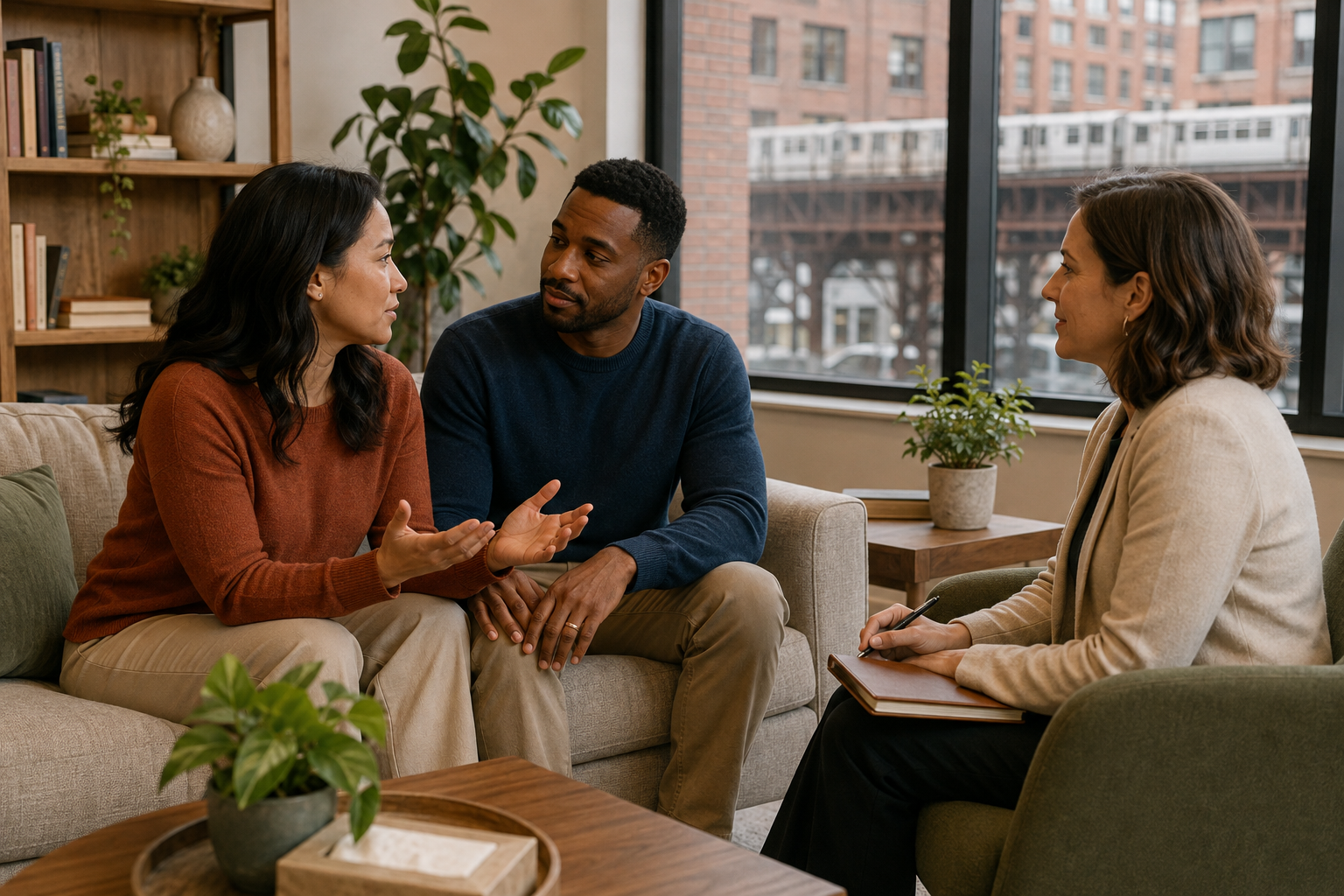

marriage counseling

The Best Couples Counseling Tips for Building a Healthier Relationship

Relationships can be among the most meaningful parts of life, but they can also be among the most challenging. Even the strongest couples experience moments of disconnection, miscommunication, and emotional strain. Over time, these difficulties can build up and create distance between partners if they are not addressed in a healthy way.

Couples counseling offers a supportive and structured space where partners can better understand each other, improve communication, and rebuild trust. Whether a relationship is facing ongoing conflict or simply going through a period of stress, counseling can help both individuals grow together rather than apart.

This guide explores the most effective couples counseling tips that support healthier, more fulfilling relationships. It also provides insight into how therapy works and how couples can apply these strategies in everyday life.

Understanding the Purpose of Couples Counseling

The Best Couples Counseling Tips for Building a Healthier Relationship

Couples counseling is not just for relationships in crisis. It is a proactive and supportive approach that helps partners strengthen their bond, improve communication, and navigate challenges together. Many couples seek therapy when they feel stuck in repeating patterns of conflict or when emotional distance begins to grow.

At its core, couples counseling focuses on helping both partners feel heard and understood. It creates a space where each person can express their thoughts and emotions without fear of judgment. A trained therapist guides the conversation, helping couples identify underlying issues and develop healthier ways of interacting.

Therapy also helps couples recognize patterns that may be contributing to conflict. These patterns are often unconscious and can develop over time through stress, past experiences, or unmet needs. By raising awareness of these behaviors, couples can begin making meaningful changes.

Seeking support through couples counseling can be an important step toward rebuilding connection and creating a stronger, more resilient relationship.

Why Relationships Face Challenges

Every relationship goes through ups and downs. Understanding why challenges arise can help couples approach them with more empathy and less frustration.

One of the most common reasons for conflict is communication breakdown. When partners struggle to express themselves clearly or feel misunderstood, small disagreements can quickly escalate into larger issues. Over time, this can lead to resentment and emotional distance.

Stress is another major factor. Work demands, financial concerns, parenting responsibilities, and life transitions can all place pressure on a relationship. When stress levels are high, patience and understanding often decrease, increasing the likelihood of conflict.

Unresolved past experiences can also play a role. Previous relationships, family dynamics, or personal struggles may influence how individuals respond to conflict. Without awareness, these patterns can unintentionally affect the current relationship.

Differences in expectations and values can also create tension. Partners may have different views on communication, emotional expression, or long-term goals. When these differences are not addressed openly, they can lead to misunderstandings and frustration.

The Role of Communication in a Healthy Relationship

Healthy communication is the foundation of any strong relationship. It allows partners to express their needs, share their feelings, and resolve conflicts constructively.

Effective communication is not just about talking. It also involves listening with intention and empathy. When one partner feels heard and understood, it creates a sense of emotional safety that strengthens the relationship.

One key aspect of communication is clarity and directness. Avoiding difficult conversations or expecting a partner to read your mind often leads to confusion and frustration. Expressing thoughts and feelings openly helps prevent misunderstandings.

Timing also matters. Discussing sensitive topics during high-stress or conflict situations can make communication more difficult. Choosing a calm and appropriate time to talk can lead to more productive conversations.

Nonverbal communication also plays an important role. Tone of voice, facial expressions, and body language can all influence how a message is received. Being mindful of these cues can help ensure that communication remains respectful and constructive.

Building Emotional Awareness

Emotional awareness is an essential skill in any relationship. It involves recognizing and understanding your own emotions as well as being attuned to your partner’s feelings.

When individuals are aware of their emotions, they are better able to communicate them in a healthy way. Instead of reacting impulsively, they can respond thoughtfully and constructively.

Developing emotional awareness also helps reduce misunderstandings. When partners can identify what they are feeling and why, it becomes easier to express those emotions clearly. This can prevent small issues from escalating into larger conflicts.

Empathy is closely connected to emotional awareness. Understanding and validating your partner’s feelings strengthens the emotional connection. It shows that you care about their experience and are willing to support them.

Practicing emotional awareness takes time and effort. It often involves reflecting on your thoughts, identifying triggers, and learning new ways to respond to challenging situations.

Rebuilding Trust in a Relationship

Trust is a fundamental part of any healthy relationship. When trust is broken, it can create feelings of hurt, insecurity, and doubt. Rebuilding trust takes time, patience, and consistent effort from both partners.

One of the first steps in rebuilding trust is acknowledging the issue openly. Avoiding or minimizing the problem can prevent healing and further distance the relationship. Honest and respectful conversations are essential for moving forward.

Consistency is key when rebuilding trust. Small, reliable actions over time can help restore confidence in the relationship. This may include following through on commitments, being transparent, and demonstrating accountability.

Forgiveness is also an important part of the process. While it does not mean forgetting or excusing harmful behavior, it allows both partners to move forward without holding onto resentment.

Therapy can provide valuable support during this process. A therapist can help guide conversations, address underlying issues, and create a plan to rebuild trust in a healthy, sustainable way.

Managing Conflict in a Healthy Way

Conflict is a natural part of any relationship. The goal is not to avoid conflict but to handle it in a way that strengthens rather than damages the relationship.

One important strategy is staying focused on the issue at hand. Bringing up past conflicts or unrelated concerns can complicate and make it harder to resolve the situation.

Using respectful language is also essential. Avoiding blame, criticism, and defensiveness helps keep the conversation productive. Instead of saying “you always” or “you never,” focus on expressing your own feelings and experiences.

Taking breaks when needed can prevent conflicts from escalating. If emotions become overwhelming, stepping away temporarily allows both partners to calm down and return to the conversation with a clearer perspective.

Finding solutions together is an important part of conflict resolution. This involves listening to each other’s perspectives and working collaboratively to reach a compromise that feels fair and respectful.

Strengthening Emotional Connection

Emotional connection is what brings partners closer together. It creates a sense of intimacy, trust, and mutual understanding.

One way to strengthen this connection is by spending quality time together. This does not necessarily mean doing something elaborate. Simple activities like having meaningful conversations, sharing experiences, or enjoying each other’s company can make a significant difference.

Expressing appreciation is another powerful way to build connection. Acknowledging your partner’s efforts and expressing gratitude can help create a positive, supportive environment.

Physical affection also plays a role in emotional connection. Small gestures such as holding hands, hugging, or sitting close together can reinforce feelings of closeness and security.

Being emotionally available is equally important. This means being present, attentive, and responsive to your partner’s needs and feelings.

The Importance of Setting Healthy Boundaries

Boundaries are an essential part of any healthy relationship. They help define what is acceptable and ensure that both partners feel respected and valued.

Setting boundaries involves clearly communicating your needs and limits. This might include personal space, emotional needs, or expectations within the relationship.

Healthy boundaries also require mutual respect. Both partners should be willing to honor each other’s limits and work together to maintain a balanced and supportive dynamic.

Without boundaries, relationships can become overwhelming or imbalanced. This can lead to frustration, resentment, and emotional exhaustion.

Therapy can help couples identify and establish boundaries that support both individuals and strengthen the relationship as a whole.

How Therapy Supports Long-Term Relationship Growth

Couples counseling is not just about resolving current issues. It also provides tools and strategies that support long-term growth and stability.

Therapy helps couples develop better communication skills, improve emotional awareness, and build stronger problem-solving abilities. These skills can be applied to future challenges, making it easier to navigate difficult situations.

It also encourages self-reflection. Understanding your own thoughts, behaviors, and emotional patterns can lead to personal growth that benefits the relationship.

Ongoing support can help maintain progress. Even after major issues are resolved, some couples choose to continue therapy as a way to strengthen their connection and prevent future conflicts.

Common Misconceptions About Couples Counseling

There are many misconceptions about couples counseling that can prevent individuals from seeking support.

One common belief is that therapy is only for relationships in crisis. In reality, many couples benefit from counseling even when their relationship is generally healthy. It can provide tools for growth and help prevent future issues.

Another misconception is that therapy involves taking sides. A skilled therapist remains neutral and focuses on supporting both partners equally.

Some people also believe that therapy provides immediate solutions. While progress can begin quickly, meaningful change takes time and consistent effort.

Understanding these misconceptions can help couples approach therapy with realistic expectations and a more open mindset.

Frequently Asked Questions

How do I know if couples counseling is right for us?

Couples counseling can be beneficial at many different stages of a relationship. It is not only for couples experiencing major conflict but also for those who want to improve communication or strengthen their connection. If you and your partner feel stuck, misunderstood, or disconnected, therapy can provide the guidance needed to move forward in a healthier way.

What happens during a couples counseling session?

During a session, both partners have the opportunity to share their thoughts and feelings in a supportive and structured environment. The therapist helps guide the conversation, ensuring that both individuals feel heard and respected. Over time, sessions focus on identifying patterns, improving communication, and developing strategies to address challenges effectively.

How long does couples counseling take?

The length of couples counseling varies depending on each couple's needs and goals. Some couples may benefit from short-term therapy focused on specific issues, while others may choose to continue longer to work on deeper patterns. Progress depends on consistency, openness, and both partners' willingness to engage in the process.

Can couples counseling really improve a relationship?

Yes, couples counseling can significantly improve a relationship when both partners are committed to the process. It provides tools and strategies to help couples communicate more effectively and resolve conflicts in healthier ways. With consistent effort and guidance, many couples experience stronger emotional connections and greater overall satisfaction in their relationship.

What if my partner is unsure about therapy?

It is common for one partner to feel uncertain about starting therapy. Open and honest conversations about the benefits of counseling can help address concerns and reduce hesitation. Emphasizing that therapy is a supportive space rather than a place for blame can make it easier for both partners to feel comfortable taking that first step together.

Final Thoughts

Healthy relationships require effort, understanding, and a willingness to grow together. Challenges are a natural part of any partnership, but they can also be opportunities for deeper connection and growth when approached with care and support. Couples counseling provides the tools and guidance needed to navigate these challenges with greater clarity and confidence.

Building a stronger relationship takes time. With the right support, couples can improve communication, rebuild trust, and create a more meaningful connection. If you are ready to take that next step, consider reaching out to Wellman Psychology. Our experienced team can help you begin building a healthier, more balanced relationship. Get in touch with our experts now!

Follow Wellman Psychology for additional mental health resources and updates:

Find out more articles that can help you below:

How Early Is Too Early for Couples Counseling

How Early Should You Consider Couples Counseling in a Relationship?

How early is too early for couples counseling? Many people believe that couples therapy is only for relationships that are falling apart. In reality, couples counseling can be helpful long before serious problems appear. Just like going to the doctor for regular checkups, couples counseling can support a healthy relationship and prevent small issues from turning into big ones.

This article will help you understand when couples counseling makes sense, why starting early can be a good thing, and how it can strengthen your relationship at any stage.

What Is Couples Counseling?

How Early Is Too Early for Couples Counseling

Couples counseling is a type of therapy where two people in a relationship meet with a trained couples therapist. The goal is not to decide who is right or wrong. Instead, counseling focuses on improving communication, understanding emotions, resolving conflict, and building a stronger connection.

A couples therapist helps both partners feel heard and understood. Sessions often focus on how you talk to each other, how you handle disagreements, and how you support one another emotionally.

Couples counseling can help with challenges, but it can also help couples grow, learn new skills, and build a healthier foundation for the future.

Common Myths About Starting Couples Counseling Too Early

“We Should Only Go If Things Are Really Bad”

One of the biggest myths is that couples therapy is only for relationships in crisis. Waiting until problems feel overwhelming can actually make therapy harder. When emotions are high and trust is low, progress can take more time.

Starting couples counseling early helps address small concerns before they grow into deeper issues. Early support often leads to faster and more positive results.

“Therapy Means the Relationship Is Failing”

Many couples worry that going to therapy means their relationship is broken. In truth, counseling is a sign that both partners care enough to invest in their relationship.

Just as people go to the gym to stay healthy, couples go to counseling to strengthen their connection. It is not a failure. It is a proactive step.

Is There Such a Thing as Too Early for Couples Counseling?

For most couples, the answer is no. There is rarely a time that is truly too early for couples counseling. What matters more than timing is willingness.

If both partners are open to learning, communicating, and growing together, counseling can be helpful, whether you have been together for six months or twenty years.

Some couples start therapy simply because they want tools to communicate better. Others want to prepare for major life changes. Both reasons are valid.

When Couples Commonly Start Counseling

Early Dating Relationships

Some couples begin counseling while dating. This can be helpful for understanding communication styles, emotional needs, and expectations early on.

Early counseling can teach healthy habits that support the relationship long term and reduce misunderstandings.

Before Moving In Together

Moving in together is a big step. Couples counseling can help address topics like finances, chores, boundaries, and routines before conflicts arise.

Starting therapy before cohabitation is often a positive sign that both partners want to build a strong partnership.

Before Engagement or Marriage

Premarital counseling is one of the most common forms of early couples counseling. It helps couples talk about values, future goals, family expectations, and communication patterns.

Couples who seek counseling before marriage often feel more prepared and confident in their commitment.

Long Term Relationships

Even couples who have been together for years can benefit from counseling. Therapy can help reignite connection, improve communication, and address long-standing patterns that no longer work.

Signs It Might Be a Good Time to Start Couples Counseling

You do not need a major crisis to begin therapy. Some common signs include frequent misunderstandings, repeating the same arguments, difficulty expressing feelings, or feeling emotionally distant.

Other couples seek counseling simply because they want to grow together or strengthen their bond. Wanting support is reason enough.

Benefits of Starting Couples Counseling Early

Starting couples counseling early offers many benefits. Couples often learn how to communicate more clearly and listen more effectively. This reduces conflict and builds trust.

Early counseling also helps couples understand each other’s emotional needs. It encourages teamwork instead of blame and supports long-term relationship satisfaction.

By learning skills early, couples are better prepared to handle future challenges together.

What Happens in Early Couples Counseling Sessions

In early counseling sessions, the therapist focuses on understanding your relationship, goals, and communication patterns. You will have space to share your experiences and concerns in a safe environment.

The therapist may teach basic communication tools and help you practice expressing needs clearly. Sessions are collaborative and supportive, not confrontational.

Early counseling often feels more relaxed and solution-focused compared to crisis counseling.

How Early Counseling Differs From Crisis Counseling

Early couples counseling is preventative. The focus is on building skills and strengthening connections rather than repairing major damage.

Crisis counseling often involves intense emotions, trust issues, or major conflicts. Early counseling usually involves less emotional stress and can progress more smoothly.

Both types are helpful, but starting early often makes the process easier and more positive.

How to Talk to Your Partner About Starting Couples Counseling

Bringing up counseling can feel uncomfortable. It helps to focus on shared goals rather than problems. You might say that you want to improve communication or grow stronger together.

Avoid blaming language. Emphasize that counseling is about teamwork and support. Reassure your partner that therapy is not about fixing one person but strengthening the relationship.

Why Choose Wellman Psychology for Couples Counseling in Chicago

Wellman Psychology provides couples counseling for relationships at every stage. Their therapists create a supportive, judgment-free environment where both partners feel heard.

They focus on communication, emotional connection, and practical tools that couples can use in everyday life. Whether you are dating, engaged, married, or simply wanting to improve your relationship, their approach is personalized and caring.

Couples in Chicago trust Wellman Psychology for professional guidance and compassionate support.

Final Thoughts

Couples counseling is not just for relationships in trouble. It can be one of the healthiest steps a couple takes together. Starting early allows you to build strong communication, prevent future conflicts, and deepen your connection.

There is no perfect time to begin couples counseling. If you and your partner are open to growth, counseling can be helpful at any stage.

Take the Next Step

If you and your partner are considering couples counseling, support is available. Wellman Psychology offers couples counseling in Chicago designed to help relationships grow and thrive.

You can schedule an appointment to begin your journey together. Investing in your relationship early can make a lasting difference.

Feel free to check out our social media links below:

Find out more articles that can help you below:

What Is Couples Counseling

What Is Couples Counseling and How Can It Help Your Relationship?

Every relationship goes through ups and downs. Even strong couples face moments of misunderstanding, stress, or emotional distance. When problems start to feel overwhelming, many people begin to ask an important question: What is couples counseling?

Couples counseling is not about blaming one partner or deciding who is right or wrong. It is about helping two people understand each other better, communicate more clearly, and rebuild trust and connection. Whether you are dealing with constant arguments, feeling disconnected, or simply want to strengthen your relationship, couples counseling can offer guidance and support in a safe and respectful space.

This guide explains what couples counseling is, how it works, who it is for, and how it can help relationships grow healthier over time.

What Is Couples Counseling?

What Is Couples Counseling

Simple Definition of Couples Counseling

Couples counseling is a type of therapy where two partners meet with a trained therapist to work on relationship challenges. The goal is to improve communication, resolve conflicts, and strengthen emotional connections.

During counseling, both partners are encouraged to share their thoughts and feelings openly. The therapist helps guide the conversation so that each person feels heard and understood. Sessions focus on learning new skills, understanding patterns, and finding healthier ways to relate to one another.

Who Couples Counseling Is For

Couples counseling is not only for married couples. It can help many types of relationships, including:

  • Married couples

  • Dating couples

  • Engaged couples

  • Long-term partners

  • Couples going through major life changes

No matter how long you have been together, counseling can be helpful at any stage of a relationship.

Why Do Couples Go to Counseling?

Common Relationship Challenges

Many couples seek counseling because they feel stuck in negative patterns. Some of the most common reasons couples start counseling include ongoing arguments, communication problems, trust issues, emotional distance, or stress caused by work, finances, or parenting.

Sometimes small misunderstandings build up over time and turn into larger problems. Counseling helps bring those issues into the open before they cause lasting damage.

Counseling Is Not Only for Crisis

A common myth is that couples counseling is only for relationships that are about to end. In reality, many couples use counseling as a way to strengthen their bond and prevent future problems.

Some couples start counseling simply to improve communication, prepare for marriage, or learn how to handle conflict in a healthier way. Counseling can be a form of relationship care, much like regular checkups are for physical health.

How Couples Counseling Works

What Happens in a Typical Session

In a couples counseling session, both partners meet with a therapist. The therapist may ask questions about your relationship, your goals, and the challenges you are facing.

Sessions usually involve guided conversations where each partner has time to speak without interruption. The therapist helps keep the discussion respectful and productive. Over time, you may work on specific skills such as listening, expressing needs, or managing emotions during conflict.

Role of the Therapist

The therapist does not take sides. Their role is to support both partners equally and help them understand each other’s perspectives. A good therapist creates a safe space where honest conversations can happen without fear of judgment.

Therapists also help couples identify unhealthy patterns and replace them with healthier behaviors.

What Issues Can Couples Counseling Help With?

Communication and Conflict

Many relationship problems come down to communication. Couples counseling helps partners learn how to express themselves clearly, listen actively, and respond with empathy rather than defensiveness.

Learning how to handle disagreements calmly can reduce arguments and improve emotional safety.

Trust and Infidelity

Trust issues can be deeply painful and difficult to navigate alone. Couples counseling provides a structured space to talk about trust, boundaries, and rebuilding connection after betrayal.

Healing takes time, but counseling can help guide the process in a healthy direction.

Life Changes and Stress

Major life events can put pressure on relationships. These may include becoming parents, changing jobs, moving, or dealing with illness or loss. Counseling helps couples support each other through change rather than grow apart.

Different Approaches Used in Couples Counseling

Talk-Based Counseling

This approach focuses on open conversation and understanding emotions. Couples explore their thoughts, feelings, and experiences to gain insight into how their relationship works.

Skills and Behavior-Based Approaches

Some therapists focus on teaching practical skills such as problem-solving, conflict management, and emotional regulation. These skills help couples handle challenges more effectively in daily life.

Emotion-Focused Approaches

Emotion-focused therapy helps couples understand deeper emotional needs and attachment patterns. It focuses on building emotional safety and strengthening the bond between partners.

Often, therapists combine several approaches depending on the couple’s needs.

What Couples Can Expect From Counseling

Short-Term vs Long-Term Counseling

Some couples attend counseling for a short period to address a specific issue. Others choose longer-term counseling to work through deeper patterns and build lasting change.

The length of counseling depends on your goals, challenges, and progress.

Progress Takes Time

Counseling is not a quick fix. Change happens gradually as couples practice new skills and ways of relating. Patience and commitment are important parts of the process.

Benefits of Couples Counseling

Better Communication

Couples often report improved communication as one of the biggest benefits. Learning how to talk and listen effectively can reduce misunderstandings and frustration.

Stronger Emotional Connection

Counseling helps couples reconnect emotionally. Feeling understood and supported can bring partners closer and increase trust and intimacy.

Healthier Problem Solving

Instead of repeating the same arguments, couples learn healthier ways to solve problems together. This leads to less stress and more cooperation.

When Is the Right Time to Start Couples Counseling?

Early Warning Signs

Some signs that couples counseling may be helpful include frequent arguments, feeling emotionally distant, difficulty resolving conflicts, or feeling misunderstood.

Starting counseling early can prevent small issues from becoming bigger problems.

Starting Before Problems Get Worse

You do not need to wait for a crisis to seek help. Many couples benefit from counseling even when things are mostly good but could be better.

Common Myths About Couples Counseling

Counseling Means the Relationship Is Failing

Seeking help does not mean your relationship has failed. It means you care enough to invest in improving it.

The Therapist Takes Sides

A professional therapist remains neutral and supports both partners equally. The goal is understanding and growth, not blame.

Is Couples Counseling Worth It?

Couples counseling can be one of the most valuable investments in a relationship. It provides tools, insight, and support that many couples never learned elsewhere.

When both partners are willing to participate, counseling can lead to healthier communication,  deeper connection, and greater relationship satisfaction.

Couples Counseling in Chicago

If you are looking for professional couples counseling, working with a trusted local provider matters. Wellman Psychology offers experienced and compassionate Couples Counseling Chicago services designed to support couples at every stage of their relationship.

Their therapists focus on creating a safe, supportive environment where couples can work toward positive change together.

Final Thoughts

So, what is couples counseling? It is a supportive process that helps partners understand each other better, communicate more clearly, and build a stronger, healthier relationship.

Whether you are facing challenges or simply want to grow closer, couples counseling offers guidance, tools, and hope for the future.

If you and your partner are ready to improve your relationship, Wellman Psychology’s Couples Counseling Chicago services are here to help. You can contact us today to speak with a caring professional who will guide you through the next steps. Taking action now can help you build a stronger and more connected future together.

Feel free to check out our social media links below:

Find out more articles that can help you below:

What Is Pre Marital Counselling?

Marriage is a significant milestone, often seen as a lifetime commitment, but have you considered the foundation it’s built upon? If you’re about to say “I do,” you may have asked yourself, What is pre-marital counseling? This valuable service helps couples prepare for a thriving marriage by addressing communication styles, expectations, and potential challenges. While many view it as a "checklist item," pre-marital counseling can uncover deeper dynamics that are crucial for long-term happiness. In Chicago, where diverse cultural backgrounds and busy lifestyles intersect, this service becomes even more critical. Let’s explore the nuances of pre-marital counseling and how it can uniquely benefit couples.

What Is Pre Marital Counselling

What Is Premarital Counseling?

Premarital counseling is a type of therapy aimed at helping couples build a healthy, strong foundation for their marriage. It provides a safe space to discuss important topics like finances, family dynamics, sexual intimacy, and life goals before entering a marriage. Think of it as preventative maintenance for your relationship, similar to a routine check-up at the doctor’s office. Instead of waiting for issues to arise, premarital counseling helps you and your partner address potential problems and set realistic expectations for married life.

Many couples mistakenly think that premarital counseling is only for those experiencing problems in their relationship, but it’s actually about strengthening the relationship before problems arise. Premarital counseling allows both partners to voice their expectations and worries, ensuring that they are on the same page and are prepared for the challenges marriage can bring.

What Is the Purpose of Premarriage Counseling?

The primary purpose of premarital counseling is to open communication between partners and help them understand each other’s values, goals, and expectations. It encourages couples to engage in difficult conversations about topics that are often avoided, such as money, children, and sex. These discussions can be uncomfortable, but addressing them early on can prevent conflicts down the road.

The goal of premarital counseling is not only to strengthen your relationship but also to ensure that both partners are aligned in their vision for the future. It’s an opportunity to learn more about each other’s emotional needs, conflict management styles, and how you both envision your life together. It’s also a time to identify potential areas of conflict and equip yourselves with strategies to address them constructively.

What Are the Goals of Premarital Counseling?

Premarital counseling helps couples establish clear goals for their relationship, strengthen communication, and improve conflict resolution skills. Through therapy, couples can learn how to support each other through life’s challenges, manage stress, and make decisions together. The main objectives of premarital counseling are:

Improving Communication

Communication is often cited as one of the key factors in a successful marriage. Premarital counseling can help couples learn how to communicate more effectively, ensuring they understand each other’s needs and expectations.

Conflict Resolution

Learning how to deal with disagreements in a healthy and productive way is crucial for a lasting marriage. Premarital counseling teaches couples strategies for resolving conflicts without resorting to unhealthy patterns like blaming or withdrawing.

Setting Realistic Expectations

Marriage is not a fairy tale, and premarital counseling helps couples set realistic expectations for their life together. It also helps them understand that challenges will arise and that the key is how they handle them.

Building a Strong Emotional Foundation

Marriage is based on emotional support, and premarital counseling helps couples develop skills to emotionally support each other during difficult times.

Discussing Important Life Issues

Premarital counseling provides a space to discuss key life issues such as finances, children, and career goals, ensuring both partners are on the same page before marriage.

Statistics That Prove Its Worth

Pre-marital counseling is more than just preparation for marriage; it’s a scientifically supported method to ensure long-term relationship success. The numbers speak for themselves:

Higher Marital Success Rates

A study published in the Journal of Family Psychology found that couples who underwent pre-marital counseling experienced a 30% higher success rate in their marriages compared to those who didn’t. This statistic underscores the importance of proactively addressing potential challenges and establishing effective communication patterns before marriage. It’s a testament to the power of preparation in building a resilient and fulfilling partnership.

Improved Satisfaction in Early Marriage

The National Marriage Project conducted a survey that revealed couples who engaged in pre-marital counseling reported significantly higher levels of marital satisfaction during their first five years of marriage. These early years are often filled with adjustments, and counseling equips couples with tools to navigate changes effectively, creating a solid foundation for their future.

Chicago-Specific Insights from Wellman Psychology

At Wellman Psychology, we’ve seen the local impact of pre-marital counseling firsthand. Our internal data shows that 75% of Chicago couples who completed our program felt more confident about resolving future conflicts. This confidence translates into healthier communication, better conflict resolution, and a shared sense of partnership, all of which are vital in a fast-paced and diverse city like Chicago.

Who Should Seek Premarital Counseling?

Premarital counseling isn’t just for couples who are already facing problems. It’s an invaluable resource for any couple who wants to lay the groundwork for a successful, long-lasting marriage. Whether you’re experiencing recurring disagreements or you just want to ensure you're both on the same page before taking the plunge, premarital counseling is a proactive way to address concerns and solidify your relationship.

Couples who are exploring marriage, those with doubts, or those experiencing stress around big life decisions can all benefit from premarital counseling. It’s not just for those in crisis – it’s for anyone who wants to invest in their relationship and build a solid foundation for the future.

Common Topics Covered in Premarital Counseling

During premarital counseling, couples explore a wide range of topics to better understand each other’s views and values. Some common areas of focus include:

  • Money: Discussing financial concerns, such as debt, budgeting, savings, and whether to keep finances separate or joint. Financial issues are a leading cause of marital stress, so addressing them early can prevent future conflicts.

  • Children: Talking about family planning, desires for children, and what to do in the case of fertility struggles or adoption. Couples can also discuss parenting styles and how they’ll handle disagreements on child-rearing.

  • Sex: Addressing sexual compatibility, desires, and ways to maintain intimacy throughout the marriage. Sexual health and intimacy can be a sensitive subject, but open discussions in premarital counseling can set the tone for a fulfilling relationship.

  • Communication Styles: Understanding how each partner communicates and resolving any issues that may arise from differing communication styles.

  • Conflict Resolution: Learning how to approach disagreements and problem-solving in a healthy way. A marriage will encounter challenges, and knowing how to navigate these conflicts constructively can strengthen the relationship.

  • Family Dynamics: Navigating relationships with extended family members and how to balance familial expectations with your marital relationship.

What Happens During Premarital Counseling?

Premarital counseling typically begins with both partners answering a series of questions or completing a questionnaire. These exercises help uncover strengths, areas of concern, and key personality traits. Your answers are then discussed with the therapist, who will help you set goals for your relationship and address any discrepancies in your responses.

It’s normal for emotions to surface during these discussions, and creating an open, supportive space for vulnerability is a crucial part of the process. The goal is to build a deeper understanding of each other and gain practical tools for managing challenges in the future. In some cases, couples may also undergo assessments or take personality tests to gain insights into their relationship dynamics.

Where to Find Premarital Counseling

Finding the right premarital counselor is crucial to making the most of this experience. Many licensed marriage and family therapists provide premarital counseling, either individually or as part of group workshops. Wellman Psychology offers Pre marital Counseling Chicago services, where licensed therapists help couples work through sensitive topics in a supportive, non-judgmental environment. If cost is a concern, you may also find affordable options through community organizations, religious groups, or online therapy platforms.

Conclusion

While wedding planning often takes center stage, investing in pre-marital counseling Chicago is one of the most important steps you can take for your future marriage. At Wellman Psychology, we understand the significance of a strong marital foundation and are here to help couples in Chicago prepare for a successful life together. Our Pre marital Counseling Chicago services are designed to help you and your partner communicate openly, set realistic goals, and approach marriage with confidence.

A strong marriage begins with open communication and mutual understanding. By proactively addressing important topics before the wedding, you are laying the groundwork for a healthy, lasting relationship.

Are you and your partner ready to build a strong foundation for your marriage? Reach out to Wellman Psychology today to schedule a premarital counseling session in Chicago. Our expert therapists will guide you through important discussions, helping you align your values and goals for the future. Don’t wait until problems arise – get ahead of potential challenges and invest in a healthy, lasting relationship. Contact us now to begin your journey toward a fulfilling marriage.

You can also check out our social media links below:

You can check out other articles that may help below:

How to Prepare for Marriage Counseling

How Long Does Marriage Counseling Last

When Should You Seek Marriage Counseling