

emotional support for kids

How to Talk to Your Child About Starting Therapy

Talking to your child about starting therapy should be approached with honesty, reassurance, and age-appropriate language. Explain that therapy is a safe and supportive space where they can share their thoughts, feelings, and experiences without judgment. Emphasize that they are not in trouble, and therapy is simply a helpful way to feel better, learn new skills, and better understand themselves.

Why This Conversation Matters
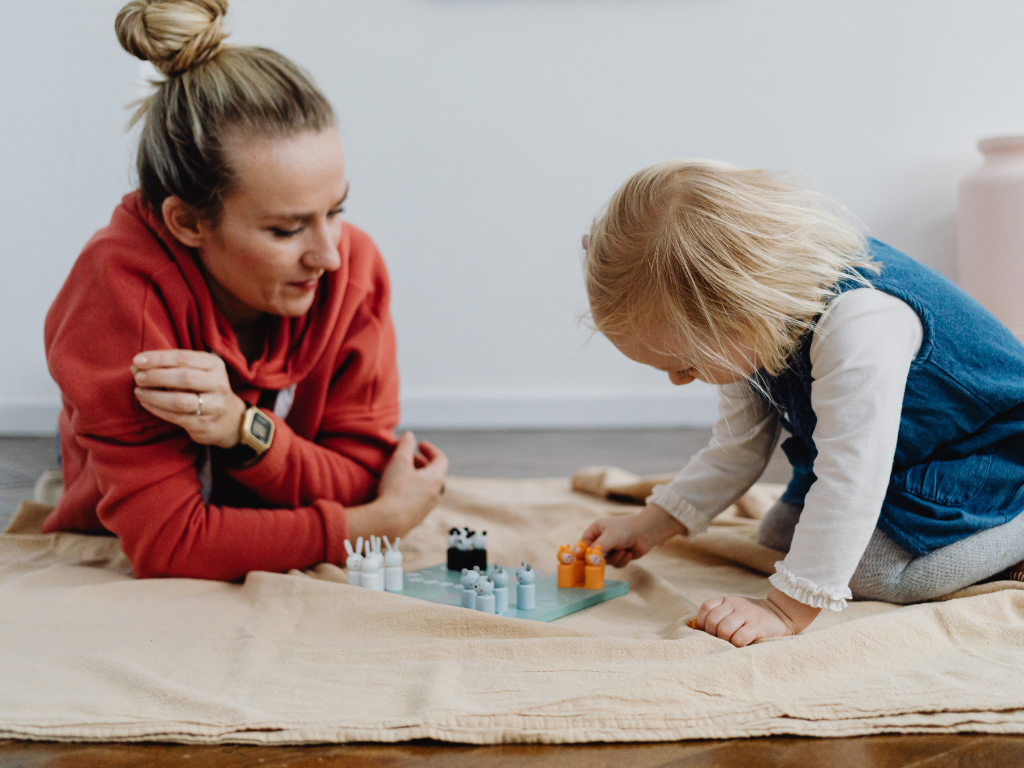
How to Talk to Your Child About Starting Therapy

For many parents, the idea of telling their child they will be starting therapy can feel overwhelming. You may worry about saying the wrong thing, triggering fear, or causing resistance. However, how this conversation is handled can strongly influence how your child perceives therapy, not just at the beginning but throughout their experience.

Children are incredibly perceptive. They pick up on tone, body language, and emotional cues just as much as they do on the words themselves. If therapy is introduced as something supportive and normal, children are far more likely to approach it with openness. If it is presented with tension, secrecy, or urgency, they may associate it with something negative.

It is also important to remember that therapy is not just about addressing problems. It is about building skills, resilience, and emotional awareness. Starting therapy can be a powerful step toward helping your child navigate life’s challenges with confidence.

By taking the time to approach this conversation thoughtfully, you are setting the foundation for a positive and empowering experience.

Understanding Your Child’s Perspective

Before starting the conversation, it helps to step into your child’s world. Children do not naturally understand what therapy is, and without guidance, they may create their own interpretations.

Some children may imagine therapy as something scary or serious. Others may think it means they have done something wrong. Older children and teens may worry about being judged or misunderstood.

Common Thoughts and Concerns

Children often think in very concrete ways, especially at younger ages. Some common concerns include:

  • “Am I in trouble?”

  • “Is something wrong with me?”

  • “Will I have to talk about things I don’t want to?”

  • “Will other people find out?”

  • “Is this my fault?”

For teens, concerns may be more nuanced:

  • “Will I be forced to talk?”

  • “Can I trust the therapist?”

  • “Will my parents know everything I say?”

  • “Is this going to change how people see me?”

Understanding these concerns allows you to respond with empathy instead of assumptions.

Preparing for the Conversation

A thoughtful approach can make a significant difference in how your child reacts.

Choose the Right Moment

Timing matters. Avoid starting this conversation during arguments, stressful moments, or right before bedtime. Instead, choose a calm and neutral time when your child feels safe and relaxed.

You might bring it up during a quiet moment at home, during a walk, or while doing an activity together.

Create a Safe Environment

Make sure your child feels comfortable and not rushed. Turn off distractions like phones and television so they know you have their full attention.

Be Emotionally Prepared

Before talking to your child, take a moment to reflect on your own feelings. If you feel anxious or uncertain, your child may sense that. Try to approach the conversation with calmness and clarity.

How to Explain Therapy to Your Child

Use Clear and Simple Language

Avoid clinical or complicated explanations. Instead, use language your child can easily understand.

For example:
“Sometimes we all have big feelings or problems that are hard to figure out. Therapy is a place where you can talk to someone who knows how to help with those things.”

Normalize the Experience

Let your child know that therapy is something many people do.

You might say:
“Lots of kids and adults talk to therapists. It’s just one way people take care of their feelings, like going to a doctor helps your body.”

Focus on Support

Make it clear that therapy is about helping, not fixing something “wrong.”

Children should understand that therapy is:

  • A safe place

  • A supportive space

  • Something meant to help them feel better

Reassuring Your Child

Reassurance is one of the most important elements of this conversation.

Let Them Know They Are Not in Trouble

This is often a child’s first fear. Be direct and clear:

“You’re not in trouble at all. This is just something to help you.”

Validate Their Feelings

If your child feels nervous, confused, or even upset, acknowledge those feelings:

“It makes sense that you might feel unsure about this. It’s something new.”

Validation helps your child feel heard rather than dismissed.

Explain What Therapy Might Look Like

Give a general overview without overwhelming detail:

  • Talking

  • Playing (for younger children)

  • Drawing or activities

  • Learning ways to handle feelings

This helps reduce fear of the unknown.

Encouraging Open Communication

Invite Questions

Encourage your child to ask anything they want. Let them know there are no “wrong” questions.

Be Honest

If you do not know the answer, it is okay to say so. You can offer to look into it together.

Keep the Conversation Ongoing

This should not be a one-time discussion. Continue checking in with your child before and after sessions.

Tailoring the Conversation by Age

Younger Children (Ages 3–7)

Young children think in simple and concrete terms.

  • Use short explanations

  • Compare therapy to familiar experiences

  • Emphasize play and talking

Example:
“You’ll meet someone who helps kids talk about their feelings and play games that help them feel better.”

School-Age Children (Ages 8–12)

Children in this age group can understand more detail.

  • Explain why therapy is helpful

  • Connect it to their experiences

  • Encourage questions

Example:
“Sometimes when things feel stressful or confusing, talking to someone trained to help can make it easier.”

Teenagers

Teens often want independence and honesty.

  • Be direct and respectful

  • Involve them in decisions

  • Acknowledge their concerns

Example:
“I want to support you, and therapy is one option that can help. I’d like to hear how you feel about it.”

What to Avoid When Talking About Therapy

Avoid Blame

Never suggest therapy is needed because your child is “bad” or “difficult.”

Avoid Threats or Ultimata

Statements like “You have to go or else” can create resistance and fear.

Avoid Oversharing

Too much information can overwhelm your child. Keep explanations appropriate for their age.

Building Trust Before the First Session

Be Transparent

Let your child know what will happen, where they will go, and who they will meet.

Offer Choices When Possible

Giving small choices (like appointment times or comfort items) can help your child feel more in control.

Visit or Describe the Space

If possible, show your child the therapy environment ahead of time or describe it in a friendly way.

Supporting Your Child After Therapy Begins

Check In Gently

Ask open-ended questions like:

  • “How did it feel?”

  • “What did you like?”

Avoid pressuring them to share details.

Respect Their Privacy

Especially for older children and teens, it is important to respect boundaries.

Be Patient With the Process

It may take your child some time to feel comfortable. Progress is not always immediate.

Signs Your Child Is Adjusting Well

  • They seem more comfortable over time

  • They are willing to attend sessions

  • They begin expressing emotions more openly

  • They show small behavioral improvements

Even subtle changes can be meaningful.

Choosing the Right Professional

Selecting the right therapist plays a major role in your child’s experience.

Look for someone who:

  • Specializes in working with children

  • Uses age-appropriate techniques

  • Creates a welcoming and safe environment

  • Communicates clearly with parents

For families seeking the best child psychologist, finding a professional who understands both children and family dynamics can make a significant difference in outcomes.

Long-Term Benefits of Therapy for Children

Emotional Intelligence

Children learn to recognize, name, and understand their emotions.

Coping Skills

They develop tools to manage stress, anxiety, and frustration.

Better Relationships

Improved communication leads to healthier relationships with family and peers.

Increased Confidence

As children gain skills and understanding, they feel more capable and secure.

Helping Your Child Stay Motivated

Celebrate Small Wins

Acknowledge progress, even if it seems minor.

Stay Involved

Maintain communication with the therapist when appropriate.

Reinforce Positivity

Remind your child that growth takes time and effort.

When Challenges Arise

It is normal for children to experience ups and downs during therapy.

Resistance

If your child resists, try to understand why rather than forcing compliance.

Emotional Reactions

Therapy may bring up strong feelings. This is part of the healing process.

Slow Progress

Progress may not always be linear. Patience is key.

FAQs

How do I explain therapy to my child without scaring them?

You can explain therapy in a calm and reassuring way by describing it as a safe place where they can talk about their feelings and get help when things feel difficult. Avoid using language that sounds serious or intimidating; instead, focus on the supportive and positive aspects of therapy. It can also help to normalize the experience by explaining that many children and adults go to therapy at different times in their lives to better understand themselves and feel happier.

What if my child refuses to go to therapy?

It is completely normal for children to feel unsure or resistant at first, especially if they do not fully understand what therapy involves. Instead of forcing them, try to listen to their concerns and validate how they feel, showing that their opinions matter. Over time, continued reassurance, gentle encouragement, and involving them in the process can help them become more open, and a skilled therapist will also know how to build trust gradually.

Should I tell my child everything about why they are going to therapy?

Honesty is important, but the level of detail should match your child’s age and emotional maturity. Younger children benefit from simple, clear explanations, while older children and teens may appreciate greater transparency and involvement in the discussion. The goal is to provide enough information to build trust and understanding without overwhelming them or making them feel anxious.

How can I help my child feel comfortable with their therapist?

You can support your child by speaking positively about therapy and reassuring them that it is okay to take time to feel comfortable. Encourage them to share their thoughts and remind them that they are in control of what they choose to talk about. Building trust takes time, and consistency, patience, and open communication will help your child gradually feel more at ease in the therapeutic environment.

Final Thoughts

Talking to your child about starting therapy is an opportunity to build trust, understanding, and emotional safety. By approaching the conversation with empathy, honesty, and patience, you can help your child feel supported rather than fearful.

Therapy is not just about addressing challenges. It is about giving your child lifelong tools for emotional health and resilience. With the right approach, your child can view therapy as a positive and empowering experience.

At Wellman Psychology, we are dedicated to helping children and families navigate these important steps with care and compassion. If you are considering therapy for your child, professional support can make all the difference. Reach out today to learn how we can help your child thrive.

Follow Wellman Psychology for additional mental health resources and updates:

Find out more articles that can help you below:
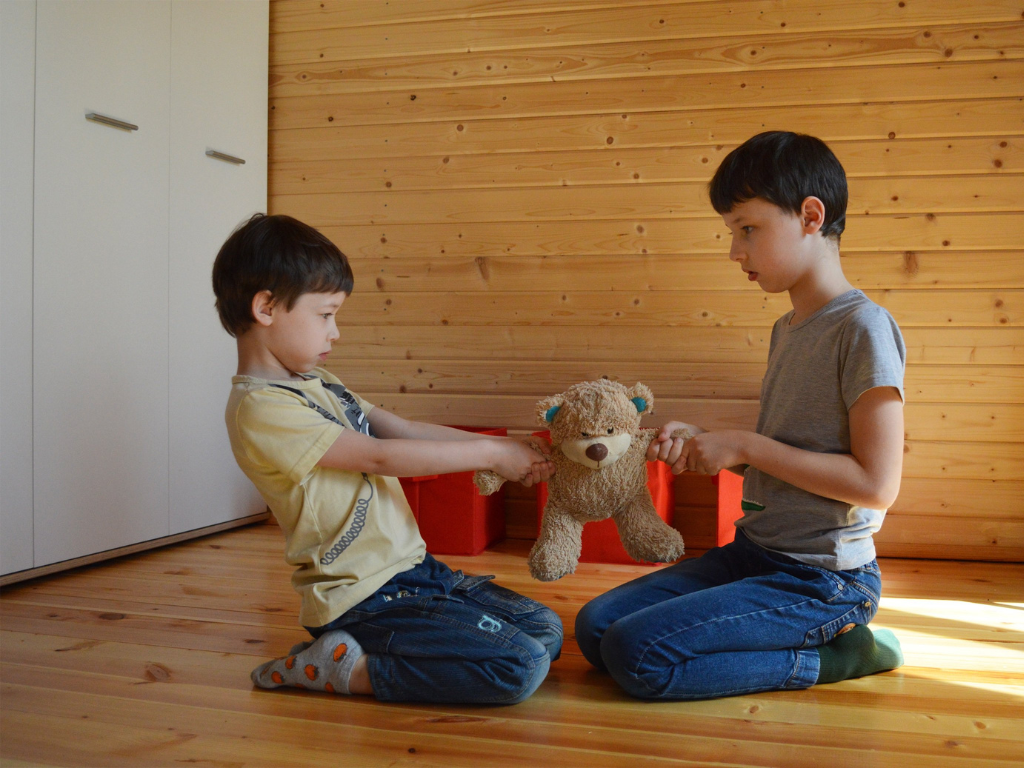
How Therapy Helps Children Cope With Big Life Changes

Therapy helps children cope with significant changes by providing a safe, supportive environment where they can express emotions, understand their experiences, and develop healthy coping skills. Through structured techniques such as play, conversation, and guided activities, children learn how to process change and build resilience. Over time, therapy strengthens emotional regulation, confidence, and adaptability, helping children adjust more smoothly to new circumstances.

Why Big Life Changes Can Be Challenging for Children

How Therapy Helps Children Cope With Big Life Changes

Change is an inevitable part of life, but for children, even small shifts can feel overwhelming. Unlike adults, children are still developing emotional awareness, communication skills, and coping mechanisms. This means that transitions such as moving to a new home, starting a new school, experiencing a divorce, or losing a loved one can deeply affect their sense of stability.

Children rely heavily on routine, predictability, and familiar relationships to feel secure. When these elements are disrupted, it can create confusion, anxiety, and emotional distress. Even positive changes, such as welcoming a new sibling or transitioning to a better school, can bring unexpected emotional challenges.

In many cases, children may not have the words to express what they are feeling. Instead, their emotions may manifest as behavior, such as withdrawal, irritability, or difficulty concentrating. Therapy offers a structured and compassionate way for children to navigate these changes, ensuring they feel supported, understood, and empowered.

Understanding Big Life Changes in Childhood

Major life events are transitions that significantly alter a child’s environment, routine, or relationships. These changes can be sudden or gradual, expected or unexpected.

Common Life Changes Children Experience

Children may encounter a variety of transitions throughout their development, including:

  • Moving to a new home or city

  • Changing schools or classrooms

  • Parental separation or divorce

  • Blended family dynamics

  • Loss of a loved one

  • Medical challenges or illness

  • Changes in friendships or social groups

  • Academic pressures or developmental transitions

Each of these experiences can impact a child’s emotional and psychological well-being. Even when adults view these changes as manageable, children may perceive them as overwhelming disruptions to their world.

Why Change Feels So Intense for Children

Children process change differently than adults because they are still developing key emotional and cognitive skills. They may struggle to:

  • Understand why the change is happening

  • Express complex emotions verbally

  • Regulate feelings such as fear, sadness, or anger

  • Adapt quickly to new environments

As a result, big life changes can lead to stress, anxiety, and behavioral shifts. Without proper support, these challenges can persist and affect long-term development.

The Role of Therapy in Supporting Children

Therapy plays a crucial role in helping children navigate life transitions. It provides a safe, structured environment where children can explore their feelings and experiences with guidance from a trained professional.

A Safe Space for Expression

One of the most important aspects of therapy is that it offers children a space where they feel heard and understood. Many children struggle to communicate their emotions directly, especially during stressful times.

Therapeutic approaches such as play therapy allow children to express themselves in ways that feel natural and comfortable. Toys, games, and creative activities become tools for communication, helping therapists understand what a child may not be able to say out loud.

Developmentally Appropriate Support

Therapy is tailored to a child’s age and developmental stage. Younger children may benefit from play-based approaches, while older children may engage in more structured conversations and activities.

This flexibility ensures that therapy meets children where they are, making it easier for them to engage and benefit.

Building Emotional Awareness

Therapy helps children identify and understand their emotions. By learning to recognize feelings such as sadness, fear, or frustration, children gain greater control over their emotional responses.

This awareness is a foundational skill that supports long-term emotional health.

How Therapy Helps Children Process Big Life Changes

1. Helping Children Understand Their Emotions

Children often experience a mix of emotions during major life changes. They may feel sad about leaving friends, anxious about new environments, or confused about shifting family dynamics.

Therapy helps children:

  • Name and identify their emotions

  • Understand that their feelings are valid

  • Learn that it is okay to experience multiple emotions at once

By developing emotional awareness, children become better equipped to manage their responses.

2. Providing Healthy Coping Strategies

One of the key benefits of therapy is teaching children healthy ways to cope with stress.

These strategies may include:

  • Deep breathing and relaxation techniques

  • Problem-solving skills

  • Positive self-talk

  • Creative expression through art or play

Research shows that therapy can help children develop coping strategies and improve problem-solving abilities, which are essential during periods of change.

3. Reducing Anxiety and Stress

Periods of change often trigger anxiety and uncertainty. Therapy provides tools to help children manage these feelings and regain a sense of control.

Through guided activities and supportive conversations, children learn how to:

  • Manage worries about the future

  • Reduce fear of the unknown

  • Feel more secure in new situations

This emotional support can significantly improve a child’s overall well-being.

4. Strengthening Emotional Regulation

Emotional regulation refers to the ability to manage and respond to emotions in a healthy way.

Children experiencing major transitions may struggle with:

  • Emotional outbursts

  • Irritability

  • Withdrawal

Therapy helps children develop skills to regulate their emotions, leading to more balanced and stable behavior.

5. Encouraging Expression Through Play

Play therapy is one of the most effective methods for helping children process change. Since children may not have the language to express complex feelings, play becomes their primary mode of communication.

Through play, children can:

  • Act out experiences

  • Explore emotions safely

  • Rehearse real-life situations

Play therapy allows children to process difficult experiences in a way that feels natural and non-threatening.

6. Building Confidence and Resilience

Therapy empowers children by helping them develop confidence in their ability to handle challenges.

By learning coping skills and practicing problem-solving, children begin to see themselves as capable and resilient. This sense of confidence helps them navigate future changes more effectively.

7. Supporting Social and Relationship Skills

Big life changes can impact a child’s relationships with family members, friends, and peers.

Therapy helps children:

  • Improve communication skills

  • Develop empathy

  • Build stronger connections with others

These skills are essential for maintaining healthy relationships during times of change.

The Importance of Family Involvement

Therapy is often most effective when families are involved in the process. Parents and caregivers play a critical role in supporting children through transitions.

Strengthening Family Communication

Therapy can help families improve communication by:

  • Encouraging open conversations

  • Reducing misunderstandings

  • Creating a supportive home environment

Providing Consistency and Stability

Children benefit from consistency during times of change. Therapists often work with families to establish routines and structures that provide a sense of security.

Learning Supportive Strategies

Parents can learn techniques to support their child’s emotional needs, reinforcing the progress made in therapy.

When to Consider Therapy for Your Child

It can be difficult to determine when professional support is needed. However, several signs indicate that therapy may be beneficial.

Behavioral Changes

Sudden or significant changes in behavior may indicate that a child is struggling to cope. This can include withdrawal, aggression, or changes in sleep and appetite.

Persistent Emotional Distress

If a child experiences ongoing sadness, anxiety, or fear, therapy can provide the support needed to address these emotions.

Difficulty Adjusting to Change

Some children may take longer to adjust to new situations. Therapy can help ease this transition and provide tools for adaptation.

Challenges at School or Socially

Academic struggles or difficulties with friendships may be linked to underlying emotional challenges.

Long-Term Benefits of Therapy

Therapy not only helps children cope with immediate challenges but also provides long-term benefits that support their overall development.

Emotional Growth

Children develop a deeper understanding of their emotions and how to manage them effectively.

Improved Relationships

Better communication and empathy lead to stronger relationships with family and peers.

Increased Resilience

Children learn how to adapt to change and overcome challenges, building resilience that lasts into adulthood.

Stronger Problem-Solving Skills

Therapy encourages children to think critically and solve problems, fostering independence and confidence.

Choosing the Right Support

Finding the right therapist is an important step in supporting your child. A qualified professional will tailor their approach to your child’s unique needs and create a supportive environment for growth.

For families seeking the best child psychologist, it is important to look for a provider with experience in child development, evidence-based approaches, and a compassionate, child-centered approach.

Supporting Your Child at Home

While therapy provides essential tools, parents can also play a key role in supporting their child’s progress.

Encourage Open Communication

Create a safe space where your child feels comfortable sharing their thoughts and feelings.

Maintain Routines

Consistent routines provide stability and help children feel secure during times of change.

Practice Patience and Understanding

Children may need time to adjust. Showing patience and empathy can make a significant difference.

Reinforce Coping Skills

Encourage your child to use the strategies they learn in therapy in everyday situations.

FAQs

How does therapy help children cope with big life changes?

Therapy helps children cope with major transitions by providing a structured and supportive environment where they can explore their emotions safely. Through techniques such as play therapy, guided conversations, and skill-building activities, children learn how to process their experiences and develop healthy coping strategies. Over time, therapy helps them build resilience, improve emotional regulation, and adapt more confidently to new situations.

What types of therapy are most effective for children?

Several types of therapy can be effective for children, depending on their needs and developmental stage. Play therapy is widely used because it allows children to express themselves through activities rather than words, making it especially helpful for younger children. Cognitive-behavioral therapy and family-based approaches are also effective, particularly for older children who can engage in structured discussions and problem-solving.

How long does it take for therapy to help a child adjust?

The length of time it takes for therapy to help a child adjust varies based on the child’s individual needs, the type of life change they are experiencing, and the level of support they receive at home. Some children may begin to show improvement within a few sessions, while others may benefit from longer-term support. Consistency, family involvement, and a strong therapeutic relationship all contribute to positive outcomes.

Can therapy help even if the life change is positive?

Yes, therapy can be beneficial even when the life change is positive, such as moving to a better home or starting a new school. Positive changes can still bring uncertainty, anxiety, and emotional adjustment challenges for children. Therapy helps them process these mixed emotions, build confidence, and adapt more smoothly to new environments.

Final Thoughts

Big life changes are a natural part of growing up, but they can be challenging for children to navigate on their own. Therapy provides the support, tools, and guidance needed to help children understand their emotions, develop coping skills, and build resilience.

By addressing challenges early and creating a supportive environment, therapy empowers children to adapt to change with confidence and strength. With the right support system in place, children can not only cope with life’s transitions but also grow from them in meaningful ways.

At Wellman Psychology, we are dedicated to helping children and families navigate life’s changes with compassion and expertise. If your child is experiencing a significant transition, professional support can make a meaningful difference. Get in touch with our experts now.

Follow Wellman Psychology for additional mental health resources and updates:

Find out more articles that can help you below: