

What Is Relationship Counselling in Chicago and How Can It Help Your Relationship?

Have you and your partner ever had the same argument so many times that you can almost predict how it will end?

Maybe one person becomes defensive while the other shuts down. Maybe you both walk away frustrated without ever resolving what started the disagreement in the first place.

Relationship counselling can help couples slow those patterns down, understand what is happening underneath the conflict, and develop healthier ways to communicate.

You also do not need to be considering separation before asking for support. Relationship counselling in Chicago can be helpful whether you are dealing with serious relationship concerns or simply want to strengthen a relationship that has started to feel disconnected.

At Wellman Psychology, we understand that even strong relationships can go through difficult periods. Therapy can provide a supportive environment where both partners have space to speak, listen, and better understand what they need from each other.

What Is Relationship Counselling?

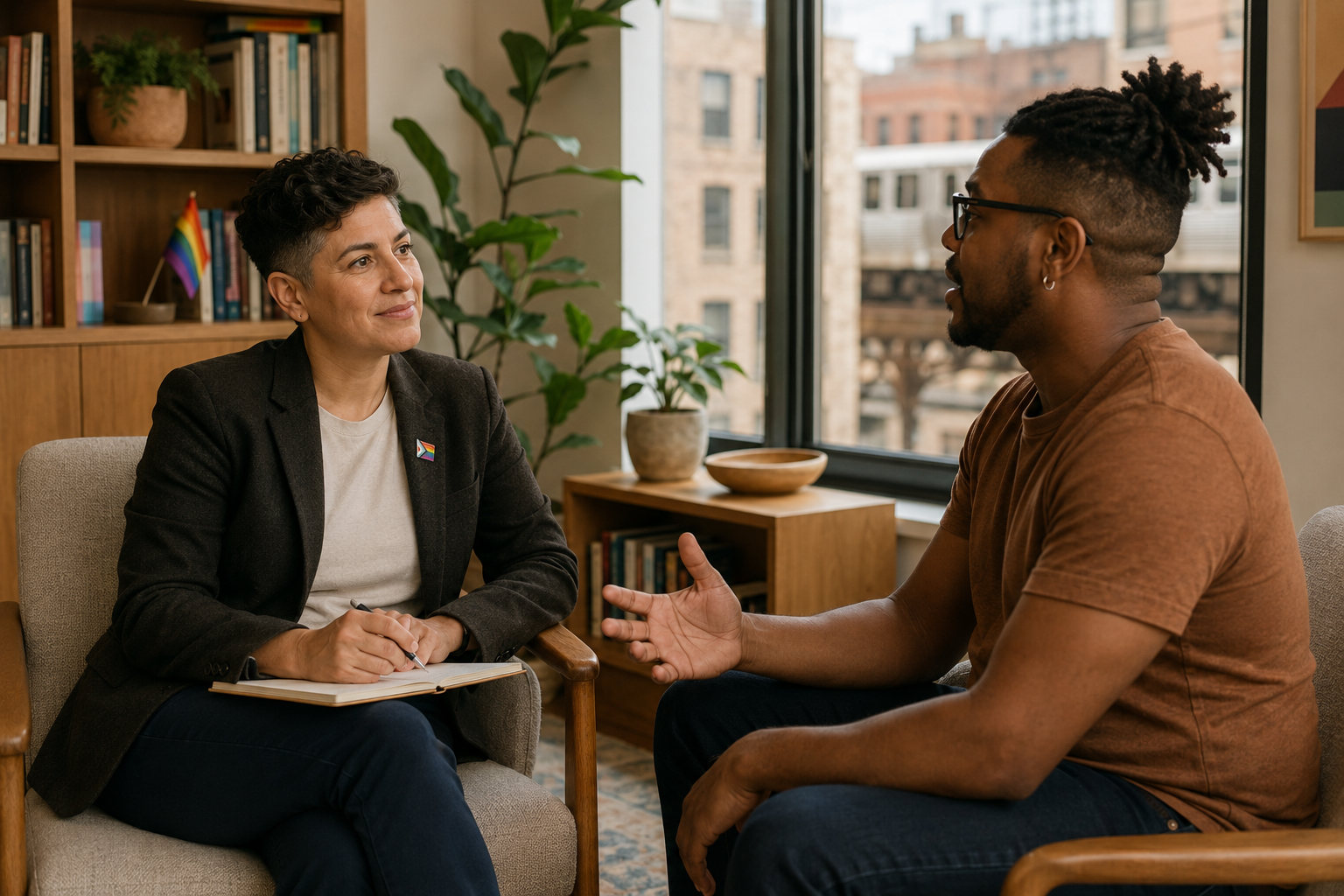
Relationship counselling session for couples in Chicago

Relationship counselling is a form of therapy designed to help partners understand relationship challenges, improve communication, manage conflict, and build healthier patterns together.

The therapist is not there to decide who is right or wrong.

Instead, therapy focuses on what happens between you as a couple.

For example, one partner may criticize because they feel ignored or disconnected. The other may withdraw because they feel overwhelmed or attacked. The more one person pushes for a response, the more the other pulls away.

Over time, both people can become stuck in the pattern.

Relationship counselling can help you recognize these cycles and work on changing how you respond to each other rather than repeatedly blaming one another.

It can also create a more structured setting for conversations that are difficult to have at home, particularly when emotions tend to escalate quickly.

How Can Relationship Counselling Help?

Relationship counselling can help couples work through communication problems, recurring conflict, trust concerns, emotional distance, and other challenges affecting the relationship.

The exact focus depends on what you and your partner want to change.

Improving Communication

Communication is about more than talking.

It also involves listening, understanding what your partner is trying to communicate, and expressing your own feelings or needs without immediately attacking or becoming defensive.

Therapy can help couples identify communication habits that make disagreements worse and practice more productive ways of responding.

Managing Recurring Conflict

Healthy relationships still involve disagreements.

The goal of counselling is not to make sure you never argue again. Instead, therapy can help you disagree without every conflict becoming damaging.

You may work on recognizing when emotions are escalating, taking a productive pause, communicating frustration more clearly, and returning to difficult conversations when both partners are better able to engage.

Rebuilding Trust

Trust can be affected by dishonesty, infidelity, broken promises, secrecy, or years of unresolved conflict.

Repairing that trust usually takes time.

Relationship counselling can provide a structured environment where couples can discuss what happened, understand the impact, establish accountability, and decide what rebuilding trust would need to look like.

Reconnecting Emotionally

Sometimes there is no dramatic crisis. You simply stop feeling close.

You may still manage the household, take care of children, pay bills, and function well as a team, but most conversations revolve around responsibilities rather than the relationship itself.

Therapy can help you explore where that emotional distance developed and what each partner may need to feel connected again.

What Problems Can Relationship Counselling Address?

Couples come to therapy for many different reasons.

Relationship counselling may help with:

  • Communication problems

  • Frequent arguments

  • Emotional distance

  • Trust concerns

  • Infidelity

  • Intimacy concerns

  • Parenting disagreements

  • Financial conflict

  • Family-related stress

  • Resentment

  • Major life transitions

  • Different expectations for the future

  • Recurring unhealthy patterns

  • Difficult decisions about the relationship

Sometimes the issue that brings you to therapy seems relatively small on the surface.

For example, repeated disagreements about chores may actually reflect one partner feeling unappreciated while the other feels constantly criticized.

Therapy can help uncover what a recurring argument really represents and what may need to change underneath it.

When Should You Consider Relationship Counselling?

You may want to consider counselling when the same problems keep returning despite your attempts to resolve them.

Some common signs include:

You Keep Having the Same Argument

If you have discussed an issue dozens of times without reaching a lasting solution, there may be a pattern that is difficult to recognize while you are inside it.

You Avoid Important Conversations

Avoiding conflict can provide temporary relief, but unresolved concerns may eventually turn into frustration, resentment, or emotional distance.

One or Both of You Feel Unheard

Feeling like your partner does not understand your perspective can create loneliness, even when you are still together.

Trust Has Been Damaged

Infidelity, dishonesty, or repeated broken promises can be difficult to repair without having structured conversations about what happened and what needs to change.

You Feel More Like Roommates

When a relationship becomes almost entirely about schedules, chores, work, or children, therapy can help you explore how to reconnect as partners.

You Are Considering Separation

You do not need to know whether you want to stay together before starting therapy.

Counselling may give you space to understand what has happened, what each person wants, and what options are available.

You Want to Strengthen Your Relationship

Therapy can also be proactive.

Some couples seek counselling because they want to communicate better, strengthen emotional intimacy, prepare for marriage, adjust to parenthood, or navigate another major change together.

You do not have to wait until the relationship reaches a breaking point.

What Happens During Relationship Counselling?

Not knowing what to expect can make starting therapy feel intimidating.

Your first session will generally focus on helping the therapist understand your relationship, what brought you in, and what you hope to change.

You may discuss:

  • Your current concerns

  • How long you have been together

  • Communication patterns

  • Important relationship history

  • Previous attempts to resolve problems

  • Each partner's perspective

  • What you want from therapy

Both partners should have an opportunity to speak.

The therapist's role is not to choose a side. Instead, they work to understand how each person experiences the relationship and identify patterns that may be keeping you stuck.

As therapy continues, sessions may involve guided conversations, communication strategies, emotional awareness, conflict-resolution skills, trust-building work, and exercises to practice outside of sessions.

The approach should be shaped around your relationship rather than following the same formula for every couple.

What If Only One Partner Wants Therapy?

Ideally, both people participate in relationship counselling.

However, you cannot force a partner to meaningfully engage in therapy if they are not ready.

If your partner does not want to attend, individual therapy may still help you understand your own emotions, communication habits, boundaries, and relationship goals.

You can work on the parts of the situation that are within your control while deciding how you want to respond to ongoing challenges.

If your partner becomes more open to couples counselling later, you can explore that option together.

How Do You Find the Right Relationship Therapist in Chicago?

Finding the right therapist involves more than choosing the first available appointment.

When considering relationship counselling in Chicago, look for someone with experience working with couples and concerns similar to yours.

You might ask:

  • What experience do you have working with couples?

  • How do you approach recurring conflict?

  • How do you help couples develop treatment goals?

  • Do you work with trust issues or infidelity?

  • What therapeutic approaches do you use?

  • What can we expect during the first session?

  • Do you offer in-person or virtual appointments?

It is also important to consider how both partners feel with the therapist.

Do both of you feel heard? Does the therapist make space for different perspectives? Can you talk about difficult subjects without feeling immediately judged?

A productive therapeutic relationship should make it easier for both people to participate honestly.

Why Choose Wellman Psychology for Relationship Counselling?

At Wellman Psychology, we believe effective relationship therapy begins with understanding both people and the patterns that have developed between them.

We do not approach counselling as an attempt to determine which partner is responsible for the relationship's problems.

Instead, we work to understand the emotions, communication patterns, expectations, and experiences affecting the relationship.

Every couple comes to therapy for different reasons.

Some cannot stop arguing. Others feel emotionally disconnected. Some are working through trust concerns, while others simply want to build a stronger foundation for the future.

Our goal is to create a supportive environment where both partners can participate in the process and work toward goals that matter to them.

Maybe you want to have difficult conversations without every discussion becoming an argument.

Maybe you want to understand why the same conflict keeps happening.

Maybe you want to rebuild trust.

Or perhaps you simply want to feel close to your partner again.

Whatever brings you to therapy, those goals should help guide the process.

Frequently Asked Questions About Relationship Counselling

Does relationship counselling actually work?

Relationship counselling can help many couples improve communication, understand unhealthy patterns, and develop stronger relationship skills. Results vary depending on the couple, their circumstances, goals, and level of participation, so therapy cannot guarantee a specific outcome.

Can couples counselling help with communication problems?

Yes. Communication is one of the most common areas addressed in relationship therapy. Couples may work on expressing needs more clearly, listening more effectively, handling emotional reactions, and approaching difficult conversations differently.

Can relationship counselling help after infidelity?

Therapy can provide a structured setting for discussing the impact of infidelity, rebuilding communication, addressing trust, and considering the future of the relationship. What happens next depends on the couple and their individual goals.

How long does relationship counselling take?

There is no single number of sessions that works for every couple. The length of therapy depends on what you want to address, how complex the concerns are, your progress, and the therapist's clinical approach.

Is relationship counselling only for married couples?

No. Relationship counselling may be appropriate for married couples, unmarried partners, engaged couples, long-term partners, and others in committed relationships who want support with their relationship.

You Do Not Have to Wait for a Crisis

Every relationship goes through periods of stress.

Work, parenting, finances, family responsibilities, misunderstandings, and major life transitions can affect how connected two people feel.

Relationship counselling is not about creating a relationship where you never disagree. It is about understanding what happens during difficult moments and developing healthier ways to respond to each other.

If you and your partner feel stuck in the same patterns, support is available.

Schedule an appointment with Wellman Psychology to learn more about relationship counselling in Chicago and whether therapy may be a good fit for you and your partner.

Follow Wellman Psychology for additional mental health resources and updates:
Related Articles


Why Working With an LGBT Therapist in Chicago Can Make a Meaningful Difference

Starting therapy can feel vulnerable, especially if you are worried a therapist may not understand an important part of your identity or experience. For LGBTQ+ clients, working with an affirming therapist can make it easier to speak openly about relationships, family, anxiety, identity, trauma, or everyday stress without feeling like you need to explain or defend who you are.

At Wellman Psychology, we believe good therapy begins with feeling respected, heard, and involved in your own care. Your sexual orientation or gender identity may be important to your experience, but it does not have to define every conversation you have in therapy.

What Is an LGBT Therapist?

LGBT therapist providing LGBTQ+ affirming therapy in Chicago

An LGBT therapist is a licensed mental health professional who provides care informed by and affirming of LGBTQ+ experiences. They may work with people who identify as lesbian, gay, bisexual, transgender, queer, nonbinary, or another identity within the LGBTQ+ community.

That does not mean an affirming therapist assumes they already understand your story. LGBTQ+ clients come from different families, cultures, relationships, communities, and life experiences.

For one person, identity may be the main reason they are seeking therapy. For another, the focus may be anxiety, grief, work stress, trauma, or a difficult relationship. An affirming therapist should make room for both.

Why Can Working With an LGBT Therapist Make a Difference?

The therapeutic relationship plays an important role in how comfortable you feel opening up. If you have previously felt misunderstood, judged, or dismissed, it may take time to trust someone new.

Some LGBTQ+ clients have experienced providers who made assumptions about their relationships, minimized discrimination, used uncomfortable language, treated identity as the cause of every problem, or made them feel responsible for educating the provider.

An affirming approach can reduce some of those barriers. It does not mean your therapist assumes they know everything about LGBTQ+ life. It means they are prepared to listen, respect your identity, and understand when sexuality or gender may be relevant without making it the explanation for everything you feel.

That can leave more room to focus on the reasons you actually came to therapy.

What Can an LGBT Therapist Help With?

An LGBT therapist can support many of the same mental health concerns that bring anyone to therapy. The difference is that you can explore those concerns in an environment where LGBTQ+ experiences can be discussed openly when they matter.

Anxiety and Depression

Anxiety and depression can affect anyone. For some LGBTQ+ clients, emotional distress may also exist alongside family conflict, discrimination, rejection, social pressure, or uncertainty about identity.

Therapy can help you understand what may be contributing to your symptoms and develop healthier ways to manage them. Depending on your needs, you may work on recognizing anxious thought patterns, understanding emotional triggers, improving self-esteem, challenging unhelpful beliefs, or building healthier coping strategies.

The goal is to understand the full picture rather than assuming identity itself is the problem.

Relationships and Dating

Relationships can bring up questions about communication, trust, boundaries, intimacy, conflict, and expectations.

An affirming therapist can help you explore these concerns without assuming your relationship needs to fit a particular model. Therapy may help you understand recurring patterns, communicate more clearly, process a breakup, improve emotional intimacy, or become more confident about what you need from a relationship.

Identity Exploration

You do not need to have everything figured out before starting therapy.

Some people begin therapy because they are questioning their sexual orientation or gender identity. Others already understand their identity but want support with coming out, self-expression, relationships, or how other people respond.

Therapy can give you space to explore those experiences without pressure to choose a label or arrive at a specific outcome.

Family Concerns

Family relationships can become painful when relatives do not understand or accept someone's identity.

You may be dealing with rejection, repeated misunderstandings, conflict about relationships, pressure to change, or uncertainty about what boundaries you need.

Therapy can help you process those experiences, communicate more clearly, and decide what kind of relationship feels healthy and realistic for you.

Trauma and Everyday Stress

Bullying, harassment, discrimination, abuse, rejection, and other difficult experiences can affect trust, self-esteem, relationships, and emotional wellbeing.

If trauma is part of what brings you to therapy, Wellman Psychology also provides trauma therapy in Chicago for clients who want support working through painful experiences and their ongoing effects.

You also do not need to be in crisis to benefit from therapy. Work pressure, burnout, grief, friendships, parenting, and major life changes can all be valid reasons to reach out. If your LGBTQ+ identity is not relevant to what you want to discuss, it does not have to become the focus.

What Should You Look for in an LGBT Therapist in Chicago?

Finding the right therapist involves more than seeing the words "LGBTQ+ affirming" on a website.

When looking for an LGBT therapist in Chicago, consider the therapist's qualifications, experience, communication style, and approach to treatment.

A good fit may be someone who:

  • Respects your identity, name, and pronouns

  • Uses affirming language

  • Avoids making assumptions

  • Understands LGBTQ+ experiences

  • Takes your concerns seriously

  • Allows you to set the pace

  • Collaborates with you on treatment goals

  • Makes it comfortable to ask questions or give feedback

Pay attention to how you feel during the first conversation too. Do you feel listened to? Can you ask questions? Do you feel pressured toward a particular conclusion? Do you feel like you need to hide important parts of yourself?

You may not know immediately whether someone is the right therapist for you, but those questions can help you evaluate the fit.

What Questions Should You Ask Before Choosing a Therapist?

Before committing, consider asking about the therapist's experience with LGBTQ+ clients, the concerns they commonly treat, their therapeutic approach, and what you can expect during the first appointment.

Affirming experience matters, but so does experience with the specific issue that brings you to therapy. The right therapist should fit both your needs and your communication style.

What If You Are Nervous About Starting Therapy?

Feeling nervous before a first appointment is normal. You may have had a negative healthcare experience in the past, worry about being misunderstood, or simply not know where to begin.

You do not need a perfect explanation. You can start with something as simple as, "I have been struggling lately, and I think I need someone to talk to."

You can also tell your therapist that you are nervous, that you do not know where to start, or that you are not ready to discuss a particular topic yet.

Trust develops over time. Therapy should not require you to reveal everything immediately.

Why Choose Wellman Psychology?

At Wellman Psychology, we provide LGBTQ+ affirming therapy for people navigating concerns related to identity, relationships, acceptance, anxiety, depression, trauma, stress, and other areas of mental health.

We also understand that LGBTQ+ clients are not all looking for the same kind of support. One person may want to explore identity. Another may want help with grief, work stress, a relationship, anxiety, or a difficult life transition.

Your therapist should take the time to understand your individual concerns rather than assume what you need based on your identity.

Our goal is to create a therapeutic relationship built around respect, collaboration, and individualized care. If you are looking for an LGBT therapist in Chicago, your first appointment can be an opportunity to explain what brought you to therapy, ask questions, and see whether the relationship feels right for you.

Frequently Asked Questions About LGBT Therapists

What does an LGBT therapist do?

An LGBT therapist provides mental health support in an LGBTQ+ affirming environment. Therapy may address anxiety, depression, relationships, identity exploration, family concerns, trauma, stress, or other challenges based on the client's individual goals.

Can an LGBT therapist help with anxiety and depression?

Yes. An affirming therapist can help address anxiety and depression while considering the broader circumstances affecting your mental health. Treatment should focus on your symptoms, experiences, and goals rather than making assumptions based on identity.

Do I need to be LGBTQ+ to see an LGBT therapist?

No. Some people choose an LGBTQ+ affirming therapist because they are questioning their identity, have an LGBTQ+ partner or family member, or simply feel that the therapist's experience and approach fit their needs.

How do I find an LGBT therapist in Chicago?

Look for a licensed therapist with experience relevant to both LGBTQ+ affirming care and the specific concerns you want help with. Ask about their experience, therapeutic approach, and what to expect before deciding whether they are the right fit.

Finding the Right Therapist Is About Feeling Understood

Choosing a therapist is personal. You should be able to talk honestly about your life without worrying that important experiences will be dismissed or misunderstood.

Working with an LGBT therapist in Chicago can be especially helpful when you want someone who is comfortable discussing LGBTQ+ experiences while still seeing you as a whole person. Therapy can focus on your relationships, family, anxiety, trauma, grief, identity, or whatever else is affecting your life.

At Wellman Psychology, we believe meaningful therapy begins with a relationship built on respect, trust, collaboration, and attention to your individual needs.

If you are ready to talk, schedule a consultation with Wellman Psychology to learn more about your options and whether our team may be the right fit for you.

Follow Wellman Psychology for additional mental health resources and updates:

Related Articles

How Gender-Affirming Therapy Supports Mental Health at Every Stage of Life

The emotional support you need at 20 may look very different from what you need at 40 or 60. Your relationships change, your responsibilities evolve, and your understanding of yourself may continue developing throughout your life.

Gender-affirming therapy can provide a supportive space to explore those experiences without telling you who you should be or what decisions you should make. Depending on what brings you to therapy, sessions may focus on identity, anxiety, relationships, family concerns, trauma, self-esteem, major life changes, or simply feeling more comfortable with yourself.

At Wellman Psychology, we understand that gender-related experiences are deeply individual. Some people come to therapy because they are questioning their identity. Others already feel confident in who they are but want an affirming therapist who can help with anxiety, relationships, stress, or another part of their mental health.

Wherever you are in that process, therapy can meet you there.

What Is Gender-Affirming Therapy?

Gender-affirming therapy supporting mental health at different stages of life in Chicago

Gender-affirming therapy is an approach to mental health care that respects a person's gender identity while helping them address the emotional, relational, and psychological concerns that matter to them.

It does not require you to identify a certain way, transition, or make a particular decision. Instead, therapy gives you room to understand your experiences, develop coping strategies, explore questions, and make choices that align with your own values and goals.

For one person, that might involve exploring gender identity or expression. For someone else, therapy may focus primarily on:

  • Anxiety

  • Depression

  • Relationship concerns

  • Family conflict

  • Trauma

  • Stress

  • Self-esteem

  • Loneliness

  • Major life transitions

  • Difficulty setting boundaries

Your gender identity is not treated as something that needs to be fixed. An affirming therapist looks at the whole person and works with you to understand what is actually contributing to distress.

How Can Gender-Affirming Therapy Support Mental Health?

Mental health is influenced by many parts of life. Relationships, work, family expectations, discrimination, past experiences, social pressure, and major transitions can all affect how someone feels.

Gender-affirming therapy provides a place to explore those factors in an environment where your identity is respected.

You might use therapy to better understand patterns that contribute to anxiety, work through difficult experiences, improve communication, strengthen relationships, develop healthier boundaries, or build more effective coping strategies.

At Wellman Psychology, the focus is on your individual needs rather than assumptions about what you must be experiencing because of your gender identity.

That distinction matters. Being transgender, nonbinary, or otherwise gender diverse does not mean that every mental health concern stems from gender. Sometimes anxiety is about work. Sometimes relationship difficulties are about communication. Sometimes someone simply needs support during a stressful stage of life.

Affirming therapy allows room for all of those experiences.

How Does Gender-Affirming Therapy Help at Different Stages of Life?

There is no single timeline for understanding or expressing your gender.

Questions that feel important during adolescence may change in young adulthood. Someone else may not begin seriously exploring their identity until their 30s, 40s, or later.

Therapy can adapt as those needs change.

Adolescence

Adolescence already involves significant emotional and social change. Young people may be navigating school, friendships, family expectations, self-esteem, and questions about who they are becoming.

When questions about gender identity or expression are also present, having an appropriate space to talk can be valuable.

Depending on the individual's circumstances and treatment goals, therapy may help with:

  • Exploring feelings about identity

  • Building confidence

  • Coping with bullying or social pressure

  • Managing anxiety or depression

  • Communicating with parents or caregivers

  • Navigating school experiences

  • Developing healthier coping skills

The goal is not to pressure a young person toward a predetermined conclusion. It is to provide emotional support while they develop a better understanding of themselves.

Young Adulthood

Young adulthood can bring more independence alongside an entirely new set of decisions.

College, careers, dating, relationships, moving away from home, and building a social community can all become important at once. For someone exploring gender identity, that new independence can feel freeing while also creating uncertainty.

You may be thinking about:

  • Coming out

  • Gender expression

  • Names or pronouns

  • Dating and relationships

  • Family expectations

  • Building a supportive community

  • Workplace experiences

  • Whether or how you want to transition

You do not need to arrive at therapy knowing exactly what you want.

Sometimes a productive place to begin is simply, “I am not sure yet.”

Therapy can give you room to explore those questions without feeling pressured to make decisions before you are ready.

Adulthood

As responsibilities increase, identity-related questions can become intertwined with careers, long-term relationships, parenting, finances, or family dynamics.

Someone may feel increasingly comfortable with their identity but worry about how a spouse or family member will respond. Another person may have spent years prioritizing everyone else's needs and only recently begun considering questions about their own identity.

Therapy provides a space to explore those experiences while also addressing broader concerns such as anxiety, depression, trauma, relationships, and self-esteem.

The goal is not to separate identity from the rest of your life. It is to understand how the different parts of your experience affect one another.

Midlife and Later Adulthood

There is no age at which someone becomes “too old” to learn something new about themselves.

Midlife and later adulthood can bring major changes. Children may leave home, relationships can evolve, careers can shift, and retirement may completely change someone's routine.

For some people, those transitions create enough space to finally explore questions they have pushed aside for years.

Others may already feel confident about their gender identity but want support navigating aging, relationships, community, family, or changing social circumstances.

Therapy can provide a place to think about what this stage of life means to you and what you want your next chapter to look like.

Is Gender-Affirming Therapy Only for People Who Are Transitioning?

No.

You do not need to be transitioning or even know exactly how you identify to work with a gender-affirming therapist.

You may be:

  • Questioning your gender

  • Exploring gender expression

  • Comfortable with your identity but struggling with anxiety

  • Considering a social transition

  • Already transitioning

  • Not interested in transitioning

  • Unsure what you want

  • Looking for support with relationships or family concerns

An affirming therapist should meet you where you are rather than directing you toward a particular outcome.

Therapy can help you understand what feels right for you and make decisions that reflect your own values, circumstances, and goals.

How Can Therapy Help With Gender-Related Life Changes?

Changes involving identity or gender expression can affect several areas of life at the same time.

Even a change that feels positive personally can bring uncertainty about how other people may react.

Coming Out

Coming out can feel exciting, stressful, meaningful, frightening, or some combination of all four.

You may also choose to be open with certain people while maintaining more privacy with others.

Therapy can help you think through communication, expectations, boundaries, and how you want to handle different responses.

Gender Expression

Changes in clothing, appearance, names, pronouns, or other forms of gender expression can feel deeply personal.

Therapy can provide space to explore what feels authentic to you while also discussing how you want to navigate reactions from other people.

Relationships and Family

Partners, friends, parents, and other family members may respond differently to changes in identity or expression.

Some relationships become stronger. Others may involve confusion, conflict, or rejection.

Therapy can help you process those emotions while working on communication, boundaries, grief, conflict, and maintaining relationships that feel supportive.

The goal is not necessarily to preserve every relationship at any cost. Sometimes protecting your mental health means recognizing where healthier boundaries are needed.

Work and Social Environments

Questions about privacy, disclosure, discrimination, workplace relationships, or how openly you want to express yourself can also create stress.

Talking through these concerns with a therapist can help you separate what you can control from what you cannot and develop strategies for handling difficult situations.

Why Choosing an Affirming Therapist Matters

A strong therapeutic relationship can make it easier to speak openly about difficult experiences.

You should not feel that you have to spend every session explaining basic LGBTQ+ identities or defending who you are.

When searching for an LGBT therapist in Chicago, consider whether the therapist:

  • Respects your identity, name, and pronouns

  • Avoids making assumptions

  • Understands LGBTQ+ experiences

  • Allows you to set the pace

  • Takes your concerns seriously

  • Supports exploration without directing the outcome

  • Can openly discuss relationships and family dynamics

  • Treats you as a whole person rather than reducing everything to gender

You should also feel comfortable asking questions, disagreeing, providing feedback, and discussing what is or is not working for you.

Why Choose Wellman Psychology?

At Wellman Psychology, we believe therapy should be individualized rather than one-size-fits-all.

Our practice provides LGBTQ+ affirming care for people navigating gender identity, sexuality, acceptance, relationships, anxiety, depression, trauma, stress, and other mental health concerns.

That means you can discuss gender when it is important to you without feeling that it has to become the focus of every session.

Our clinicians bring different therapeutic perspectives and areas of experience, allowing treatment to be shaped around the person seeking care. The goal is to create a relationship built on trust, collaboration, empathy, and respect while helping you work toward meaningful changes in your life.

If you are looking for LGBTQ+ therapy in Chicago, finding a therapist who understands both identity-related experiences and broader mental health concerns can make it easier to show up to therapy without feeling like you need to hide an important part of yourself.

Frequently Asked Questions About Gender-Affirming Therapy

What does gender-affirming therapy help with?

Gender-affirming therapy may help with identity exploration, anxiety, depression, relationships, family concerns, self-esteem, trauma, stress, and major life transitions. What you discuss depends on your individual needs and goals.

Can gender-affirming therapy help with anxiety or depression?

Yes. Therapy can address anxiety and depression while also considering factors that may contribute to distress, including relationships, discrimination, family conflict, trauma, work, and other life stressors.

Do I need to be transgender to see a gender-affirming therapist?

No. People who are questioning their gender, exploring their identity or expression, identifying as transgender or nonbinary, or simply looking for an LGBTQ+ affirming therapist may choose this type of care.

Can I start therapy if I am still questioning my gender?

Yes. You do not need to have your identity figured out before beginning therapy. An affirming therapist can give you space to explore your thoughts and feelings without pressuring you toward a particular conclusion.

Is it too late to explore my gender identity?

No. People can explore their identity at different stages of life. Therapy can provide support whether those questions arise during young adulthood, midlife, or later adulthood.

Your Mental Health Journey Does Not Have an Expiration Date

Your needs can change throughout your life.

A new relationship, career change, family transition, stressful experience, or simply reaching a different stage of self-understanding can bring up questions you did not expect.

Gender-affirming therapy gives you somewhere to explore those experiences without having to fit yourself into someone else's expectations.

You do not need to know exactly what you want before reaching out.

At Wellman Psychology, we can work with you to understand what is happening, identify what you want from therapy, and develop an approach built around your needs.

If you are looking for an LGBT therapist in Chicago and want a space where your identity is respected while your broader mental health concerns are taken seriously, starting with a conversation can be a helpful first step.

Schedule a consultation with Wellman Psychology to learn more about therapy and whether our practice may be the right fit for you.

Follow Wellman Psychology for additional mental health resources and updates:

Related Articles

What Happens During Your First LGBTQ+ Therapy Session?

Starting therapy can feel like a big step when you are not sure what the first appointment will be like. You may wonder what your therapist will ask, how much you will be expected to share, or whether you will feel comfortable discussing personal parts of your life.

Your first session is not about having everything figured out. It is a chance to meet your therapist, talk about what brought you in, discuss your goals, and see whether the relationship feels like a good fit.

At Wellman Psychology, our approach to therapy is supportive, collaborative, and personalized. If you are looking for LGBTQ+ therapy in Chicago, your first appointment can simply be the beginning of a conversation about what you are experiencing and what you would like to change.

What Happens During Your First LGBTQ+ Therapy Session?

Client meeting with an affirming LGBTQ+ therapist in Chicago

Your first session will usually focus on helping you and your therapist get to know one another. Your therapist may ask what brought you to therapy, what has been difficult recently, your mental health history, important relationships, and what you hope to get from treatment.

They may also explain confidentiality, how sessions typically work, how often you may meet, and their approach to therapy. This gives you a chance to understand what treatment may involve and ask questions before deciding how you want to move forward.

Most importantly, the first session should feel collaborative. You are not taking a test, and there are no perfect answers. You can clarify anything you do not understand and let your therapist know when you are not ready to discuss something.

What Questions Might an LGBTQ+ Therapist Ask?

Every therapist has a slightly different intake process, but the goal is generally to understand what is happening now and what kind of support may be helpful.

What Brought You to Therapy?

One of the first questions may simply be, “What made you decide to start therapy now?”

You might be looking for support with:

  • Anxiety or depression

  • Relationship or family difficulties

  • Identity exploration or coming out concerns

  • Workplace or social stress

  • Trauma or difficult past experiences

  • Low self-esteem

  • Major life changes

  • Feeling overwhelmed or emotionally exhausted

You do not need a polished answer. Saying, “I have been struggling and I am not sure where to start,” is enough to begin.

What Is Your Mental Health History?

Your therapist may ask whether you have been in therapy before, received previous diagnoses, or take medications related to your mental health. They may also ask how your current concerns affect your work, relationships, mood, or daily routine so they can better understand your needs.

Are There LGBTQ+ Experiences You Want to Discuss?

An affirming therapist may ask whether your sexuality, gender identity, relationships, family experiences, or experiences with discrimination are relevant to what brought you to therapy. That does not mean those topics need to become the focus.

At Wellman Psychology, LGBTQ+ affirming care is centered on the individual. Some clients want to focus on identity, acceptance, coming out, dating, or relationships. Others want support for anxiety, depression, grief, trauma, or everyday stress and simply want to know their therapist will respect who they are.

Do You Have to Talk About Your Sexuality or Gender Identity?

No. You do not have to discuss every aspect of your sexuality or gender identity during your first session.

For some people, identity is closely connected to the reason they are seeking therapy. For others, it is simply one part of who they are and does not need to be the main topic of treatment.

An affirming therapist should respect your boundaries and allow these conversations to develop at a pace that makes sense for you. You should be able to talk about relationship problems, work stress, grief, anxiety, depression, trauma, or another concern without feeling that every conversation has to come back to your identity.

LGBTQ+ affirming therapy is not about changing who you are. It is about creating a respectful space where you can work on the concerns that matter to you.

How Should You Prepare for Your First Session?

You do not need to prepare your entire life story. Still, making a few notes beforehand can help you remember what you wanted to discuss, especially if you tend to feel nervous in new situations.

Consider writing down:

  • Why you decided to seek therapy

  • What has been hardest recently

  • Changes you would like to make

  • Important recent events

  • Previous therapy experiences

  • Questions about the therapist’s approach

  • Anything you want your therapist to understand about you

  • Topics or boundaries you are not ready to discuss

It can also help to think about one or two things you hope therapy will help you with. Your goal might be to feel less overwhelmed, understand a relationship pattern, manage anxiety more effectively, or feel more confident in yourself.

Your goals can change as therapy continues.

What If You Feel Nervous During Your First LGBTQ+ Therapy Session?

Feeling nervous before a first appointment is common. You are meeting someone new and potentially discussing things that are personal, emotional, or difficult to explain.

You can tell your therapist that you are nervous. You can also say:

  • “I do not know where to start.”

  • “I am not sure how to explain this.”

  • “I am not ready to talk about that yet.”

  • “Can you explain what you mean?”

A strong therapeutic relationship develops over time. You should not feel that you have to share your most personal experiences immediately.

At Wellman Psychology, the first session is an opportunity to begin building trust and understanding. You can move at a pace that feels manageable while your therapist learns what you need from the process.

How Do You Know if an LGBTQ+ Therapist Is a Good Fit?

The relationship you have with your therapist matters. The first few sessions can help you evaluate how comfortable and understood you feel.

A therapist may be a good fit when:

  • You feel listened to rather than rushed

  • Your identity and boundaries are respected

  • The therapist does not make assumptions

  • You feel comfortable asking questions

  • Your concerns are taken seriously

  • Treatment goals are developed collaboratively

  • The therapist communicates clearly

You may not know after one appointment whether someone is the right therapist for you. Sometimes it takes a few sessions. If the fit does not feel right, you may simply prefer a different communication style, therapeutic approach, or personality.

What Happens After the First Session?

After the initial appointment, therapy usually becomes more focused on your goals. You and your therapist may begin identifying patterns, developing coping strategies, working through specific challenges, and reviewing what is or is not helping.

Your reasons for being in therapy can also evolve. Someone may initially seek help because of anxiety and later realize that relationships, self-esteem, family experiences, or past trauma are contributing to how they feel.

If trauma becomes an important part of your work, Wellman Psychology also provides trauma therapy in Chicago for people who want more focused support around difficult experiences.

Why Choose Wellman Psychology for LGBTQ+ Therapy in Chicago?

Choosing a therapist is personal, especially when you want to know that your identity will be understood and respected.

At Wellman Psychology, our therapists provide individualized care for clients navigating concerns including anxiety, depression, trauma, relationships, identity, stress, and life transitions. Our therapy services are built around a safe, trusting, and collaborative relationship, with treatment shaped around each client’s goals and needs.

For LGBTQ+ clients, that means you do not have to choose between finding a therapist who understands mental health concerns and finding someone who respects your identity. You can receive support for what brought you to therapy while knowing there is room to discuss sexuality, gender, relationships, acceptance, or other identity-related experiences when they are relevant to you.

Wellman Psychology offers LGBTQ+ affirming care in Chicago for people looking for support that is respectful, personalized, and focused on meaningful goals.

Frequently Asked Questions About Your First LGBTQ+ Therapy Session

What should I expect during my first LGBTQ+ therapy session?

Expect an introductory conversation about why you are seeking therapy, what you have been experiencing, relevant background information, and what you hope to work on. Your therapist may also explain confidentiality, their approach, and what future sessions may look like.

Do I have to talk about my sexual orientation or gender identity?

No. You control what you share. If your identity is relevant to your goals, you can discuss it when you feel ready. An affirming therapist should respect your boundaries rather than pressure you to disclose personal information.

How long is a therapy session?

Session length can vary depending on the therapist and appointment type. Wellman Psychology notes that psychotherapy sessions typically last about 45 to 60 minutes. Your therapist can confirm the expected length when you schedule.

Can LGBTQ+ therapy help with anxiety, depression, or trauma?

Yes. LGBTQ+ affirming therapy can support people dealing with anxiety, depression, trauma, relationship difficulties, stress, self-esteem concerns, and major life transitions. Identity-related experiences can also be explored when they are relevant to your goals.

Take the First Step With Wellman Psychology

Your first LGBTQ+ therapy session does not require you to have the right words or all the answers. It is an opportunity to begin a conversation, explain what has been going on, and decide whether the therapist feels like someone you can work with.

If you are looking for an LGBT therapist in Chicago, Wellman Psychology offers affirming, personalized support for clients who want a space where they can be themselves while working toward meaningful mental health goals.

Schedule a consultation with Wellman Psychology to learn more about the process and find out whether our team may be the right fit for you.

Follow Wellman Psychology for additional mental health resources and updates:

Related Articles

Questions to Ask Before Choosing an LGBT Therapist in Chicago

Have you ever wondered what questions you should ask before choosing a therapist who truly understands your experiences? Finding the right therapist is about more than checking credentials or reading online reviews. It is about discovering someone who makes you feel respected, heard, and safe enough to openly discuss your thoughts, emotions, and personal goals. If you have been searching for Questions to Ask Before Choosing an LGBT Therapist in Chicago, you are already taking an important step toward finding care that supports your mental wellbeing. At Wellman Psychology, we believe every person deserves affirming, compassionate therapy tailored to their unique experiences. Asking thoughtful questions before beginning therapy can help you better understand a therapist's approach, determine whether they are the right fit, and build confidence in your decision. This guide explains the most important questions to ask and how to recognize a therapist who provides inclusive, evidence-based care.

Questions to Ask Before Choosing an LGBT Therapist in Chicago

An LGBT-affirming therapist answering a prospective client's questions during an initial consultation in a Chicago counseling office.

Choosing the right therapist starts with asking thoughtful questions that help you understand their experience, communication style, and approach to LGBTQ-affirming care. During an initial consultation, ask about the therapist's experience working with LGBTQ clients, the evidence-based therapies they use, how they create an inclusive environment, what to expect during treatment, and how they measure progress. It is also helpful to discuss scheduling, insurance, confidentiality, and treatment goals. While credentials and clinical expertise are important, the therapeutic relationship plays an equally significant role in successful outcomes. You should feel respected, comfortable asking questions, and confident that your therapist understands your experiences without making assumptions. The right therapist will encourage open communication, collaborate with you throughout treatment, and tailor care to your individual needs. Taking time to ask these questions can help you choose a therapist who supports your emotional wellbeing, personal growth, and long-term mental health.

What Qualifications Should an LGBT Therapist Have?

Finding the right therapist involves looking beyond a directory listing or online profile. Understanding a therapist's qualifications can help you make a more informed decision.

Professional Licensure

Choose a licensed mental health professional who has completed the education, supervision, and training required by their licensing board. Licensure demonstrates adherence to professional and ethical standards.

Experience Working With LGBTQ Clients

Clinical experience matters. Therapists who regularly work with LGBTQ individuals often have greater familiarity with concerns such as minority stress, identity exploration, family relationships, anxiety, depression, trauma, and life transitions.

LGBTQ-Affirming Training

An affirming therapist understands that identity is not a problem to solve. Instead, they provide respectful, culturally competent care that supports each client's unique experiences and goals.

Evidence-Based Therapy

Effective therapists use research-supported treatment approaches such as Cognitive Behavioral Therapy (CBT), Acceptance and Commitment Therapy (ACT), mindfulness practices, trauma-informed care, and other interventions based on each client's needs.

Commitment to Continuing Education

Mental health care continues to evolve. Therapists who regularly participate in continuing education stay informed about current research and best practices for supporting diverse communities.

Ethical Standards

Professional therapists prioritize confidentiality, informed consent, respectful communication, and collaborative treatment planning to create a safe and trustworthy therapeutic environment.

At Wellman Psychology, our LGBT Therapist Chicago services are grounded in evidence-based care, compassion, and an ongoing commitment to providing affirming support for every client.

What Questions Should You Ask During Your First Consultation?

An initial consultation is an opportunity to learn about the therapist while also deciding whether you feel comfortable working together. Remember that therapy is a partnership, and asking questions is both appropriate and encouraged.

What Experience Do You Have Working With LGBTQ Clients?

Understanding a therapist's experience helps you determine whether they are familiar with the unique challenges that LGBTQ individuals may face.

What Therapy Approaches Do You Use?

Ask about the therapeutic methods they commonly use and how they decide which approaches are most appropriate for each client.

What Should I Expect During Therapy?

Learning about session structure, treatment planning, and expected timelines can help reduce uncertainty before beginning therapy.

How Do You Create an Inclusive Environment?

A therapist should be able to explain how they provide affirming, respectful care while recognizing each client's unique experiences and identity.

How Do You Measure Progress?

Discuss how treatment goals are established and how progress will be reviewed throughout therapy.

What Are Your Scheduling, Fees, and Insurance Policies?

Understanding practical details ahead of time helps you make informed decisions and reduces unnecessary stress later.

A consultation should leave you feeling informed, respected, and comfortable asking additional questions. Trust your instincts throughout the process and remember that finding the right therapist is worth taking the time to do carefully.

How Do You Know if a Therapist Is the Right Fit? (PAA)

Finding a therapist with the right qualifications is important, but credentials alone do not determine whether someone is the best fit for your needs. A strong therapeutic relationship is one of the biggest factors in successful counseling. During your first few sessions, pay attention to how you feel. Do you feel comfortable sharing your thoughts? Do you feel respected, heard, and accepted? These questions can help you decide whether the relationship feels supportive.

You Feel Emotionally Safe

A good therapist creates an environment where you can discuss personal experiences without fear of judgment. Emotional safety allows you to explore difficult topics openly and honestly.

You Feel Heard and Respected

Your therapist should actively listen, validate your experiences, and avoid making assumptions about your identity or relationships. Feeling respected builds trust and encourages meaningful conversations.

Communication Feels Natural

You should feel comfortable asking questions, expressing concerns, and providing feedback during therapy. Open communication strengthens the therapeutic partnership and supports better outcomes.

Your Goals Are Shared

Effective therapy is collaborative. Your therapist should work with you to establish realistic goals and adjust your treatment plan as your needs evolve.

You Leave Sessions Feeling Supported

While therapy can involve difficult emotions, you should generally leave sessions feeling understood, hopeful, and confident that you are working toward meaningful progress.

At Wellman Psychology, our LGBT Therapist Chicago services are designed to create a welcoming, collaborative environment where every client feels empowered to grow at their own pace.

Why Is LGBTQ-Affirming Care Important?

Affirming therapy goes beyond providing general mental health support. It recognizes the unique experiences many LGBTQ individuals face and offers care that respects identity while addressing emotional well-being.

It Creates an Inclusive Environment

Affirming therapists use respectful language, recognize diverse identities, and create a space where clients can be themselves without fear of judgment.

It Recognizes Minority Stress

Experiences such as discrimination, stigma, or rejection can affect mental health over time. LGBTQ-affirming therapists understand these challenges and incorporate them into treatment when appropriate.

It Supports Identity Exploration

Whether someone is exploring their identity or already feels confident in who they are, affirming therapy provides space for honest conversations without pressure or assumptions.

It Encourages Personalized Care

Every person's experiences are different. Affirming therapists tailor treatment plans to each client's goals, strengths, and individual circumstances rather than using a one-size-fits-all approach.

It Improves Therapeutic Outcomes

Research consistently shows that clients who feel respected, understood, and emotionally safe are more likely to actively participate in therapy and experience positive long-term results.

Why Choose Wellman Psychology?

At Wellman Psychology, we believe every individual deserves compassionate, affirming mental health care that recognizes their unique experiences and supports their personal goals. We understand that beginning therapy can feel like a significant decision, which is why we prioritize creating a welcoming environment where every client feels heard, respected, and valued.

Our therapists provide evidence-based, LGBTQ-affirming care tailored to your individual needs. We take time to understand your concerns, strengths, and priorities before developing a personalized treatment plan designed to support lasting emotional well-being.

Through our LGBT Therapist Chicago services, we help clients navigate anxiety, depression, trauma, identity exploration, relationship concerns, life transitions, and everyday stress with professionalism and compassion. Our collaborative approach empowers clients to develop healthier coping strategies, strengthen resilience, and build greater confidence in themselves.

Whether you are seeking therapy for the first time or returning after previous counseling, we are honored to support you throughout your mental health journey.

Final Thoughts

Choosing a therapist is a personal decision that deserves careful consideration. Asking the right questions helps you understand a therapist's experience, treatment style, and approach while allowing you to determine whether you feel comfortable working together.

Remember that therapy is about more than professional credentials. It is about finding someone who listens, respects your experiences, and provides affirming, evidence-based care that supports your goals. Taking time to choose the right therapist can lay the foundation for meaningful growth, healthier relationships, and lasting emotional well-being.

Everyone deserves access to mental health care where they feel safe, accepted, and empowered to thrive.

Schedule an Appointment

If you are ready to connect with an affirming mental health professional, Wellman Psychology is here to help. Our experienced therapists provide personalized, evidence-based care in a welcoming environment where you can explore your experiences, strengthen your emotional well-being, and work toward your personal goals.

Schedule an appointment today to learn how our LGBT Therapist Chicago services can support your journey with compassion, understanding, and expert care.

Follow Wellman Psychology for additional mental health resources and updates:


Find out more articles that can help you below: