

LGBTQ

Questions to Ask Before Choosing an LGBT Therapist in Chicago

Have you ever wondered what questions you should ask before choosing a therapist who truly understands your experiences? Finding the right therapist is about more than checking credentials or reading online reviews. It is about discovering someone who makes you feel respected, heard, and safe enough to openly discuss your thoughts, emotions, and personal goals. If you have been searching for Questions to Ask Before Choosing an LGBT Therapist in Chicago, you are already taking an important step toward finding care that supports your mental wellbeing. At Wellman Psychology, we believe every person deserves affirming, compassionate therapy tailored to their unique experiences. Asking thoughtful questions before beginning therapy can help you better understand a therapist's approach, determine whether they are the right fit, and build confidence in your decision. This guide explains the most important questions to ask and how to recognize a therapist who provides inclusive, evidence-based care.

Questions to Ask Before Choosing an LGBT Therapist in Chicago

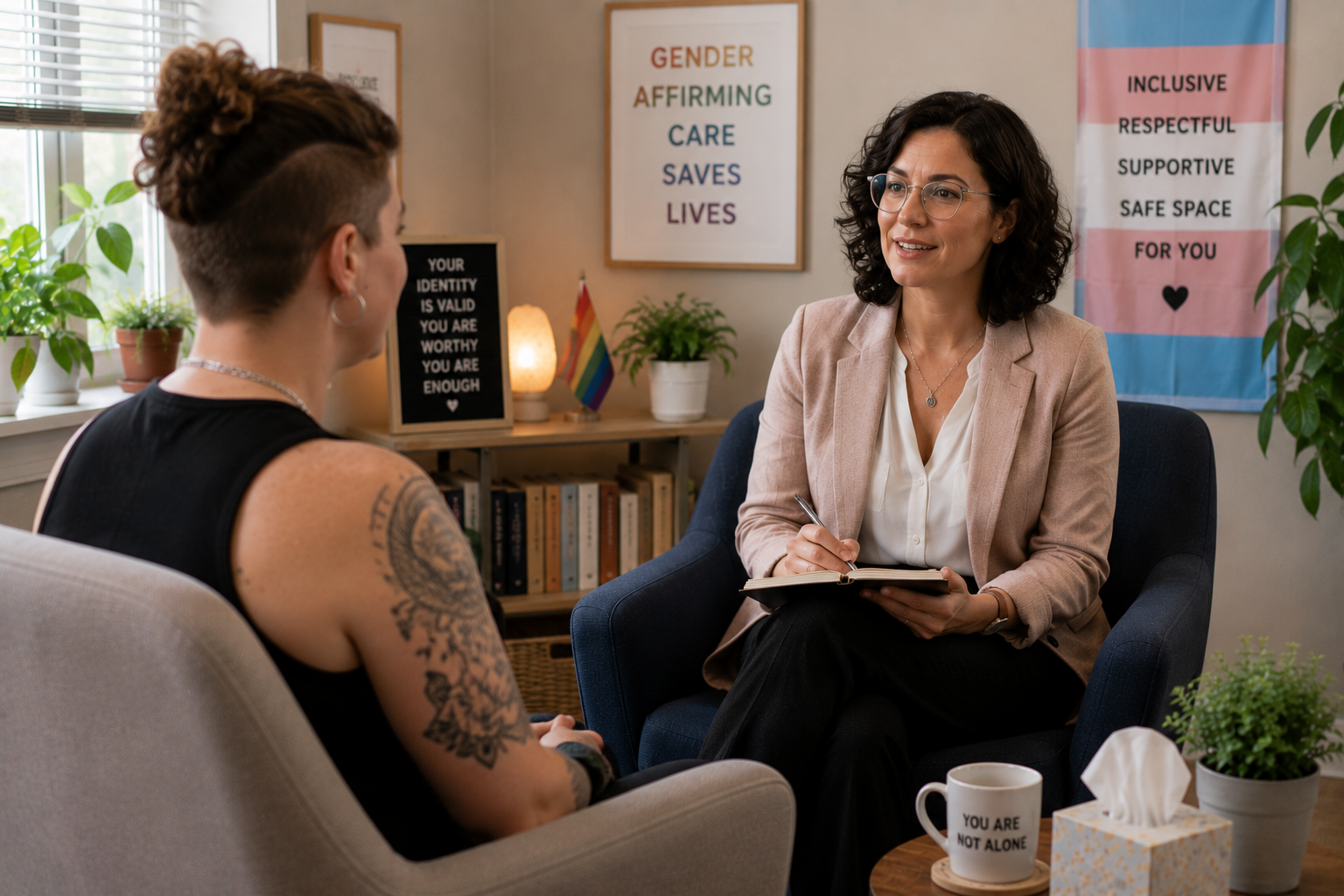
An LGBT-affirming therapist answering a prospective client's questions during an initial consultation in a Chicago counseling office.

Choosing the right therapist starts with asking thoughtful questions that help you understand their experience, communication style, and approach to LGBTQ-affirming care. During an initial consultation, ask about the therapist's experience working with LGBTQ clients, the evidence-based therapies they use, how they create an inclusive environment, what to expect during treatment, and how they measure progress. It is also helpful to discuss scheduling, insurance, confidentiality, and treatment goals. While credentials and clinical expertise are important, the therapeutic relationship plays an equally significant role in successful outcomes. You should feel respected, comfortable asking questions, and confident that your therapist understands your experiences without making assumptions. The right therapist will encourage open communication, collaborate with you throughout treatment, and tailor care to your individual needs. Taking time to ask these questions can help you choose a therapist who supports your emotional wellbeing, personal growth, and long-term mental health.

What Qualifications Should an LGBT Therapist Have?

Finding the right therapist involves looking beyond a directory listing or online profile. Understanding a therapist's qualifications can help you make a more informed decision.

Professional Licensure

Choose a licensed mental health professional who has completed the education, supervision, and training required by their licensing board. Licensure demonstrates adherence to professional and ethical standards.

Experience Working With LGBTQ Clients

Clinical experience matters. Therapists who regularly work with LGBTQ individuals often have greater familiarity with concerns such as minority stress, identity exploration, family relationships, anxiety, depression, trauma, and life transitions.

LGBTQ-Affirming Training

An affirming therapist understands that identity is not a problem to solve. Instead, they provide respectful, culturally competent care that supports each client's unique experiences and goals.

Evidence-Based Therapy

Effective therapists use research-supported treatment approaches such as Cognitive Behavioral Therapy (CBT), Acceptance and Commitment Therapy (ACT), mindfulness practices, trauma-informed care, and other interventions based on each client's needs.

Commitment to Continuing Education

Mental health care continues to evolve. Therapists who regularly participate in continuing education stay informed about current research and best practices for supporting diverse communities.

Ethical Standards

Professional therapists prioritize confidentiality, informed consent, respectful communication, and collaborative treatment planning to create a safe and trustworthy therapeutic environment.

At Wellman Psychology, our LGBT Therapist Chicago services are grounded in evidence-based care, compassion, and an ongoing commitment to providing affirming support for every client.

What Questions Should You Ask During Your First Consultation?

An initial consultation is an opportunity to learn about the therapist while also deciding whether you feel comfortable working together. Remember that therapy is a partnership, and asking questions is both appropriate and encouraged.

What Experience Do You Have Working With LGBTQ Clients?

Understanding a therapist's experience helps you determine whether they are familiar with the unique challenges that LGBTQ individuals may face.

What Therapy Approaches Do You Use?

Ask about the therapeutic methods they commonly use and how they decide which approaches are most appropriate for each client.

What Should I Expect During Therapy?

Learning about session structure, treatment planning, and expected timelines can help reduce uncertainty before beginning therapy.

How Do You Create an Inclusive Environment?

A therapist should be able to explain how they provide affirming, respectful care while recognizing each client's unique experiences and identity.

How Do You Measure Progress?

Discuss how treatment goals are established and how progress will be reviewed throughout therapy.

What Are Your Scheduling, Fees, and Insurance Policies?

Understanding practical details ahead of time helps you make informed decisions and reduces unnecessary stress later.

A consultation should leave you feeling informed, respected, and comfortable asking additional questions. Trust your instincts throughout the process and remember that finding the right therapist is worth taking the time to do carefully.

How Do You Know if a Therapist Is the Right Fit? (PAA)

Finding a therapist with the right qualifications is important, but credentials alone do not determine whether someone is the best fit for your needs. A strong therapeutic relationship is one of the biggest factors in successful counseling. During your first few sessions, pay attention to how you feel. Do you feel comfortable sharing your thoughts? Do you feel respected, heard, and accepted? These questions can help you decide whether the relationship feels supportive.

You Feel Emotionally Safe

A good therapist creates an environment where you can discuss personal experiences without fear of judgment. Emotional safety allows you to explore difficult topics openly and honestly.

You Feel Heard and Respected

Your therapist should actively listen, validate your experiences, and avoid making assumptions about your identity or relationships. Feeling respected builds trust and encourages meaningful conversations.

Communication Feels Natural

You should feel comfortable asking questions, expressing concerns, and providing feedback during therapy. Open communication strengthens the therapeutic partnership and supports better outcomes.

Your Goals Are Shared

Effective therapy is collaborative. Your therapist should work with you to establish realistic goals and adjust your treatment plan as your needs evolve.

You Leave Sessions Feeling Supported

While therapy can involve difficult emotions, you should generally leave sessions feeling understood, hopeful, and confident that you are working toward meaningful progress.

At Wellman Psychology, our LGBT Therapist Chicago services are designed to create a welcoming, collaborative environment where every client feels empowered to grow at their own pace.

Why Is LGBTQ-Affirming Care Important?

Affirming therapy goes beyond providing general mental health support. It recognizes the unique experiences many LGBTQ individuals face and offers care that respects identity while addressing emotional well-being.

It Creates an Inclusive Environment

Affirming therapists use respectful language, recognize diverse identities, and create a space where clients can be themselves without fear of judgment.

It Recognizes Minority Stress

Experiences such as discrimination, stigma, or rejection can affect mental health over time. LGBTQ-affirming therapists understand these challenges and incorporate them into treatment when appropriate.

It Supports Identity Exploration

Whether someone is exploring their identity or already feels confident in who they are, affirming therapy provides space for honest conversations without pressure or assumptions.

It Encourages Personalized Care

Every person's experiences are different. Affirming therapists tailor treatment plans to each client's goals, strengths, and individual circumstances rather than using a one-size-fits-all approach.

It Improves Therapeutic Outcomes

Research consistently shows that clients who feel respected, understood, and emotionally safe are more likely to actively participate in therapy and experience positive long-term results.

Why Choose Wellman Psychology?

At Wellman Psychology, we believe every individual deserves compassionate, affirming mental health care that recognizes their unique experiences and supports their personal goals. We understand that beginning therapy can feel like a significant decision, which is why we prioritize creating a welcoming environment where every client feels heard, respected, and valued.

Our therapists provide evidence-based, LGBTQ-affirming care tailored to your individual needs. We take time to understand your concerns, strengths, and priorities before developing a personalized treatment plan designed to support lasting emotional well-being.

Through our LGBT Therapist Chicago services, we help clients navigate anxiety, depression, trauma, identity exploration, relationship concerns, life transitions, and everyday stress with professionalism and compassion. Our collaborative approach empowers clients to develop healthier coping strategies, strengthen resilience, and build greater confidence in themselves.

Whether you are seeking therapy for the first time or returning after previous counseling, we are honored to support you throughout your mental health journey.

Final Thoughts

Choosing a therapist is a personal decision that deserves careful consideration. Asking the right questions helps you understand a therapist's experience, treatment style, and approach while allowing you to determine whether you feel comfortable working together.

Remember that therapy is about more than professional credentials. It is about finding someone who listens, respects your experiences, and provides affirming, evidence-based care that supports your goals. Taking time to choose the right therapist can lay the foundation for meaningful growth, healthier relationships, and lasting emotional well-being.

Everyone deserves access to mental health care where they feel safe, accepted, and empowered to thrive.

Schedule an Appointment

If you are ready to connect with an affirming mental health professional, Wellman Psychology is here to help. Our experienced therapists provide personalized, evidence-based care in a welcoming environment where you can explore your experiences, strengthen your emotional well-being, and work toward your personal goals.

Schedule an appointment today to learn how our LGBT Therapist Chicago services can support your journey with compassion, understanding, and expert care.

Follow Wellman Psychology for additional mental health resources and updates:



Find out more articles that can help you below:

LGBTQ Counseling for Anxiety, Depression, and Everyday Stress

Have you ever felt emotionally exhausted from carrying stress that others may not fully understand? Life can be challenging for anyone, but members of the LGBTQ community often navigate additional pressures related to identity, acceptance, discrimination, and relationships. These experiences can contribute to anxiety, depression, and everyday stress that affect work, school, friendships, and overall wellbeing. If you are searching for information about LGBTQ Counseling for Anxiety, Depression, and Everyday Stress, you are already taking an important step toward understanding how affirming mental health care can help. At Wellman Psychology, we believe everyone deserves a safe, welcoming space where they can openly discuss their experiences without fear of judgment. Our goal is to provide compassionate, evidence-based therapy that helps individuals strengthen resilience, improve emotional wellbeing, and live more authentically.

LGBTQ Counseling for Anxiety, Depression, and Everyday Stress

An LGBTQ-affirming therapist speaking with a client about managing anxiety, depression, and everyday stress in a welcoming counseling office.

LGBTQ counseling provides affirming mental health care that helps individuals navigate anxiety, depression, and the everyday stressors that can arise from personal challenges, relationships, identity exploration, discrimination, or major life transitions. While therapy is often associated with severe mental health conditions, it is equally valuable for people who simply want support managing daily stress, improving self-confidence, or building healthier coping strategies. LGBTQ-affirming therapists recognize that every person's experiences are unique and understand how social stigma, minority stress, and family or workplace challenges may influence emotional wellbeing. Counseling provides a confidential environment where clients can process difficult emotions, develop practical coping skills, strengthen resilience, and work toward meaningful personal goals. Therapy may also help improve communication, relationships, emotional regulation, and overall quality of life. Seeking support is not a sign of weakness. It is an investment in your mental health and future wellbeing. With compassionate, evidence-based care, LGBTQ counseling empowers individuals to better understand themselves while building confidence, emotional balance, and lasting resilience regardless of where they are in life's journey.

Why Do LGBTQ Individuals Experience Higher Rates of Anxiety and Depression?

Research consistently shows that LGBTQ individuals experience higher rates of anxiety and depression than the general population. This does not mean that being LGBTQ causes mental health conditions. Instead, many emotional challenges develop because of external stressors and social experiences.

Minority Stress

Minority stress refers to the ongoing emotional burden created by prejudice, discrimination, social stigma, and fear of rejection. Living with these stressors over time can increase anxiety and emotional exhaustion.

Discrimination

Experiencing discrimination at work, school, or in public settings can significantly affect confidence and mental well-being. Even subtle forms of bias may contribute to chronic stress.

Family Rejection

Supportive relationships play an important role in emotional health. When individuals experience rejection from family members because of their sexual orientation or gender identity, feelings of loneliness, grief, and depression may develop.

Social Isolation

Some people struggle to find accepting communities where they feel safe expressing themselves. Isolation can increase emotional distress and reduce opportunities for meaningful connection.

Internalized Stigma

Growing up in environments where LGBTQ identities are misunderstood or criticized may cause individuals to internalize negative beliefs about themselves, leading to shame, low self-esteem, or self-doubt.

At Wellman Psychology, our LGBTQ Counseling Chicago services help clients understand these experiences while building practical skills to manage stress and strengthen emotional resilience.

Can LGBTQ Counseling Help With Everyday Stress?

Absolutely. Therapy is not reserved for moments of crisis. Many people begin counseling because they want additional support handling everyday challenges before they become overwhelming.

LGBTQ counseling can help with:

Workplace Stress

Balancing professional responsibilities while navigating workplace dynamics or concerns about acceptance can be emotionally draining. Therapy provides strategies for managing stress, improving confidence, and establishing healthy boundaries.

Academic Pressure

Students often face academic expectations alongside identity exploration, social pressures, and future planning. Counseling offers tools for managing anxiety and improving emotional balance.

Relationship Challenges

Whether you are navigating dating, long-term partnerships, friendships, or family relationships, therapy can improve communication, strengthen boundaries, and encourage healthier connections.

Major Life Transitions

Life changes such as moving, starting college, changing careers, entering new relationships, or coming out can create uncertainty. Counseling provides stability and guidance during these transitions.

Self-Esteem

Many individuals seek therapy to build greater confidence and develop a healthier relationship with themselves. Through affirming support, clients learn to challenge self-critical thoughts and recognize their strengths.

Healthy Coping Skills

Rather than relying on avoidance or unhealthy habits, therapy teaches practical ways to manage difficult emotions, reduce stress, and improve resilience.

Counseling helps individuals respond to life's challenges with greater confidence while supporting long-term emotional well-being.

What Happens During LGBTQ Counseling Sessions?

Beginning therapy can feel intimidating if you have never worked with a therapist before. Understanding what to expect often makes the process feel more comfortable.

During your first few sessions, your therapist will take time to learn about your experiences, concerns, goals, and the challenges you would like to address. Therapy is collaborative, meaning you and your therapist work together to create a treatment plan that reflects your unique needs rather than following a one-size-fits-all approach.

Your therapist may use evidence-based methods such as Cognitive Behavioral Therapy (CBT), Acceptance and Commitment Therapy (ACT), mindfulness techniques, trauma-informed therapy, or other approaches that best support your goals. Sessions may focus on understanding emotions, developing healthier coping strategies, improving communication, strengthening relationships, or building self-confidence.

Most importantly, LGBTQ counseling provides a confidential, affirming environment where you can openly discuss your experiences without fear of judgment or misunderstanding. At Wellman Psychology, our LGBTQ Counseling Chicago services are centered on creating a space where every client feels respected, valued, and empowered.

How Can Therapy Improve Overall Mental Wellbeing?

Mental health is about more than reducing symptoms of anxiety or depression. It also involves feeling connected to yourself, building healthy relationships, and having the confidence to face life's challenges. LGBTQ-affirming counseling supports every aspect of emotional wellbeing by helping individuals understand their experiences and develop practical skills for long-term resilience.

Reduces Anxiety

Anxiety often develops when stress feels constant or overwhelming. Therapy helps identify the thoughts, situations, and behaviors that contribute to anxiety while teaching practical techniques to manage it. Learning relaxation strategies, mindfulness, and healthy coping skills can help you feel more in control of your emotions.

Improves Mood

Depression can make everyday activities feel exhausting and diminish interest in things you once enjoyed. Counseling provides a supportive space to process difficult emotions, explore underlying causes, and gradually rebuild motivation and hope. Small, consistent changes often lead to meaningful improvements over time.

Strengthens Self-Esteem

Many LGBTQ individuals have experienced criticism, rejection, or discrimination that affects their confidence. Therapy encourages self-acceptance by helping clients challenge negative beliefs and recognize their strengths. Developing a healthier self-image can improve nearly every area of life.

Builds Healthier Relationships

Healthy relationships begin with healthy communication. Counseling helps individuals express their needs, establish appropriate boundaries, resolve conflict, and build stronger connections with partners, family members, friends, and coworkers.

Develops Better Coping Skills

Everyone experiences stress, but therapy provides practical tools for responding in healthier ways. Rather than feeling overwhelmed by difficult emotions, clients learn strategies that promote resilience, emotional regulation, and effective problem-solving.

Encourages Self-Acceptance

One of the greatest benefits of affirming therapy is having a space where your identity is respected without question. Feeling accepted allows you to focus on your personal goals instead of worrying about being judged or misunderstood.

Supports Long-Term Emotional Wellness

Therapy is not only about addressing current challenges. It also prepares individuals for future changes by strengthening emotional resilience and confidence. The skills learned in counseling often continue benefiting clients long after therapy has ended.

Why Choose Wellman Psychology?

At Wellman Psychology, we believe every person deserves compassionate, affirming mental health care that recognizes and respects their unique identity, experiences, and goals. We understand that reaching out for therapy can feel like a vulnerable step, and we are committed to making that experience as welcoming and supportive as possible.

Our therapists provide evidence-based, LGBTQ-affirming care in an inclusive environment where clients can openly discuss their concerns without fear of judgment. We recognize that anxiety, depression, stress, trauma, relationship concerns, and identity exploration affect everyone differently. That is why we create personalized treatment plans that reflect each client's individual needs rather than relying on a one-size-fits-all approach.

When you choose our LGBTQ Counseling Chicago services, you will work with professionals who value collaboration, respect, and trust. We focus on helping clients strengthen emotional resilience, improve communication, develop healthier coping strategies, and build lasting confidence while honoring every stage of their personal journey.

Whether you are experiencing anxiety, depression, everyday stress, or simply looking for a safe place to grow, we are here to support you with compassionate care that empowers you to move forward with greater clarity and confidence.

Final Thoughts

Living with anxiety, depression, or ongoing stress can feel overwhelming, especially when your experiences are shaped by challenges that others may not fully understand. The good news is that you do not have to face those challenges alone.

LGBTQ Counseling for Anxiety, Depression, and Everyday Stress offers more than symptom relief. It provides a safe, affirming space where you can explore your experiences, strengthen emotional resilience, improve relationships, and develop practical skills that support long-term wellbeing.

Seeking therapy is not a sign that something is wrong with you. It is a proactive investment in your mental health, your relationships, and your future. Everyone deserves compassionate care that honors who they are while helping them build a healthier, more fulfilling life.

No matter where you are on your journey, healing, growth, and self-acceptance are possible with the right support.

Schedule an Appointment

If anxiety, depression, or everyday stress is affecting your quality of life, Wellman Psychology is here to help. Our compassionate therapists provide personalized, LGBTQ-affirming care in a safe and welcoming environment where you can feel heard, respected, and supported.

Schedule an appointment today to connect with our experienced team and take the next step toward greater emotional well-being, stronger resilience, and lasting personal growth. We look forward to supporting you on your journey to better mental health.

Follow Wellman Psychology for additional mental health resources and updates:

Find out more articles that can help you below:

What Does a Gender Therapist in Chicago Do?

Have you been looking for someone who can support you while exploring your gender identity or navigating related challenges? Whether you are questioning your identity, experiencing emotional stress, or simply looking for a safe space to better understand yourself, finding the right therapist can make a meaningful difference. If you have been asking What does a Gender Therapist in Chicago Do?, you are not alone. At Wellman Psychology, we believe everyone deserves compassionate, affirming mental health care that respects their identity and personal experiences. Gender therapy is not about telling you who you should be or what decisions to make. Instead, it provides a supportive environment where you can explore your thoughts, emotions, and goals while developing healthy coping strategies. In this guide, we explain the role of a gender therapist, who may benefit from gender-affirming care, and what you can expect throughout the therapeutic process.

What Does a Gender Therapist in Chicago Do?

Gender therapist discussing identity exploration and mental health support with an adult client.

A gender therapist provides compassionate, evidence-based mental health support for individuals exploring, understanding, or expressing their gender identity. Therapy offers a safe and confidential environment where clients can discuss questions about identity, emotional well-being, relationships, family dynamics, life transitions, or experiences with discrimination without fear of judgment. Gender therapists also help individuals manage anxiety, depression, stress, trauma, and other mental health concerns that may or may not be related to gender identity. Rather than encouraging any specific outcome, an affirming therapist supports each client's personal goals while respecting their unique experiences, values, and pace. Treatment is personalized and may include emotional regulation skills, stress management strategies, communication techniques, and evidence-based therapeutic approaches tailored to individual needs. The goal is to help clients gain greater self-understanding, improve emotional well-being, strengthen resilience, and make informed decisions that align with their authentic selves. Gender therapy is ultimately about creating a supportive partnership that empowers individuals to live healthier, more fulfilling lives.

Who Can Benefit From Seeing a Gender Therapist?

Gender therapy is not limited to one group of people. Individuals seek support for many different reasons, and every person's journey is unique.

Exploring Gender Identity

Some people are questioning their gender identity and want a safe place to discuss their thoughts and experiences. Therapy provides an opportunity to explore these questions without pressure or judgment.

Experiencing Gender Dysphoria

For individuals experiencing distress related to the difference between their gender identity and assigned sex at birth, therapy can provide emotional support and practical coping strategies.

Managing Anxiety or Depression

Many people seek therapy because they are experiencing anxiety, depression, or stress. While these concerns may or may not be connected to gender identity, a gender-affirming therapist can provide personalized mental health support.

Navigating Family Relationships

Family conversations can sometimes feel difficult or emotionally overwhelming. Therapy may help individuals develop communication skills, establish healthy boundaries, and navigate complex family dynamics.

Relationship Challenges

Partners may face questions about communication, identity, intimacy, or life transitions. Counseling provides a supportive environment to strengthen understanding and improve relationships.

Building Confidence

Gender therapy can help individuals develop greater self-confidence, improve emotional resilience, and build a stronger sense of self-acceptance.

At Wellman Psychology, our Gender Therapist Chicago services are designed to support individuals wherever they are in their personal journey with compassion, respect, and evidence-based care.

Can a Gender Therapist Help With Gender Identity Exploration?

Yes. One of the primary roles of a gender therapist is to provide a supportive environment where individuals can explore their gender identity openly and honestly. Identity exploration is a deeply personal process, and every person's experience is unique.

A Safe Space for Honest Conversations

Therapy provides a confidential environment where you can discuss your thoughts, feelings, and questions without fear of criticism or pressure.

Encouraging Self-Discovery

Rather than directing your decisions, a gender therapist helps you better understand your own experiences, values, and goals. The focus remains on helping you make choices that feel authentic to you.

Building Confidence

Many individuals experience uncertainty while exploring identity. Therapy supports confidence by helping clients recognize their strengths, clarify personal values, and develop healthy coping skills.

Navigating the Coming Out Process

Coming out is a personal decision that looks different for everyone. Therapy can help individuals prepare emotionally, consider different situations, and build communication strategies for conversations with family, friends, or coworkers.

Supporting Emotional Wellbeing

Identity exploration can sometimes bring anxiety, uncertainty, or emotional stress. Therapy provides tools to manage these emotions while promoting resilience and self-compassion.

Strengthening Self-Acceptance

Perhaps one of the greatest benefits of gender therapy is developing greater self-understanding. As individuals become more comfortable with their authentic selves, many also experience improved confidence, stronger relationships, and greater emotional well-being.

At Wellman Psychology, we believe every individual deserves the opportunity to explore their identity in a respectful, affirming environment where they feel supported throughout every stage of their journey.


Do You Need Gender Dysphoria to See a Gender Therapist?

No. You do not need to experience gender dysphoria to benefit from working with a gender therapist. While some people seek therapy because they are experiencing distress related to their gender identity, many others pursue counseling for reasons that extend beyond dysphoria. Gender therapy is designed to support individuals wherever they are in their personal journey.

Some people begin therapy because they are questioning their identity and want a safe place to explore their thoughts. Others seek guidance during life transitions, relationship changes, family conversations, or while managing stress, anxiety, or depression. Therapy can also be valuable for individuals who simply want to better understand themselves and build greater confidence.

Working with a Gender Therapist Chicago professional means receiving care that is personalized to your unique goals rather than following a predetermined path. Sessions are collaborative, allowing you to move at your own pace while exploring topics that matter most to you. Whether you are seeking clarity, emotional support, or personal growth, gender-affirming therapy provides a respectful environment where your experiences and identity are valued.

What Happens During Gender Therapy?

If you have never attended therapy before, it is natural to wonder what your first appointment will be like. Every therapist has a unique style, but most gender therapy follows a collaborative and client-centered approach.

A Confidential and Welcoming Space

Your sessions are designed to be a place where you can speak openly about your experiences, emotions, relationships, and goals. Confidentiality helps create the trust needed for meaningful conversations.

Personalized Treatment Planning

There is no one-size-fits-all approach to gender therapy. During your first few sessions, your therapist will work with you to understand your concerns, strengths, and objectives before creating a personalized treatment plan.

Evidence-Based Therapy Techniques

Depending on your needs, therapy may include Cognitive Behavioral Therapy (CBT), Acceptance and Commitment Therapy (ACT), mindfulness practices, trauma-informed care, or other evidence-based approaches. These methods help clients manage emotions, reduce stress, and build healthier coping strategies.

Goal Setting

Therapy is most effective when guided by clear goals. Together, you and your therapist may focus on improving emotional well-being, strengthening relationships, increasing self-confidence, navigating life transitions, or developing practical coping skills.

Emotional Regulation and Coping Skills

Many clients learn strategies for managing anxiety, handling difficult emotions, improving communication, and responding to stressful situations in healthier ways. These skills often continue benefiting clients long after therapy has ended.

Ongoing Support

Growth takes time. Gender therapy provides consistent support as you continue learning about yourself, overcoming challenges, and making decisions that align with your values and personal goals.

Why Choose Wellman Psychology?

At Wellman Psychology, we believe every individual deserves compassionate, affirming care that respects their identity and life experiences. We understand that beginning therapy can feel like a significant step, and we are committed to creating an environment where every client feels welcomed, heard, and supported.

Our therapists provide evidence-based, gender-affirming mental health care tailored to each person's unique needs. Rather than making assumptions or encouraging a particular path, we work collaboratively with clients to understand their experiences and develop treatment plans that reflect their personal goals and values.

Through our Gender Therapist Chicago services, we help individuals navigate identity exploration, anxiety, depression, trauma, relationship concerns, family dynamics, life transitions, and everyday stress with compassion and professional expertise. We are dedicated to helping clients build resilience, strengthen emotional well-being, and develop greater confidence in themselves.

Whether you are exploring your identity, looking for emotional support, or simply seeking a safe place to talk, we are honored to be part of your journey.

Final Thoughts

Understanding what a Gender Therapist in Chicago does begins with recognizing that therapy is about supporting your personal growth, emotional well-being, and authentic self. Gender therapists provide a safe, respectful, and collaborative space where individuals can explore identity, navigate challenges, and build practical skills for everyday life.

There is no right or wrong reason to seek therapy. Whether you are questioning your identity, managing anxiety, strengthening relationships, or simply looking for greater clarity, professional support can help you move forward with confidence and self-compassion.

Choosing a therapist who understands your experiences and respects your individuality can make a meaningful difference in your mental health journey.

Schedule an Appointment

If you are looking for compassionate, gender-affirming mental health care, Wellman Psychology is here to support you. Our experienced therapists provide personalized, evidence-based care in a welcoming environment where you can explore your experiences, strengthen emotional well-being, and work toward your goals with confidence.

Schedule an appointment today to learn how our Gender Therapist Chicago services can support your journey toward greater self-understanding, resilience, and lasting emotional wellness.

Follow Wellman Psychology for additional mental health resources and updates:

Find out more articles that can help you below:

How to Find the Right LGBT Therapist in Chicago for Your Needs

Have you ever wondered how to find a therapist who truly understands your experiences and makes you feel safe enough to be yourself? Searching for the right mental health professional can feel overwhelming, especially when you want someone who respects your identity, listens without judgment, and provides care that reflects your unique needs. If you have been searching for how to find the right LGBT Therapist in Chicago for your needs, you are already taking an important step toward improving your emotional well-being. At Wellman Psychology, we believe therapy should be a place where every individual feels welcomed, affirmed, and supported. Finding the right therapist is not just about credentials. It is about building a trusting relationship with someone who understands your goals and helps you navigate life's challenges with compassion and evidence-based care. In this guide, we explain what to look for in an LGBT-affirming therapist, what questions to ask, and how to choose a provider who feels like the right fit for you.

How to Find the Right LGBT Therapist in Chicago for Your Needs

An LGBT-affirming therapist speaking with a client in a welcoming counseling office in Chicago.

Finding the right LGBT therapist begins with choosing someone who makes you feel respected, understood, and emotionally safe. While professional credentials and clinical experience are important, the quality of the therapeutic relationship often has the greatest impact on successful outcomes. Look for a therapist who offers LGBTQ-affirming, culturally competent care and has experience supporting individuals with concerns such as anxiety, depression, trauma, relationship issues, identity exploration, and life transitions. Reading therapist profiles, reviewing specialties, scheduling an initial consultation, and asking thoughtful questions can help you determine whether a therapist's communication style and treatment approach match your needs. Therapy should feel collaborative rather than judgmental, allowing you to openly discuss your experiences while working toward meaningful personal goals. Remember that it is perfectly acceptable to meet with more than one therapist before deciding who feels like the best fit. Choosing someone you trust creates the foundation for long-term healing, personal growth, and emotional well-being.

What Should You Look for in an LGBT Therapist?

Finding the right therapist involves more than searching online or choosing the first available provider. The goal is to find someone who understands your experiences and creates a safe, affirming environment where you can focus on healing and growth.

An LGBTQ-Affirming Approach

An affirming therapist recognizes and respects every client's sexual orientation and gender identity without making assumptions or asking clients to educate them. Their focus is on supporting your goals while honoring your lived experiences.

Professional Credentials

Choose a licensed mental health professional with appropriate education, training, and experience. Professional credentials demonstrate that the therapist meets established standards of clinical practice and ethical care.

Experience Working With LGBTQ Clients

Experience matters. Therapists who regularly work with LGBTQ individuals often have a deeper understanding of challenges such as coming out, minority stress, identity exploration, discrimination, family dynamics, and relationship concerns.

Evidence-Based Therapy

Effective therapy combines compassion with proven treatment approaches. Depending on your needs, your therapist may use Cognitive Behavioral Therapy (CBT), Acceptance and Commitment Therapy (ACT), trauma-informed therapy, mindfulness techniques, or other research-supported interventions.

Communication Style

Every therapist communicates differently. Some are more structured, while others take a conversational approach. During an initial consultation, consider whether you feel heard, respected, and comfortable asking questions.

Feeling Safe and Respected

Perhaps the most important factor is how you feel during your sessions. Trust your instincts. If you feel accepted and emotionally safe, you are more likely to engage openly in the therapeutic process.

At Wellman Psychology, our LGBT Therapist Chicago services are built on compassion, respect, and personalized care that supports each individual's unique experiences and goals.

How Do You Know if a Therapist Is LGBTQ Affirming?

Not every therapist has the same level of experience or training in LGBTQ-affirming care. Fortunately, there are several signs that can help you identify whether a therapist is likely to provide an inclusive and supportive environment.

They Use Inclusive Language

Affirming therapists avoid assumptions about relationships, gender identity, or sexual orientation. They use respectful language and ask thoughtful questions rather than making conclusions.

They Respect Your Identity

Your identity should never be questioned, minimized, or treated as a problem that needs to be fixed. An affirming therapist recognizes identity as an important part of who you are and provides care that supports your authentic self.

They Maintain Confidentiality

Feeling safe requires trust. Professional therapists follow strict confidentiality standards so clients can openly discuss personal experiences without fear that private information will be shared.

They Demonstrate Cultural Competence

LGBTQ-affirming therapists continue learning about the experiences, challenges, and strengths of diverse communities. They recognize that every individual's background is unique and avoid one-size-fits-all assumptions.

They Work Collaboratively

Rather than directing every decision, affirming therapists partner with clients to develop treatment goals and strategies that reflect each person's values, preferences, and needs.

They Create a Nonjudgmental Environment

One of the clearest signs of affirming care is how you feel during your sessions. You should feel accepted, listened to, and encouraged to explore your experiences honestly without fear of criticism or rejection.

At Wellman Psychology, we are committed to providing inclusive, evidence-based care where every client feels respected, valued, and empowered throughout their mental health journey.

What Questions Should You Ask During a Consultation?

An initial consultation is an excellent opportunity to learn whether a therapist is the right fit for your needs. You do not have to make a decision after the first conversation. Instead, use this time to ask questions that help you understand the therapist's experience, treatment style, and approach to care.

Consider asking questions such as:

  • What experience do you have working with LGBTQ clients?

  • What therapy approaches do you typically use?

  • How do you create an affirming and inclusive environment?

  • Have you helped clients with concerns similar to mine?

  • What can I expect during our first few sessions?

  • How do we measure progress in therapy?

  • Do you offer in-person, virtual, or hybrid appointments?

  • What are your fees, insurance options, and scheduling policies?

The answers to these questions can help you determine whether the therapist's communication style, expertise, and values align with your expectations. You should leave the consultation feeling respected, informed, and comfortable asking additional questions.

At Wellman Psychology, our LGBT therapist services in Chicago begin with getting to know you. We believe every client deserves personalized care that reflects their goals, experiences, and individual strengths.

Why Does the Therapist-Client Relationship Matter?

Research consistently shows that one of the strongest predictors of successful therapy is the quality of the relationship between the client and therapist. Even the most effective treatment techniques work best when they are supported by trust, collaboration, and open communication.

Trust Creates Emotional Safety

Healing often requires discussing deeply personal experiences. Feeling emotionally safe allows clients to speak honestly without worrying about being judged or misunderstood.

Communication Builds Progress

Therapy works best when clients feel comfortable sharing feedback, asking questions, and discussing concerns as they arise. Open communication helps ensure treatment continues meeting your needs.

Collaboration Supports Growth

Therapy is a partnership. Your therapist brings professional knowledge, while you bring expertise about your own experiences, values, and goals. Together, you develop strategies that support meaningful progress.

Respect Encourages Confidence

Feeling respected and accepted allows many clients to develop greater self-confidence, improve relationships, and strengthen emotional resilience over time.

Consistency Leads to Lasting Change

Healing rarely happens overnight. A trusting therapeutic relationship provides ongoing support as you navigate challenges, celebrate progress, and continue developing healthier coping skills.

If you ever feel that a therapist is not the right fit, it is perfectly acceptable to seek another provider. Finding the right connection is an important part of the healing process.

Why Choose Wellman Psychology?

At Wellman Psychology, we believe every individual deserves affirming, compassionate mental health care that honors their identity and personal experiences. We understand that choosing a therapist is an important decision, and we are committed to creating an environment where clients feel welcomed, respected, and supported from the very first conversation.

Our therapists provide evidence-based, LGBTQ-affirming care tailored to each person's unique goals and challenges. We take time to understand your experiences before developing an individualized treatment plan that reflects your strengths, values, and priorities.

Through our LGBT Therapist Chicago services, we support clients experiencing anxiety, depression, trauma, relationship concerns, identity exploration, life transitions, and everyday stress. Our collaborative approach focuses on helping individuals build resilience, strengthen emotional well-being, and create meaningful, lasting change.

Whether you are beginning therapy for the first time or returning after previous counseling, we are here to provide compassionate guidance every step of the way.

Final Thoughts

Finding the right therapist is one of the most important investments you can make in your emotional well-being. Understanding how to find the right LGBT Therapist in Chicago begins with recognizing that you deserve care that is affirming, respectful, and tailored to your unique experiences.

Take time to research providers, ask thoughtful questions, and trust your instincts throughout the process. The right therapist will not only have the appropriate professional qualifications but will also help you feel safe, heard, and empowered as you work toward your goals.

Therapy is not about changing who you are. It is about helping you better understand yourself, strengthen your mental health, and build the confidence to live authentically.

Schedule an Appointment

If you are ready to connect with an affirming therapist who understands your experiences, Wellman Psychology is here to help. Our compassionate team provides personalized, evidence-based care in a welcoming environment where you can explore your goals and move toward greater emotional well-being.

Schedule an appointment today to learn how our LGBT Therapist Chicago services can support your journey with confidence, compassion, and expert care.

Follow Wellman Psychology for additional mental health resources and updates:
Find out more articles that can help you below:

When Should You Consider LGBTQ Counseling in Chicago?

Have you been wondering whether it is the right time to talk to someone who truly understands your experiences? Many people wait until they feel completely overwhelmed before reaching out for support, but therapy does not have to be a last resort. If you have been asking “When Should You Consider LGBTQ Counseling in Chicago?”, you are already taking an important first step toward understanding your emotional well-being. At Wellman Psychology, we believe everyone deserves a safe, affirming space where they can explore their thoughts, emotions, relationships, and identity without fear of judgment. Whether you are navigating anxiety, depression, coming out, relationship challenges, gender identity questions, or simply looking for personal growth, LGBTQ-affirming counseling can provide meaningful guidance. In this article, we explain when therapy may be helpful, what to expect from the counseling process, and how compassionate support can help you build confidence, resilience, and emotional wellbeing.

When Should You Consider LGBTQ Counseling in Chicago?

An LGBTQ-affirming therapist meeting with a client in Chicago to discuss identity, emotional wellbeing, and personal growth.

You should consider LGBTQ counseling whenever emotional challenges begin affecting your daily life, relationships, work, school, or overall wellbeing. Therapy is not only for moments of crisis. It can also provide valuable support during periods of change, self-discovery, or personal growth. Many individuals seek counseling while exploring their sexual orientation or gender identity, coping with anxiety or depression, managing relationship difficulties, recovering from discrimination or trauma, or navigating family conflict. Others simply want a safe place where they can openly discuss their experiences with a therapist who understands LGBTQ-related concerns. Affirming counseling focuses on helping individuals develop healthy coping skills, strengthen self-confidence, improve communication, and build resilience while honoring each person's unique identity and experiences. Because every individual has different goals and challenges, therapy is personalized to meet those specific needs. Seeking professional support early can often prevent emotional difficulties from becoming more overwhelming and provide practical strategies for navigating life's challenges with greater confidence and self-compassion.

What Are the Signs You Could Benefit From LGBTQ Counseling?

Everyone's mental health journey is different, but certain experiences may indicate that professional support could be helpful.

Persistent Anxiety

If you frequently feel worried, overwhelmed, or constantly on edge, therapy can help identify the underlying causes of anxiety and teach practical coping strategies.

Depression or Low Mood

Persistent sadness, loss of motivation, feelings of hopelessness, or withdrawing from activities you once enjoyed are important signs that emotional support may be beneficial.

Chronic Stress

Managing work, school, family expectations, relationships, and social pressures can become emotionally exhausting. Counseling offers healthy ways to reduce stress and improve emotional balance.

Relationship Challenges

Communication difficulties, trust issues, dating concerns, or navigating healthy boundaries are common reasons many people seek therapy.

Low Self-Esteem

Experiences such as discrimination, rejection, or negative societal messages may affect confidence and self-worth. Therapy can help strengthen self-acceptance and develop a healthier self-image.

Feeling Isolated

Some individuals struggle to find supportive spaces where they feel fully accepted. Counseling provides a confidential environment where clients can openly share their experiences.

At Wellman Psychology, our LGBTQ Counseling Chicago services provide compassionate, affirming support that recognizes each person's unique journey and goals.

Can LGBTQ Counseling Help With Identity Exploration?

Yes. Identity exploration is one of the most common and valuable reasons people seek LGBTQ-affirming counseling. Exploring your identity can bring excitement, curiosity, uncertainty, and sometimes fear. Having a supportive therapist can make that journey feel less overwhelming.

Understanding Sexual Orientation

People may question or explore their sexual orientation at different stages of life. Therapy provides a safe place to discuss these thoughts openly without pressure or judgment.

Exploring Gender Identity

Gender identity is a deeply personal experience. Counseling offers space to explore gender expression, identity, and personal goals while respecting each individual's unique path.

Building Self-Acceptance

Many people have internalized negative messages from society or past experiences. Therapy helps replace self-criticism with greater self-understanding and confidence.

Navigating the Coming Out Process

Coming out is different for everyone. Some individuals feel excited, while others experience anxiety or uncertainty. Therapy can help individuals prepare emotionally, develop communication strategies, and build confidence before sharing their identity with others.

Strengthening Family Relationships

Family dynamics can become complicated during identity exploration. Counseling may help improve communication, establish healthy boundaries, and navigate difficult conversations with loved ones.

Developing Confidence

Understanding yourself more fully often leads to greater confidence in relationships, career decisions, and everyday life. Therapy supports that growth by helping you better understand your values, strengths, and goals.

At Wellman Psychology, we believe identity exploration is not about changing who you are. It is about helping you better understand yourself while building a life that reflects your authentic identity.

Is LGBTQ Counseling Only for Mental Health Conditions?

No. While many people seek therapy for anxiety, depression, trauma, or other mental health concerns, LGBTQ counseling is not limited to treating mental health conditions. It can also support personal growth, life transitions, relationship development, and overall emotional well-being.

Many individuals begin therapy because they want to understand themselves better, improve communication skills, or build healthier relationships. Others seek support while navigating major life changes, such as starting college, changing careers, relocating, beginning a new relationship, getting married, or becoming a parent.

Counseling can also help with:

  • Building self-confidence

  • Developing healthy boundaries

  • Improving stress management

  • Strengthening emotional resilience

  • Processing workplace challenges

  • Coping with discrimination or minority stress

  • Enhancing relationship satisfaction

  • Learning healthier coping strategies

Seeking support before challenges become overwhelming is often one of the healthiest decisions a person can make. At Wellman Psychology, our LGBTQ Counseling Chicago services focus on helping individuals thrive, not simply manage crises. We believe therapy is a proactive investment in long-term emotional health and personal growth.

What Can You Expect During LGBTQ Counseling?

Starting therapy can feel intimidating if you have never worked with a counselor before. Knowing what to expect often makes the process feel more comfortable and approachable.

A Safe and Confidential Environment

Your therapy sessions are designed to be a welcoming space where you can openly discuss your experiences, emotions, relationships, and concerns without fear of judgment. Feeling emotionally safe is an essential part of the healing process.

Personalized Goals

Every individual has unique experiences and priorities. Early sessions focus on understanding your concerns, identifying your goals, and creating a treatment plan that reflects your needs.

Evidence-Based Therapy

Our therapists use research-supported approaches tailored to each client. Depending on your situation, therapy may include cognitive behavioral techniques, mindfulness practices, trauma-informed interventions, acceptance-based strategies, or other evidence-based methods.

Collaborative Care

Therapy is not about someone telling you what to do. It is a collaborative process where you and your therapist work together to better understand challenges, develop practical skills, and create meaningful progress.

Emotional Regulation Skills

Many clients learn strategies for managing anxiety, navigating difficult conversations, reducing stress, improving communication, and responding to emotions in healthier ways.

Long-Term Wellbeing

Counseling is not only about solving immediate problems. It also helps build resilience, confidence, self-awareness, and healthy coping skills that continue supporting emotional wellbeing long after therapy ends.

Why Choose Wellman Psychology?

At Wellman Psychology, we believe every person deserves compassionate, affirming mental health care that respects their identity, experiences, and goals. We understand that seeking therapy can feel like a vulnerable step, which is why we strive to create an environment where every client feels welcomed, valued, and heard.

Our therapists provide evidence-based, LGBTQ-affirming care tailored to your unique needs. Rather than making assumptions, we take time to understand your personal experiences, strengths, and challenges so we can develop an individualized treatment plan that supports meaningful, lasting growth.

Through our LGBTQ Counseling Chicago services, we help individuals navigate anxiety, depression, identity exploration, relationship concerns, life transitions, trauma, and everyday stress with compassion and clinical expertise. We are committed to helping clients build resilience, strengthen emotional well-being, and move forward with greater confidence and self-acceptance.

Whether you are seeking support for a specific challenge or simply looking for a space to better understand yourself, we are honored to be part of your journey.

Final Thoughts

Understanding when you should consider LGBTQ counseling in Chicago begins with recognizing that you do not need to wait until life feels overwhelming before asking for help. Therapy can support you through challenges, transitions, personal growth, and everyday stress while providing a safe space where your identity is respected and affirmed.

Seeking counseling is not a sign of weakness. It is a meaningful investment in your emotional health, relationships, and future well-being. Whether you are exploring your identity, managing anxiety, strengthening relationships, or simply looking for greater clarity and confidence, professional support can help you move forward with greater resilience and self-compassion.

Everyone deserves access to affirming mental health care that celebrates who they are while providing practical tools for navigating life's challenges.

Schedule an Appointment

If you are looking for compassionate, affirming mental health care, Wellman Psychology is here to support you. Our experienced therapists provide personalized care in a welcoming environment where you can explore your experiences, strengthen emotional well-being, and build confidence at your own pace.

Schedule an appointment today to learn how our LGBTQ Counseling Chicago services can help you navigate life's challenges with greater resilience, self-understanding, and hope.

Follow Wellman Psychology for additional mental health resources and updates:


Find out more articles that can help you below: