

Child Psychologist

What Causes Behavioral Changes in Children?

What Causes Sudden Behavioral Changes in Children?

Sudden behavioral changes in children are often caused by underlying emotional, environmental, or developmental factors. These may include stress, anxiety, family changes, social challenges, or unmet emotional needs.

When behaviors shift noticeably and persist over time, it is usually a sign that a child is struggling internally and may need additional support to process what they are experiencing.

When a Child’s Behavior Suddenly Feels Different
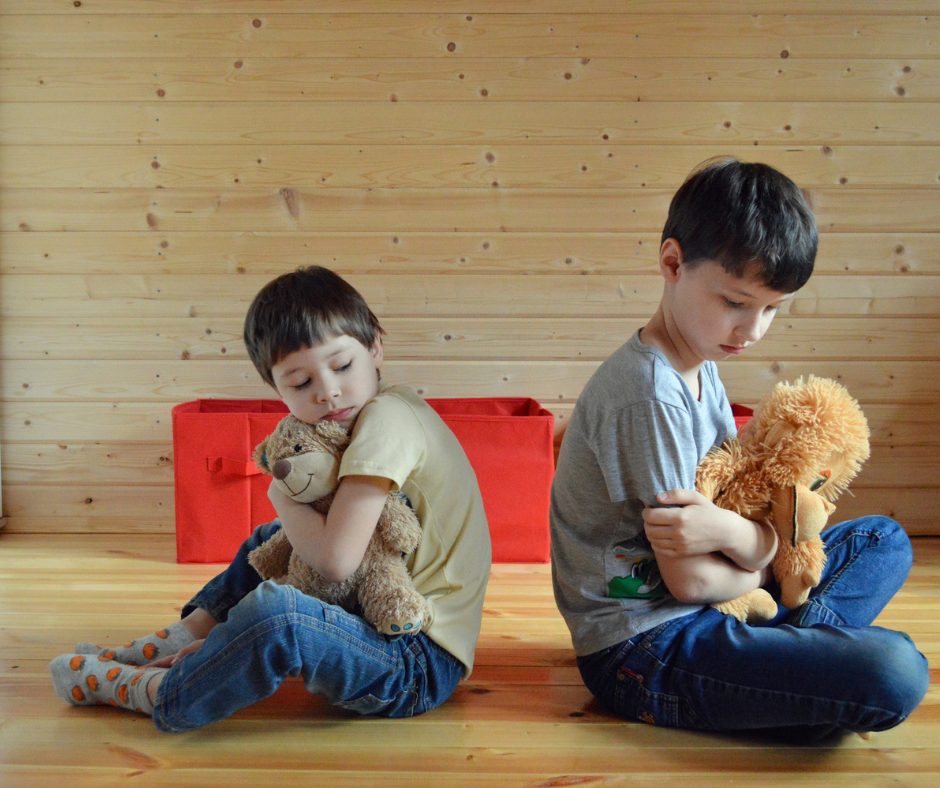
Parents often know when something is not quite right with their child.

A child who was once easygoing may become irritable or withdrawn. A child who follows routines may suddenly resist instructions or act out. These changes can feel confusing, especially when there is no clear explanation.

Behavioral changes rarely happen without reason. Even when the cause is not immediately visible, behavior is often a form of communication.

Children do not always have the words to express what they are feeling. Instead, their emotions show up through actions, reactions, and patterns of behavior.

Understanding what may be behind these changes is an important step in supporting a child’s emotional well-being.

Understanding Behavior as Communication

Children communicate through behavior, especially when they cannot fully express their emotions verbally.

A sudden change in behavior is often a signal that something has shifted internally or externally. It may reflect stress, confusion, fear, or emotional overwhelm.

For example, increased irritability may be linked to anxiety. Withdrawal may be associated with sadness or social difficulties. Defiance may reflect frustration or a need for control.

Rather than viewing behavior as simply “good” or “bad,” it is helpful to ask what the behavior might be trying to communicate.

This shift in perspective allows parents to respond with understanding rather than only correction.

Emotional Causes of Behavioral Changes

One of the most common reasons for sudden behavioral shifts is emotional distress.

Children may experience anxiety, sadness, frustration, or fear without fully understanding these emotions.

These feelings can build over time and eventually show up in behavior.

A child who feels overwhelmed may become more reactive or easily upset. Another child may withdraw and avoid interaction.

Emotional causes are not always obvious, as children may not openly express what they feel.

Recognizing patterns and changes in emotional tone can help identify underlying concerns.

Anxiety and Its Impact on Behavior

Anxiety is a major factor in many behavioral changes.

Children who feel anxious may become more clingy, avoid certain situations, or react strongly to small stressors.

They may struggle with transitions, worry about school, or feel overwhelmed in social settings.

Behavioral signs of anxiety can include irritability, restlessness, or difficulty concentrating.

Because anxiety can feel intense and confusing, children may express it through behavior rather than words.

Stress and Overwhelm in Daily Life

Children experience stress just like adults do, even if the sources of stress look different.

School expectations, extracurricular activities, social dynamics, and family responsibilities can all contribute.

When stress builds up, children may reach a point where they cannot manage it effectively.

This can result in sudden behavioral changes such as emotional outbursts, withdrawal, or resistance to routines.

Stress-related behaviors often fluctuate depending on the level of pressure the child is experiencing.

Family Changes and Their Emotional Impact

Changes within the family can significantly affect a child’s behavior.

Events such as divorce, separation, relocation, new siblings, or changes in routine can create emotional uncertainty.

Even positive changes can feel overwhelming to a child.

These experiences may lead to increased clinginess, irritability, or difficulty adjusting to new expectations.

Children may not always express how these changes affect them, but their behavior often reflects their emotional response.

Social Challenges and Peer Relationships

Social relationships play an important role in a child’s emotional development.

Difficulties with friendships, peer rejection, or bullying can lead to noticeable changes in behavior.

A child may become more withdrawn, anxious, or reluctant to attend school.

They may also show increased sensitivity or emotional reactions related to social interactions.

Because peer relationships are closely tied to self-esteem, challenges in this area can significantly impact behavior.

Academic Pressure and School-Related Stress

School can be a significant source of pressure for many children.

Academic expectations, tests, homework, and classroom dynamics can all contribute to stress.

Some children may feel pressure to perform well, while others may struggle with learning challenges.

Behavioral changes may include avoidance of schoolwork, frustration, or decreased motivation.

When children feel overwhelmed academically, their behavior often reflects that stress.

Developmental Changes and Growth

Children go through continuous developmental changes, both emotionally and cognitively.

As they grow, their ability to regulate emotions and manage behavior evolves.

During certain stages, behavioral shifts may occur as part of normal development.

However, sudden or intense changes may indicate that the child is struggling to adjust.

Understanding developmental stages can help differentiate between typical growth and concerning patterns.

Trauma and Significant Life Events

Trauma can have a strong and lasting impact on a child’s behavior.

This may include experiences such as loss, accidents, exposure to conflict, or other distressing events.

Children may not fully process these experiences at the time they occur.

Instead, the impact may appear later through changes in behavior, mood, or emotional responses.

Trauma-related behaviors may include withdrawal, heightened sensitivity, or difficulty feeling safe.

Physical Factors That Influence Behavior

Behavioral changes are not always purely emotional.

Physical factors such as sleep disruption, illness, or changes in routine can also affect behavior.

A child who is not getting enough sleep may become more irritable or less able to regulate emotions.

Similarly, changes in diet, activity level, or health can influence mood and behavior.

Considering physical factors is an important part of understanding sudden changes.

The Role of Environment and Routine

Children rely on structure and consistency to feel secure.

Changes in routine or environment can disrupt this sense of stability.

This may include changes in school schedules, caregivers, or daily routines.

When structure becomes inconsistent, children may respond with behavioral changes as they try to adapt.

Maintaining predictable routines can help reduce these challenges.

When Behavioral Changes Become a Concern

Not all behavioral changes require intervention, but certain patterns may indicate a need for support.

When changes are sudden, persistent, or significantly impact daily functioning, it is important to take notice.

This includes ongoing emotional distress, withdrawal, aggression, or difficulty functioning at school or home.

The intensity and duration of the behavior are key factors in determining whether additional support may be needed.

Early attention can help prevent challenges from becoming more deeply rooted.

How Therapy Helps Address Behavioral Changes

Therapy provides a safe and supportive space for children to explore their experiences.

A therapist helps identify underlying emotional causes and works with the child to develop healthier coping strategies.

Instead of focusing only on behavior, therapy looks at the emotional needs behind it.

Children learn how to understand their feelings, communicate more effectively, and regulate their responses.

For families seeking the best child psychologist, professional support can provide structured guidance tailored to the child’s needs.

Supporting Your Child Through Behavioral Changes

Parents play an essential role in supporting their child during behavioral changes.

Responding with patience and curiosity rather than immediate discipline can help uncover underlying issues.

Listening without judgment allows children to feel safe expressing themselves.

Maintaining consistent routines and expectations provides stability during uncertain times.

Encouraging open communication helps children feel understood and supported.

The Importance of Early Support

Early support can make a significant difference in a child’s emotional development.

Addressing concerns early helps prevent behaviors from becoming more ingrained.

It also helps children develop healthy coping strategies that support long-term well-being.

Seeking help is not a sign of failure. It is a proactive step toward understanding and supporting your child.

FAQs

Why do children suddenly change their behavior?

Children may suddenly change their behavior due to emotional stress, anxiety, environmental changes, or developmental factors. These changes often reflect internal experiences that they may not be able to express directly. Observing patterns over time can help identify the underlying cause.

Are behavioral changes always a sign of a problem?

Not always. Some behavioral changes are part of normal development. However, when changes are intense, persistent, or affect daily functioning, they may indicate a deeper concern that requires attention.

How can I tell if my child needs professional help?

If your child’s behavior continues to change over several weeks, becomes more intense, or interferes with school, relationships, or daily routines, it may be helpful to seek professional support. A therapist can provide clarity and guidance.

How does therapy help with behavioral issues?

Therapy helps by identifying the emotional causes behind behavior and teaching children healthier ways to cope. It also supports emotional regulation and communication skills, leading to more stable behavior over time.

Final Thoughts

Behavioral changes in children are often a signal that something deeper is happening beneath the surface. While these changes can feel confusing or concerning, they are also an opportunity to better understand your child’s emotional needs.

With patience, awareness, and the right support, children can learn to navigate their emotions in healthier ways.

If you are noticing sudden or ongoing changes in your child’s behavior, consider reaching out to Wellman Psychology. Our experienced team provides compassionate, evidence-based care to help children and families understand emotional challenges, improve behavior, and build stronger, more resilient foundations. Get in touch with our experts now.

Follow Wellman Psychology for additional mental health resources and updates:

Find out more articles that can help you below:
Screen Time and Its Impact on Children’s Mental Health

Screen Time and Its Impact on Children’s Mental Health Explained

Screen time can affect children’s mental health in both positive and negative ways, depending on the amount, content, and context of use. While digital devices can support learning and connection, excessive or unstructured screen time may contribute to anxiety, attention difficulties, sleep disruption, emotional regulation challenges, and social withdrawal.

When screen use begins to interfere with daily functioning, relationships, or emotional well-being, it may be a sign that a child needs additional support and healthier digital boundaries.

Why Screen Time Has Become a Mental Health Concern

Screen time has become a normal part of childhood. From online learning to entertainment and social interaction, digital devices are now deeply integrated into children’s daily routines.

For many families, screens are also practical. They help children stay occupied, allow parents time to manage responsibilities, and provide educational resources that were not available in previous generations.

However, concerns about screen time have also grown. Many parents notice changes in their child’s behavior, mood, attention, or sleep patterns and begin to wonder whether screens may be playing a role.

This concern is valid.

The impact of screen time is not just about how long a child is using a device. It is also about what they are doing, how often they are using it, and how it affects their emotional and psychological development.

Understanding this relationship is important for supporting healthy development in a digital world.

What Screen Time Actually Means for Children

Screen time refers to any time spent interacting with digital devices such as smartphones, tablets, computers, television, or gaming systems.

Not all screen time is the same. There is a meaningful difference between educational content, passive entertainment, and highly stimulating interactive media.

For example, a child using a device for schoolwork is engaging differently than a child scrolling social media or playing fast-paced video games for long periods.

The emotional and cognitive impact depends on both content and context.

This is why screen time cannot be understood through duration alone.

Why Children Are Especially Sensitive to Screen Exposure

Children’s brains are still developing. This includes areas responsible for attention, impulse control, emotional regulation, and decision-making.

Because of this ongoing development, children are more sensitive to environmental influences, including digital media.

Highly stimulating content can activate reward systems in the brain, making it more difficult for children to disengage. Over time, this can affect attention span and emotional regulation outside of screen use.

Children also learn social and emotional behaviors through real-life interactions. When screen time replaces these experiences, it may limit opportunities for developing important interpersonal skills.

The Emotional Effects of Excessive Screen Time

One of the most noticeable effects of high screen use is emotional changes.

Some children become more irritable or reactive when they are asked to stop using devices. Others may show signs of frustration or emotional withdrawal when screen access is limited.

In some cases, children may become emotionally dependent on screen use for comfort or distraction. When screens are removed, they may struggle to regulate emotions independently.

There is also a connection between excessive screen use and increased anxiety. Constant exposure to fast-moving content, social comparison, or overstimulation can make it harder for children to feel calm or focused.

Over time, this emotional imbalance can affect daily functioning.

Screen Time and Attention Difficulties

Attention-related challenges are commonly reported by parents concerned about screen use.

Children who spend extended periods on fast-paced digital content may begin to show difficulty focusing on slower, less stimulating tasks such as reading, homework, or conversations.

This does not mean screens directly cause attention disorders, but they can influence attention patterns by training the brain to expect constant stimulation.

As a result, children may become easily distracted or restless when engaging in non-digital activities.

This shift can affect school performance and learning experiences.

The Impact on Sleep and Rest Patterns

Sleep is one of the most affected areas when it comes to screen time.

Exposure to screens, especially before bedtime, can interfere with natural sleep cycles. The light from devices can delay melatonin production, making it harder for children to fall asleep.

Additionally, emotionally stimulating content can keep the brain active, even after the device is turned off.

Many parents notice that children who use screens late at night have difficulty waking up, feel tired during the day, or struggle with consistent sleep routines.

Over time, poor sleep can affect mood, concentration, and emotional regulation.

Social Development and Screen Use

Children learn social skills through face-to-face interaction. These interactions help them understand body language, tone of voice, empathy, and emotional responses.

When screen time replaces in-person interaction, opportunities for developing these skills may decrease.

Some children may become more comfortable communicating digitally than in person. While digital communication is a valuable skill, it does not fully replace real-world social development.

In some cases, excessive screen use can contribute to social withdrawal, where children prefer digital environments over physical social engagement.

Behavioral Changes Parents Often Notice

Parents often observe behavioral shifts that coincide with increased screen use.

These may include resistance when screen time is limited, difficulty transitioning away from devices, or increased frustration during non-screen activities.

Some children may also show reduced interest in hobbies they previously enjoyed.

While these changes do not automatically indicate a problem, consistent patterns may suggest that screen use is influencing behavior and emotional regulation.

Understanding the broader context of a child’s routine is important when evaluating these changes.

The Role of Content and Digital Environment

Not all screen content affects children in the same way.

Educational content can support learning and development when used appropriately. However, highly stimulating or emotionally charged content may increase stress or overstimulation.

Social media can also introduce comparison-based thinking, where children measure themselves against curated online images or experiences.

Gaming environments may be engaging and social but can also lead to extended use that replaces sleep, physical activity, or family interaction.

The emotional tone of digital content plays a significant role in its impact.

When Screen Time Becomes a Mental Health Concern

Screen time becomes a concern when it begins to interfere with daily life.

This may include difficulty managing emotions without screens, declining academic performance, reduced interest in offline activities, or disrupted sleep patterns.

It may also appear as emotional distress when screens are removed or limited.

When these patterns persist over time, they may indicate that a child is relying on screens in a way that affects emotional regulation or overall well-being.

At this stage, it may be helpful to evaluate underlying emotional needs and consider professional support.

For families seeking guidance, working with the Best Child Psychologist Chicago can help clarify whether screen use is contributing to emotional or behavioral challenges.

How Parents Can Support Healthy Screen Habits

Supporting healthy screen habits does not require eliminating technology. Instead, it involves creating balance and structure.

Children benefit from clear routines around screen use, including consistent boundaries for when and how devices are used.

Encouraging offline activities such as outdoor play, reading, creative hobbies, and family interaction helps restore balance.

It is also important for parents to model healthy screen behavior. Children often learn habits by observing adults.

Most importantly, changes should be gradual and consistent rather than abrupt, as sudden restrictions may increase resistance or emotional distress.

The Importance of Emotional Regulation Skills

One of the key factors influenced by screen time is emotional regulation.

Children who rely heavily on screens for distraction or comfort may have fewer opportunities to practice managing emotions naturally.

Developing emotional regulation involves learning how to sit with discomfort, express feelings appropriately, and find coping strategies that do not depend on external stimulation.

Supporting these skills can help children become more resilient in everyday situations.

Balancing Digital Life and Real-Life Experiences

A healthy relationship with technology involves balance rather than elimination.

Children benefit from both digital learning and real-world experiences. The goal is to ensure that screens do not replace essential developmental activities.

These include social interaction, physical movement, emotional expression, and rest.

When balance is achieved, children are more likely to develop stable attention, emotional resilience, and healthy habits.

Long-Term Effects of Unbalanced Screen Use

When excessive screen use continues over time, it may influence long-term patterns of attention, emotional regulation, and social behavior.

Children may struggle with frustration tolerance, have difficulty engaging in non-digital activities, or experience ongoing sleep disruptions.

However, these patterns are not permanent. With support, structure, and guidance, children can re-establish healthier routines and emotional balance.

Early awareness is key to preventing long-term difficulties.

FAQs

How much screen time is too much for children?

There is no single universal number, but concerns often arise when screen use interferes with sleep, school performance, behavior, or emotional regulation. It is more important to look at patterns and impact rather than strict time limits. If screen use consistently replaces healthy activities, it may be excessive.

Can screen time cause anxiety in children?

Screen time does not directly cause anxiety in all cases, but excessive or unbalanced use can contribute to emotional overstimulation and stress. Certain types of content, especially fast-paced or socially comparative media, may increase anxious feelings in some children. Monitoring both content and duration is important.

What are early warning signs of unhealthy screen use?

Early signs may include irritability when screens are removed, loss of interest in offline activities, sleep disturbances, and difficulty focusing on non-digital tasks. These changes often develop gradually and may become more noticeable over time.

How can I reduce screen time without conflict?

Gradual changes, consistent routines, and clear expectations are usually more effective than sudden restrictions. Offering alternative activities and spending time together offline can also help reduce resistance. Open communication about the reasons behind limits can support cooperation.

Final Thoughts

Screen time is a natural part of modern childhood, but it requires thoughtful balance to support healthy emotional and psychological development. When used in excess or without structure, it can influence attention, mood, sleep, and social development in meaningful ways.

Children do not need a screen-free life, but they do need guidance in learning how to use technology in a balanced and healthy way. With support, structure, and understanding, they can develop habits that promote both digital literacy and emotional well-being.

If you are noticing changes in your child’s mood, behavior, or emotional regulation related to screen use, consider reaching out for professional guidance. Wellman Psychology provides compassionate, evidence-based care to help families understand underlying challenges and support healthier development over time. Get in touch with our experts today.

Feel free to check out our social media links below:

Find out more articles that can help you below:

How Family Therapy Helps Improve Parent-Child Relationships

How Family Therapy Helps Improve Parent-Child Relationships

Family therapy helps improve parent-child relationships by creating a structured, supportive environment where families can strengthen communication, reduce conflict, and rebuild emotional connection. It helps parents and children understand each other’s perspectives more clearly while learning healthier ways to respond during difficult moments.

Over time, this process strengthens trust, improves emotional safety at home, and supports more stable and respectful relationships. When patterns of conflict or emotional distance begin to affect daily life, family therapy can provide the guidance needed to move forward in a healthier direction.

Why Parent-Child Relationships Shape Everything

The relationship between a parent and child is one of the most influential emotional bonds in a person’s life. It shapes how a child understands safety, love, communication, and self-worth.

From early childhood through adolescence, children rely on their caregivers not only for physical needs but also for emotional regulation and guidance. As children grow older, this relationship naturally evolves. What once required constant direction becomes a relationship that depends more on communication, trust, and mutual understanding.

However, this transition is not always smooth.

Many families experience periods where communication becomes strained. Parents may feel like they are constantly correcting, reminding, or repeating themselves. Children may feel misunderstood, controlled, or unheard. Small disagreements can gradually escalate into recurring conflicts that are difficult to resolve.

In some households, conversations become short and tense. In others, emotional distance develops, leading family members to stop sharing openly with each other.

These patterns are more common than many parents realize, and they do not mean that the relationship is broken. They often signal that the family needs new tools to communicate and connect more effectively.

Family therapy is one way to rebuild those tools and restore connection in a structured and supportive setting.

Understanding the Parent-Child Relationship Across Development

To understand why conflict develops, it is important to look at how the parent-child relationship changes over time.

Early childhood: dependence and guidance

In early childhood, children depend heavily on parents for structure, safety, and emotional regulation. Communication is often simple and direct. Parents guide behavior, and children respond to boundaries and routines.

At this stage, emotional outbursts or misunderstandings are usually managed through consistency and reassurance.

Middle childhood: growing independence

As children enter school age, they begin to develop independence. They form friendships, build opinions, and start to test boundaries. At the same time, they still rely heavily on parents for emotional support.

Conflicts during this stage often revolve around rules, responsibility, and expectations.

Adolescence: identity and autonomy

The teenage years bring one of the most significant shifts in the parent-child relationship.

Teens begin forming their identity and may challenge rules or question expectations. They may seek more privacy, independence, and peer connection. Parents, on the other hand, often feel the need to maintain structure, safety, and guidance.

This stage can create tension because both sides are adjusting to new roles in the relationship.

Without effective communication, misunderstandings can increase. What parents see as responsibility and concern may be experienced by teens as pressure or control.

What Family Therapy Is and How It Works

Family therapy is a form of psychotherapy that focuses on improving relationships within the family system.

Unlike individual therapy, which focuses on one person’s thoughts and behaviors, family therapy examines how family members interact. It explores how communication patterns, emotional responses, and expectations influence the overall family dynamic.

The goal is not to identify one person as the problem. Instead, it focuses on understanding patterns and on improving how the family functions as a whole.

In a typical session, a therapist helps family members express their thoughts in a structured and respectful way. The therapist also guides conversations so that each person feels heard without the discussion becoming overwhelming or reactive.

Over time, families learn new ways of communicating and responding to one another. These changes are then practiced in everyday life outside of therapy sessions.

Why Parent-Child Relationships Become Strained Over Time

Even in loving families, relationships can become strained for many reasons.

One of the most common reasons is communication breakdown. Parents and children often speak to each other, but not in a way that leads to understanding. Conversations may become focused on correction, defense, or frustration rather than connection.

Another factor is stress. Academic pressure, work demands, financial concerns, and social challenges can all reduce emotional availability within the family.

Emotional mismatch is also common. Parents and children may experience the same situation differently. A parent may feel they are being helpful, while a child may feel criticized or controlled.

Over time, these repeated misunderstandings can create emotional distance.

In some families, this distance shows up as silence. In others, it appears as frequent arguments or emotional reactivity.

Without intervention, these patterns often become normalized, even though they continue to cause emotional strain.

How Communication Breakdowns Develop in Families

Communication issues rarely happen suddenly. They tend to develop gradually over time.

At first, misunderstandings may be small. A missed expectation, a tone of voice, or a reaction during stress may create tension. If these moments are not repaired, they begin to accumulate.

Eventually, family members may begin to assume negative intent. Parents may believe their child is being disrespectful. Children may believe their parents do not understand them.

Once this cycle begins, conversations become more reactive. Instead of listening, family members focus on defending their perspective.

This is one of the key areas where family therapy becomes helpful. It interrupts these cycles and helps families rebuild communication in a more structured and supportive way.

The Emotional Impact of Family Conflict on Children

Children are deeply affected by the emotional environment at home.

When conflict is frequent or unresolved, children may begin to internalize stress. They may become anxious, withdrawn, or emotionally reactive. Some children may try to avoid conflict by remaining silent or emotionally disengaging.

In other cases, children may express distress through behavior. This can include irritability, defiance, or difficulty managing emotions.

These behaviors are often not intentional. They are responses to emotional environments that feel confusing or overwhelming.

When children do not feel emotionally safe at home, it can also affect their confidence and sense of stability in other areas of life, including school and friendships.

The Parent Experience: Frustration, Confusion, and Concern

Parents often carry a significant emotional burden when family relationships become strained.

Many parents feel like they are doing their best but are not being heard. They may feel exhausted from repeated conversations that do not lead to change.

There is often also concern beneath the frustration. Parents worry about their child’s emotional well-being, future, and ability to cope with life challenges.

This combination of concern and frustration can make communication even more difficult.

Family therapy helps parents process these emotions while also learning new strategies for responding more effectively.

How Family Therapy Improves Communication Patterns

One of the most important benefits of family therapy is improving how family members communicate.

Instead of reactive conversations, therapy encourages structured dialogue. Family members learn how to express feelings without blame and how to listen without immediately responding defensively.

This shift takes time, but it creates space for understanding rather than conflict.

Families also learn to pause during emotional moments rather than escalate tension. This helps reduce arguments and creates opportunities for reflection rather than reaction.

Over time, communication becomes more intentional and less emotionally charged.

Building Emotional Safety Within the Home

Emotional safety is a key foundation of healthy family relationships.

A child feels emotionally safe when they believe they can express themselves without fear of judgment or punishment. Parents feel emotionally safe when they believe their concerns are heard and respected.

Family therapy helps rebuild this sense of safety by creating structured conversations where everyone has a voice.

As emotional safety improves, family members become more open and willing to engage in honest communication.

This often leads to deeper trust and stronger emotional connection.

Addressing Conflict Without Escalation

Conflict is not inherently negative. It becomes harmful when it is poorly managed.

In many families, conflict escalates quickly due to emotional triggers. A small disagreement can turn into a larger argument because both sides feel misunderstood.

Family therapy helps families slow down these interactions. It teaches them to recognize emotional triggers and respond in ways that reduce escalation.

Instead of reacting impulsively, family members learn to pause, reflect, and respond more thoughtfully.

This reduces tension and creates a more stable emotional environment at home.

Strengthening Parent-Child Connection Through Understanding

Connection grows when there is understanding.

When parents understand their child’s emotional world, they are better able to respond with empathy. When children feel understood, they are more likely to communicate openly.

Family therapy creates opportunities for this understanding to develop.

It allows parents and children to see situations from each other’s perspective, which often changes how they interpret behavior.

This shift can transform frustration into empathy and distance into connection.

When Family Therapy Becomes Helpful

Family therapy may be helpful when communication feels consistently strained, when conflicts repeat without resolution, or when emotional distance begins to grow within the home.

It is also helpful during transitions such as adolescence, divorce, changes in blended families, or major life stressors.

Families do not need to be in crisis to benefit from therapy. Early support often leads to better outcomes and prevents long-term patterns from becoming more difficult to change.

For families exploring family therapy, professional guidance can provide structure, clarity, and emotional support during challenging periods.

What Progress Looks Like in Family Therapy

Progress in family therapy is often gradual.

At first, families may notice small shifts, such as fewer arguments or slightly improved communication. Over time, these changes become more consistent.

Parents may feel more confident in how they respond to their child. Children may feel more comfortable expressing themselves. Conversations may feel less tense and more productive.

These changes build on each other and contribute to long-term improvements in family relationships.

Common Misconceptions About Family Therapy

One common misconception is that family therapy is only for families in crisis. In reality, it is often most effective when used early, before patterns become deeply ingrained.

Another misconception is that therapy places blame on parents. Family therapy is not about assigning fault. It focuses on understanding interactions and improving communication for everyone involved.

There is also a belief that children or teens will not participate. While engagement may vary at first, many young people become more open as they begin to feel understood.

Long-Term Benefits of Family Therapy

The benefits of family therapy often extend beyond immediate challenges.

Families develop communication skills that continue to support them over time. Parents become more confident in their approach. Children develop emotional awareness and coping skills that benefit them in other areas of life.

Relationships often become more stable, respectful, and emotionally connected.

These long-term changes can positively influence not only family life but also individual well-being.

FAQs

How does family therapy improve parent-child relationships?

Family therapy improves relationships by helping families communicate more effectively and understand each other’s emotional perspectives. It reduces misunderstandings by creating structured conversations guided by a therapist. Over time, this leads to stronger trust and healthier interactions at home.

Do all family members need to participate in therapy?

Not always. While involving multiple family members is often helpful, participation depends on the specific concerns being addressed. A therapist may recommend different combinations of sessions to support progress. The goal is to create the most effective structure for each family.

How long does family therapy take to show results?

Some families notice small improvements within a few sessions, while bigger changes take more time. Progress depends on the complexity of the issues and the level of participation. Consistency and openness usually lead to better long-term outcomes.

Can family therapy help with teenage conflict?

Yes. Family therapy is especially helpful during adolescence when communication and independence often become sources of tension. It helps both parents and teens navigate these changes with better understanding and fewer conflicts.

Final Thoughts

Parent-child relationships naturally evolve over time, and challenges are a normal part of that process. What matters most is how families respond to those challenges.

With the right support, communication can be improved, trust rebuilt, and emotional connection strengthened. Family therapy provides the structure and guidance needed to make these changes possible.

If you are ready to take that next step, consider reaching out to Wellman Psychology. Our experienced team offers compassionate and evidence-based care to help families reconnect, communicate more effectively, and build healthier long-term relationships. Get in touch with our experts now!

Follow Wellman Psychology for additional mental health resources and updates:

Find out more articles that can help you below:

Signs Your Child Is Dealing With Hidden Stress

Signs Your Child Is Dealing With Hidden Stress at Home or School

Children do not always express stress in obvious ways. Hidden stress often shows up through subtle emotional, behavioral, or physical changes such as irritability, withdrawal, sleep issues, or unexplained physical complaints. When these signs persist or begin to affect daily functioning, it may be time to explore additional support.

Recognizing these early signals can help you respond in ways that support your child’s emotional well-being before stress becomes overwhelming.

The Stress You Cannot Always See

Children experience stress just like adults, but they often lack the words or awareness to express what they are feeling. Instead of saying they feel overwhelmed, they may show it through behavior, mood changes, or physical symptoms.

As a parent, it can be difficult to recognize when something is wrong, especially when the signs are subtle. A child may continue going to school, completing tasks, and interacting with others while quietly struggling internally.

Hidden stress can build over time. Without support, it may begin to affect your child’s emotional development, relationships, and sense of security.

Understanding what hidden stress looks like is the first step in providing meaningful support.

What Is Hidden Stress in Children?

Hidden stress refers to emotional strain that is not openly expressed or easily recognized.

Unlike visible distress, such as crying or tantrums, hidden stress may appear as small shifts in behavior or mood. These changes are often easy to overlook or attribute to normal development.

Children may not fully understand their own emotions or may feel unsure about how to talk about them. As a result, stress can remain internalized, gradually affecting how they think, feel, and behave.

Recognizing these patterns requires attention to changes over time rather than focusing on isolated incidents.

Why Children Often Do Not Express Stress Directly

Children process emotions differently than adults.

They may not have the vocabulary to describe what they are experiencing. Even when they do, they may hesitate to share because they do not want to worry their parents or feel misunderstood.

Some children learn to hide their feelings as a way to cope. They may try to appear fine on the surface while dealing with internal stress.

Others may not recognize their feelings as stress at all. They simply experience discomfort without understanding the cause.

This is why stress often shows up indirectly through behavior and physical symptoms.

Emotional Signs of Hidden Stress

One of the earliest indicators of hidden stress is a shift in your child’s emotional state.

You may notice increased irritability or mood swings that seem out of proportion to the situation. A child who was previously calm may become easily frustrated or upset.

Some children appear more anxious. They may worry excessively, seek reassurance, or show signs of fear in situations that previously felt manageable.

Others may seem unusually quiet or withdrawn. A decrease in emotional expression can sometimes signal that a child is internalizing their stress.

These emotional changes may be subtle at first but can become more noticeable over time.

Behavioral Changes That May Signal Stress

Behavior often provides important clues about how a child is coping internally.

A child dealing with hidden stress may begin to withdraw from activities they once enjoyed. They may avoid social interactions or show less interest in hobbies.

You may also notice changes in behavior at home or school. This can include increased defiance, difficulty following instructions, or sudden changes in habits.

Some children may become more clingy or seek constant reassurance. Others may do the opposite and isolate themselves.

These shifts often reflect underlying emotional strain rather than intentional misbehavior.

Physical Symptoms That Should Not Be Ignored

Stress often manifests physically in children.

Common signs include frequent headaches, stomachaches, or general fatigue without a clear medical explanation. These symptoms are real and can be distressing for your child.

Sleep disturbances are also common. Your child may have trouble falling asleep, wake up frequently, or feel tired even after resting.

Changes in appetite can also occur. Some children may eat less, while others may seek comfort in food.

When physical symptoms appear alongside emotional or behavioral changes, it is important to consider the possibility of stress.

Signs of Stress at School

School is one of the most common sources of stress for children.

You may notice a decline in academic performance or a sudden lack of motivation. Your child may express reluctance to go to school or complain of feeling unwell before leaving home.

Teachers may report changes in behavior, such as difficulty concentrating, withdrawal, or increased emotional reactions.

Even subtle changes, such as forgetfulness or disorganization, can indicate that your child is feeling overwhelmed.

Signs of Stress at Home

Stress does not only come from school. Home environments can also contribute.

Changes in family dynamics, routines, or expectations can affect how a child feels. Even positive changes, such as moving to a new home or welcoming a new sibling, can create stress.

At home, you may notice increased conflict, sensitivity to criticism, or difficulty managing everyday tasks.

These signs often reflect a child's attempt to cope with changes they may not fully understand.

The Long-Term Impact of Unaddressed Stress

When stress goes unrecognized, it can have lasting effects.

Children who experience ongoing stress may develop difficulties with emotional regulation. They may struggle with anxiety, low self-esteem, or challenges in relationships.

Over time, stress can also affect academic performance and motivation. A child who feels overwhelmed may find it harder to focus, learn, and engage.

Early recognition and support can help prevent these challenges from becoming more deeply rooted.

When to Consider Professional Support

It may be time to seek professional help if your child’s stress appears persistent, intensifies over time, or begins to affect daily functioning.

If emotional, behavioral, or physical symptoms do not improve despite your support, a professional can provide guidance and clarity.

You do not need to wait for a crisis. Early intervention can make a significant difference in how your child learns to cope with stress.

For families searching for the best child psychologist, professional support can offer the tools and understanding needed to help your child feel more secure and balanced.

How Therapy Can Help Children Manage Stress

Therapy provides a safe environment where children can explore their feelings and experiences.

Through guided support, children learn to identify emotions, understand triggers, and develop coping strategies. This process helps them feel more in control of their reactions.

Therapy also helps children build confidence and resilience. Over time, they become better equipped to handle challenges in a healthy and constructive way.

Parents are often included in the process to ensure that strategies are reinforced at home.

Supporting Your Child in Everyday Life

There are practical ways to support your child’s emotional well-being.

Creating a consistent routine can provide a sense of stability. When children know what to expect, they often feel more secure.

Open communication is also essential. Encouraging your child to share their thoughts and feelings without fear of judgment can help them feel understood.

Small moments of connection, such as spending time together or listening attentively, can make a meaningful difference.

Common Misconceptions About Childhood Stress

One common misconception is that children do not experience stress in the same way adults do. In reality, children can feel stress deeply, even if they express it differently.

Another misconception is that stress will simply pass on its own. While some situations resolve naturally, ongoing stress often requires support.

There is also a tendency to interpret behavioral changes as discipline issues rather than emotional signals. Understanding the underlying cause can lead to more effective responses.

Paying Attention to Subtle Changes

Hidden stress is not always easy to recognize, but it often reveals itself through small, consistent changes.

By paying attention to your child’s emotional, behavioral, and physical patterns, you can better understand what they may be experiencing.

Taking action early can help your child develop healthy coping skills and feel more supported in their daily life.

FAQs

How can I tell if my child is stressed but not showing it?

Children often show stress indirectly through behavior, mood, or physical symptoms rather than words. You may notice subtle changes, such as irritability, withdrawal, or physical discomfort without a clear cause. Looking for patterns over time can help you determine whether these changes are linked to underlying stress.

What are the most common hidden signs of stress in children?

Common signs include sleep disturbances, changes in appetite, increased sensitivity, and difficulty concentrating. Some children may also withdraw socially or lose interest in activities they once enjoyed. These signs may seem minor individually but can indicate stress when they persist or occur together.

Should I talk to my child about stress even if they seem fine?

Yes, open communication can help your child feel safe sharing their experiences, even if they are not showing obvious signs of stress. Asking gentle, open-ended questions allows your child to express themselves at their own pace. This also helps build trust and makes it easier for them to come to you when they need support.

When should I seek professional help for my child?

If your child’s symptoms persist, worsen, or begin to affect their daily life, it may be helpful to consult a professional. This includes changes in behavior, emotional regulation, or physical health that do not improve over time. Early support can help address concerns before they become more challenging.

Final Thoughts

Children may not always have the words to express what they are feeling, but their behavior and emotions often tell a deeper story. Hidden stress is not something to overlook, especially when small signs begin to form consistent patterns.

Emotional well-being develops over time, and children benefit from guidance as they learn to navigate challenges. With the right support, they can build the skills needed to manage stress in a healthy and confident way.

If you are ready to take that next step, consider reaching out to Wellman Psychology. Our experienced team can help your child better understand their emotions, develop effective coping strategies, and create a more balanced, supportive daily life. Get in touch with our experts now!

Feel free to check out our social media links below:

Find out more articles that can help you below:
Emotional Outbursts in Kids: When to Seek Professional Help

Emotional Outbursts in Kids: When Is It Time to Seek Professional Help?

Emotional outbursts in children are a normal part of development, especially as they learn to regulate feelings and communicate their needs. However, when these outbursts become frequent, intense, or begin to interfere with daily life, relationships, or school functioning, it may be time to consider professional support.

Recognizing the difference between typical emotional expression and deeper emotional struggles can help you respond in ways that truly support your child’s growth.

Understanding Emotional Outbursts in Children

Every child experiences big emotions. Frustration, anger, sadness, and disappointment are all part of growing up. For many children, emotional outbursts are simply a reflection of still-developing coping skills.

As a parent, it can be challenging to know when these moments are part of normal development and when they signal something more serious. You may find yourself wondering whether your child will grow out of it or whether additional support is needed.

Emotional outbursts can feel overwhelming, especially when they happen frequently or seem disproportionate to the situation. They can also impact family dynamics, school experiences, and your child’s sense of confidence.

This guide will help you better understand what emotional outbursts mean, what causes them, and when it may be time to seek professional help.

What Are Emotional Outbursts?

Emotional outbursts are intense reactions that may include crying, yelling, anger, or physical expressions such as stomping or throwing objects. These reactions often occur when a child feels overwhelmed and lacks the skills to regulate their emotions effectively.

For younger children, outbursts are often linked to developmental stages. As children grow, they gradually learn how to identify emotions, communicate needs, and manage frustration.

However, not all outbursts are the same. Some are brief and situational, while others may be more frequent and harder to manage. Understanding the context and patterns behind these behaviors is key.

Why Emotional Regulation Is Still Developing

Children are not born with the ability to manage their emotions independently. Emotional regulation develops over time through experience, guidance, and support.

When a child becomes overwhelmed, their brain may shift into a reactive state. In this moment, logical thinking becomes more difficult, and emotional responses take over. This is why reasoning with a child during an intense outburst often feels ineffective.

Learning to regulate emotions involves recognizing feelings, understanding triggers, and developing coping strategies. These skills take time and practice to build.

Common Triggers Behind Emotional Outbursts

Emotional outbursts often have underlying triggers that may not be immediately obvious.

Some children react strongly to changes in routine or transitions between activities. Others may struggle with frustration when tasks feel too difficult or when expectations are unclear. Social challenges, such as peer conflicts, can also trigger emotional reactions.

Fatigue, hunger, and overstimulation can make it harder for children to regulate their emotions. Even small stressors can feel overwhelming when a child is already depleted.

Understanding these triggers can help you respond more effectively and reduce the likelihood of repeated outbursts.

When Emotional Outbursts Are Considered Typical

In many cases, emotional outbursts are a normal part of development.

Young children, in particular, may have limited language skills and rely on emotional expression to communicate their needs. Occasional meltdowns during stressful or frustrating situations are expected.

As long as the outbursts are relatively brief, decrease over time, and do not significantly interfere with daily life, they are usually part of typical development.

The key is observing whether your child is gradually learning to cope better over time.

Warning Signs That May Indicate a Deeper Concern

There are times when emotional outbursts go beyond what is developmentally expected.

If your child’s reactions are consistently intense, last for extended periods, or occur multiple times a day, this may indicate difficulty with emotional regulation. Outbursts that involve aggression toward others or self-harm should always be taken seriously.

You may also notice that your child struggles to calm down even with support. If recovery from an outburst takes a long time or seems to escalate rather than improve, it may be a sign of underlying stress or emotional challenges.

Another important factor is impact. If emotional outbursts are affecting your child’s ability to function at school, maintain friendships, or participate in daily activities, it may be time to seek additional support.

The Impact on Family and Daily Life

Frequent emotional outbursts can affect the entire family.

Parents may feel overwhelmed, unsure of how to respond, or concerned about making the situation worse. Siblings may feel confused or affected by the intensity of these moments.

Over time, repeated outbursts can create tension within the home and make daily routines more difficult to manage. This can create stress for both the child and the entire family.

Recognizing the broader impact is an important step in deciding when to seek help.

Emotional Outbursts and School Challenges

Children who struggle with emotional regulation often experience difficulties in school.

They may have trouble following instructions, managing frustration during tasks, or interacting with peers. Teachers may notice frequent disruptions, withdrawal, or emotional distress.

Academic performance can also be affected. When a child is overwhelmed emotionally, it becomes harder to focus, learn, and complete assignments.

These challenges can erode confidence and make school feel stressful rather than supportive.

Underlying Factors That May Contribute

Emotional outbursts can sometimes be linked to underlying emotional or developmental factors.

Anxiety, for example, can make children more sensitive to stress and more reactive to changes in their environment. Similarly, attention difficulties can impact impulse control and emotional regulation.

In some cases, children may be responding to life changes such as family transitions, social difficulties, or academic pressure. These experiences can create emotional strain that manifests in behavior.

Understanding the root cause is essential in providing the right kind of support.

How Professional Support Can Help

When emotional outbursts become difficult to manage, professional support can make a meaningful difference.

Therapy provides a safe space where children can learn to understand and express their emotions in healthier ways. Through structured guidance, they can develop coping strategies that help them manage frustration, anxiety, and other strong feelings.

Parents also benefit from professional support. Therapists can offer practical strategies for responding to outbursts that support emotional growth rather than escalating the situation.

For families seeking the best child psychologist, working with an experienced professional can provide clarity, reassurance, and effective tools for long-term improvement.

What Therapy for Children Typically Looks Like

Therapy for children is often tailored to their developmental level and individual needs.

Sessions may include play-based approaches, creative expression, and structured activities that help children explore their emotions. These methods allow children to communicate in ways that feel natural and engaging.

Over time, children learn to identify their feelings, recognize triggers, and practice coping strategies. This process builds emotional awareness and resilience.

Parents are often included in the process to ensure that strategies used in therapy can be reinforced at home.

When to Consider Seeking Help

You do not need to wait for a situation to become severe before seeking support.

If your child’s emotional outbursts are frequent, intense, or affecting their daily life, it may be helpful to consult with a professional. Even if you are unsure, an initial consultation can provide valuable insight.

Trusting your observations as a parent is important. If something feels concerning or different from typical behavior, it is worth exploring further.

Early support can help prevent challenges from becoming more deeply rooted over time.

Supporting Your Child at Home

There are ways to support your child’s emotional development within the home environment.

Creating a calm and predictable routine can help children feel more secure. When children know what to expect, they are often better able to manage transitions and changes.

Responding to outbursts with calmness rather than punishment can also make a difference. While boundaries are important, children benefit from guidance that helps them understand and manage their emotions.

Encouraging open communication and validating your child’s feelings can help them feel heard and supported.

Common Misconceptions About Emotional Outbursts

One common misconception is that children act out simply to gain attention. While attention may play a role, emotional outbursts are often a sign that a child is overwhelmed and lacks the tools to cope.

Another misconception is that strict discipline alone will resolve the issue. While structure is important, emotional regulation requires teaching and support, not just correction.

There is also a belief that children will automatically outgrow these behaviors. While some do, others benefit greatly from early intervention and guidance.

Recognizing When Support Matters

Emotional outbursts can be challenging, but they also provide insight into what a child may be experiencing internally.

By paying attention to patterns, intensity, and impact, you can better understand whether your child needs additional support. Taking action early can help your child develop the skills needed to manage emotions more effectively.

Support is not about fixing your child. It is about helping them grow in a way that feels safe, supported, and empowering.

FAQs

Are emotional outbursts normal for children?

Yes, emotional outbursts are a normal part of childhood development, especially in younger children who are still learning how to regulate their emotions. These reactions often occur when a child feels overwhelmed, frustrated, or unable to communicate their needs effectively. However, the frequency, intensity, and duration of these outbursts should gradually decrease as children develop stronger coping skills.

How do I know if my child’s outbursts are serious?

Outbursts may be a concern if they occur frequently, are unusually intense, or last for extended periods. It is also important to consider whether they are affecting your child’s ability to function at school, maintain friendships, or participate in daily activities. If the behavior persists or is difficult to manage despite your efforts, seeking professional guidance can help clarify the situation.

What should I do during an emotional outburst?

During an outburst, the most important step is to remain calm and provide your child with a sense of safety. Trying to reason or correct behavior in the moment may not be effective, as your child may be too overwhelmed to process information. Once things have calmed down, you can talk with your child about what happened and help them better understand their emotions.

Can therapy really help with emotional regulation?

Yes, therapy can be very effective in helping children develop emotional regulation skills. Through structured support, children learn to identify their emotions, understand triggers, and practice healthier ways of responding to stress. Over time, this can lead to improved behavior, stronger relationships, and greater emotional confidence.

Final Thoughts

Emotional development is a gradual process, and children often need guidance as they learn to navigate strong feelings. Emotional outbursts are not simply behaviors to correct but signals that a child may need support, understanding, and new coping tools.

With the right approach, children can learn to manage their emotions more effectively and build stronger, more positive relationships. Professional support can provide the structure and insight needed to help both children and parents move forward with greater confidence.

If you are ready to take that next step, consider reaching out to Wellman Psychology. Our experienced team offers compassionate care tailored to your child’s needs, helping families build healthier emotional patterns and a more balanced daily life. Get in touch with our experts now.

Feel free to check out our social media links below:

Find out more articles that can help you below: