What Causes Sudden Behavioral Changes in Children?
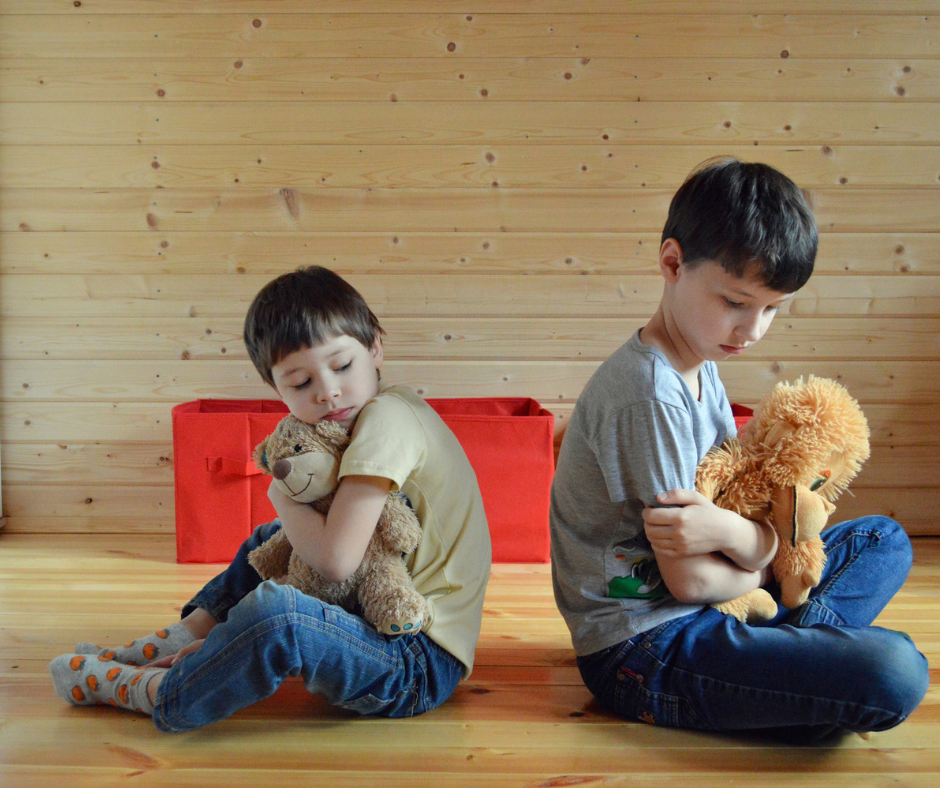
Sudden behavioral changes in children are often caused by underlying emotional, environmental, or developmental factors. These may include stress, anxiety, family changes, social challenges, or unmet emotional needs.
When behaviors shift noticeably and persist over time, it is usually a sign that a child is struggling internally and may need additional support to process what they are experiencing.
When a Child’s Behavior Suddenly Feels Different
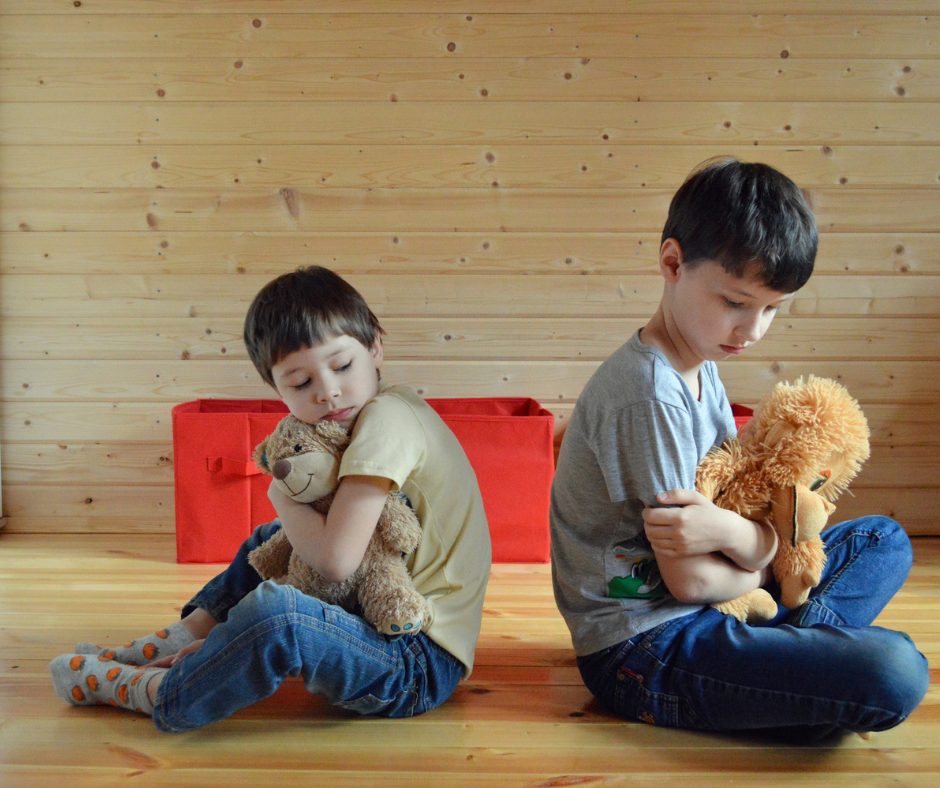
Parents often know when something is not quite right with their child.
A child who was once easygoing may become irritable or withdrawn. A child who follows routines may suddenly resist instructions or act out. These changes can feel confusing, especially when there is no clear explanation.
Behavioral changes rarely happen without reason. Even when the cause is not immediately visible, behavior is often a form of communication.
Children do not always have the words to express what they are feeling. Instead, their emotions show up through actions, reactions, and patterns of behavior.
Understanding what may be behind these changes is an important step in supporting a child’s emotional well-being.
Understanding Behavior as Communication
Children communicate through behavior, especially when they cannot fully express their emotions verbally.
A sudden change in behavior is often a signal that something has shifted internally or externally. It may reflect stress, confusion, fear, or emotional overwhelm.
For example, increased irritability may be linked to anxiety. Withdrawal may be associated with sadness or social difficulties. Defiance may reflect frustration or a need for control.
Rather than viewing behavior as simply “good” or “bad,” it is helpful to ask what the behavior might be trying to communicate.
This shift in perspective allows parents to respond with understanding rather than only correction.
Emotional Causes of Behavioral Changes
One of the most common reasons for sudden behavioral shifts is emotional distress.
Children may experience anxiety, sadness, frustration, or fear without fully understanding these emotions.
These feelings can build over time and eventually show up in behavior.
A child who feels overwhelmed may become more reactive or easily upset. Another child may withdraw and avoid interaction.
Emotional causes are not always obvious, as children may not openly express what they feel.
Recognizing patterns and changes in emotional tone can help identify underlying concerns.
Anxiety and Its Impact on Behavior
Anxiety is a major factor in many behavioral changes.
Children who feel anxious may become more clingy, avoid certain situations, or react strongly to small stressors.
They may struggle with transitions, worry about school, or feel overwhelmed in social settings.
Behavioral signs of anxiety can include irritability, restlessness, or difficulty concentrating.
Because anxiety can feel intense and confusing, children may express it through behavior rather than words.
Stress and Overwhelm in Daily Life
Children experience stress just like adults do, even if the sources of stress look different.
School expectations, extracurricular activities, social dynamics, and family responsibilities can all contribute.
When stress builds up, children may reach a point where they cannot manage it effectively.
This can result in sudden behavioral changes such as emotional outbursts, withdrawal, or resistance to routines.
Stress-related behaviors often fluctuate depending on the level of pressure the child is experiencing.
Family Changes and Their Emotional Impact
Changes within the family can significantly affect a child’s behavior.
Events such as divorce, separation, relocation, new siblings, or changes in routine can create emotional uncertainty.
Even positive changes can feel overwhelming to a child.
These experiences may lead to increased clinginess, irritability, or difficulty adjusting to new expectations.
Children may not always express how these changes affect them, but their behavior often reflects their emotional response.
Social Challenges and Peer Relationships
Social relationships play an important role in a child’s emotional development.
Difficulties with friendships, peer rejection, or bullying can lead to noticeable changes in behavior.
A child may become more withdrawn, anxious, or reluctant to attend school.
They may also show increased sensitivity or emotional reactions related to social interactions.
Because peer relationships are closely tied to self-esteem, challenges in this area can significantly impact behavior.
Academic Pressure and School-Related Stress
School can be a significant source of pressure for many children.
Academic expectations, tests, homework, and classroom dynamics can all contribute to stress.
Some children may feel pressure to perform well, while others may struggle with learning challenges.
Behavioral changes may include avoidance of schoolwork, frustration, or decreased motivation.
When children feel overwhelmed academically, their behavior often reflects that stress.
Developmental Changes and Growth
Children go through continuous developmental changes, both emotionally and cognitively.
As they grow, their ability to regulate emotions and manage behavior evolves.
During certain stages, behavioral shifts may occur as part of normal development.
However, sudden or intense changes may indicate that the child is struggling to adjust.
Understanding developmental stages can help differentiate between typical growth and concerning patterns.
Trauma and Significant Life Events
Trauma can have a strong and lasting impact on a child’s behavior.
This may include experiences such as loss, accidents, exposure to conflict, or other distressing events.
Children may not fully process these experiences at the time they occur.
Instead, the impact may appear later through changes in behavior, mood, or emotional responses.
Trauma-related behaviors may include withdrawal, heightened sensitivity, or difficulty feeling safe.
Physical Factors That Influence Behavior
Behavioral changes are not always purely emotional.
Physical factors such as sleep disruption, illness, or changes in routine can also affect behavior.
A child who is not getting enough sleep may become more irritable or less able to regulate emotions.
Similarly, changes in diet, activity level, or health can influence mood and behavior.
Considering physical factors is an important part of understanding sudden changes.
The Role of Environment and Routine
Children rely on structure and consistency to feel secure.
Changes in routine or environment can disrupt this sense of stability.
This may include changes in school schedules, caregivers, or daily routines.
When structure becomes inconsistent, children may respond with behavioral changes as they try to adapt.
Maintaining predictable routines can help reduce these challenges.
When Behavioral Changes Become a Concern
Not all behavioral changes require intervention, but certain patterns may indicate a need for support.
When changes are sudden, persistent, or significantly impact daily functioning, it is important to take notice.
This includes ongoing emotional distress, withdrawal, aggression, or difficulty functioning at school or home.
The intensity and duration of the behavior are key factors in determining whether additional support may be needed.
Early attention can help prevent challenges from becoming more deeply rooted.
How Therapy Helps Address Behavioral Changes
Therapy provides a safe and supportive space for children to explore their experiences.
A therapist helps identify underlying emotional causes and works with the child to develop healthier coping strategies.
Instead of focusing only on behavior, therapy looks at the emotional needs behind it.
Children learn how to understand their feelings, communicate more effectively, and regulate their responses.
For families seeking the best child psychologist, professional support can provide structured guidance tailored to the child’s needs.
Supporting Your Child Through Behavioral Changes
Parents play an essential role in supporting their child during behavioral changes.
Responding with patience and curiosity rather than immediate discipline can help uncover underlying issues.
Listening without judgment allows children to feel safe expressing themselves.
Maintaining consistent routines and expectations provides stability during uncertain times.
Encouraging open communication helps children feel understood and supported.
The Importance of Early Support
Early support can make a significant difference in a child’s emotional development.
Addressing concerns early helps prevent behaviors from becoming more ingrained.
It also helps children develop healthy coping strategies that support long-term well-being.
Seeking help is not a sign of failure. It is a proactive step toward understanding and supporting your child.
FAQs
Why do children suddenly change their behavior?
Children may suddenly change their behavior due to emotional stress, anxiety, environmental changes, or developmental factors. These changes often reflect internal experiences that they may not be able to express directly. Observing patterns over time can help identify the underlying cause.
Are behavioral changes always a sign of a problem?
Not always. Some behavioral changes are part of normal development. However, when changes are intense, persistent, or affect daily functioning, they may indicate a deeper concern that requires attention.
How can I tell if my child needs professional help?
If your child’s behavior continues to change over several weeks, becomes more intense, or interferes with school, relationships, or daily routines, it may be helpful to seek professional support. A therapist can provide clarity and guidance.
How does therapy help with behavioral issues?
Therapy helps by identifying the emotional causes behind behavior and teaching children healthier ways to cope. It also supports emotional regulation and communication skills, leading to more stable behavior over time.
Final Thoughts
Behavioral changes in children are often a signal that something deeper is happening beneath the surface. While these changes can feel confusing or concerning, they are also an opportunity to better understand your child’s emotional needs.
With patience, awareness, and the right support, children can learn to navigate their emotions in healthier ways.
If you are noticing sudden or ongoing changes in your child’s behavior, consider reaching out to Wellman Psychology. Our experienced team provides compassionate, evidence-based care to help children and families understand emotional challenges, improve behavior, and build stronger, more resilient foundations. Get in touch with our experts now.
Follow Wellman Psychology for additional mental health resources and updates:
Find out more articles that can help you below: