




Signs Your Child Is Dealing With Hidden Stress at Home or School
Children do not always express stress in obvious ways. Hidden stress often shows up through subtle emotional, behavioral, or physical changes such as irritability, withdrawal, sleep issues, or unexplained physical complaints. When these signs persist or begin to affect daily functioning, it may be time to explore additional support.
Recognizing these early signals can help you respond in ways that support your child’s emotional well-being before stress becomes overwhelming.
The Stress You Cannot Always See
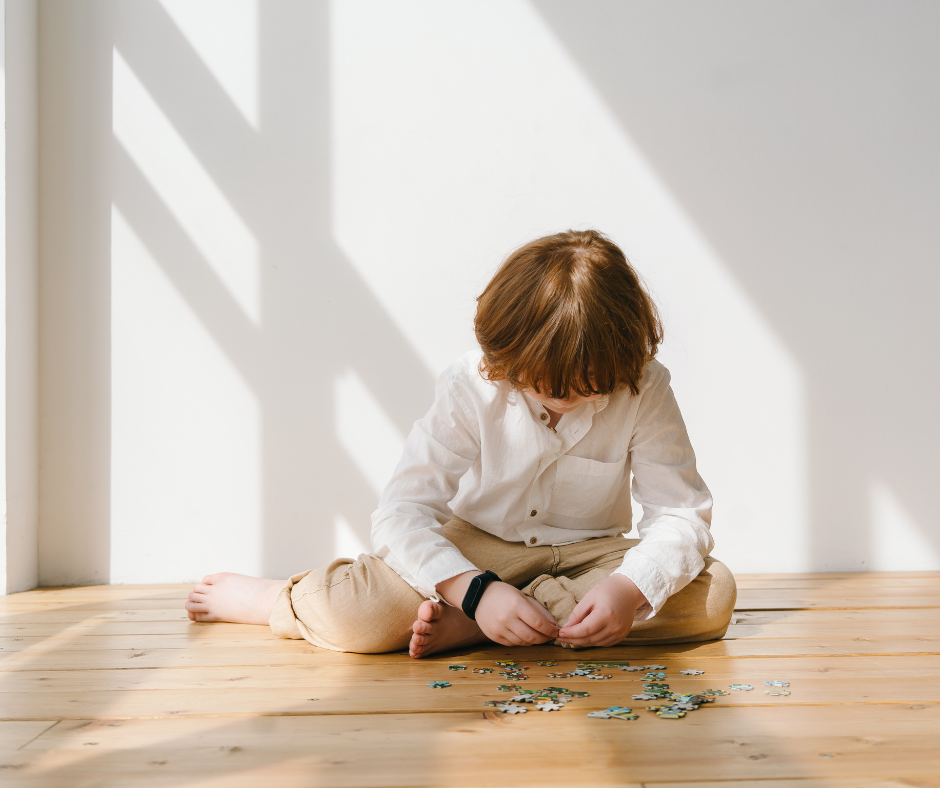
Children experience stress just like adults, but they often lack the words or awareness to express what they are feeling. Instead of saying they feel overwhelmed, they may show it through behavior, mood changes, or physical symptoms.
As a parent, it can be difficult to recognize when something is wrong, especially when the signs are subtle. A child may continue going to school, completing tasks, and interacting with others while quietly struggling internally.
Hidden stress can build over time. Without support, it may begin to affect your child’s emotional development, relationships, and sense of security.
Understanding what hidden stress looks like is the first step in providing meaningful support.
What Is Hidden Stress in Children?
Hidden stress refers to emotional strain that is not openly expressed or easily recognized.
Unlike visible distress, such as crying or tantrums, hidden stress may appear as small shifts in behavior or mood. These changes are often easy to overlook or attribute to normal development.
Children may not fully understand their own emotions or may feel unsure about how to talk about them. As a result, stress can remain internalized, gradually affecting how they think, feel, and behave.
Recognizing these patterns requires attention to changes over time rather than focusing on isolated incidents.
Why Children Often Do Not Express Stress Directly
Children process emotions differently than adults.
They may not have the vocabulary to describe what they are experiencing. Even when they do, they may hesitate to share because they do not want to worry their parents or feel misunderstood.
Some children learn to hide their feelings as a way to cope. They may try to appear fine on the surface while dealing with internal stress.
Others may not recognize their feelings as stress at all. They simply experience discomfort without understanding the cause.
This is why stress often shows up indirectly through behavior and physical symptoms.
Emotional Signs of Hidden Stress
One of the earliest indicators of hidden stress is a shift in your child’s emotional state.
You may notice increased irritability or mood swings that seem out of proportion to the situation. A child who was previously calm may become easily frustrated or upset.
Some children appear more anxious. They may worry excessively, seek reassurance, or show signs of fear in situations that previously felt manageable.
Others may seem unusually quiet or withdrawn. A decrease in emotional expression can sometimes signal that a child is internalizing their stress.
These emotional changes may be subtle at first but can become more noticeable over time.
Behavioral Changes That May Signal Stress
Behavior often provides important clues about how a child is coping internally.
A child dealing with hidden stress may begin to withdraw from activities they once enjoyed. They may avoid social interactions or show less interest in hobbies.
You may also notice changes in behavior at home or school. This can include increased defiance, difficulty following instructions, or sudden changes in habits.
Some children may become more clingy or seek constant reassurance. Others may do the opposite and isolate themselves.
These shifts often reflect underlying emotional strain rather than intentional misbehavior.
Physical Symptoms That Should Not Be Ignored
Stress often manifests physically in children.
Common signs include frequent headaches, stomachaches, or general fatigue without a clear medical explanation. These symptoms are real and can be distressing for your child.
Sleep disturbances are also common. Your child may have trouble falling asleep, wake up frequently, or feel tired even after resting.
Changes in appetite can also occur. Some children may eat less, while others may seek comfort in food.
When physical symptoms appear alongside emotional or behavioral changes, it is important to consider the possibility of stress.
Signs of Stress at School
School is one of the most common sources of stress for children.
You may notice a decline in academic performance or a sudden lack of motivation. Your child may express reluctance to go to school or complain of feeling unwell before leaving home.
Teachers may report changes in behavior, such as difficulty concentrating, withdrawal, or increased emotional reactions.
Even subtle changes, such as forgetfulness or disorganization, can indicate that your child is feeling overwhelmed.
Signs of Stress at Home
Stress does not only come from school. Home environments can also contribute.
Changes in family dynamics, routines, or expectations can affect how a child feels. Even positive changes, such as moving to a new home or welcoming a new sibling, can create stress.
At home, you may notice increased conflict, sensitivity to criticism, or difficulty managing everyday tasks.
These signs often reflect a child's attempt to cope with changes they may not fully understand.
The Long-Term Impact of Unaddressed Stress
When stress goes unrecognized, it can have lasting effects.
Children who experience ongoing stress may develop difficulties with emotional regulation. They may struggle with anxiety, low self-esteem, or challenges in relationships.
Over time, stress can also affect academic performance and motivation. A child who feels overwhelmed may find it harder to focus, learn, and engage.
Early recognition and support can help prevent these challenges from becoming more deeply rooted.
When to Consider Professional Support
It may be time to seek professional help if your child’s stress appears persistent, intensifies over time, or begins to affect daily functioning.
If emotional, behavioral, or physical symptoms do not improve despite your support, a professional can provide guidance and clarity.
You do not need to wait for a crisis. Early intervention can make a significant difference in how your child learns to cope with stress.
For families searching for the best child psychologist, professional support can offer the tools and understanding needed to help your child feel more secure and balanced.
How Therapy Can Help Children Manage Stress
Therapy provides a safe environment where children can explore their feelings and experiences.
Through guided support, children learn to identify emotions, understand triggers, and develop coping strategies. This process helps them feel more in control of their reactions.
Therapy also helps children build confidence and resilience. Over time, they become better equipped to handle challenges in a healthy and constructive way.
Parents are often included in the process to ensure that strategies are reinforced at home.
Supporting Your Child in Everyday Life
There are practical ways to support your child’s emotional well-being.
Creating a consistent routine can provide a sense of stability. When children know what to expect, they often feel more secure.
Open communication is also essential. Encouraging your child to share their thoughts and feelings without fear of judgment can help them feel understood.
Small moments of connection, such as spending time together or listening attentively, can make a meaningful difference.
Common Misconceptions About Childhood Stress
One common misconception is that children do not experience stress in the same way adults do. In reality, children can feel stress deeply, even if they express it differently.
Another misconception is that stress will simply pass on its own. While some situations resolve naturally, ongoing stress often requires support.
There is also a tendency to interpret behavioral changes as discipline issues rather than emotional signals. Understanding the underlying cause can lead to more effective responses.
Paying Attention to Subtle Changes
Hidden stress is not always easy to recognize, but it often reveals itself through small, consistent changes.
By paying attention to your child’s emotional, behavioral, and physical patterns, you can better understand what they may be experiencing.
Taking action early can help your child develop healthy coping skills and feel more supported in their daily life.
FAQs
How can I tell if my child is stressed but not showing it?
Children often show stress indirectly through behavior, mood, or physical symptoms rather than words. You may notice subtle changes, such as irritability, withdrawal, or physical discomfort without a clear cause. Looking for patterns over time can help you determine whether these changes are linked to underlying stress.
What are the most common hidden signs of stress in children?
Common signs include sleep disturbances, changes in appetite, increased sensitivity, and difficulty concentrating. Some children may also withdraw socially or lose interest in activities they once enjoyed. These signs may seem minor individually but can indicate stress when they persist or occur together.
Should I talk to my child about stress even if they seem fine?
Yes, open communication can help your child feel safe sharing their experiences, even if they are not showing obvious signs of stress. Asking gentle, open-ended questions allows your child to express themselves at their own pace. This also helps build trust and makes it easier for them to come to you when they need support.
When should I seek professional help for my child?
If your child’s symptoms persist, worsen, or begin to affect their daily life, it may be helpful to consult a professional. This includes changes in behavior, emotional regulation, or physical health that do not improve over time. Early support can help address concerns before they become more challenging.
Final Thoughts
Children may not always have the words to express what they are feeling, but their behavior and emotions often tell a deeper story. Hidden stress is not something to overlook, especially when small signs begin to form consistent patterns.
Emotional well-being develops over time, and children benefit from guidance as they learn to navigate challenges. With the right support, they can build the skills needed to manage stress in a healthy and confident way.
If you are ready to take that next step, consider reaching out to Wellman Psychology. Our experienced team can help your child better understand their emotions, develop effective coping strategies, and create a more balanced, supportive daily life. Get in touch with our experts now!
Feel free to check out our social media links below:
Find out more articles that can help you below: