




What Is DBT Therapy Used to Treat? Conditions It Can Help
If you have been exploring different types of mental health treatment, you may be wondering, What is DBT Therapy used to treat? This is a common question. Many people hear about DBT Therapy but are not sure whether it applies to their situation.
The good news is that DBT Therapy is used to treat a wide range of emotional and behavioral challenges. It is structured, skills-based, and designed to help people manage intense emotions in healthier ways. In this guide, we will explain what DBT Therapy is, the conditions it can help with, and why it has become one of the most trusted therapy approaches today.
What Is DBT Therapy?
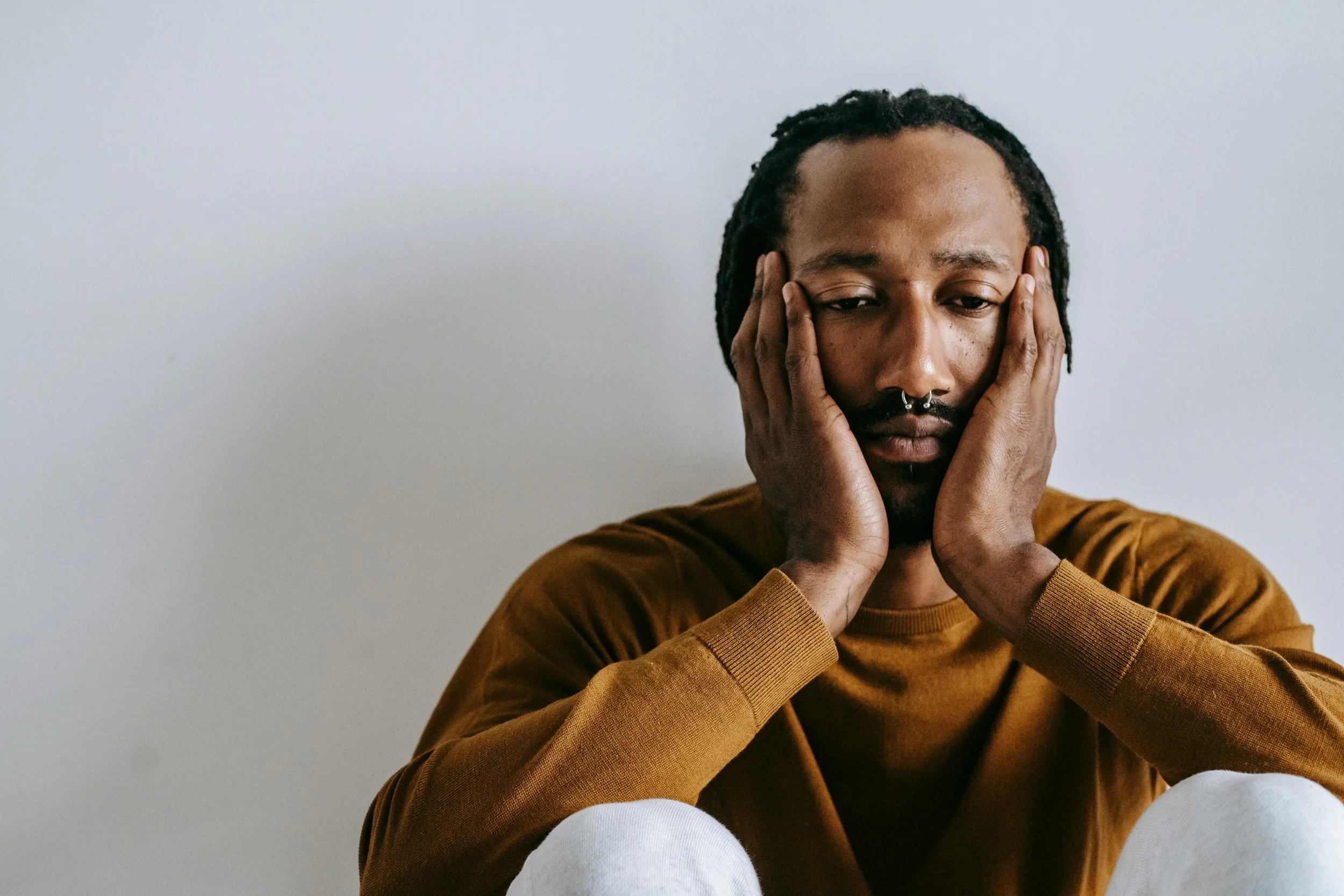
DBT Therapy stands for Dialectical Behavior Therapy. It was developed by psychologist Dr. Marsha Linehan to help people who struggled with extreme emotional swings and self-destructive behaviors.
The word dialectical means balancing two opposites. In DBT Therapy, those opposites are acceptance and change. You learn to accept your emotions without judging yourself, while also learning how to change harmful behaviors.
Unlike regular talk therapy, DBT Therapy focuses heavily on learning practical skills. It teaches tools that can be used in daily life, not just inside a therapy office.
What Is DBT Therapy Used to Treat?
DBT Therapy was first created to treat borderline personality disorder, but over time, it has been adapted to treat many other conditions. Below are the most common challenges that DBT Therapy treatment can help address.
Borderline Personality Disorder
This was the original focus of DBT Therapy. People with borderline personality disorder often experience:
Intense mood swings
Fear of abandonment
Unstable relationships
Impulsive behaviors
DBT Therapy helps by teaching emotional regulation and distress tolerance skills. These tools reduce emotional extremes and improve relationship stability.
Anxiety Disorders
DBT Therapy is helpful for many types of anxiety, including:
Generalized anxiety disorder
Social anxiety
Panic disorder
Anxiety often involves racing thoughts and overwhelming fear. DBT Therapy teaches mindfulness skills that calm the mind and help people stay present. Distress tolerance skills also reduce panic reactions.
Instead of trying to eliminate anxiety completely, DBT Therapy helps people respond to anxiety in healthier ways.
Depression
Depression can make people feel hopeless, exhausted, and disconnected. DBT Therapy treatment focuses on:
Identifying emotional triggers
Reducing emotional vulnerability
Building positive habits
Improving communication
The emotional regulation pillar of DBT Therapy helps people understand their mood patterns. Over time, this awareness makes it easier to break negative cycles.
Bipolar Disorder
Bipolar disorder involves mood shifts between emotional highs and lows. DBT Therapy can help individuals:
Track mood patterns
Manage impulsive behaviors
Improve daily routines
Strengthen coping skills
While medication is often part of treatment, DBT Therapy provides additional emotional tools that support long-term stability.
Self-Harming Behaviors and Suicidal Thoughts
One of the most powerful uses of DBT Therapy is reducing self-harming behaviors. Distress tolerance skills teach people how to survive intense emotional pain without hurting themselves.
A DBT therapist works closely with clients to:
Identify crisis triggers
Develop safety plans
Replace harmful behaviors with healthier coping strategies
Research has shown that DBT Therapy significantly reduces suicidal behavior and self-injury.
Trauma and PTSD
Trauma can cause emotional flashbacks, anxiety, and difficulty trusting others. While DBT Therapy is not the same as trauma processing therapies, it helps people build the emotional strength needed to cope with trauma symptoms.
Skills like mindfulness and grounding techniques help individuals stay present when memories or triggers arise. Emotional regulation skills reduce overwhelming reactions.
For many people, DBT therapy is a helpful step before deeper trauma work.
Eating Disorders
Eating disorders often involve emotional distress, impulsive behavior, and difficulty regulating feelings. DBT Therapy teaches healthier ways to manage emotions without turning to harmful coping behaviors.
Clients learn to:
Recognize emotional triggers
Manage urges
Practice self-acceptance
Improve body awareness
These skills support long-term recovery.
Substance Use Disorders
Substance use often develops as a way to escape emotional pain. DBT Therapy focuses on replacing harmful coping methods with healthier ones.
Distress tolerance skills help people manage cravings. Mindfulness increases awareness of triggers. Emotional regulation reduces the intensity of feelings that may lead to relapse.
DBT Therapy can be especially helpful for individuals who struggle with both addiction and mood disorders.
Why DBT Therapy Works for So Many Conditions
You may be wondering why one therapy approach can treat so many different issues. The reason is simple. Many mental health conditions share a common root: difficulty managing emotions.
DBT Therapy focuses directly on emotional skills. It teaches:
Mindfulness
Distress tolerance
Emotional regulation
Interpersonal effectiveness
These four skill areas improve emotional stability and relationship health. When emotions become easier to manage, many symptoms naturally improve.
What Happens During DBT Therapy Treatment?
A full DBT Therapy program usually includes:
Weekly individual sessions with a DBT therapist
Weekly group skills training
Homework assignments
Diary card tracking
In individual sessions, you focus on personal goals and problem behaviors. In group sessions, you learn and practice DBT skills.
DBT Therapy is structured. Clients are encouraged to apply skills between sessions. This active approach helps create real change.
Who Might Benefit Most from DBT Therapy?
DBT Therapy is especially helpful for people who:
Feel overwhelmed by strong emotions
React impulsively under stress
Experience frequent relationship conflict
Struggle with self-harm or suicidal thoughts
Have difficulty calming down once upset
Even people without a formal diagnosis may benefit from DBT Therapy treatment if emotional regulation is a challenge.
How to Know If DBT Therapy Is Right for You
If you are unsure whether DBT Therapy is the right fit, consider asking yourself:
Do my emotions feel too intense or unpredictable?
Do I struggle with impulsive reactions?
Do my relationships often feel unstable?
Have other forms of therapy not fully helped?
A consultation with a DBT therapist can help you decide. During this meeting, the therapist will assess your needs and explain how DBT Therapy could support your goals.
Why Choose Wellman Psychology for a DBT Therapist in Chicago
If you are looking for a DBT therapist in Chicago, Wellman Psychology offers structured DBT Therapy programs tailored to individual needs.
Our team focuses on teaching practical skills that create lasting change. With professional guidance, you can learn how to manage emotions, strengthen relationships, and build emotional resilience.
DBT Therapy works best when delivered by trained professionals who understand the model fully. Choosing an experienced provider increases the chances of success.
Final Thoughts
So, What Is DBT Therapy Used to Treat? It is used to treat borderline personality disorder, anxiety, depression, bipolar disorder, trauma, self-harming behaviors, substance use disorders, and more. At its core, DBT Therapy helps people manage emotions in healthier ways.
If you are ready to build emotional stability and gain practical coping skills, consider working with a DBT therapist in Chicago at Wellman Psychology. Professional support can make a meaningful difference. Take the next step toward emotional growth and schedule an appointment with us today.
Feel free to check out our social media links below:
Find out more articles that can help you below: