

How Gender-Affirming Therapy Supports Mental Health at Every Stage of Life

The emotional support you need at 20 may look very different from what you need at 40 or 60. Your relationships change, your responsibilities evolve, and your understanding of yourself may continue developing throughout your life.

Gender-affirming therapy can provide a supportive space to explore those experiences without telling you who you should be or what decisions you should make. Depending on what brings you to therapy, sessions may focus on identity, anxiety, relationships, family concerns, trauma, self-esteem, major life changes, or simply feeling more comfortable with yourself.

At Wellman Psychology, we understand that gender-related experiences are deeply individual. Some people come to therapy because they are questioning their identity. Others already feel confident in who they are but want an affirming therapist who can help with anxiety, relationships, stress, or another part of their mental health.

Wherever you are in that process, therapy can meet you there.

What Is Gender-Affirming Therapy?

Gender-affirming therapy supporting mental health at different stages of life in Chicago

Gender-affirming therapy is an approach to mental health care that respects a person's gender identity while helping them address the emotional, relational, and psychological concerns that matter to them.

It does not require you to identify a certain way, transition, or make a particular decision. Instead, therapy gives you room to understand your experiences, develop coping strategies, explore questions, and make choices that align with your own values and goals.

For one person, that might involve exploring gender identity or expression. For someone else, therapy may focus primarily on:

  • Anxiety

  • Depression

  • Relationship concerns

  • Family conflict

  • Trauma

  • Stress

  • Self-esteem

  • Loneliness

  • Major life transitions

  • Difficulty setting boundaries

Your gender identity is not treated as something that needs to be fixed. An affirming therapist looks at the whole person and works with you to understand what is actually contributing to distress.

How Can Gender-Affirming Therapy Support Mental Health?

Mental health is influenced by many parts of life. Relationships, work, family expectations, discrimination, past experiences, social pressure, and major transitions can all affect how someone feels.

Gender-affirming therapy provides a place to explore those factors in an environment where your identity is respected.

You might use therapy to better understand patterns that contribute to anxiety, work through difficult experiences, improve communication, strengthen relationships, develop healthier boundaries, or build more effective coping strategies.

At Wellman Psychology, the focus is on your individual needs rather than assumptions about what you must be experiencing because of your gender identity.

That distinction matters. Being transgender, nonbinary, or otherwise gender diverse does not mean that every mental health concern stems from gender. Sometimes anxiety is about work. Sometimes relationship difficulties are about communication. Sometimes someone simply needs support during a stressful stage of life.

Affirming therapy allows room for all of those experiences.

How Does Gender-Affirming Therapy Help at Different Stages of Life?

There is no single timeline for understanding or expressing your gender.

Questions that feel important during adolescence may change in young adulthood. Someone else may not begin seriously exploring their identity until their 30s, 40s, or later.

Therapy can adapt as those needs change.

Adolescence

Adolescence already involves significant emotional and social change. Young people may be navigating school, friendships, family expectations, self-esteem, and questions about who they are becoming.

When questions about gender identity or expression are also present, having an appropriate space to talk can be valuable.

Depending on the individual's circumstances and treatment goals, therapy may help with:

  • Exploring feelings about identity

  • Building confidence

  • Coping with bullying or social pressure

  • Managing anxiety or depression

  • Communicating with parents or caregivers

  • Navigating school experiences

  • Developing healthier coping skills

The goal is not to pressure a young person toward a predetermined conclusion. It is to provide emotional support while they develop a better understanding of themselves.

Young Adulthood

Young adulthood can bring more independence alongside an entirely new set of decisions.

College, careers, dating, relationships, moving away from home, and building a social community can all become important at once. For someone exploring gender identity, that new independence can feel freeing while also creating uncertainty.

You may be thinking about:

  • Coming out

  • Gender expression

  • Names or pronouns

  • Dating and relationships

  • Family expectations

  • Building a supportive community

  • Workplace experiences

  • Whether or how you want to transition

You do not need to arrive at therapy knowing exactly what you want.

Sometimes a productive place to begin is simply, “I am not sure yet.”

Therapy can give you room to explore those questions without feeling pressured to make decisions before you are ready.

Adulthood

As responsibilities increase, identity-related questions can become intertwined with careers, long-term relationships, parenting, finances, or family dynamics.

Someone may feel increasingly comfortable with their identity but worry about how a spouse or family member will respond. Another person may have spent years prioritizing everyone else's needs and only recently begun considering questions about their own identity.

Therapy provides a space to explore those experiences while also addressing broader concerns such as anxiety, depression, trauma, relationships, and self-esteem.

The goal is not to separate identity from the rest of your life. It is to understand how the different parts of your experience affect one another.

Midlife and Later Adulthood

There is no age at which someone becomes “too old” to learn something new about themselves.

Midlife and later adulthood can bring major changes. Children may leave home, relationships can evolve, careers can shift, and retirement may completely change someone's routine.

For some people, those transitions create enough space to finally explore questions they have pushed aside for years.

Others may already feel confident about their gender identity but want support navigating aging, relationships, community, family, or changing social circumstances.

Therapy can provide a place to think about what this stage of life means to you and what you want your next chapter to look like.

Is Gender-Affirming Therapy Only for People Who Are Transitioning?

No.

You do not need to be transitioning or even know exactly how you identify to work with a gender-affirming therapist.

You may be:

  • Questioning your gender

  • Exploring gender expression

  • Comfortable with your identity but struggling with anxiety

  • Considering a social transition

  • Already transitioning

  • Not interested in transitioning

  • Unsure what you want

  • Looking for support with relationships or family concerns

An affirming therapist should meet you where you are rather than directing you toward a particular outcome.

Therapy can help you understand what feels right for you and make decisions that reflect your own values, circumstances, and goals.

How Can Therapy Help With Gender-Related Life Changes?

Changes involving identity or gender expression can affect several areas of life at the same time.

Even a change that feels positive personally can bring uncertainty about how other people may react.

Coming Out

Coming out can feel exciting, stressful, meaningful, frightening, or some combination of all four.

You may also choose to be open with certain people while maintaining more privacy with others.

Therapy can help you think through communication, expectations, boundaries, and how you want to handle different responses.

Gender Expression

Changes in clothing, appearance, names, pronouns, or other forms of gender expression can feel deeply personal.

Therapy can provide space to explore what feels authentic to you while also discussing how you want to navigate reactions from other people.

Relationships and Family

Partners, friends, parents, and other family members may respond differently to changes in identity or expression.

Some relationships become stronger. Others may involve confusion, conflict, or rejection.

Therapy can help you process those emotions while working on communication, boundaries, grief, conflict, and maintaining relationships that feel supportive.

The goal is not necessarily to preserve every relationship at any cost. Sometimes protecting your mental health means recognizing where healthier boundaries are needed.

Work and Social Environments

Questions about privacy, disclosure, discrimination, workplace relationships, or how openly you want to express yourself can also create stress.

Talking through these concerns with a therapist can help you separate what you can control from what you cannot and develop strategies for handling difficult situations.

Why Choosing an Affirming Therapist Matters

A strong therapeutic relationship can make it easier to speak openly about difficult experiences.

You should not feel that you have to spend every session explaining basic LGBTQ+ identities or defending who you are.

When searching for an LGBT therapist in Chicago, consider whether the therapist:

  • Respects your identity, name, and pronouns

  • Avoids making assumptions

  • Understands LGBTQ+ experiences

  • Allows you to set the pace

  • Takes your concerns seriously

  • Supports exploration without directing the outcome

  • Can openly discuss relationships and family dynamics

  • Treats you as a whole person rather than reducing everything to gender

You should also feel comfortable asking questions, disagreeing, providing feedback, and discussing what is or is not working for you.

Why Choose Wellman Psychology?

At Wellman Psychology, we believe therapy should be individualized rather than one-size-fits-all.

Our practice provides LGBTQ+ affirming care for people navigating gender identity, sexuality, acceptance, relationships, anxiety, depression, trauma, stress, and other mental health concerns.

That means you can discuss gender when it is important to you without feeling that it has to become the focus of every session.

Our clinicians bring different therapeutic perspectives and areas of experience, allowing treatment to be shaped around the person seeking care. The goal is to create a relationship built on trust, collaboration, empathy, and respect while helping you work toward meaningful changes in your life.

If you are looking for LGBTQ+ therapy in Chicago, finding a therapist who understands both identity-related experiences and broader mental health concerns can make it easier to show up to therapy without feeling like you need to hide an important part of yourself.

Frequently Asked Questions About Gender-Affirming Therapy

What does gender-affirming therapy help with?

Gender-affirming therapy may help with identity exploration, anxiety, depression, relationships, family concerns, self-esteem, trauma, stress, and major life transitions. What you discuss depends on your individual needs and goals.

Can gender-affirming therapy help with anxiety or depression?

Yes. Therapy can address anxiety and depression while also considering factors that may contribute to distress, including relationships, discrimination, family conflict, trauma, work, and other life stressors.

Do I need to be transgender to see a gender-affirming therapist?

No. People who are questioning their gender, exploring their identity or expression, identifying as transgender or nonbinary, or simply looking for an LGBTQ+ affirming therapist may choose this type of care.

Can I start therapy if I am still questioning my gender?

Yes. You do not need to have your identity figured out before beginning therapy. An affirming therapist can give you space to explore your thoughts and feelings without pressuring you toward a particular conclusion.

Is it too late to explore my gender identity?

No. People can explore their identity at different stages of life. Therapy can provide support whether those questions arise during young adulthood, midlife, or later adulthood.

Your Mental Health Journey Does Not Have an Expiration Date

Your needs can change throughout your life.

A new relationship, career change, family transition, stressful experience, or simply reaching a different stage of self-understanding can bring up questions you did not expect.

Gender-affirming therapy gives you somewhere to explore those experiences without having to fit yourself into someone else's expectations.

You do not need to know exactly what you want before reaching out.

At Wellman Psychology, we can work with you to understand what is happening, identify what you want from therapy, and develop an approach built around your needs.

If you are looking for an LGBT therapist in Chicago and want a space where your identity is respected while your broader mental health concerns are taken seriously, starting with a conversation can be a helpful first step.

Schedule a consultation with Wellman Psychology to learn more about therapy and whether our practice may be the right fit for you.

Follow Wellman Psychology for additional mental health resources and updates:

Related Articles

What Happens During Your First LGBTQ+ Therapy Session?

Starting therapy can feel like a big step when you are not sure what the first appointment will be like. You may wonder what your therapist will ask, how much you will be expected to share, or whether you will feel comfortable discussing personal parts of your life.

Your first session is not about having everything figured out. It is a chance to meet your therapist, talk about what brought you in, discuss your goals, and see whether the relationship feels like a good fit.

At Wellman Psychology, our approach to therapy is supportive, collaborative, and personalized. If you are looking for LGBTQ+ therapy in Chicago, your first appointment can simply be the beginning of a conversation about what you are experiencing and what you would like to change.

What Happens During Your First LGBTQ+ Therapy Session?

Client meeting with an affirming LGBTQ+ therapist in Chicago

Your first session will usually focus on helping you and your therapist get to know one another. Your therapist may ask what brought you to therapy, what has been difficult recently, your mental health history, important relationships, and what you hope to get from treatment.

They may also explain confidentiality, how sessions typically work, how often you may meet, and their approach to therapy. This gives you a chance to understand what treatment may involve and ask questions before deciding how you want to move forward.

Most importantly, the first session should feel collaborative. You are not taking a test, and there are no perfect answers. You can clarify anything you do not understand and let your therapist know when you are not ready to discuss something.

What Questions Might an LGBTQ+ Therapist Ask?

Every therapist has a slightly different intake process, but the goal is generally to understand what is happening now and what kind of support may be helpful.

What Brought You to Therapy?

One of the first questions may simply be, “What made you decide to start therapy now?”

You might be looking for support with:

  • Anxiety or depression

  • Relationship or family difficulties

  • Identity exploration or coming out concerns

  • Workplace or social stress

  • Trauma or difficult past experiences

  • Low self-esteem

  • Major life changes

  • Feeling overwhelmed or emotionally exhausted

You do not need a polished answer. Saying, “I have been struggling and I am not sure where to start,” is enough to begin.

What Is Your Mental Health History?

Your therapist may ask whether you have been in therapy before, received previous diagnoses, or take medications related to your mental health. They may also ask how your current concerns affect your work, relationships, mood, or daily routine so they can better understand your needs.

Are There LGBTQ+ Experiences You Want to Discuss?

An affirming therapist may ask whether your sexuality, gender identity, relationships, family experiences, or experiences with discrimination are relevant to what brought you to therapy. That does not mean those topics need to become the focus.

At Wellman Psychology, LGBTQ+ affirming care is centered on the individual. Some clients want to focus on identity, acceptance, coming out, dating, or relationships. Others want support for anxiety, depression, grief, trauma, or everyday stress and simply want to know their therapist will respect who they are.

Do You Have to Talk About Your Sexuality or Gender Identity?

No. You do not have to discuss every aspect of your sexuality or gender identity during your first session.

For some people, identity is closely connected to the reason they are seeking therapy. For others, it is simply one part of who they are and does not need to be the main topic of treatment.

An affirming therapist should respect your boundaries and allow these conversations to develop at a pace that makes sense for you. You should be able to talk about relationship problems, work stress, grief, anxiety, depression, trauma, or another concern without feeling that every conversation has to come back to your identity.

LGBTQ+ affirming therapy is not about changing who you are. It is about creating a respectful space where you can work on the concerns that matter to you.

How Should You Prepare for Your First Session?

You do not need to prepare your entire life story. Still, making a few notes beforehand can help you remember what you wanted to discuss, especially if you tend to feel nervous in new situations.

Consider writing down:

  • Why you decided to seek therapy

  • What has been hardest recently

  • Changes you would like to make

  • Important recent events

  • Previous therapy experiences

  • Questions about the therapist’s approach

  • Anything you want your therapist to understand about you

  • Topics or boundaries you are not ready to discuss

It can also help to think about one or two things you hope therapy will help you with. Your goal might be to feel less overwhelmed, understand a relationship pattern, manage anxiety more effectively, or feel more confident in yourself.

Your goals can change as therapy continues.

What If You Feel Nervous During Your First LGBTQ+ Therapy Session?

Feeling nervous before a first appointment is common. You are meeting someone new and potentially discussing things that are personal, emotional, or difficult to explain.

You can tell your therapist that you are nervous. You can also say:

  • “I do not know where to start.”

  • “I am not sure how to explain this.”

  • “I am not ready to talk about that yet.”

  • “Can you explain what you mean?”

A strong therapeutic relationship develops over time. You should not feel that you have to share your most personal experiences immediately.

At Wellman Psychology, the first session is an opportunity to begin building trust and understanding. You can move at a pace that feels manageable while your therapist learns what you need from the process.

How Do You Know if an LGBTQ+ Therapist Is a Good Fit?

The relationship you have with your therapist matters. The first few sessions can help you evaluate how comfortable and understood you feel.

A therapist may be a good fit when:

  • You feel listened to rather than rushed

  • Your identity and boundaries are respected

  • The therapist does not make assumptions

  • You feel comfortable asking questions

  • Your concerns are taken seriously

  • Treatment goals are developed collaboratively

  • The therapist communicates clearly

You may not know after one appointment whether someone is the right therapist for you. Sometimes it takes a few sessions. If the fit does not feel right, you may simply prefer a different communication style, therapeutic approach, or personality.

What Happens After the First Session?

After the initial appointment, therapy usually becomes more focused on your goals. You and your therapist may begin identifying patterns, developing coping strategies, working through specific challenges, and reviewing what is or is not helping.

Your reasons for being in therapy can also evolve. Someone may initially seek help because of anxiety and later realize that relationships, self-esteem, family experiences, or past trauma are contributing to how they feel.

If trauma becomes an important part of your work, Wellman Psychology also provides trauma therapy in Chicago for people who want more focused support around difficult experiences.

Why Choose Wellman Psychology for LGBTQ+ Therapy in Chicago?

Choosing a therapist is personal, especially when you want to know that your identity will be understood and respected.

At Wellman Psychology, our therapists provide individualized care for clients navigating concerns including anxiety, depression, trauma, relationships, identity, stress, and life transitions. Our therapy services are built around a safe, trusting, and collaborative relationship, with treatment shaped around each client’s goals and needs.

For LGBTQ+ clients, that means you do not have to choose between finding a therapist who understands mental health concerns and finding someone who respects your identity. You can receive support for what brought you to therapy while knowing there is room to discuss sexuality, gender, relationships, acceptance, or other identity-related experiences when they are relevant to you.

Wellman Psychology offers LGBTQ+ affirming care in Chicago for people looking for support that is respectful, personalized, and focused on meaningful goals.

Frequently Asked Questions About Your First LGBTQ+ Therapy Session

What should I expect during my first LGBTQ+ therapy session?

Expect an introductory conversation about why you are seeking therapy, what you have been experiencing, relevant background information, and what you hope to work on. Your therapist may also explain confidentiality, their approach, and what future sessions may look like.

Do I have to talk about my sexual orientation or gender identity?

No. You control what you share. If your identity is relevant to your goals, you can discuss it when you feel ready. An affirming therapist should respect your boundaries rather than pressure you to disclose personal information.

How long is a therapy session?

Session length can vary depending on the therapist and appointment type. Wellman Psychology notes that psychotherapy sessions typically last about 45 to 60 minutes. Your therapist can confirm the expected length when you schedule.

Can LGBTQ+ therapy help with anxiety, depression, or trauma?

Yes. LGBTQ+ affirming therapy can support people dealing with anxiety, depression, trauma, relationship difficulties, stress, self-esteem concerns, and major life transitions. Identity-related experiences can also be explored when they are relevant to your goals.

Take the First Step With Wellman Psychology

Your first LGBTQ+ therapy session does not require you to have the right words or all the answers. It is an opportunity to begin a conversation, explain what has been going on, and decide whether the therapist feels like someone you can work with.

If you are looking for an LGBT therapist in Chicago, Wellman Psychology offers affirming, personalized support for clients who want a space where they can be themselves while working toward meaningful mental health goals.

Schedule a consultation with Wellman Psychology to learn more about the process and find out whether our team may be the right fit for you.

Follow Wellman Psychology for additional mental health resources and updates:

Related Articles

Questions to Ask Before Choosing an LGBT Therapist in Chicago

Have you ever wondered what questions you should ask before choosing a therapist who truly understands your experiences? Finding the right therapist is about more than checking credentials or reading online reviews. It is about discovering someone who makes you feel respected, heard, and safe enough to openly discuss your thoughts, emotions, and personal goals. If you have been searching for Questions to Ask Before Choosing an LGBT Therapist in Chicago, you are already taking an important step toward finding care that supports your mental wellbeing. At Wellman Psychology, we believe every person deserves affirming, compassionate therapy tailored to their unique experiences. Asking thoughtful questions before beginning therapy can help you better understand a therapist's approach, determine whether they are the right fit, and build confidence in your decision. This guide explains the most important questions to ask and how to recognize a therapist who provides inclusive, evidence-based care.

Questions to Ask Before Choosing an LGBT Therapist in Chicago

An LGBT-affirming therapist answering a prospective client's questions during an initial consultation in a Chicago counseling office.

Choosing the right therapist starts with asking thoughtful questions that help you understand their experience, communication style, and approach to LGBTQ-affirming care. During an initial consultation, ask about the therapist's experience working with LGBTQ clients, the evidence-based therapies they use, how they create an inclusive environment, what to expect during treatment, and how they measure progress. It is also helpful to discuss scheduling, insurance, confidentiality, and treatment goals. While credentials and clinical expertise are important, the therapeutic relationship plays an equally significant role in successful outcomes. You should feel respected, comfortable asking questions, and confident that your therapist understands your experiences without making assumptions. The right therapist will encourage open communication, collaborate with you throughout treatment, and tailor care to your individual needs. Taking time to ask these questions can help you choose a therapist who supports your emotional wellbeing, personal growth, and long-term mental health.

What Qualifications Should an LGBT Therapist Have?

Finding the right therapist involves looking beyond a directory listing or online profile. Understanding a therapist's qualifications can help you make a more informed decision.

Professional Licensure

Choose a licensed mental health professional who has completed the education, supervision, and training required by their licensing board. Licensure demonstrates adherence to professional and ethical standards.

Experience Working With LGBTQ Clients

Clinical experience matters. Therapists who regularly work with LGBTQ individuals often have greater familiarity with concerns such as minority stress, identity exploration, family relationships, anxiety, depression, trauma, and life transitions.

LGBTQ-Affirming Training

An affirming therapist understands that identity is not a problem to solve. Instead, they provide respectful, culturally competent care that supports each client's unique experiences and goals.

Evidence-Based Therapy

Effective therapists use research-supported treatment approaches such as Cognitive Behavioral Therapy (CBT), Acceptance and Commitment Therapy (ACT), mindfulness practices, trauma-informed care, and other interventions based on each client's needs.

Commitment to Continuing Education

Mental health care continues to evolve. Therapists who regularly participate in continuing education stay informed about current research and best practices for supporting diverse communities.

Ethical Standards

Professional therapists prioritize confidentiality, informed consent, respectful communication, and collaborative treatment planning to create a safe and trustworthy therapeutic environment.

At Wellman Psychology, our LGBT Therapist Chicago services are grounded in evidence-based care, compassion, and an ongoing commitment to providing affirming support for every client.

What Questions Should You Ask During Your First Consultation?

An initial consultation is an opportunity to learn about the therapist while also deciding whether you feel comfortable working together. Remember that therapy is a partnership, and asking questions is both appropriate and encouraged.

What Experience Do You Have Working With LGBTQ Clients?

Understanding a therapist's experience helps you determine whether they are familiar with the unique challenges that LGBTQ individuals may face.

What Therapy Approaches Do You Use?

Ask about the therapeutic methods they commonly use and how they decide which approaches are most appropriate for each client.

What Should I Expect During Therapy?

Learning about session structure, treatment planning, and expected timelines can help reduce uncertainty before beginning therapy.

How Do You Create an Inclusive Environment?

A therapist should be able to explain how they provide affirming, respectful care while recognizing each client's unique experiences and identity.

How Do You Measure Progress?

Discuss how treatment goals are established and how progress will be reviewed throughout therapy.

What Are Your Scheduling, Fees, and Insurance Policies?

Understanding practical details ahead of time helps you make informed decisions and reduces unnecessary stress later.

A consultation should leave you feeling informed, respected, and comfortable asking additional questions. Trust your instincts throughout the process and remember that finding the right therapist is worth taking the time to do carefully.

How Do You Know if a Therapist Is the Right Fit? (PAA)

Finding a therapist with the right qualifications is important, but credentials alone do not determine whether someone is the best fit for your needs. A strong therapeutic relationship is one of the biggest factors in successful counseling. During your first few sessions, pay attention to how you feel. Do you feel comfortable sharing your thoughts? Do you feel respected, heard, and accepted? These questions can help you decide whether the relationship feels supportive.

You Feel Emotionally Safe

A good therapist creates an environment where you can discuss personal experiences without fear of judgment. Emotional safety allows you to explore difficult topics openly and honestly.

You Feel Heard and Respected

Your therapist should actively listen, validate your experiences, and avoid making assumptions about your identity or relationships. Feeling respected builds trust and encourages meaningful conversations.

Communication Feels Natural

You should feel comfortable asking questions, expressing concerns, and providing feedback during therapy. Open communication strengthens the therapeutic partnership and supports better outcomes.

Your Goals Are Shared

Effective therapy is collaborative. Your therapist should work with you to establish realistic goals and adjust your treatment plan as your needs evolve.

You Leave Sessions Feeling Supported

While therapy can involve difficult emotions, you should generally leave sessions feeling understood, hopeful, and confident that you are working toward meaningful progress.

At Wellman Psychology, our LGBT Therapist Chicago services are designed to create a welcoming, collaborative environment where every client feels empowered to grow at their own pace.

Why Is LGBTQ-Affirming Care Important?

Affirming therapy goes beyond providing general mental health support. It recognizes the unique experiences many LGBTQ individuals face and offers care that respects identity while addressing emotional well-being.

It Creates an Inclusive Environment

Affirming therapists use respectful language, recognize diverse identities, and create a space where clients can be themselves without fear of judgment.

It Recognizes Minority Stress

Experiences such as discrimination, stigma, or rejection can affect mental health over time. LGBTQ-affirming therapists understand these challenges and incorporate them into treatment when appropriate.

It Supports Identity Exploration

Whether someone is exploring their identity or already feels confident in who they are, affirming therapy provides space for honest conversations without pressure or assumptions.

It Encourages Personalized Care

Every person's experiences are different. Affirming therapists tailor treatment plans to each client's goals, strengths, and individual circumstances rather than using a one-size-fits-all approach.

It Improves Therapeutic Outcomes

Research consistently shows that clients who feel respected, understood, and emotionally safe are more likely to actively participate in therapy and experience positive long-term results.

Why Choose Wellman Psychology?

At Wellman Psychology, we believe every individual deserves compassionate, affirming mental health care that recognizes their unique experiences and supports their personal goals. We understand that beginning therapy can feel like a significant decision, which is why we prioritize creating a welcoming environment where every client feels heard, respected, and valued.

Our therapists provide evidence-based, LGBTQ-affirming care tailored to your individual needs. We take time to understand your concerns, strengths, and priorities before developing a personalized treatment plan designed to support lasting emotional well-being.

Through our LGBT Therapist Chicago services, we help clients navigate anxiety, depression, trauma, identity exploration, relationship concerns, life transitions, and everyday stress with professionalism and compassion. Our collaborative approach empowers clients to develop healthier coping strategies, strengthen resilience, and build greater confidence in themselves.

Whether you are seeking therapy for the first time or returning after previous counseling, we are honored to support you throughout your mental health journey.

Final Thoughts

Choosing a therapist is a personal decision that deserves careful consideration. Asking the right questions helps you understand a therapist's experience, treatment style, and approach while allowing you to determine whether you feel comfortable working together.

Remember that therapy is about more than professional credentials. It is about finding someone who listens, respects your experiences, and provides affirming, evidence-based care that supports your goals. Taking time to choose the right therapist can lay the foundation for meaningful growth, healthier relationships, and lasting emotional well-being.

Everyone deserves access to mental health care where they feel safe, accepted, and empowered to thrive.

Schedule an Appointment

If you are ready to connect with an affirming mental health professional, Wellman Psychology is here to help. Our experienced therapists provide personalized, evidence-based care in a welcoming environment where you can explore your experiences, strengthen your emotional well-being, and work toward your personal goals.

Schedule an appointment today to learn how our LGBT Therapist Chicago services can support your journey with compassion, understanding, and expert care.

Follow Wellman Psychology for additional mental health resources and updates:



Find out more articles that can help you below:

LGBTQ Counseling for Anxiety, Depression, and Everyday Stress

Have you ever felt emotionally exhausted from carrying stress that others may not fully understand? Life can be challenging for anyone, but members of the LGBTQ community often navigate additional pressures related to identity, acceptance, discrimination, and relationships. These experiences can contribute to anxiety, depression, and everyday stress that affect work, school, friendships, and overall wellbeing. If you are searching for information about LGBTQ Counseling for Anxiety, Depression, and Everyday Stress, you are already taking an important step toward understanding how affirming mental health care can help. At Wellman Psychology, we believe everyone deserves a safe, welcoming space where they can openly discuss their experiences without fear of judgment. Our goal is to provide compassionate, evidence-based therapy that helps individuals strengthen resilience, improve emotional wellbeing, and live more authentically.

LGBTQ Counseling for Anxiety, Depression, and Everyday Stress

An LGBTQ-affirming therapist speaking with a client about managing anxiety, depression, and everyday stress in a welcoming counseling office.

LGBTQ counseling provides affirming mental health care that helps individuals navigate anxiety, depression, and the everyday stressors that can arise from personal challenges, relationships, identity exploration, discrimination, or major life transitions. While therapy is often associated with severe mental health conditions, it is equally valuable for people who simply want support managing daily stress, improving self-confidence, or building healthier coping strategies. LGBTQ-affirming therapists recognize that every person's experiences are unique and understand how social stigma, minority stress, and family or workplace challenges may influence emotional wellbeing. Counseling provides a confidential environment where clients can process difficult emotions, develop practical coping skills, strengthen resilience, and work toward meaningful personal goals. Therapy may also help improve communication, relationships, emotional regulation, and overall quality of life. Seeking support is not a sign of weakness. It is an investment in your mental health and future wellbeing. With compassionate, evidence-based care, LGBTQ counseling empowers individuals to better understand themselves while building confidence, emotional balance, and lasting resilience regardless of where they are in life's journey.

Why Do LGBTQ Individuals Experience Higher Rates of Anxiety and Depression?

Research consistently shows that LGBTQ individuals experience higher rates of anxiety and depression than the general population. This does not mean that being LGBTQ causes mental health conditions. Instead, many emotional challenges develop because of external stressors and social experiences.

Minority Stress

Minority stress refers to the ongoing emotional burden created by prejudice, discrimination, social stigma, and fear of rejection. Living with these stressors over time can increase anxiety and emotional exhaustion.

Discrimination

Experiencing discrimination at work, school, or in public settings can significantly affect confidence and mental well-being. Even subtle forms of bias may contribute to chronic stress.

Family Rejection

Supportive relationships play an important role in emotional health. When individuals experience rejection from family members because of their sexual orientation or gender identity, feelings of loneliness, grief, and depression may develop.

Social Isolation

Some people struggle to find accepting communities where they feel safe expressing themselves. Isolation can increase emotional distress and reduce opportunities for meaningful connection.

Internalized Stigma

Growing up in environments where LGBTQ identities are misunderstood or criticized may cause individuals to internalize negative beliefs about themselves, leading to shame, low self-esteem, or self-doubt.

At Wellman Psychology, our LGBTQ Counseling Chicago services help clients understand these experiences while building practical skills to manage stress and strengthen emotional resilience.

Can LGBTQ Counseling Help With Everyday Stress?

Absolutely. Therapy is not reserved for moments of crisis. Many people begin counseling because they want additional support handling everyday challenges before they become overwhelming.

LGBTQ counseling can help with:

Workplace Stress

Balancing professional responsibilities while navigating workplace dynamics or concerns about acceptance can be emotionally draining. Therapy provides strategies for managing stress, improving confidence, and establishing healthy boundaries.

Academic Pressure

Students often face academic expectations alongside identity exploration, social pressures, and future planning. Counseling offers tools for managing anxiety and improving emotional balance.

Relationship Challenges

Whether you are navigating dating, long-term partnerships, friendships, or family relationships, therapy can improve communication, strengthen boundaries, and encourage healthier connections.

Major Life Transitions

Life changes such as moving, starting college, changing careers, entering new relationships, or coming out can create uncertainty. Counseling provides stability and guidance during these transitions.

Self-Esteem

Many individuals seek therapy to build greater confidence and develop a healthier relationship with themselves. Through affirming support, clients learn to challenge self-critical thoughts and recognize their strengths.

Healthy Coping Skills

Rather than relying on avoidance or unhealthy habits, therapy teaches practical ways to manage difficult emotions, reduce stress, and improve resilience.

Counseling helps individuals respond to life's challenges with greater confidence while supporting long-term emotional well-being.

What Happens During LGBTQ Counseling Sessions?

Beginning therapy can feel intimidating if you have never worked with a therapist before. Understanding what to expect often makes the process feel more comfortable.

During your first few sessions, your therapist will take time to learn about your experiences, concerns, goals, and the challenges you would like to address. Therapy is collaborative, meaning you and your therapist work together to create a treatment plan that reflects your unique needs rather than following a one-size-fits-all approach.

Your therapist may use evidence-based methods such as Cognitive Behavioral Therapy (CBT), Acceptance and Commitment Therapy (ACT), mindfulness techniques, trauma-informed therapy, or other approaches that best support your goals. Sessions may focus on understanding emotions, developing healthier coping strategies, improving communication, strengthening relationships, or building self-confidence.

Most importantly, LGBTQ counseling provides a confidential, affirming environment where you can openly discuss your experiences without fear of judgment or misunderstanding. At Wellman Psychology, our LGBTQ Counseling Chicago services are centered on creating a space where every client feels respected, valued, and empowered.

How Can Therapy Improve Overall Mental Wellbeing?

Mental health is about more than reducing symptoms of anxiety or depression. It also involves feeling connected to yourself, building healthy relationships, and having the confidence to face life's challenges. LGBTQ-affirming counseling supports every aspect of emotional wellbeing by helping individuals understand their experiences and develop practical skills for long-term resilience.

Reduces Anxiety

Anxiety often develops when stress feels constant or overwhelming. Therapy helps identify the thoughts, situations, and behaviors that contribute to anxiety while teaching practical techniques to manage it. Learning relaxation strategies, mindfulness, and healthy coping skills can help you feel more in control of your emotions.

Improves Mood

Depression can make everyday activities feel exhausting and diminish interest in things you once enjoyed. Counseling provides a supportive space to process difficult emotions, explore underlying causes, and gradually rebuild motivation and hope. Small, consistent changes often lead to meaningful improvements over time.

Strengthens Self-Esteem

Many LGBTQ individuals have experienced criticism, rejection, or discrimination that affects their confidence. Therapy encourages self-acceptance by helping clients challenge negative beliefs and recognize their strengths. Developing a healthier self-image can improve nearly every area of life.

Builds Healthier Relationships

Healthy relationships begin with healthy communication. Counseling helps individuals express their needs, establish appropriate boundaries, resolve conflict, and build stronger connections with partners, family members, friends, and coworkers.

Develops Better Coping Skills

Everyone experiences stress, but therapy provides practical tools for responding in healthier ways. Rather than feeling overwhelmed by difficult emotions, clients learn strategies that promote resilience, emotional regulation, and effective problem-solving.

Encourages Self-Acceptance

One of the greatest benefits of affirming therapy is having a space where your identity is respected without question. Feeling accepted allows you to focus on your personal goals instead of worrying about being judged or misunderstood.

Supports Long-Term Emotional Wellness

Therapy is not only about addressing current challenges. It also prepares individuals for future changes by strengthening emotional resilience and confidence. The skills learned in counseling often continue benefiting clients long after therapy has ended.

Why Choose Wellman Psychology?

At Wellman Psychology, we believe every person deserves compassionate, affirming mental health care that recognizes and respects their unique identity, experiences, and goals. We understand that reaching out for therapy can feel like a vulnerable step, and we are committed to making that experience as welcoming and supportive as possible.

Our therapists provide evidence-based, LGBTQ-affirming care in an inclusive environment where clients can openly discuss their concerns without fear of judgment. We recognize that anxiety, depression, stress, trauma, relationship concerns, and identity exploration affect everyone differently. That is why we create personalized treatment plans that reflect each client's individual needs rather than relying on a one-size-fits-all approach.

When you choose our LGBTQ Counseling Chicago services, you will work with professionals who value collaboration, respect, and trust. We focus on helping clients strengthen emotional resilience, improve communication, develop healthier coping strategies, and build lasting confidence while honoring every stage of their personal journey.

Whether you are experiencing anxiety, depression, everyday stress, or simply looking for a safe place to grow, we are here to support you with compassionate care that empowers you to move forward with greater clarity and confidence.

Final Thoughts

Living with anxiety, depression, or ongoing stress can feel overwhelming, especially when your experiences are shaped by challenges that others may not fully understand. The good news is that you do not have to face those challenges alone.

LGBTQ Counseling for Anxiety, Depression, and Everyday Stress offers more than symptom relief. It provides a safe, affirming space where you can explore your experiences, strengthen emotional resilience, improve relationships, and develop practical skills that support long-term wellbeing.

Seeking therapy is not a sign that something is wrong with you. It is a proactive investment in your mental health, your relationships, and your future. Everyone deserves compassionate care that honors who they are while helping them build a healthier, more fulfilling life.

No matter where you are on your journey, healing, growth, and self-acceptance are possible with the right support.

Schedule an Appointment

If anxiety, depression, or everyday stress is affecting your quality of life, Wellman Psychology is here to help. Our compassionate therapists provide personalized, LGBTQ-affirming care in a safe and welcoming environment where you can feel heard, respected, and supported.

Schedule an appointment today to connect with our experienced team and take the next step toward greater emotional well-being, stronger resilience, and lasting personal growth. We look forward to supporting you on your journey to better mental health.

Follow Wellman Psychology for additional mental health resources and updates:
Find out more articles that can help you below:

What Does a Gender Therapist in Chicago Do?

Have you been looking for someone who can support you while exploring your gender identity or navigating related challenges? Whether you are questioning your identity, experiencing emotional stress, or simply looking for a safe space to better understand yourself, finding the right therapist can make a meaningful difference. If you have been asking What does a Gender Therapist in Chicago Do?, you are not alone. At Wellman Psychology, we believe everyone deserves compassionate, affirming mental health care that respects their identity and personal experiences. Gender therapy is not about telling you who you should be or what decisions to make. Instead, it provides a supportive environment where you can explore your thoughts, emotions, and goals while developing healthy coping strategies. In this guide, we explain the role of a gender therapist, who may benefit from gender-affirming care, and what you can expect throughout the therapeutic process.

What Does a Gender Therapist in Chicago Do?

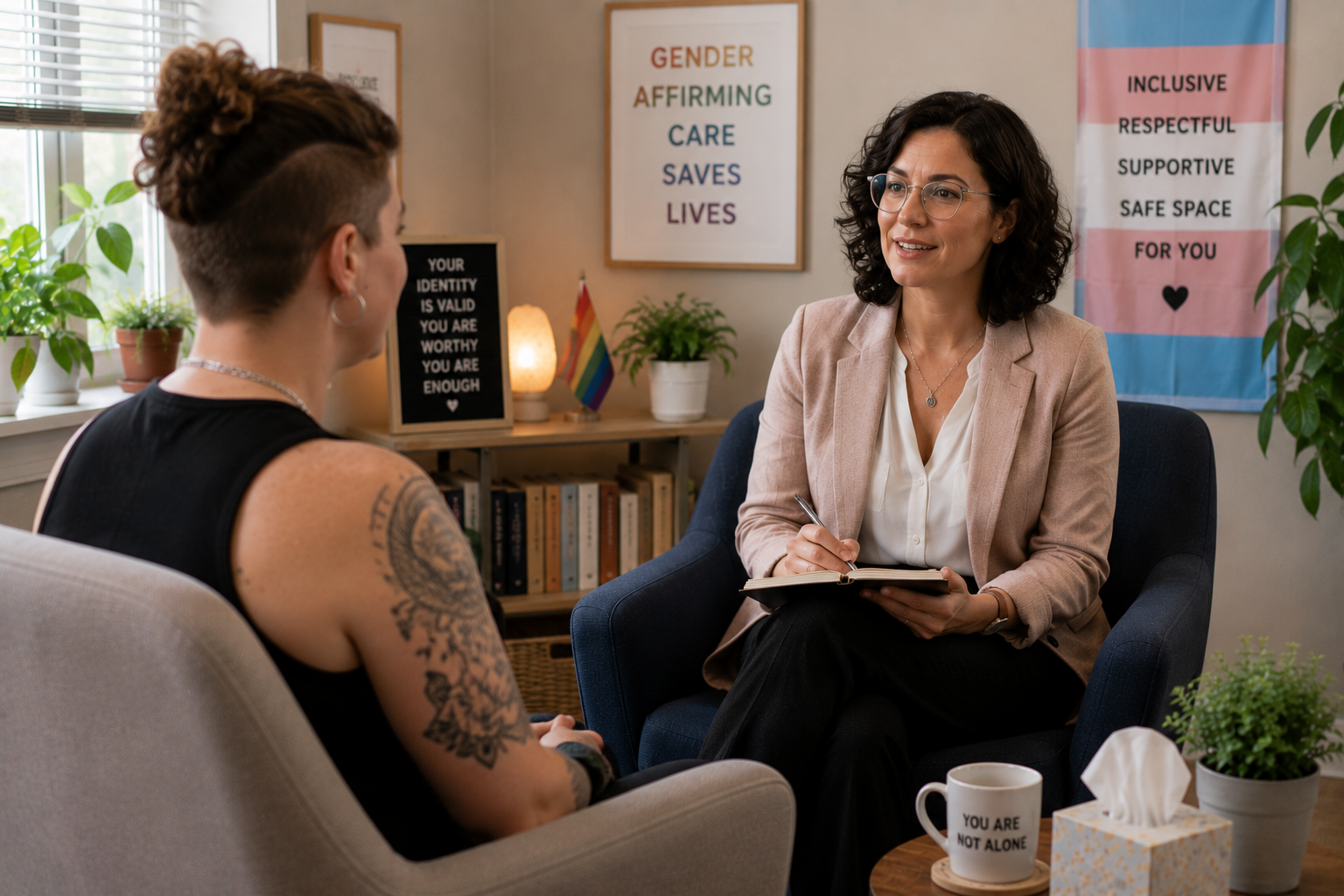
Gender therapist discussing identity exploration and mental health support with an adult client.

A gender therapist provides compassionate, evidence-based mental health support for individuals exploring, understanding, or expressing their gender identity. Therapy offers a safe and confidential environment where clients can discuss questions about identity, emotional well-being, relationships, family dynamics, life transitions, or experiences with discrimination without fear of judgment. Gender therapists also help individuals manage anxiety, depression, stress, trauma, and other mental health concerns that may or may not be related to gender identity. Rather than encouraging any specific outcome, an affirming therapist supports each client's personal goals while respecting their unique experiences, values, and pace. Treatment is personalized and may include emotional regulation skills, stress management strategies, communication techniques, and evidence-based therapeutic approaches tailored to individual needs. The goal is to help clients gain greater self-understanding, improve emotional well-being, strengthen resilience, and make informed decisions that align with their authentic selves. Gender therapy is ultimately about creating a supportive partnership that empowers individuals to live healthier, more fulfilling lives.

Who Can Benefit From Seeing a Gender Therapist?

Gender therapy is not limited to one group of people. Individuals seek support for many different reasons, and every person's journey is unique.

Exploring Gender Identity

Some people are questioning their gender identity and want a safe place to discuss their thoughts and experiences. Therapy provides an opportunity to explore these questions without pressure or judgment.

Experiencing Gender Dysphoria

For individuals experiencing distress related to the difference between their gender identity and assigned sex at birth, therapy can provide emotional support and practical coping strategies.

Managing Anxiety or Depression

Many people seek therapy because they are experiencing anxiety, depression, or stress. While these concerns may or may not be connected to gender identity, a gender-affirming therapist can provide personalized mental health support.

Navigating Family Relationships

Family conversations can sometimes feel difficult or emotionally overwhelming. Therapy may help individuals develop communication skills, establish healthy boundaries, and navigate complex family dynamics.

Relationship Challenges

Partners may face questions about communication, identity, intimacy, or life transitions. Counseling provides a supportive environment to strengthen understanding and improve relationships.

Building Confidence

Gender therapy can help individuals develop greater self-confidence, improve emotional resilience, and build a stronger sense of self-acceptance.

At Wellman Psychology, our Gender Therapist Chicago services are designed to support individuals wherever they are in their personal journey with compassion, respect, and evidence-based care.

Can a Gender Therapist Help With Gender Identity Exploration?

Yes. One of the primary roles of a gender therapist is to provide a supportive environment where individuals can explore their gender identity openly and honestly. Identity exploration is a deeply personal process, and every person's experience is unique.

A Safe Space for Honest Conversations

Therapy provides a confidential environment where you can discuss your thoughts, feelings, and questions without fear of criticism or pressure.

Encouraging Self-Discovery

Rather than directing your decisions, a gender therapist helps you better understand your own experiences, values, and goals. The focus remains on helping you make choices that feel authentic to you.

Building Confidence

Many individuals experience uncertainty while exploring identity. Therapy supports confidence by helping clients recognize their strengths, clarify personal values, and develop healthy coping skills.

Navigating the Coming Out Process

Coming out is a personal decision that looks different for everyone. Therapy can help individuals prepare emotionally, consider different situations, and build communication strategies for conversations with family, friends, or coworkers.

Supporting Emotional Wellbeing

Identity exploration can sometimes bring anxiety, uncertainty, or emotional stress. Therapy provides tools to manage these emotions while promoting resilience and self-compassion.

Strengthening Self-Acceptance

Perhaps one of the greatest benefits of gender therapy is developing greater self-understanding. As individuals become more comfortable with their authentic selves, many also experience improved confidence, stronger relationships, and greater emotional well-being.

At Wellman Psychology, we believe every individual deserves the opportunity to explore their identity in a respectful, affirming environment where they feel supported throughout every stage of their journey.


Do You Need Gender Dysphoria to See a Gender Therapist?

No. You do not need to experience gender dysphoria to benefit from working with a gender therapist. While some people seek therapy because they are experiencing distress related to their gender identity, many others pursue counseling for reasons that extend beyond dysphoria. Gender therapy is designed to support individuals wherever they are in their personal journey.

Some people begin therapy because they are questioning their identity and want a safe place to explore their thoughts. Others seek guidance during life transitions, relationship changes, family conversations, or while managing stress, anxiety, or depression. Therapy can also be valuable for individuals who simply want to better understand themselves and build greater confidence.

Working with a Gender Therapist Chicago professional means receiving care that is personalized to your unique goals rather than following a predetermined path. Sessions are collaborative, allowing you to move at your own pace while exploring topics that matter most to you. Whether you are seeking clarity, emotional support, or personal growth, gender-affirming therapy provides a respectful environment where your experiences and identity are valued.

What Happens During Gender Therapy?

If you have never attended therapy before, it is natural to wonder what your first appointment will be like. Every therapist has a unique style, but most gender therapy follows a collaborative and client-centered approach.

A Confidential and Welcoming Space

Your sessions are designed to be a place where you can speak openly about your experiences, emotions, relationships, and goals. Confidentiality helps create the trust needed for meaningful conversations.

Personalized Treatment Planning

There is no one-size-fits-all approach to gender therapy. During your first few sessions, your therapist will work with you to understand your concerns, strengths, and objectives before creating a personalized treatment plan.

Evidence-Based Therapy Techniques

Depending on your needs, therapy may include Cognitive Behavioral Therapy (CBT), Acceptance and Commitment Therapy (ACT), mindfulness practices, trauma-informed care, or other evidence-based approaches. These methods help clients manage emotions, reduce stress, and build healthier coping strategies.

Goal Setting

Therapy is most effective when guided by clear goals. Together, you and your therapist may focus on improving emotional well-being, strengthening relationships, increasing self-confidence, navigating life transitions, or developing practical coping skills.

Emotional Regulation and Coping Skills

Many clients learn strategies for managing anxiety, handling difficult emotions, improving communication, and responding to stressful situations in healthier ways. These skills often continue benefiting clients long after therapy has ended.

Ongoing Support

Growth takes time. Gender therapy provides consistent support as you continue learning about yourself, overcoming challenges, and making decisions that align with your values and personal goals.

Why Choose Wellman Psychology?

At Wellman Psychology, we believe every individual deserves compassionate, affirming care that respects their identity and life experiences. We understand that beginning therapy can feel like a significant step, and we are committed to creating an environment where every client feels welcomed, heard, and supported.

Our therapists provide evidence-based, gender-affirming mental health care tailored to each person's unique needs. Rather than making assumptions or encouraging a particular path, we work collaboratively with clients to understand their experiences and develop treatment plans that reflect their personal goals and values.

Through our Gender Therapist Chicago services, we help individuals navigate identity exploration, anxiety, depression, trauma, relationship concerns, family dynamics, life transitions, and everyday stress with compassion and professional expertise. We are dedicated to helping clients build resilience, strengthen emotional well-being, and develop greater confidence in themselves.

Whether you are exploring your identity, looking for emotional support, or simply seeking a safe place to talk, we are honored to be part of your journey.

Final Thoughts

Understanding what a Gender Therapist in Chicago does begins with recognizing that therapy is about supporting your personal growth, emotional well-being, and authentic self. Gender therapists provide a safe, respectful, and collaborative space where individuals can explore identity, navigate challenges, and build practical skills for everyday life.

There is no right or wrong reason to seek therapy. Whether you are questioning your identity, managing anxiety, strengthening relationships, or simply looking for greater clarity, professional support can help you move forward with confidence and self-compassion.

Choosing a therapist who understands your experiences and respects your individuality can make a meaningful difference in your mental health journey.

Schedule an Appointment

If you are looking for compassionate, gender-affirming mental health care, Wellman Psychology is here to support you. Our experienced therapists provide personalized, evidence-based care in a welcoming environment where you can explore your experiences, strengthen emotional well-being, and work toward your goals with confidence.

Schedule an appointment today to learn how our Gender Therapist Chicago services can support your journey toward greater self-understanding, resilience, and lasting emotional wellness.

Follow Wellman Psychology for additional mental health resources and updates:

Find out more articles that can help you below: