

Social Anxiety in Teens: What Parents Should Know

Social Anxiety in Teens: What Every Parent Should Know

Social anxiety in teens goes beyond simple shyness. It involves an intense fear of being judged, embarrassed, or rejected in social situations, which can interfere with daily life, school participation, and relationships. When these fears become persistent and begin to limit a teen’s ability to function comfortably, professional support can help them build confidence and coping skills.

Understanding the Quiet Struggle

Adolescence is a time of rapid emotional, social, and psychological change. Teens are navigating identity, peer relationships, academic pressure, and growing independence simultaneously. While some level of self-consciousness is normal, for many teens, social situations can feel overwhelming rather than manageable.

Social anxiety is not always obvious. A teen may appear quiet, reserved, or even well-behaved, while internally experiencing intense worry about how they are perceived. This internal struggle can shape how they interact with others, how they see themselves, and how they approach everyday situations.

For parents, recognizing the difference between typical shyness and deeper anxiety can be challenging. Understanding the signs and underlying causes is the first step toward providing meaningful support.

What Is Social Anxiety in Teens?

Social anxiety is a persistent fear of social or performance situations where a teen feels they may be judged or evaluated negatively.

This fear can apply to a wide range of situations, including speaking in class, meeting new people, participating in group activities, or even everyday interactions like ordering food or making small talk.

Unlike occasional nervousness, social anxiety tends to be intense, ongoing, and difficult for the teen to control. It often leads to avoidance behaviors, in which the teen withdraws from situations that trigger discomfort.

Over time, this avoidance can limit opportunities for growth, connection, and confidence-building.

Why Social Anxiety Develops During Adolescence

Teen years are particularly sensitive periods for social awareness and self-perception.

During this stage, teens become more aware of how others view them. They may place a strong emphasis on fitting in, being accepted, and avoiding embarrassment. Even small social missteps can feel magnified.

Biological changes also play a role. Hormonal shifts and brain development can increase emotional sensitivity and reactivity, making social experiences feel more intense.

Past experiences, such as bullying, rejection, or criticism, can also contribute to the development of social anxiety. A teen who has experienced negative social interactions may begin to anticipate similar outcomes in the future.

Family dynamics, personality traits, and environmental factors all interact to shape the development of social anxiety.

Common Signs of Social Anxiety in Teens

Social anxiety often reveals itself through patterns rather than isolated behaviors.

Teens may avoid social situations whenever possible. This can include skipping events, staying silent in class, or finding reasons to avoid interactions. What may appear as disinterest is often rooted in fear.

Physical symptoms are also common. A teen may experience sweating, trembling, rapid heartbeat, or nausea when faced with social situations. These reactions can make the experience feel even more overwhelming.

Emotionally, teens with social anxiety may struggle with intense self-doubt. They may replay conversations in their mind, worry about saying the wrong thing, or assume others are judging them negatively.

Over time, these patterns can affect their confidence and willingness to engage with the world around them.

How Social Anxiety Affects Daily Life

Social anxiety can influence nearly every aspect of a teen's life.

In school, it may lead to difficulty participating in class discussions, presenting in front of others, or asking for help. This can impact academic performance, even when the teen understands the material.

Socially, teens may struggle to form or maintain friendships. They may feel isolated or disconnected, even if they want to connect with others.

At home, parents may notice frustration, irritability, or withdrawal. A teen who feels overwhelmed socially may need time alone to recover, which can sometimes be misinterpreted as avoidance or defiance.

These challenges can create a cycle where anxiety leads to avoidance, and avoidance reinforces the anxiety.

The Difference Between Shyness and Social Anxiety

Shyness and social anxiety are often confused, but they are not the same.

Shyness is a personality trait. A shy teen may feel hesitant in new situations but can gradually warm up and engage over time.

Social anxiety, on the other hand, involves a deeper level of fear and distress. It does not simply fade with familiarity. Instead, it persists and often worsens without support.

A key difference is the level of impact. Social anxiety interferes with daily functioning, relationships, and opportunities, while shyness typically does not prevent a teen from participating altogether.

Understanding this distinction can help parents respond more effectively.

What Triggers Social Anxiety in Teens?

Triggers vary from one teen to another, but certain situations are commonly associated with increased anxiety.

Public speaking is a frequent trigger. Even small presentations can feel overwhelming. Group settings, such as parties or team activities, can also create discomfort due to the unpredictability of interactions.

Situations involving evaluation or judgment, such as tests, performances, or social media interactions, can heighten anxiety. Teens may worry about making mistakes or being negatively perceived.

Even everyday interactions, like starting a conversation or making eye contact, can feel stressful for a teen experiencing social anxiety.

Recognizing these triggers helps create opportunities for support and gradual exposure.

The Emotional Impact of Social Anxiety

Social anxiety can affect how teens see themselves.

They may develop a negative self-image and begin believing they are not good enough or that others are constantly judging them.

Feelings of loneliness are also common. Even when surrounded by peers, a teen may feel disconnected or misunderstood.

In some cases, social anxiety can contribute to other emotional challenges, such as depression or generalized anxiety.

Addressing these emotional patterns early can help prevent long-term difficulties.

When Should Parents Be Concerned?

It is important to seek support when social anxiety begins to interfere with your teen’s daily life.

If your teen consistently avoids social situations, experiences intense distress, or shows signs of declining academic or emotional well-being, it may be time to consider professional help.

You may also notice that your teen wants to engage but feels unable to. This internal conflict can be a strong indicator that they need additional support.

Early intervention can help your teen build confidence and develop healthier coping strategies.

For families exploring teen counselling, working with a professional can provide structured guidance tailored to your teen’s specific needs.

How Therapy Can Help Teens With Social Anxiety

Therapy offers a supportive space where teens can explore their thoughts and feelings without fear of judgment.

Through therapy, teens learn to identify negative thought patterns and replace them with more balanced perspectives. This process helps reduce the intensity of anxious thoughts.

They also develop practical coping strategies, such as relaxation techniques, communication skills, and gradual exposure to challenging situations.

Over time, therapy helps teens build confidence, improve social skills, and feel more comfortable navigating social environments.

Parents are often included in the process to support progress outside of sessions.

Supporting Your Teen at Home

Parents play a crucial role in helping teens manage social anxiety.

Creating a supportive and understanding environment can make a significant difference. This includes listening without judgment and validating your teen’s experiences.

Encouraging small, manageable steps toward social engagement can help build confidence over time. Progress may be gradual, but consistency is key.

It is also important to model healthy coping strategies. Teens often learn by observing how adults handle stress and social situations.

Patience and empathy are essential. Social anxiety is not something a teen can simply “get over” without support.

The Role of Schools and Social Environments

Schools can either ease or intensify social anxiety depending on the environment.

Supportive teachers and inclusive classrooms can help teens feel more comfortable participating. On the other hand, high-pressure or critical environments may increase anxiety.

Extracurricular activities, when approached at the right pace, can provide opportunities for positive social experiences.

Collaboration between parents, teachers, and mental health professionals can create a more supportive network for the teen.

Long-Term Outlook for Teens With Social Anxiety

With the right support, teens with social anxiety can develop strong coping skills and lead fulfilling lives.

Early intervention helps prevent avoidance patterns from becoming deeply ingrained. It also supports the development of confidence and resilience.

As teens learn to manage their anxiety, they often become more willing to take social risks and engage in new experiences.

Progress may take time, but meaningful growth is achievable with consistent support and guidance.

FAQs

How do I know if my teen has social anxiety or is just shy?

Shyness is typically temporary and situation-based, while social anxiety is more persistent and intense. A teen with social anxiety may avoid situations entirely or experience significant distress even when they want to participate. If the fear interferes with daily life, relationships, or school, it may be more than shyness.

Can social anxiety go away on its own?

In some cases, mild anxiety may improve over time as teens gain experience and confidence. However, more persistent or severe social anxiety often requires support to address underlying thought patterns and behaviors. Without intervention, it can continue into adulthood and affect long-term well-being.

How can I help my teen feel more comfortable socially?

Start by creating a safe and supportive environment where your teen feels heard and understood. Encourage small, gradual steps rather than pushing them into overwhelming situations. Consistency, patience, and positive reinforcement can help build confidence over time.

When should I seek professional help for my teen?

If your teen’s anxiety is persistent, worsening, or interfering with daily functioning, it is a good time to seek professional support. This includes avoidance of school, social isolation, or intense emotional distress. Early intervention can help your teen develop effective coping strategies and improve their overall well-being.

Final Thoughts

Social anxiety can quietly shape how teens experience the world, often limiting their ability to connect, participate, and feel confident in themselves. While it may not always be visible, its impact can be significant when left unaddressed.

Emotional growth and confidence are not fixed traits. They develop over time with the right support, understanding, and guidance. When teens are given the tools to manage anxiety, they can begin to approach social situations with greater ease and self-assurance.

If you are ready to take that next step, consider reaching out to Wellman Psychology. Our experienced team can help your teen build confidence, develop healthier coping strategies, and navigate social challenges with greater clarity and resilience. Get in touch with our experts now!

Follow Wellman Psychology for additional mental health resources and updates:

Find out more articles that can help you below:
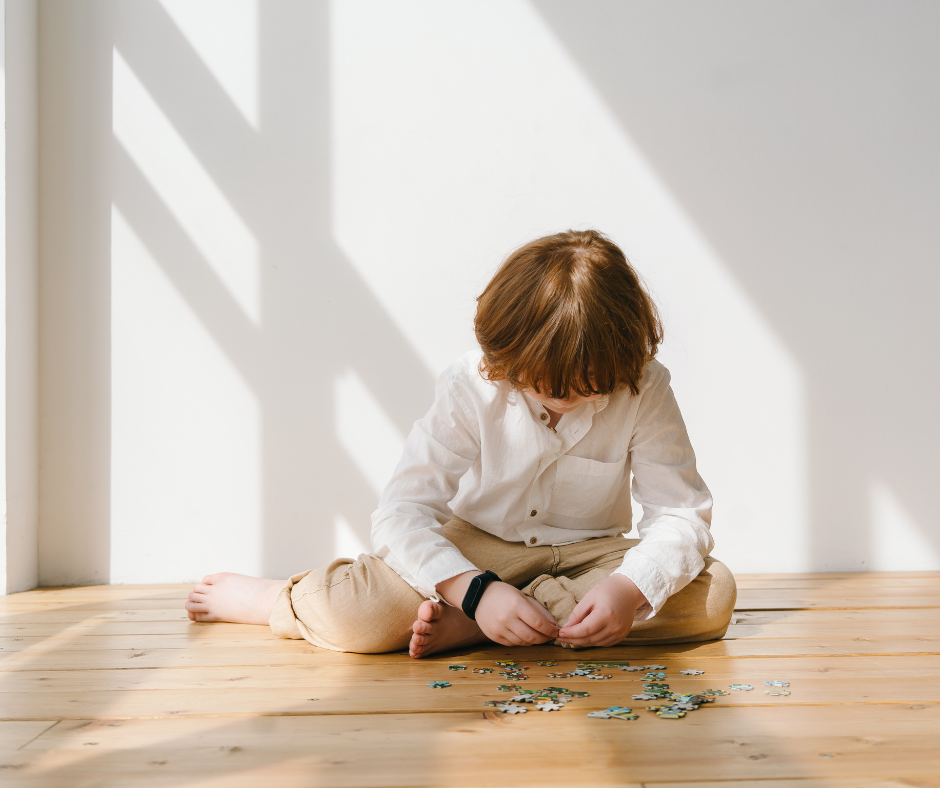
Signs Your Child Is Dealing With Hidden Stress

Signs Your Child Is Dealing With Hidden Stress at Home or School

Children do not always express stress in obvious ways. Hidden stress often shows up through subtle emotional, behavioral, or physical changes such as irritability, withdrawal, sleep issues, or unexplained physical complaints. When these signs persist or begin to affect daily functioning, it may be time to explore additional support.

Recognizing these early signals can help you respond in ways that support your child’s emotional well-being before stress becomes overwhelming.

The Stress You Cannot Always See

Children experience stress just like adults, but they often lack the words or awareness to express what they are feeling. Instead of saying they feel overwhelmed, they may show it through behavior, mood changes, or physical symptoms.

As a parent, it can be difficult to recognize when something is wrong, especially when the signs are subtle. A child may continue going to school, completing tasks, and interacting with others while quietly struggling internally.

Hidden stress can build over time. Without support, it may begin to affect your child’s emotional development, relationships, and sense of security.

Understanding what hidden stress looks like is the first step in providing meaningful support.

What Is Hidden Stress in Children?

Hidden stress refers to emotional strain that is not openly expressed or easily recognized.

Unlike visible distress, such as crying or tantrums, hidden stress may appear as small shifts in behavior or mood. These changes are often easy to overlook or attribute to normal development.

Children may not fully understand their own emotions or may feel unsure about how to talk about them. As a result, stress can remain internalized, gradually affecting how they think, feel, and behave.

Recognizing these patterns requires attention to changes over time rather than focusing on isolated incidents.

Why Children Often Do Not Express Stress Directly

Children process emotions differently than adults.

They may not have the vocabulary to describe what they are experiencing. Even when they do, they may hesitate to share because they do not want to worry their parents or feel misunderstood.

Some children learn to hide their feelings as a way to cope. They may try to appear fine on the surface while dealing with internal stress.

Others may not recognize their feelings as stress at all. They simply experience discomfort without understanding the cause.

This is why stress often shows up indirectly through behavior and physical symptoms.

Emotional Signs of Hidden Stress

One of the earliest indicators of hidden stress is a shift in your child’s emotional state.

You may notice increased irritability or mood swings that seem out of proportion to the situation. A child who was previously calm may become easily frustrated or upset.

Some children appear more anxious. They may worry excessively, seek reassurance, or show signs of fear in situations that previously felt manageable.

Others may seem unusually quiet or withdrawn. A decrease in emotional expression can sometimes signal that a child is internalizing their stress.

These emotional changes may be subtle at first but can become more noticeable over time.

Behavioral Changes That May Signal Stress

Behavior often provides important clues about how a child is coping internally.

A child dealing with hidden stress may begin to withdraw from activities they once enjoyed. They may avoid social interactions or show less interest in hobbies.

You may also notice changes in behavior at home or school. This can include increased defiance, difficulty following instructions, or sudden changes in habits.

Some children may become more clingy or seek constant reassurance. Others may do the opposite and isolate themselves.

These shifts often reflect underlying emotional strain rather than intentional misbehavior.

Physical Symptoms That Should Not Be Ignored

Stress often manifests physically in children.

Common signs include frequent headaches, stomachaches, or general fatigue without a clear medical explanation. These symptoms are real and can be distressing for your child.

Sleep disturbances are also common. Your child may have trouble falling asleep, wake up frequently, or feel tired even after resting.

Changes in appetite can also occur. Some children may eat less, while others may seek comfort in food.

When physical symptoms appear alongside emotional or behavioral changes, it is important to consider the possibility of stress.

Signs of Stress at School

School is one of the most common sources of stress for children.

You may notice a decline in academic performance or a sudden lack of motivation. Your child may express reluctance to go to school or complain of feeling unwell before leaving home.

Teachers may report changes in behavior, such as difficulty concentrating, withdrawal, or increased emotional reactions.

Even subtle changes, such as forgetfulness or disorganization, can indicate that your child is feeling overwhelmed.

Signs of Stress at Home

Stress does not only come from school. Home environments can also contribute.

Changes in family dynamics, routines, or expectations can affect how a child feels. Even positive changes, such as moving to a new home or welcoming a new sibling, can create stress.

At home, you may notice increased conflict, sensitivity to criticism, or difficulty managing everyday tasks.

These signs often reflect a child's attempt to cope with changes they may not fully understand.

The Long-Term Impact of Unaddressed Stress

When stress goes unrecognized, it can have lasting effects.

Children who experience ongoing stress may develop difficulties with emotional regulation. They may struggle with anxiety, low self-esteem, or challenges in relationships.

Over time, stress can also affect academic performance and motivation. A child who feels overwhelmed may find it harder to focus, learn, and engage.

Early recognition and support can help prevent these challenges from becoming more deeply rooted.

When to Consider Professional Support

It may be time to seek professional help if your child’s stress appears persistent, intensifies over time, or begins to affect daily functioning.

If emotional, behavioral, or physical symptoms do not improve despite your support, a professional can provide guidance and clarity.

You do not need to wait for a crisis. Early intervention can make a significant difference in how your child learns to cope with stress.

For families searching for the best child psychologist, professional support can offer the tools and understanding needed to help your child feel more secure and balanced.

How Therapy Can Help Children Manage Stress

Therapy provides a safe environment where children can explore their feelings and experiences.

Through guided support, children learn to identify emotions, understand triggers, and develop coping strategies. This process helps them feel more in control of their reactions.

Therapy also helps children build confidence and resilience. Over time, they become better equipped to handle challenges in a healthy and constructive way.

Parents are often included in the process to ensure that strategies are reinforced at home.

Supporting Your Child in Everyday Life

There are practical ways to support your child’s emotional well-being.

Creating a consistent routine can provide a sense of stability. When children know what to expect, they often feel more secure.

Open communication is also essential. Encouraging your child to share their thoughts and feelings without fear of judgment can help them feel understood.

Small moments of connection, such as spending time together or listening attentively, can make a meaningful difference.

Common Misconceptions About Childhood Stress

One common misconception is that children do not experience stress in the same way adults do. In reality, children can feel stress deeply, even if they express it differently.

Another misconception is that stress will simply pass on its own. While some situations resolve naturally, ongoing stress often requires support.

There is also a tendency to interpret behavioral changes as discipline issues rather than emotional signals. Understanding the underlying cause can lead to more effective responses.

Paying Attention to Subtle Changes

Hidden stress is not always easy to recognize, but it often reveals itself through small, consistent changes.

By paying attention to your child’s emotional, behavioral, and physical patterns, you can better understand what they may be experiencing.

Taking action early can help your child develop healthy coping skills and feel more supported in their daily life.

FAQs

How can I tell if my child is stressed but not showing it?

Children often show stress indirectly through behavior, mood, or physical symptoms rather than words. You may notice subtle changes, such as irritability, withdrawal, or physical discomfort without a clear cause. Looking for patterns over time can help you determine whether these changes are linked to underlying stress.

What are the most common hidden signs of stress in children?

Common signs include sleep disturbances, changes in appetite, increased sensitivity, and difficulty concentrating. Some children may also withdraw socially or lose interest in activities they once enjoyed. These signs may seem minor individually but can indicate stress when they persist or occur together.

Should I talk to my child about stress even if they seem fine?

Yes, open communication can help your child feel safe sharing their experiences, even if they are not showing obvious signs of stress. Asking gentle, open-ended questions allows your child to express themselves at their own pace. This also helps build trust and makes it easier for them to come to you when they need support.

When should I seek professional help for my child?

If your child’s symptoms persist, worsen, or begin to affect their daily life, it may be helpful to consult a professional. This includes changes in behavior, emotional regulation, or physical health that do not improve over time. Early support can help address concerns before they become more challenging.

Final Thoughts

Children may not always have the words to express what they are feeling, but their behavior and emotions often tell a deeper story. Hidden stress is not something to overlook, especially when small signs begin to form consistent patterns.

Emotional well-being develops over time, and children benefit from guidance as they learn to navigate challenges. With the right support, they can build the skills needed to manage stress in a healthy and confident way.

If you are ready to take that next step, consider reaching out to Wellman Psychology. Our experienced team can help your child better understand their emotions, develop effective coping strategies, and create a more balanced, supportive daily life. Get in touch with our experts now!

Feel free to check out our social media links below:

Find out more articles that can help you below:

How School Pressure Affects Teen Mental Health

How School Pressure Affects Teen Mental Health More Than Parents Realize

School pressure can significantly affect a teen’s mental health by increasing stress, anxiety, and emotional exhaustion. While some level of academic challenge is expected, ongoing pressure that impacts sleep, mood, self-esteem, or daily functioning may indicate a need for additional support.

Understanding how academic demands affect teens can help parents respond in ways that support both performance and well-being.

The Hidden Weight of Academic Expectations

For many teens, school is more than just a place to learn. It becomes a central part of their identity, their social life, and their sense of future success.

Parents often encourage their children to do well academically, hoping to set them up for future opportunities. While this intention is positive, the pressure to perform can sometimes become overwhelming.

Teens today face increasing expectations. From maintaining high grades to preparing for college, managing extracurricular activities, and navigating social dynamics, the demands can quickly add up.

What may not always be visible is how deeply this pressure can affect a teen’s mental and emotional well-being. This guide explores how school pressure impacts teens and how to recognize when it becomes too much.

What Is School Pressure?

School pressure refers to the stress and expectations placed on students related to academic performance, behavior, and future goals.

This pressure can come from multiple sources. Teachers may set high academic standards, while schools emphasize achievement and competition. Parents may have expectations based on their hopes for their child’s future. Teens may also place pressure on themselves, striving to meet internal goals or compare themselves to peers.

In many cases, it is not one single factor but the combination of expectations that creates a sense of constant pressure.

Why Teens Are Especially Vulnerable

Adolescence is a period of significant emotional and psychological development.

During this time, teens are forming their identity and developing a sense of self-worth. Academic success often becomes closely tied to how they see themselves.

At the same time, teens are still developing the skills needed to manage stress effectively. Their ability to balance responsibilities, manage emotions, and cope with challenges is still developing. 

This combination of high expectations and developing coping skills makes teens particularly vulnerable to the effects of school pressure.

Emotional Effects of Academic Stress

One of the most immediate impacts of school pressure is on a teen’s emotional state.

Teens experiencing high levels of academic stress may feel constantly anxious. They may worry about grades, deadlines, and the possibility of failure. This anxiety can make it difficult to relax, even during downtime.

Some teens experience feelings of sadness or hopelessness, especially if they feel they are not meeting expectations. Over time, this can affect their motivation and overall outlook.

Irritability is also common. Teens under pressure may become easily frustrated or reactive, particularly when they feel overwhelmed.

These emotional changes are often signals that the pressure has gone beyond what is manageable.

The Impact on Self-Esteem and Identity

School performance can become closely tied to a teen’s sense of self-worth.

When teens consistently feel that they are not doing well enough, they may begin to internalize these experiences. They may see themselves as incapable or not good enough, even when this is not the case.

Perfectionism can also develop in response to pressure. Teens may set unrealistically high standards for themselves and feel distressed when they are unable to meet them.

Over time, this can create a cycle in which self-esteem depends on performance, making it difficult for teens to feel confident in themselves outside academic success.

Behavioral Changes Linked to School Pressure

School-related stress often manifests as changes in behavior.

Some teens may begin to withdraw from social activities or lose interest in hobbies they once enjoyed. This can happen because they feel they need to focus entirely on school or because they are emotionally drained.

Others may begin procrastinating or avoiding tasks altogether. While this may appear as a lack of motivation, it is often a response to feeling overwhelmed.

Changes in sleep patterns are also common. Teens may stay up late to complete assignments or struggle to fall asleep due to anxiety. Over time, this lack of rest can further impact mood and concentration.

Physical Symptoms of Stress

The effects of school pressure are not only emotional but also physical.

Teens may experience headaches, stomachaches, or fatigue without a clear medical cause. These symptoms are often linked to ongoing stress.

When the body is under constant pressure, it can remain in a heightened state of alertness. This can make it difficult for teens to relax and recover, leading to a cycle of stress and exhaustion.

Recognizing these physical signs can provide important insight into how a teen is coping.

The Role of Social and Peer Pressure

Academic stress is often intertwined with social dynamics.

Teens may compare themselves to their peers, especially in competitive environments. Seeing others succeed can create a sense of pressure to keep up or do better.

Social media can amplify this effect. Highlighted achievements and curated successes can make teens feel as though they are falling behind.

This comparison can increase stress and contribute to feelings of inadequacy, even when a teen is performing well.

When School Pressure Becomes Too Much

There is a point at which school pressure shifts from being motivating to being harmful.

If a teen feels constantly overwhelmed, struggles to relax, or experiences ongoing anxiety or sadness, it may be a sign that the pressure is too high.

Other signs include a decline in academic performance despite effort, increased conflict at home, or withdrawal from relationships.

When stress begins to affect multiple areas of a teen’s life, it is important to take a closer look at what they are experiencing.

How Counseling Can Help Teens Cope

Counseling provides a supportive space where teens can explore their experiences and learn how to manage stress more effectively.

Through therapy, teens can develop coping strategies to better handle academic pressure. They can also work on building self-esteem and separating their sense of worth from their performance.

Counseling helps teens understand their thoughts and emotions, giving them tools to respond rather than react to stress.

For families considering teen counselling, professional support can offer guidance and reassurance during a time that often feels overwhelming.

What Therapy for Academic Stress Looks Like

Therapy sessions often focus on identifying sources of stress and understanding how they affect thoughts and behaviors.

Teens may learn time management skills, relaxation techniques, and ways to challenge negative thinking patterns. These strategies can help reduce anxiety and improve focus.

Therapists also work with teens to set realistic goals and develop a balanced approach to school and personal life.

In some cases, parents are involved to help create a supportive home environment.

Supporting Your Teen at Home

Parents play an important role in helping teens navigate school pressure.

Creating open lines of communication can help teens feel comfortable sharing their experiences. When teens feel heard, they are more likely to seek support when they need it.

Encouraging balance is also important. Teens benefit from having time to rest, engage in hobbies, and connect with others.

Setting realistic expectations and focusing on effort rather than perfection can help reduce pressure and support a healthier mindset.

Common Misconceptions About Academic Pressure

One common belief is that pressure always leads to better performance. While some level of challenge can be motivating, too much pressure often has the opposite effect.

Another misconception is that teens should be able to handle stress on their own. In reality, developing coping skills is a process that often requires guidance and support.

There is also a tendency to overlook emotional struggles if a teen is still performing well academically. However, high achievement does not always mean a teen is coping effectively.

Looking Beyond Grades

Academic success is important, but it should not come at the cost of a teen’s mental health.

By recognizing the signs of stress and understanding its impact, parents can provide meaningful support. Taking a balanced approach to education helps teens develop not only academically but also emotionally.

When teens feel supported, they are better able to manage challenges and build resilience for the future.

FAQs

How can I tell if school pressure is affecting my teen?

You may notice changes in mood, behavior, or daily routines. Signs such as increased anxiety, irritability, difficulty sleeping, or withdrawal from activities can indicate that your teen is feeling overwhelmed. Paying attention to patterns over time can help you determine whether the pressure is becoming too much.

What should I do if my teen feels overwhelmed by school?

Start by creating a supportive space where your teen feels comfortable talking about their experiences. Listening without judgment can help them feel supported, understood, and less alone. You can also help them break tasks into manageable steps and encourage healthy routines that support overall well-being.

Can academic stress lead to anxiety or depression?

Yes, prolonged academic stress can contribute to anxiety and, in some cases, depression. When teens feel constant pressure without adequate coping strategies, it can affect both their emotional and mental health. Early support can help prevent these challenges from becoming more severe.

How can therapy help with school-related stress?

Therapy can help teens develop practical tools to manage stress and improve emotional regulation. It also provides a space to explore underlying concerns and build confidence. Over time, this support can help teens approach school with a healthier and more balanced mindset.

Final Thoughts

Academic pressure is a common part of growing up, but it should not overwhelm a teen’s sense of well-being. When stress becomes constant or begins to affect mood, behavior, and daily functioning, it is important to take it seriously.

Emotional resilience is not something teens are expected to manage on their own. With the right support, they can learn to handle challenges in ways that promote both success and well-being.

If you are ready to take that next step, consider reaching out to Wellman Psychology. Our experienced team can help your teen build healthier coping strategies, improve emotional balance, and navigate academic pressures with greater confidence. Get in touch with our experts now!

Feel free to check out our social media links below:

Find out more articles that can help you below:

Emotional Outbursts in Kids: When to Seek Professional Help

Emotional Outbursts in Kids: When Is It Time to Seek Professional Help?

Emotional outbursts in children are a normal part of development, especially as they learn to regulate feelings and communicate their needs. However, when these outbursts become frequent, intense, or begin to interfere with daily life, relationships, or school functioning, it may be time to consider professional support.

Recognizing the difference between typical emotional expression and deeper emotional struggles can help you respond in ways that truly support your child’s growth.

Understanding Emotional Outbursts in Children

Every child experiences big emotions. Frustration, anger, sadness, and disappointment are all part of growing up. For many children, emotional outbursts are simply a reflection of still-developing coping skills.

As a parent, it can be challenging to know when these moments are part of normal development and when they signal something more serious. You may find yourself wondering whether your child will grow out of it or whether additional support is needed.

Emotional outbursts can feel overwhelming, especially when they happen frequently or seem disproportionate to the situation. They can also impact family dynamics, school experiences, and your child’s sense of confidence.

This guide will help you better understand what emotional outbursts mean, what causes them, and when it may be time to seek professional help.

What Are Emotional Outbursts?

Emotional outbursts are intense reactions that may include crying, yelling, anger, or physical expressions such as stomping or throwing objects. These reactions often occur when a child feels overwhelmed and lacks the skills to regulate their emotions effectively.

For younger children, outbursts are often linked to developmental stages. As children grow, they gradually learn how to identify emotions, communicate needs, and manage frustration.

However, not all outbursts are the same. Some are brief and situational, while others may be more frequent and harder to manage. Understanding the context and patterns behind these behaviors is key.

Why Emotional Regulation Is Still Developing

Children are not born with the ability to manage their emotions independently. Emotional regulation develops over time through experience, guidance, and support.

When a child becomes overwhelmed, their brain may shift into a reactive state. In this moment, logical thinking becomes more difficult, and emotional responses take over. This is why reasoning with a child during an intense outburst often feels ineffective.

Learning to regulate emotions involves recognizing feelings, understanding triggers, and developing coping strategies. These skills take time and practice to build.

Common Triggers Behind Emotional Outbursts

Emotional outbursts often have underlying triggers that may not be immediately obvious.

Some children react strongly to changes in routine or transitions between activities. Others may struggle with frustration when tasks feel too difficult or when expectations are unclear. Social challenges, such as peer conflicts, can also trigger emotional reactions.

Fatigue, hunger, and overstimulation can make it harder for children to regulate their emotions. Even small stressors can feel overwhelming when a child is already depleted.

Understanding these triggers can help you respond more effectively and reduce the likelihood of repeated outbursts.

When Emotional Outbursts Are Considered Typical

In many cases, emotional outbursts are a normal part of development.

Young children, in particular, may have limited language skills and rely on emotional expression to communicate their needs. Occasional meltdowns during stressful or frustrating situations are expected.

As long as the outbursts are relatively brief, decrease over time, and do not significantly interfere with daily life, they are usually part of typical development.

The key is observing whether your child is gradually learning to cope better over time.

Warning Signs That May Indicate a Deeper Concern

There are times when emotional outbursts go beyond what is developmentally expected.

If your child’s reactions are consistently intense, last for extended periods, or occur multiple times a day, this may indicate difficulty with emotional regulation. Outbursts that involve aggression toward others or self-harm should always be taken seriously.

You may also notice that your child struggles to calm down even with support. If recovery from an outburst takes a long time or seems to escalate rather than improve, it may be a sign of underlying stress or emotional challenges.

Another important factor is impact. If emotional outbursts are affecting your child’s ability to function at school, maintain friendships, or participate in daily activities, it may be time to seek additional support.

The Impact on Family and Daily Life

Frequent emotional outbursts can affect the entire family.

Parents may feel overwhelmed, unsure of how to respond, or concerned about making the situation worse. Siblings may feel confused or affected by the intensity of these moments.

Over time, repeated outbursts can create tension within the home and make daily routines more difficult to manage. This can create stress for both the child and the entire family.

Recognizing the broader impact is an important step in deciding when to seek help.

Emotional Outbursts and School Challenges

Children who struggle with emotional regulation often experience difficulties in school.

They may have trouble following instructions, managing frustration during tasks, or interacting with peers. Teachers may notice frequent disruptions, withdrawal, or emotional distress.

Academic performance can also be affected. When a child is overwhelmed emotionally, it becomes harder to focus, learn, and complete assignments.

These challenges can erode confidence and make school feel stressful rather than supportive.

Underlying Factors That May Contribute

Emotional outbursts can sometimes be linked to underlying emotional or developmental factors.

Anxiety, for example, can make children more sensitive to stress and more reactive to changes in their environment. Similarly, attention difficulties can impact impulse control and emotional regulation.

In some cases, children may be responding to life changes such as family transitions, social difficulties, or academic pressure. These experiences can create emotional strain that manifests in behavior.

Understanding the root cause is essential in providing the right kind of support.

How Professional Support Can Help

When emotional outbursts become difficult to manage, professional support can make a meaningful difference.

Therapy provides a safe space where children can learn to understand and express their emotions in healthier ways. Through structured guidance, they can develop coping strategies that help them manage frustration, anxiety, and other strong feelings.

Parents also benefit from professional support. Therapists can offer practical strategies for responding to outbursts that support emotional growth rather than escalating the situation.

For families seeking the best child psychologist, working with an experienced professional can provide clarity, reassurance, and effective tools for long-term improvement.

What Therapy for Children Typically Looks Like

Therapy for children is often tailored to their developmental level and individual needs.

Sessions may include play-based approaches, creative expression, and structured activities that help children explore their emotions. These methods allow children to communicate in ways that feel natural and engaging.

Over time, children learn to identify their feelings, recognize triggers, and practice coping strategies. This process builds emotional awareness and resilience.

Parents are often included in the process to ensure that strategies used in therapy can be reinforced at home.

When to Consider Seeking Help

You do not need to wait for a situation to become severe before seeking support.

If your child’s emotional outbursts are frequent, intense, or affecting their daily life, it may be helpful to consult with a professional. Even if you are unsure, an initial consultation can provide valuable insight.

Trusting your observations as a parent is important. If something feels concerning or different from typical behavior, it is worth exploring further.

Early support can help prevent challenges from becoming more deeply rooted over time.

Supporting Your Child at Home

There are ways to support your child’s emotional development within the home environment.

Creating a calm and predictable routine can help children feel more secure. When children know what to expect, they are often better able to manage transitions and changes.

Responding to outbursts with calmness rather than punishment can also make a difference. While boundaries are important, children benefit from guidance that helps them understand and manage their emotions.

Encouraging open communication and validating your child’s feelings can help them feel heard and supported.

Common Misconceptions About Emotional Outbursts

One common misconception is that children act out simply to gain attention. While attention may play a role, emotional outbursts are often a sign that a child is overwhelmed and lacks the tools to cope.

Another misconception is that strict discipline alone will resolve the issue. While structure is important, emotional regulation requires teaching and support, not just correction.

There is also a belief that children will automatically outgrow these behaviors. While some do, others benefit greatly from early intervention and guidance.

Recognizing When Support Matters

Emotional outbursts can be challenging, but they also provide insight into what a child may be experiencing internally.

By paying attention to patterns, intensity, and impact, you can better understand whether your child needs additional support. Taking action early can help your child develop the skills needed to manage emotions more effectively.

Support is not about fixing your child. It is about helping them grow in a way that feels safe, supported, and empowering.

FAQs

Are emotional outbursts normal for children?

Yes, emotional outbursts are a normal part of childhood development, especially in younger children who are still learning how to regulate their emotions. These reactions often occur when a child feels overwhelmed, frustrated, or unable to communicate their needs effectively. However, the frequency, intensity, and duration of these outbursts should gradually decrease as children develop stronger coping skills.

How do I know if my child’s outbursts are serious?

Outbursts may be a concern if they occur frequently, are unusually intense, or last for extended periods. It is also important to consider whether they are affecting your child’s ability to function at school, maintain friendships, or participate in daily activities. If the behavior persists or is difficult to manage despite your efforts, seeking professional guidance can help clarify the situation.

What should I do during an emotional outburst?

During an outburst, the most important step is to remain calm and provide your child with a sense of safety. Trying to reason or correct behavior in the moment may not be effective, as your child may be too overwhelmed to process information. Once things have calmed down, you can talk with your child about what happened and help them better understand their emotions.

Can therapy really help with emotional regulation?

Yes, therapy can be very effective in helping children develop emotional regulation skills. Through structured support, children learn to identify their emotions, understand triggers, and practice healthier ways of responding to stress. Over time, this can lead to improved behavior, stronger relationships, and greater emotional confidence.

Final Thoughts

Emotional development is a gradual process, and children often need guidance as they learn to navigate strong feelings. Emotional outbursts are not simply behaviors to correct but signals that a child may need support, understanding, and new coping tools.

With the right approach, children can learn to manage their emotions more effectively and build stronger, more positive relationships. Professional support can provide the structure and insight needed to help both children and parents move forward with greater confidence.

If you are ready to take that next step, consider reaching out to Wellman Psychology. Our experienced team offers compassionate care tailored to your child’s needs, helping families build healthier emotional patterns and a more balanced daily life. Get in touch with our experts now.

Feel free to check out our social media links below:

Find out more articles that can help you below:

How to Tell If Your Teen Needs Counseling Support

How to Tell If Your Teen Needs Counseling Support: Warning Signs Parents Should Know

If your teen is showing ongoing changes in mood, behavior, relationships, or daily functioning, it may be a sign they need counseling support. While some emotional ups and downs are a normal part of adolescence, persistent or worsening challenges that affect school, friendships, or family life should not be ignored.

Understanding the difference between typical development and deeper emotional distress can help you respond with clarity and care.

When Concern Turns Into Uncertainty

Parenting a teenager often comes with moments of uncertainty. You may notice subtle changes in your teen’s behavior or emotional state and wonder whether they are simply growing or quietly struggling.

Adolescence is a time of identity development, independence, and emotional shifts. Some moodiness and withdrawal can be expected. However, when these changes feel intense, prolonged, or out of character, it is natural to feel concerned.

Many parents find themselves asking the same question. Is this normal, or does my teen need help?

This guide is designed to help you better understand what your teen may be experiencing and how to recognize when additional support could make a meaningful difference.

What Is Normal Teen Behavior and What Is Not

Teenagers naturally go through periods of emotional fluctuation. They may become more private, spend more time with peers, and challenge boundaries as they develop their sense of identity.

These behaviors are part of growing up. They reflect a shift toward independence and self-discovery.

At the same time, there is a difference between temporary changes and ongoing struggles. When behaviors last for several weeks, increase in intensity, or begin to interfere with daily life, they may signal something deeper.

The key factors to pay attention to are duration, intensity, and impact. A short period of stress is expected. Ongoing distress that affects functioning is a sign that your teen may need additional support.

Emotional Warning Signs to Watch For

One of the most noticeable indicators is a change in your teen’s emotional state. If your teen seems persistently sad, low in energy, or disconnected from things they once enjoyed, this may go beyond typical moodiness.

You may also notice an increase in anxiety. This can appear as constant worry, difficulty relaxing, or physical symptoms such as headaches or stomach discomfort. Anxiety often builds gradually, making it harder to recognize at first.

Some teens express distress through irritability or anger rather than sadness. Frequent outbursts, frustration, or difficulty managing emotions can signal that they are feeling overwhelmed internally.

These emotional shifts can be important indicators of underlying stress, pressure, or unresolved experiences that your teen may not yet know how to express.

Behavioral Changes That May Signal a Problem

Behavioral changes often provide clear insight into how a teen is coping.

If your teen begins to withdraw from family or friends, this may indicate emotional distress. Occasional time alone is normal, but prolonged isolation can increase feelings of loneliness and disconnection.

Another common sign is a loss of interest in activities that once brought enjoyment. When hobbies, sports, or social interactions no longer feel appealing, it can reflect a deeper emotional struggle.

You may also notice changes in sleep patterns. Difficulty falling asleep, sleeping too much, or constant fatigue can all be connected to mental health challenges. Similarly, shifts in eating habits, whether eating significantly more or less, can be a response to stress or emotional discomfort.

These behavioral patterns often develop gradually, which is why it is important to look at the overall picture rather than a single moment.

Academic and School-Related Signs

School performance can be a strong indicator of a teen’s emotional well-being.

A sudden decline in grades may not simply be about motivation. It can reflect difficulty concentrating, low energy, or emotional overwhelm. Teens who are struggling internally often find it harder to stay focused or complete tasks.

Some teens may begin to avoid school altogether. This can stem from anxiety, social challenges, or feeling unable to cope with academic pressure. Complaints of physical illness before school or frequent requests to stay home may be signs of deeper concerns.

Even subtle changes, such as increased forgetfulness or difficulty organizing tasks, can signal that your teen is dealing with more than they can manage on their own.

Social and Relationship Changes

Relationships play a central role during adolescence. When something feels off socially, it can have a strong emotional impact.

You may notice your teen experiencing more conflict with friends or withdrawing from social situations altogether. They may struggle to communicate, become more defensive, or avoid conversations about their feelings.

These changes can reflect internal challenges such as low self-esteem, anxiety, or difficulty managing emotions. Teens often want connection but may not know how to maintain it when they are struggling.

Risk Behaviors That Require Immediate Attention

Some behaviors should never be overlooked.

If your teen begins engaging in substance use, self-harm, or expresses thoughts about death or suicide, it is important to seek professional support as soon as possible. These are signs that your teen may be experiencing significant emotional distress and needs immediate care.

Even if you are unsure how serious the situation is, it is always better to take these signs seriously and reach out for help.

Physical Symptoms of Emotional Distress

Emotional challenges do not always appear as obvious feelings. Many teens experience distress through physical symptoms.

They may complain of frequent headaches, stomach pain, or general fatigue without a clear medical cause. These physical experiences are often connected to stress or anxiety.

When the body carries emotional strain, it can show up in ways that feel confusing but are very real for your teen.

Why Teens Often Do Not Ask for Help

It is common for teens to keep their struggles to themselves.

They may worry about being judged or misunderstood. They may not fully understand what they are feeling or believe they should handle it on their own. Some teens fear disappointing their parents or appearing vulnerable.

Because of this, many teens do not openly ask for support. Instead, their emotions manifest as behavior, mood, or physical symptoms.

This is why your awareness as a parent is so important.

How Counseling Can Support Your Teen

Counseling offers a safe and structured environment where teens can explore their thoughts and emotions without fear of judgment.

Through therapy, teens learn to better understand their feelings, identify patterns in their thinking, and develop healthier coping strategies. Over time, this can improve confidence, emotional regulation, and communication.

Therapy is not about labeling or fixing your teen. It is about helping them build the skills they need to navigate challenges with greater clarity and resilience.

For families exploring counseling for teens, professional support can provide guidance during a time that often feels uncertain and overwhelming.

What Therapy for Teens Typically Looks Like

The first session usually focuses on building trust and understanding your teen’s experiences. This step is essential because a strong therapeutic relationship helps teens feel safe enough to open up.

As therapy continues, sessions may involve exploring thoughts, emotions, and behaviors in a way that feels manageable and supportive. Teens may learn coping strategies, practice communication skills, and gain insight into their experiences.

In some cases, therapists also work with parents to improve communication and provide guidance on supporting their teen at home.

When It May Be Time to Seek Help

You do not need to wait for a crisis to seek support.

If your teen’s challenges persist for several weeks, begin to affect daily life, or leave you feeling unsure about how to help, it may be time to consider counseling.

Trusting your instincts as a parent is important. If something feels different or concerning, reaching out for guidance can provide clarity and reassurance.

Supporting Your Teen at Home

One of the most helpful things you can do is create a space where your teen feels safe to talk. Let them know that their feelings are valid and that they will not be judged.

Listening without immediately offering solutions can make a meaningful difference. Many teens need to feel understood before they are ready to accept guidance.

Encouraging healthy routines, such as consistent sleep, balanced nutrition, and regular physical activity, can also support emotional well-being.

Small, steady efforts at home can complement professional support and help your teen feel more grounded.

Common Misconceptions About Teen Therapy

Some parents believe that teens will simply grow out of emotional struggles. While this can be true in some cases, others benefit greatly from early support.

Another misconception is that therapy is only for severe issues. In reality, therapy can help with everyday stress, emotional regulation, and personal growth.

There is also the belief that family support alone is enough. While family plays a crucial role, a therapist offers a neutral, trained perspective that can help teens open up in new ways.

Trust What You Notice

If you are noticing changes in your teen, it is worth paying attention.

You do not need to have all the answers right away. What matters is your willingness to understand and support your teen through what they are experiencing.

Early support can make a meaningful difference in how teens cope, grow, and move forward.

FAQs

How can I tell if my teen needs counseling or just time?

It can be difficult to tell the difference at first, especially because some emotional changes are a normal part of adolescence. However, if the behaviors or mood shifts last for several weeks, become more intense, or begin to interfere with school, relationships, or daily routines, it may be more than just a phase. Seeking professional guidance can provide clarity and help you better understand what your teen is experiencing.

What if my teen refuses to talk?

It is very common for teens to hesitate to open up about their feelings. Instead of forcing conversations, focus on creating a calm, non-judgmental environment where they feel safe expressing themselves at their own pace. Over time, consistent support and patience can make a difference, and a therapist can also help guide both you and your teen through this process.

How long does counseling usually last?

The length of counseling varies depending on your teen’s unique needs, goals, and challenges. Some teens benefit from short-term support focused on specific concerns, while others may need longer-term care to work through deeper emotional patterns. A therapist will typically assess progress over time and adjust the approach as needed.

Will I be involved in my teen’s therapy?

In many cases, parents take on a supportive role while still respecting the teen’s need for privacy and independence. Therapists often provide guidance to parents on how to support their teen at home and improve communication. This collaborative approach helps create a more consistent and supportive environment for your teen’s growth.

Final Thoughts

Emotional growth during adolescence is not always easy. Challenges with mood, behavior, or relationships do not mean something is wrong with your teen. They often mean your teen is navigating complex experiences and needs the right support.

Counseling can provide the tools needed to understand emotions, build healthier coping strategies, and develop confidence over time. With the right guidance, teens can learn to face challenges with greater clarity and resilience.

If you are ready to take that next step, consider reaching out to Wellman Psychology. Our experienced team provides compassionate, personalized care to help teens and families move forward with confidence and support. Get in touch with our experts today.

Feel free to check out our social media links below:

Find out more articles that can help you below: