

What Is Couples Counseling

What Is Couples Counseling and How Can It Help Your Relationship?

Every relationship goes through ups and downs. Even strong couples face moments of misunderstanding, stress, or emotional distance. When problems start to feel overwhelming, many people begin to ask an important question: What is couples counseling?

Couples counseling is not about blaming one partner or deciding who is right or wrong. It is about helping two people understand each other better, communicate more clearly, and rebuild trust and connection. Whether you are dealing with constant arguments, feeling disconnected, or simply want to strengthen your relationship, couples counseling can offer guidance and support in a safe and respectful space.

This guide explains what couples counseling is, how it works, who it is for, and how it can help relationships grow healthier over time.

What Is Couples Counseling?

What Is Couples Counseling

Simple Definition of Couples Counseling

Couples counseling is a type of therapy where two partners meet with a trained therapist to work on relationship challenges. The goal is to improve communication, resolve conflicts, and strengthen emotional connections.

During counseling, both partners are encouraged to share their thoughts and feelings openly. The therapist helps guide the conversation so that each person feels heard and understood. Sessions focus on learning new skills, understanding patterns, and finding healthier ways to relate to one another.

Who Couples Counseling Is For

Couples counseling is not only for married couples. It can help many types of relationships, including:

  • Married couples

  • Dating couples

  • Engaged couples

  • Long-term partners

  • Couples going through major life changes

No matter how long you have been together, counseling can be helpful at any stage of a relationship.

Why Do Couples Go to Counseling?

Common Relationship Challenges

Many couples seek counseling because they feel stuck in negative patterns. Some of the most common reasons couples start counseling include ongoing arguments, communication problems, trust issues, emotional distance, or stress caused by work, finances, or parenting.

Sometimes small misunderstandings build up over time and turn into larger problems. Counseling helps bring those issues into the open before they cause lasting damage.

Counseling Is Not Only for Crisis

A common myth is that couples counseling is only for relationships that are about to end. In reality, many couples use counseling as a way to strengthen their bond and prevent future problems.

Some couples start counseling simply to improve communication, prepare for marriage, or learn how to handle conflict in a healthier way. Counseling can be a form of relationship care, much like regular checkups are for physical health.

How Couples Counseling Works

What Happens in a Typical Session

In a couples counseling session, both partners meet with a therapist. The therapist may ask questions about your relationship, your goals, and the challenges you are facing.

Sessions usually involve guided conversations where each partner has time to speak without interruption. The therapist helps keep the discussion respectful and productive. Over time, you may work on specific skills such as listening, expressing needs, or managing emotions during conflict.

Role of the Therapist

The therapist does not take sides. Their role is to support both partners equally and help them understand each other’s perspectives. A good therapist creates a safe space where honest conversations can happen without fear of judgment.

Therapists also help couples identify unhealthy patterns and replace them with healthier behaviors.

What Issues Can Couples Counseling Help With?

Communication and Conflict

Many relationship problems come down to communication. Couples counseling helps partners learn how to express themselves clearly, listen actively, and respond with empathy rather than defensiveness.

Learning how to handle disagreements calmly can reduce arguments and improve emotional safety.

Trust and Infidelity

Trust issues can be deeply painful and difficult to navigate alone. Couples counseling provides a structured space to talk about trust, boundaries, and rebuilding connection after betrayal.

Healing takes time, but counseling can help guide the process in a healthy direction.

Life Changes and Stress

Major life events can put pressure on relationships. These may include becoming parents, changing jobs, moving, or dealing with illness or loss. Counseling helps couples support each other through change rather than grow apart.

Different Approaches Used in Couples Counseling

Talk-Based Counseling

This approach focuses on open conversation and understanding emotions. Couples explore their thoughts, feelings, and experiences to gain insight into how their relationship works.

Skills and Behavior-Based Approaches

Some therapists focus on teaching practical skills such as problem-solving, conflict management, and emotional regulation. These skills help couples handle challenges more effectively in daily life.

Emotion-Focused Approaches

Emotion-focused therapy helps couples understand deeper emotional needs and attachment patterns. It focuses on building emotional safety and strengthening the bond between partners.

Often, therapists combine several approaches depending on the couple’s needs.

What Couples Can Expect From Counseling

Short-Term vs Long-Term Counseling

Some couples attend counseling for a short period to address a specific issue. Others choose longer-term counseling to work through deeper patterns and build lasting change.

The length of counseling depends on your goals, challenges, and progress.

Progress Takes Time

Counseling is not a quick fix. Change happens gradually as couples practice new skills and ways of relating. Patience and commitment are important parts of the process.

Benefits of Couples Counseling

Better Communication

Couples often report improved communication as one of the biggest benefits. Learning how to talk and listen effectively can reduce misunderstandings and frustration.

Stronger Emotional Connection

Counseling helps couples reconnect emotionally. Feeling understood and supported can bring partners closer and increase trust and intimacy.

Healthier Problem Solving

Instead of repeating the same arguments, couples learn healthier ways to solve problems together. This leads to less stress and more cooperation.

When Is the Right Time to Start Couples Counseling?

Early Warning Signs

Some signs that couples counseling may be helpful include frequent arguments, feeling emotionally distant, difficulty resolving conflicts, or feeling misunderstood.

Starting counseling early can prevent small issues from becoming bigger problems.

Starting Before Problems Get Worse

You do not need to wait for a crisis to seek help. Many couples benefit from counseling even when things are mostly good but could be better.

Common Myths About Couples Counseling

Counseling Means the Relationship Is Failing

Seeking help does not mean your relationship has failed. It means you care enough to invest in improving it.

The Therapist Takes Sides

A professional therapist remains neutral and supports both partners equally. The goal is understanding and growth, not blame.

Is Couples Counseling Worth It?

Couples counseling can be one of the most valuable investments in a relationship. It provides tools, insight, and support that many couples never learned elsewhere.

When both partners are willing to participate, counseling can lead to healthier communication,  deeper connection, and greater relationship satisfaction.

Couples Counseling in Chicago

If you are looking for professional couples counseling, working with a trusted local provider matters. Wellman Psychology offers experienced and compassionate Couples Counseling Chicago services designed to support couples at every stage of their relationship.

Their therapists focus on creating a safe, supportive environment where couples can work toward positive change together.

Final Thoughts

So, what is couples counseling? It is a supportive process that helps partners understand each other better, communicate more clearly, and build a stronger, healthier relationship.

Whether you are facing challenges or simply want to grow closer, couples counseling offers guidance, tools, and hope for the future.

If you and your partner are ready to improve your relationship, Wellman Psychology’s Couples Counseling Chicago services are here to help. You can contact us today to speak with a caring professional who will guide you through the next steps. Taking action now can help you build a stronger and more connected future together.

Feel free to check out our social media links below:

Find out more articles that can help you below:

How Much Is Couples Counseling

How Much Is Couples Counseling? A Cost Breakdown for Every Budget

When couples start thinking about getting help for their relationship, one of the first questions that often comes up is: How Much Is Couples Counseling? It is a fair and important question. Counseling is an investment, and understanding the cost helps couples plan with confidence instead of uncertainty.

The truth is that couples counseling does not have one fixed price. Costs can vary based on location, therapist experience, session length, and whether you choose in-person or online counseling. The good news is that there are options for many different budgets, and counseling is often more affordable than people expect.

This guide explains how much couples counseling typically costs, what factors affect pricing, and how you can find support that fits both your relationship needs and your budget.

What Is Couples Counseling?

How Much Is Couples Counseling

Couples counseling is a type of therapy that helps partners improve their relationship. A trained therapist works with both people to understand challenges, improve communication, and rebuild trust. Couples may seek counseling for many reasons, including communication issues, frequent arguments, emotional distance, infidelity, stress, or major life changes.

Counseling is not only for couples in crisis. Many couples attend counseling to strengthen their relationship, learn better communication skills, or prevent small issues from becoming bigger problems.

How Much Does Couples Counseling Cost on Average?

On average, couples counseling sessions in the United States usually cost between $100 and $250 per session. Some sessions may cost less, while others may cost more, depending on several factors.

A typical session lasts between 50 and 90 minutes. Longer sessions often cost more, but they may allow more time for meaningful conversation and progress.

While this range may seem wide, understanding what affects the price can make it easier to decide what works best for you.

Factors That Affect the Cost of Couples Counseling

Therapist Experience and Credentials

Therapists with more training, certifications, or years of experience often charge higher fees. Specialists who focus specifically on couples counseling may also charge more because of their expertise.

This does not mean that lower-cost therapists are less effective. Many newer therapists provide excellent care at more affordable rates.

Session Length

Standard sessions are usually around 50 minutes. Some therapists offer longer sessions of 75 or 90 minutes, which can increase the cost. Longer sessions may be helpful for couples who want more time to work through complex issues.

Location

Where you live plays a big role in pricing. Counseling tends to cost more in larger cities and metropolitan areas. For example, couples counseling in Chicago often costs more than in smaller towns due to higher operating expenses.

In-Person vs Online Counseling

Online couples counseling is often more affordable than in-person sessions. Virtual therapy also saves time and travel costs, which can be appealing for busy couples.

Average Couples Counseling Costs by Type

Private Practice Therapists

Private therapists usually charge between $120 and $250 per session. These therapists often provide a more personalized experience and flexible scheduling.

Counseling Centers and Group Practices

Group practices or counseling centers may offer sessions ranging from $100 to $180 per session. These settings sometimes provide sliding scale options based on income.

Online Couples Counseling Platforms

Online counseling platforms often cost between $80 and $150 per session. Some platforms offer weekly or monthly plans that can lower the overall cost.

Community Clinics and Nonprofit Organizations

Community clinics and nonprofits may offer low-cost or sliding scale counseling, sometimes as low as $40 to $80 per session. Availability may be limited, but these options can be helpful for couples on a tight budget.

Does Insurance Cover Couples Counseling?

In many cases, insurance does not cover couples counseling because it focuses on the relationship rather than a single diagnosed mental health condition. However, there are exceptions.

If one partner has a diagnosed mental health condition such as depression or anxiety, insurance may cover individual therapy sessions that involve relationship discussions. It is always best to check directly with your insurance provider to understand your benefits.

How Many Sessions Do Couples Usually Need?

The number of sessions varies depending on the couple and the issues involved.

Some couples see improvement in as few as 6 to 10 sessions, especially if they are addressing specific communication problems. Others may attend counseling for several months to work through deeper or long-standing issues.

The total cost depends on how often you attend sessions and how long you stay in counseling. Many couples choose weekly or biweekly sessions.

Is Couples Counseling Worth the Cost?

For many couples, counseling is well worth the investment. It can improve communication, reduce conflict, and strengthen emotional connection. Counseling may also help couples avoid separation or divorce, which can be far more expensive emotionally and financially.

Learning healthy communication skills and problem-solving strategies can benefit a relationship for years, making counseling a long-term investment rather than a short-term expense.

How to Save Money on Couples Counseling

There are ways to make couples counseling more affordable.

Some therapists offer sliding scale fees based on income. Online counseling options can reduce costs. Attending sessions biweekly instead of weekly may also help manage expenses.

It is okay to ask therapists directly about pricing, payment plans, or package options. Many professionals are willing to work with couples to find a solution that fits their budget.

What to Ask Before Starting Couples Counseling

Before committing to counseling, it helps to ask a few key questions. Ask about session fees, length, cancellation policies, and how often sessions are recommended. Understanding expectations up front helps avoid surprises later.

Couples Counseling in Chicago

Chicago offers many couples counseling options, ranging from private practices to group clinics. Choosing a local provider allows for consistent care and a better understanding of the challenges couples face in busy urban environments.

Final Thoughts

So, how much is couples counseling? The answer depends on many factors, but there are options for almost every budget. Couples counseling is not a sign of failure. It is a proactive step toward healthier communication, stronger connections, and long-term relationship success.

Investing in your relationship now can save emotional pain and stress later. What matters most is finding support that feels right for both of you.

If you are considering couples counseling, Wellman Psychology’s Couples Counseling Chicago services are here to support you. Our experienced therapists provide a safe, understanding space to help couples reconnect and grow.

To learn more or begin your counseling journey, schedule an appointment today. Taking the first step can make a lasting difference in your relationship.

Feel free to check out our social media links below:

Find out more articles that can help you below:

Does Ketamine Make ADHD Worse

Does Ketamine Make ADHD Worse? What Research and Case Studies Say

Ketamine therapy has become more common in recent years, especially for people struggling with depression, anxiety, PTSD, and chronic pain. Because many individuals with ADHD also live with these conditions, they often wonder: Does ketamine make ADHD worse?

Some patients report feeling calmer or more focused after ketamine treatments. Others say they feel more distracted, restless, or emotionally sensitive. With so many mixed experiences, it is natural to ask whether ketamine helps or worsens ADHD symptoms. While research is still developing, early studies and clinical observations give us helpful clues.

This guide explains how ketamine works, how it interacts with ADHD symptoms, why some people notice improvement, and why others feel temporarily worse. The goal is to help you understand what is happening in the brain so you can make informed decisions about your mental health.

Understanding ADHD and How It Affects the Brain

Does Ketamine Make ADHD Worse

ADHD affects the brain networks responsible for:

  • Attention and focus

  • Emotional regulation

  • Impulse control

  • Working memory

  • Planning and organization

  • Motivation

People with ADHD have differences in dopamine and norepinephrine activity, which can make focusing, completing tasks, and managing emotions more difficult. ADHD also affects how the brain responds to new medications, including ketamine.

Because ADHD brains already work harder to regulate emotions and stay organized, anything that alters brain chemistry including ketamine can temporarily shift symptoms.

What Ketamine Is and How It Works

Ketamine was originally developed as an anesthetic. Today, doctors use low-dose ketamine or ketamine assisted therapy to help treat:

  • Treatment-resistant depression

  • Severe anxiety

  • PTSD

  • Chronic pain

  • Suicidal thoughts

How ketamine affects the brain

Ketamine increases glutamate, a neurotransmitter that helps the brain form new connections. It also boosts neuroplasticity, which means the brain becomes more flexible and open to change.

People often describe ketamine as:

  • Calming

  • Dissociative

  • Emotionally freeing

  • Mentally shifting

But because it temporarily alters perception and thinking, it can also influence attention, impulsivity, and emotional responses, all important in ADHD.

Can Ketamine Make ADHD Worse?

Here is the most important takeaway:

Research does not show that ketamine directly worsens ADHD, but it can temporarily intensify certain symptoms in some people.

Responses vary widely. Some individuals with ADHD say ketamine helps them feel more relaxed and emotionally clear. Others say it increases their distractibility, restlessness, or impulsivity for a short time.

The differences come from:

  • Individual brain chemistry

  • Dosage

  • Sensitivity to dissociation

  • ADHD-related emotional regulation challenges

  • Co-occurring conditions like anxiety

  • Sleep quality after treatment

So while ketamine does not cause ADHD or make it permanently worse, it can temporarily shift the severity of symptoms.

Six Reasons Why Ketamine Might Worsen ADHD Symptoms

 Not everyone with ADHD has a negative experience, but here are the most common reasons ADHD symptoms may feel worse after ketamine treatment.

1. Increased Restlessness or Hyperactivity

Some people feel physically or mentally "wired" during or after ketamine sessions. This can feel like heightened ADHD restlessness or hyperactivity.

2. Dissociation Can Make Focus Harder

One of ketamine's primary effects is dissociation, a sense of detachment or mental fog. For people with ADHD, even mild dissociation can make:

  • Attention weaker

  • Thoughts more scattered

  • Planning more difficult

  • Conversations are harder to follow

This temporary effect can feel like ADHD symptoms intensifying.

3. Emotional Ups and Downs

ADHD already affects emotional regulation significantly. Ketamine can temporarily intensify emotions in some individuals with ADHD, leading to:

  • Irritability

  • Crying spells

  • Frustration

  • Impulsive decisions

These effects usually fade within 24–72 hours, but can feel overwhelming for people with ADHD.

4. Overstimulation of Brain Pathways

Ketamine boosts glutamate, which stimulates parts of the brain involved in attention. In some people with ADHD, this feels calming. In others, it feels overwhelming, like the ADHD brain is running too fast.

5. Sleep Disruptions

If ketamine affects your sleep, your ADHD symptoms may spike the next day. Sleep has a major impact on:

  • Focus

  • Emotional regulation

  • Memory

  • Motivation

Poor sleep dramatically worsens ADHD symptoms, and ketamine can sometimes disrupt sleep patterns.

6. Sensory Sensitivity

People with ADHD often have strong sensory responses. The physical sensations of ketamine may feel intense or uncomfortable for sensitive ADHD brains, leading to distraction or anxiety.

Why Ketamine Might Improve ADHD Symptoms for Some People

Not all effects are negative. Many individuals with ADHD report that ketamine temporarily improves certain symptoms.

1. Mood Improvements Reduce ADHD Stress

Because ketamine can quickly reduce depression and anxiety, it indirectly improves attention.
When emotional pressure drops, it becomes easier to:

  • focus

  • think clearly

  • follow through

  • manage tasks

2. Better Emotional Regulation

Some patients describe feeling calmer and more grounded after treatment. Less emotional overwhelm means fewer ADHD flare ups.

3. Increased Cognitive Flexibility

Ketamine can temporarily open up new thought patterns, helping people:

  • problem solve

  • reflect

  • shift perspectives

  • break negative thinking cycles

For people with ADHD, this may reduce mental rigidity.

4. Boosted Motivation

Some people feel more motivated after treatment because their depression or anxiety symptoms are lighter.

These benefits tend to be short-term, but they can make daily life feel easier.

ADHD Symptoms Most Likely to Change After Ketamine

Symptoms that may worsen temporarily:

  • Distractibility

  • Restlessness

  • Forgetfulness

  • Racing thoughts

  • Impulsivity

  • Emotional reactions

Symptoms that may improve temporarily:

  • Mood

  • Anxiety

  • Rumination

  • Emotional overwhelm

  • Negative thinking

The effects vary person to person.

Is Ketamine Safe for People With ADHD?

Ketamine can be safe when used under professional supervision and when the provider understands ADHD. However, caution is needed.

Ketamine may be less suitable if you have:

  • Severe impulsivity

  • Panic symptoms

  • Unstable emotional regulation

  • Bipolar disorder

  • A history of substance misuse

  • Trauma-related dissociation

These factors increase the chance of uncomfortable side effects.

Important Questions to Ask Before Trying Ketamine

If you are considering ketamine treatment, ask your provider:

  • “How might ketamine affect my ADHD symptoms?”

  • “Should I adjust my ADHD medication before treatment?”

  • “Do you have experience treating ADHD patients?”

  • “How long does dissociation usually last?”

  • “What should I do if I feel overly stimulated afterward?”

  • “Will you monitor my response over time?”

Being proactive helps you avoid negative outcomes.

How Long Do ADHD Symptoms Change After Ketamine?

In most cases, ketamine’s effects on ADHD symptoms last:

  • 24 to 72 hours for mild changes

  • up to a week if emotional sensitivity is strong


Persistent worsening is rare. If you experience long-term difficulty, it may mean ketamine is not the right treatment for you.

Who Should Use Extra Caution With Ketamine?

People with ADHD who also have:

  • Emotional dysregulation

  • Rejection sensitivity

  • Trauma history

  • Sleep problems

  • High anxiety

  • Sensory sensitivity

  • Impulse control challenges

are more likely to notice intensified symptoms.

Ketamine is not unsafe for these individuals, but careful monitoring is important.

Signs Ketamine Is Affecting ADHD Negatively

Watch for:

  • Difficulty concentrating

  • Increased impulsivity

  • Restlessness

  • Irritability

  • Disconnection or brain fog

  • Poor sleep

  • Emotional swings

  • Forgetfulness

  • Trouble completing tasks

If these symptoms appear, tell your provider before continuing treatment.

Alternatives to Ketamine for People With ADHD

If you want to treat mood issues or emotional regulation difficulties without ketamine, consider:

  • Cognitive behavioral learning

  • Executive functioning skills training

  • Emotion regulation coaching

  • ADHD medication adjustments

  • Nervous system regulation practices

  • Sleep improvement strategies

  • Mindfulness and grounding skills

  • Routine building and planning systems

These methods address the root issues behind ADHD stress and mood difficulties.

How Cognitive Behavioral Learning Helps People With ADHD

Cognitive Behavioral Learning (CBL) is one of the most effective tools for people with ADHD who also struggle with stress, mood swings, or emotional overwhelm.

CBL helps improve:

  • Emotional control

  • Problem-solving

  • Daily routines

  • Task initiation

  • Coping strategies

  • Attention control

  • Self-awareness

  • Confidence

At Wellman Psychology, CBL is personalized for each person’s unique challenges, making it a powerful alternative or complement to medical treatments.

Final Thoughts

So, does ketamine make ADHD worse? Not necessarily, but it can temporarily intensify symptoms like distractibility, impulsivity, and restlessness in some people with ADHD. Others experience the opposite: improved emotional regulation and clearer thinking due to reduced anxiety or depression.

Everyone's brain with ADHD responds differently. The key is understanding your unique needs, monitoring reactions closely, and choosing a treatment approach that supports your long-term well-being while managing ADHD effectively.

You don't have to make these decisions alone. Support is available, and there are many safe, effective tools for managing ADHD and improving daily functioning—with or without ketamine.

Get Expert Support for ADHD Management With Us Now!

If you are unsure whether ketamine is right for you or you want support managing ADHD symptoms, Wellman Psychology can help. Our Cognitive Behavioral Therapist Chicago team offers structured, practical strategies for emotional regulation, executive functioning, and attention skills. To get personalized care, just schedule a consultation today!

Feel free to check out our social media links below:

Find out more articles that can help you below:
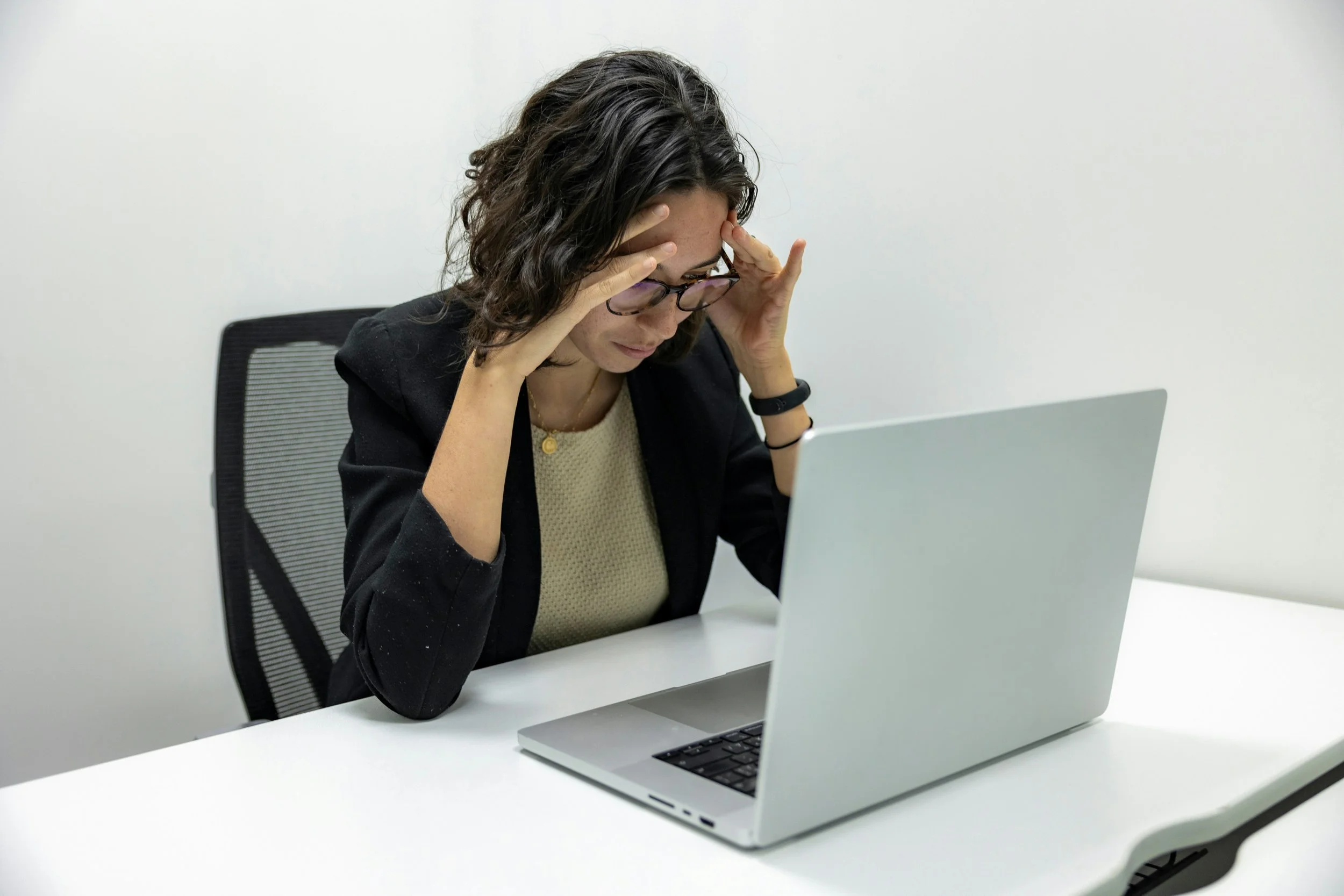
Can Stress Make ADHD Worse

Can Stress Make ADHD Worse? Here's How to Break the Cycle

If you live with ADHD or care for someone who does, you may have noticed symptoms get stronger during stressful times. Simple tasks feel harder. Focusing becomes a struggle. Emotions feel more intense. Even small problems seem overwhelming. This leaves many people wondering: Can stress make ADHD worse?

The short answer is yes. Stress does not cause ADHD, but it can significantly intensify the symptoms. Children, teens, and adults with ADHD are more sensitive to stress, and their brains react differently compared to people without ADHD. Stress can weaken attention, increase impulsivity, and make emotional regulation harder. This creates what many call the “ADHD stress loop,” where stress worsens symptoms, and those symptoms create even more stress.

In this guide, we will break down why stress affects the ADHD brain so strongly, how to recognize stress related symptoms, and simple steps you can take to reduce the impact. 

Understanding ADHD and the Brain

Can Stress Make ADHD Worse

Before talking about stress, it helps to understand ADHD itself. ADHD is a neurodevelopmental condition that affects the brain systems responsible for:

  • Attention and focus

  • Motivation

  • Working memory

  • Emotional regulation

  • Impulse control

  • Planning

  • Organization

  • Time management

These skills are known as executive functions. For people with ADHD, these systems work differently and require more effort to manage daily tasks.

When you add stress to the mix, these already sensitive brain systems become overloaded very easily.

What Stress Does to the Brain (and Why ADHD Brains React Strongly)

Stress triggers a very real physical reaction in the brain.

When you feel stressed, your body releases hormones like cortisol and adrenaline. These chemicals put your brain into “survival mode,” making it harder to:

  • Think clearly

  • Remember things

  • Manage emotions

  • Sit still

  • Make decisions

This is true for everyone, but in ADHD brains, stress hits even harder.

Why ADHD Brains Feel Stress More Strongly

  • They already work harder to stay organized and focused.

  • Executive functioning is more vulnerable to overload.

  • Emotional regulation is more sensitive and reactive.

  • Sleep disruption affects ADHD more intensely.

  • The ADHD brain is wired to be easily overwhelmed.

So when stress appears, ADHD symptoms naturally spike.

Can Stress Make ADHD Worse?

Yes. Stress can significantly worsen ADHD symptoms in both children and adults.

Stress does not create ADHD, but it can turn mild or manageable symptoms into major challenges.

Stress commonly worsens:

  • Distractibility

  • Forgetfulness

  • Impulsivity

  • Irritability

  • Emotional ups and downs

  • Difficulty starting tasks

  • Restlessness

  • Trouble transitioning between tasks

  • Avoidance behaviors

  • Mental fatigue

This is why a person with ADHD may function well one day and struggle the next stress levels strongly influence symptoms.

Signs That Stress Is Making ADHD Symptoms Worse

You may notice certain symptoms becoming more intense when stress increases. Here are common signs:

1. More Forgetfulness

Losing items, forgetting appointments, or leaving tasks half finished.

2. Difficulty Focusing

Even enjoyable tasks become hard to pay attention to.

3. Emotional Overreactions

Crying easily, snapping at others, or feeling overwhelmed quickly.

4. Trouble Starting Tasks

Feeling “stuck,” frozen, or mentally overloaded.

5. Avoiding Responsibilities

Putting off schoolwork, emails, chores, or conversations.

6. Physical Restlessness

Feeling tense, fidgety, or unable to sit still.

7. Exhaustion

Mental fatigue after simple tasks.

8. Increased Impulsivity

Making quick decisions without thinking or acting out of frustration.

9. Sleep Problems

Trouble falling asleep or waking up often.

When these symptoms cluster together, stress is usually the trigger.

Why Stress Makes ADHD Symptoms Worse

Stress affects the brain in several ways that directly overlap with ADHD challenges.

1. Stress Reduces Working Memory

Working memory helps you remember:

  • Questions

  • Instructions

  • Tasks

  • Information during conversations

When stress rises, working memory becomes less reliable in the ADHD brain, making daily tasks harder.

2. Stress Overloads Executive Functioning

Executive functioning helps you:

  • Plan

  • Organize

  • Start tasks

  • Manage time

  • Solve problems

Stress overwhelms these ADHD-affected systems, creating confusion and mental fog.

3. Stress Makes Emotional Regulation Harder

People with ADHD feel emotions strongly. Stress intensifies this sensitivity, causing:

  • Irritability

  • Frustration

  • Mood swings

  • Anxiety

  • Shutting down

Emotional dysregulation is already a challenge in ADHD; stress makes it worse.

4. Stress Lowers Dopamine Levels

People with ADHD naturally have lower dopamine activity. Stress drops dopamine even more, making it harder to:

  • Focus

  • Stay motivated

  • Finish tasks

This explains why stress makes ADHD motivation problems worse.

5. Stress Increases Avoidance

When tasks feel overwhelming to the ADHD brain, it chooses the easiest response: avoidance. Unfortunately, avoidance leads to more stress later.

6. Stress Disrupts Sleep

Poor sleep magnifies ADHD symptoms the next day, creating a cycle of fatigue and worsening focus that makes ADHD harder to manage.

The ADHD Stress Loop: How It Works

This loop explains why life can feel harder during stressful times:

  1. Stress increases.

  2. ADHD symptoms worsen.

  3. Tasks become harder to complete.

  4. Overwhelm increases.

  5. Avoidance grows.

  6. Stress increases again.

If not interrupted, this loop can lead to burnout.

Common Stress Triggers for People With ADHD

Certain situations trigger stress more easily for people with ADHD:

  • pressure at work or school

  • high expectations

  • deadlines

  • clutter or disorganization

  • relationship conflict

  • financial worries

  • unexpected changes

  • loud environments

  • multitasking

  • time pressure

  • chronic lack of sleep

Knowing your triggers helps reduce the impact.

The Difference Between ADHD Symptoms and Stress Symptoms

Even though they overlap, ADHD and stress are not the same.

ADHD Symptoms:

  • lifelong

  • present even on calm days

  • related to attention and executive functioning

Stress Symptoms:

  • fluctuate depending on life events

  • involve tension, fatigue, or irritability

  • may appear suddenly

Stress makes ADHD worse, but treating stress often improves symptoms quickly.

How to Break the ADHD Stress Loop: Seven Practical Strategies

Breaking the cycle doesn't require huge changes. Small steps can make a big difference when stress is worsening your ADHD.

1. Create Predictable Routines

Routine reduces the mental load of decision-making for the ADHD brain. It also helps regulate mood and energy.

2. Break Tasks Into Small Steps

Large tasks feel overwhelming to the ADHD brain. Small steps feel manageable.

Example: Instead of "clean the kitchen," try:

  • Put dishes in the sink

  • Wipe the counters

  • Sweep the floor

Each step gives the ADHD brain a quick win.

3. Use External Tools

These reduce mental pressure on ADHD executive functions:

  • Timers

  • Reminders

  • Calendars

  • Visual checklists

  • Phone apps

  • Sticky notes

External supports help when ADHD working memory feels strained by stress.

4. Build Emotional Regulation Skills

Emotional tools help calm the ADHD brain during stress.

Examples:

  • Deep breathing

  • Grounding techniques

  • Pausing before reacting

  • Labeling emotions

  • Writing down thoughts

These help prevent overwhelm when stress affects ADHD symptoms.

5. Reduce Clutter

A messy environment increases stress and makes focusing harder for the ADHD brain. Even five minutes of decluttering helps.

6. Prioritize Sleep

Sleep is one of the most important stress management tools for ADHD. Poor sleep worsens:

  • Focus

  • Mood

  • Impulse control

  • Memory

Aim for a consistent bedtime routine crucial when stress is making ADHD worse.

7. Avoid Multitasking

Multitasking overloads ADHD executive functioning. Instead, practice focusing on one task at a time.

Cognitive Learning Solutions for ADHD and Stress

Cognitive learning supports both ADHD and stress by teaching practical, brain-based skills. It includes:

  • emotional self-regulation

  • problem-solving strategies

  • building routines and habits

  • developing coping skills

  • strengthening working memory

  • reducing overwhelm

  • improving communication

  • increasing confidence

At Wellman Psychology, Cognitive Learning Solutions Chicago are personalized to each person’s challenges, strengths, and goals. These tools help break the stress loop and improve day-to-day functioning.

When to Seek Professional Support for ADHD and Stress

It may be time to get help if:

  • You feel overwhelmed most days

  • ADHD symptoms consistently worsen during stressful periods

  • Avoidance is increasing

  • Work or school becomes difficult

  • You feel emotionally exhausted

  • Relationships suffer

  • Stress affects your sleep or health

  • The ADHD stress loop feels impossible to break

Getting support early prevents burnout and improves long-term functioning for people with ADHD.

Final Thoughts

So, can stress make ADHD worse?
Yes. Stress can significantly increase ADHD symptoms and make daily tasks feel much harder. The ADHD brain is sensitive to overwhelm, and stress affects the areas responsible for attention, memory, and emotional regulation.

However, you can break the stress loop. With emotional skills, structured routines, supportive tools, and personalized cognitive learning, both stress and ADHD symptoms become more manageable. Many people find that once they reduce stress, they regain confidence, focus, and stability in their daily lives.

Support is available, and you do not have to manage it alone.

If stress is intensifying your ADHD symptoms or making daily life harder, Wellman Psychology can help. Our Cognitive Learning Solutions Chicago team teaches practical emotional regulation, organization, and stress management strategies that create real, long-lasting change. To get personalized support, simply contact us today.

Feel free to check out our social media links below:

Find out more articles that can help you below:

Are Mood Swings a Symptom of ADHD

Are Mood Swings a Symptom of ADHD or Something Else?

If you or your child has ADHD, you may have noticed sudden emotional ups and downs, excitement turning into frustration quickly, or calm moments shifting to irritation without much warning. This often leads people to ask: Are mood swings a symptom of ADHD?

The short answer is yes. Mood swings can be connected to ADHD because ADHD affects much more than focus and attention. It also affects emotional regulation, impulse control, and the brain systems that manage stress. But mood swings can also come from anxiety, depression, trauma, or other mental health conditions, so understanding the difference is important.

In this guide, we will break down why mood swings happen, how to know if they are ADHD related, when they might be something else, and what you can do to manage them. This will help you understand what is really going on beneath these emotional shifts.

What ADHD Really Affects (More Than Attention)

Are Mood Swings a Symptom of ADHD

ADHD is often described as an attention disorder, but this is only part of the story. ADHD also affects executive functioning, which includes:

  • Planning and organization

  • Emotional control

  • Impulse control

  • Working memory

  • Organization

  • Staying on task

  • Shifting between activities

These abilities come from the frontal lobe of the brain, the same area responsible for regulating emotions.

Because ADHD affects this part of the brain, emotional difficulty is extremely common. Many people with ADHD feel emotions more intensely and have a harder time calming down once upset.

So mood swings are not “bad behavior” or “overreacting.” They are part of how the ADHD brain works.

Are Mood Swings a Symptom of ADHD?

Yes. Mood swings can absolutely be a symptom of ADHD, especially in people who struggle with emotional regulation.

Most people with ADHD experience:

  • Fast emotional reactions

  • Strong emotional intensity

  • Difficulty calming down

  • Overwhelm during stress

  • Frustration that builds quickly

  • Sudden shifts in mood

These shifts happen because the ADHD brain struggles to filter and manage emotional signals. Instead of gradually rising and falling, emotions can spike quickly and drop just as fast.

This emotional rollercoaster is often misunderstood because the person seems “fine one minute and upset the next.” But it has a neurological explanation.

5 Key Reasons Why ADHD Causes Emotional Ups and Downs

There are several neurological reasons why people with ADHD experience mood swings. Understanding the root cause can make the behavior feel less confusing or overwhelming.

1. Impulse Control Challenges

ADHD affects the brain's ability to pause before reacting. This means emotional impulses come out quickly, without the built-in "stop and think" filter that neurotypical brains have.

For example:

  • A small disappointment can trigger sudden tears

  • A mild frustration can lead to an outburst

  • An unexpected comment can feel like harsh criticism

The emotion is real; it just arrives faster and stronger in the ADHD brain.

2. Executive Functioning Issues

Executive functioning helps with:

  • Problem-solving

  • Staying calm under pressure

  • Shifting between thoughts

  • Controlling emotional responses

If this system is weakened by ADHD, emotional situations can feel overwhelming.

This leads to:

  • Feeling stuck in an emotion

  • Trouble moving on from frustration

  • Difficulty letting go of stress

This is why a simple mistake or unexpected change can feel much bigger for someone with ADHD than it would for someone without ADHD.

3. Rejection Sensitivity Dysphoria (RSD)

RSD is very common in people with ADHD. It involves intense emotional pain in response to:

  • Criticism (real or imagined)

  • Disappointment from others

  • Being misunderstood

  • Feeling rejected

  • Sensing disapproval

These emotional reactions can cause sudden mood shifts that seem extreme to others but feel very real and overwhelming to the person with ADHD experiencing them.

RSD is one of the most misunderstood aspects of ADHD emotional regulation.

4. Overstimulation and Sensory Overload

People with ADHD often get overstimulated in busy, loud, or stressful environments. When the ADHD brain becomes overwhelmed, emotions can shift quickly from calm to irritated or anxious.

Examples include:

  • Too much noise

  • Chaotic environments

  • Multitasking demands

  • Unexpected interruptions

Overstimulation leads to emotional overload, which creates mood swings, a common ADHD challenge.

5. Dopamine Dysregulation

ADHD involves lower levels of dopamine a brain chemical linked to mood, motivation, and emotional balance.

Low dopamine in ADHD can cause:

  • Irritability

  • Sudden frustration

  • Emotional sensitivity

  • Low resilience

  • Restlessness

This biological factor plays a significant role in ADHD mood swings and is why medication that affects dopamine can sometimes help.

What ADHD Mood Swings Look Like

Mood swings connected to ADHD can show up in many different ways. Some common examples include:

  • Becoming frustrated very quickly

  • Sudden emotional reactions without warning

  • Snapping at others and regretting it later

  • Shutting down when overwhelmed

  • Crying unexpectedly

  • Feeling anxious after a small mistake

  • Going from excited to irritated in minutes

  • Getting overstimulated in busy environments

  • Difficulty calming down once upset

These mood shifts may confuse both the person with ADHD and the people around them.

The important thing to remember is this: These reactions are not intentional. They come from neurological differences in how the ADHD brain processes emotions.

ADHD Mood Swings vs. Mood Disorders: What’s the Difference?

This is one of the most important sections because mood swings can be caused by ADHD or by a mood disorder. Understanding the difference helps you know what kind of support is needed.

ADHD-Related Mood Swings

  • Emotions rise quickly, but also settle quickly

  • Reactions are tied to frustration, overwhelm, or rejection

  • Emotions change within minutes or hours

  • Mood is stable once the trigger is resolved

  • No long depressive or manic episodes

  • Patterns are consistent with difficulty managing emotions

Mood Disorders (like bipolar disorder, depression, anxiety)

  • Mood shifts last hours, days, or weeks

  • Moods may change without a clear trigger

  • Periods of low or high mood may follow a pattern

  • Energy levels change significantly

  • Sleep, appetite, or motivation may be affected

  • Symptoms may require different types of treatment

A simple way to think of it:

ADHD mood swings are:

  • fast

  • intense

  • situation dependent

  • short lived

Mood disorders are:

  • longer

  • deeper

  • less predictable

  • not always caused by stress

If mood swings last longer or seem unrelated to triggers, it may be worth exploring other causes.

When Mood Swings Might Be Something Else (Not ADHD)

Not all emotional changes are due to ADHD. Other conditions can either mimic ADHD mood swings or occur alongside ADHD.

Here are some possibilities:

1. Anxiety

  • constant worry

  • tension

  • irritability from being overwhelmed

2. Depression

  • low mood

  • lack of interest

  • changes in sleep or appetite

3. Trauma or PTSD

  • emotional triggers

  • sudden reactions

  • hyperarousal

4. Autism Spectrum Conditions

  • sensory overload

  • difficulty shifting emotions

5. Hormonal Changes

  • puberty

  • menstruation

  • postpartum changes

6. Sleep Problems

People with ADHD often experience sleep difficulties, which worsen mood swings.

7. Medication Side Effects

Some ADHD medications can temporarily increase irritability or cause mood dips as they wear off.

Understanding the pattern helps professionals identify whether mood swings are ADHD-related or something else.

How ADHD Mood Swings Affect Daily Life

Mood swings can have a real impact on daily life for both adults and children.

Relationships

Emotional reactivity from ADHD can lead to:

  • Misunderstandings

  • Conflicts

  • Guilt after reactions

  • Hurt feelings

Loved ones may feel confused or unsure how to respond to ADHD mood swings.

School or Work

ADHD mood swings can affect:

  • Motivation

  • Frustration tolerance

  • Performance

  • Communication

  • Ability to handle feedback

Even small stressors can feel overwhelming for someone with ADHD.

Home Life

At home, emotional dysregulation from ADHD may lead to:

  • Arguments

  • Shutdowns

  • Resistance to tasks

  • Impulsive reactions

This can create tension or misunderstandings among family members who may not understand ADHD.

How Professionals Diagnose ADHD-Related Mood Swings

Professionals look at several factors to identify whether mood swings are linked to ADHD.

1. Interview Questions

They ask about:

  • emotional triggers

  • frequency

  • how long emotions last

  • patterns at home, school, or work

2. Behavioral Questionnaires

Used to assess:

  • emotional regulation

  • impulsivity

  • frustration tolerance

3. Medical and Mental Health History

Important for ruling out:

  • anxiety

  • depression

  • bipolar disorder

  • trauma history

4. Observations

Noticing how quickly emotions shift during tasks or stress helps identify emotional dysregulation.

A psychologist or licensed therapist trained in ADHD can distinguish ADHD mood swings from other conditions.

How to Manage Mood Swings Related to ADHD

While ADHD emotional dysregulation can be challenging, several strategies help reduce mood swings and strengthen emotional control.

1. Emotional Awareness Training

This helps individuals with ADHD recognize early signs of emotional shifts, such as:

  • Physical tension

  • Rapid heartbeat

  • Restlessness

  • Rising frustration

  • Negative thought patterns

Recognizing these signals early helps prevent escalation in people with ADHD.

2. Coping Strategies

These calming techniques are simple but effective for ADHD:

  • Deep breathing exercises

  • Taking short breaks

  • Grounding exercises

  • Sensory tools (stress balls, fidgets)

  • Movement or stretching

They help calm the nervous system affected by ADHD.

3. Executive Function Training

This training builds:

  • Better time management

  • Planning skills

  • Organization techniques

  • Stress reduction strategies

Reducing overwhelm helps reduce emotional reactions in people with ADHD.

4. Routines and Structure

Predictable routines help reduce emotional stress related to ADHD. Many people with ADHD thrive when they know what to expect and have fewer surprises.

5. Healthy Lifestyle Choices

Improving sleep, diet, and physical activity can stabilize mood—especially important for people with ADHD. For ADHD brains, sleep and exercise are particularly crucial for emotional regulation.

How Cognitive Behavioral Learning Helps Emotional Regulation

Wellman Psychology specializes in cognitive behavioral learning (CBL), which teaches people practical tools to manage emotions, thoughts, and behaviors.

CBL helps individuals with ADHD:

  • understand their emotional triggers

  • manage impulsive reactions

  • identify and replace negative thinking patterns

  • build emotional resilience

  • reduce overwhelm

  • use problem solving techniques

  • strengthen emotional self control

These skills improve daily functioning, relationships, and overall confidence.

Final Thoughts

So, are mood swings a symptom of ADHD? Yes, emotional dysregulation is a common part of ADHD. People with ADHD often feel emotions more intensely and have a harder time shifting out of them.

But mood swings can also come from other conditions like anxiety, depression, stress, or trauma. Understanding whether the cause is ADHD or something else is the first step toward finding the right support.

The good news is that mood swings related to ADHD can be managed. With the right tools, strategies, and guidance, children and adults with ADHD can develop stronger emotional control and feel more confident in daily life.

You are not alone, and help is available for managing ADHD and its emotional components.

Get Expert Support for ADHD Emotional Regulation

If you or your child struggles with mood swings or emotional regulation related to ADHD, Wellman Psychology’s Cognitive Behavioral Therapist Chicago can help.

Our cognitive behavioral learning services teach practical, science-backed tools that improve emotional stability, attention, and daily functioning for people with ADHD.

To get started, simply visit our website to schedule a consultation today.

We specialize in helping children, teens, and adults with ADHD develop the emotional regulation skills that make life more manageable and relationships st

Feel free to check out our social media links below:

Find out more articles that can help you below: