

Marriage Counselling

When to Seek Relationship Counseling

Marriage is one of the most rewarding relationships, but it also comes with its challenges. While some conflicts are expected, unresolved issues can cause significant strain on a partnership. Marriage counseling is a valuable tool to help couples navigate these difficulties, improve communication, and strengthen their bond. Contrary to common misconceptions, counseling isn’t about assigning blame but equipping couples with the tools they need to thrive together.

By addressing concerns early, couples can prevent small problems from escalating into larger ones. Here, we’ll explore the question, “When to Seek Relationship Counseling,” common reasons couples seek counseling, and how professional guidance can help build a healthier, happier relationship.

Common Reasons for Seeking Marriage Counseling

Growing Apart
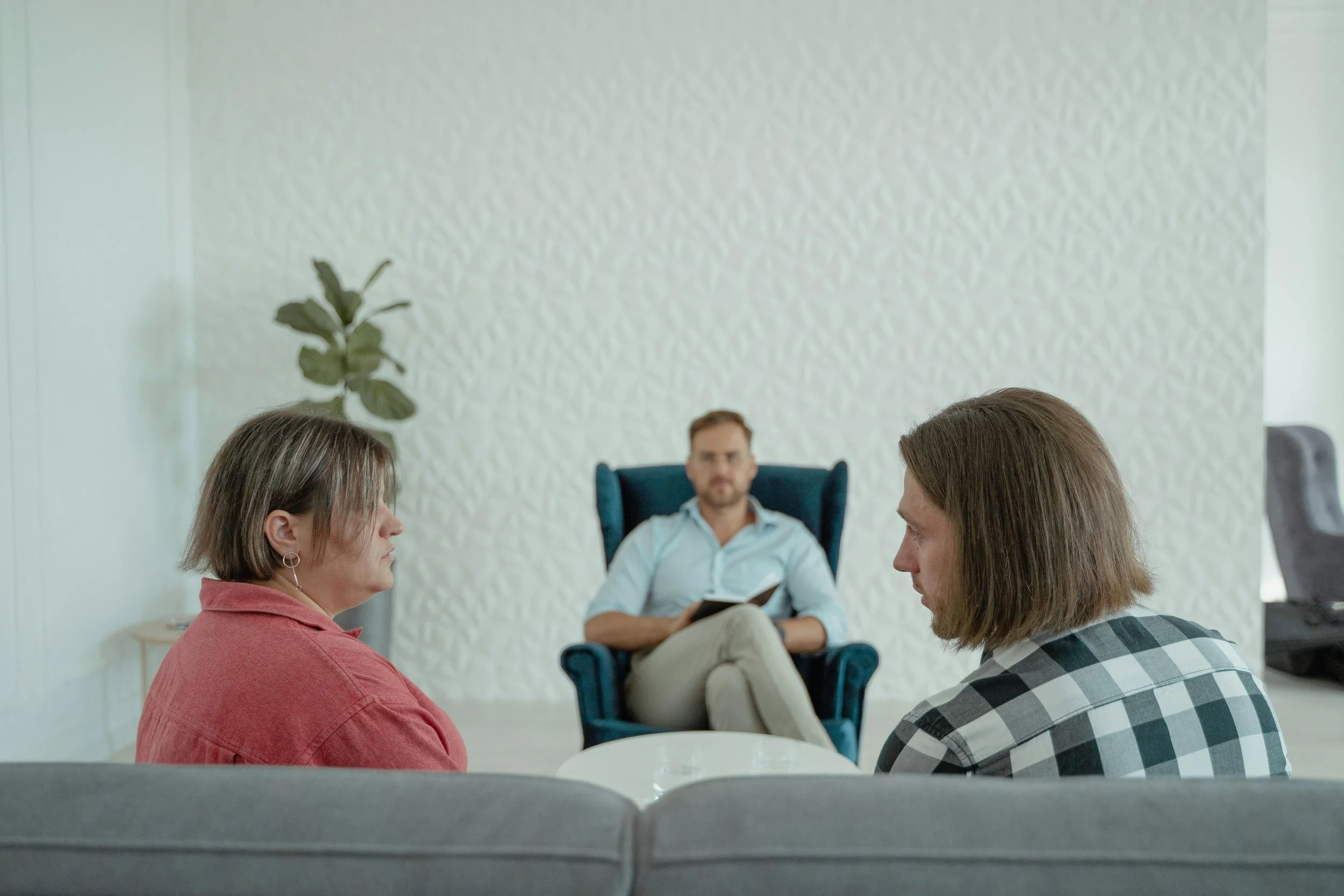
Over time, couples may find themselves growing apart, transitioning from intimate partners to more of a "roommate" dynamic. This often occurs when the busyness of life—work, children, and daily responsibilities—leaves little room for connection. The absence of emotional or physical intimacy can leave both partners feeling lonely and disconnected.

Counseling helps couples rediscover the reasons they fell in love and reconnect on a deeper level. Therapists guide couples through conversations that reignite their bond and foster intimacy, reminding them of their shared history and goals.

Money Conflicts

Financial disagreements are one of the most common sources of tension in relationships. Whether it’s differing spending habits, disagreements about saving for the future, or stress about unequal financial contributions, money can evoke strong emotions and create a power imbalance within a partnership.

Marriage counseling provides a safe space to discuss financial concerns openly and develop a shared plan. By exploring each partner’s relationship with money, often shaped by their upbringing, couples can better understand each other’s behaviors and find common ground.

Infidelity

Trust is a cornerstone of any marriage, and infidelity—whether physical or emotional—can be a devastating breach. While some couples may struggle to move past an affair, others find that it serves as a catalyst to address deeper, underlying issues in the relationship.

Counseling offers a structured environment to rebuild trust, understand the causes of infidelity, and develop strategies to prevent it from happening again. With professional guidance, couples can work through the pain and decide how to move forward, whether that means repairing the relationship or parting ways amicably.

Political Differences

In today’s polarized climate, differing political views can strain even the strongest relationships. Heated debates can turn toxic, leaving couples feeling frustrated and unheard.

Therapists can help couples navigate these conversations by teaching active listening techniques and fostering mutual respect. By focusing on shared values and finding common ground, couples can learn to discuss sensitive topics without damaging their connection.

Hurtful Arguments

Frequent, unproductive arguments can create a cycle of negativity that is difficult to break. Whether it’s criticism, name-calling, or bringing up past grievances, these patterns can erode trust and emotional safety.

Marriage counseling teaches couples how to approach conflicts constructively. By focusing on respectful communication and learning to express needs without blame, couples can turn disagreements into opportunities for growth rather than sources of division.

Different Parenting Styles

Raising children can bring immense joy but also significant challenges. When partners have differing views on discipline, financial support, or household roles, it can lead to tension and conflict.

Counseling helps couples identify the root causes of their parenting differences, which are often tied to their own childhood experiences. By understanding each other’s perspectives and values, couples can develop a unified approach to parenting that respects both viewpoints.

Life Transitions

Major life changes, such as retirement, illness, or becoming empty nesters, can disrupt the balance of a relationship. These transitions often highlight differences in coping mechanisms, leading to misunderstandings or feelings of disconnection.

A therapist can help couples navigate these changes by encouraging open communication and providing tools to adapt to new circumstances. Counseling helps partners reconnect and find ways to support each other during these pivotal moments.

Lack of Intimacy

A decline in physical or emotional intimacy is a common reason couples seek therapy. Over time, routines, health issues, or stress can take a toll on a couple’s connection.

Counseling provides a safe space for couples to discuss their needs and expectations openly. Whether it’s rekindling a spark in the bedroom or finding new ways to show affection, therapy can help partners rebuild their bond and prioritize their relationship.

Avoiding or Managing Divorce

When a marriage feels unsalvageable, counseling can still play a critical role. For some, therapy is a last-ditch effort to repair the relationship. For others, it’s a way to ensure that a divorce is handled with respect and minimal conflict.

Discernment counseling can help couples decide whether to work on their marriage or separate. If divorce is the best option, therapy can help both partners process their emotions and move forward in a healthy way.

When Should You Do Relationship Counseling?

It’s never too early to seek relationship counseling. Many couples wait until their issues feel insurmountable, but addressing problems early can prevent them from worsening. If you’re experiencing frequent arguments, disconnection, or difficulty communicating, counseling can provide the tools you need to strengthen your relationship.

When Should You Seek Help in a Relationship?

If you’ve noticed recurring conflicts, a lack of intimacy, or feelings of resentment, it’s time to seek help. Even if your partner is hesitant, beginning therapy individually can help you gain clarity and tools to improve your relationship dynamics.

When to Know You Need Couples Counseling?

Couples counseling may be necessary when issues such as trust breaches, financial disagreements, or parenting conflicts persist despite your best efforts to resolve them. If you feel stuck in unproductive cycles or unable to communicate effectively, therapy can help.

What Is the Most Common Reason a Couple Seeks Counseling?

While there are many reasons couples seek therapy, infidelity, and communication issues are among the most common. These challenges often highlight deeper problems, such as unmet needs or unresolved conflicts, that counseling can help address.

Conclusion

Marriage counseling is a powerful tool for couples looking to strengthen their relationship, navigate challenges, or decide the best path forward. Whether you’re facing major conflicts or simply want to improve your connection, seeking professional guidance can make all the difference.

Don’t wait until problems feel overwhelming. Reach out to Wellman Psychology today for all your Relationship Counselling Chicago needs. Together, we’ll help you and your partner build a happier, healthier future.

Feel free to check out our social media links below:

Find out more articles that can help you below:

How Effective Is Marriage Counseling

How to Prepare for Marriage Counseling

How Long Does Marriage Counseling Last

What Is Pre Marital Counselling?

Marriage is a significant milestone, often seen as a lifetime commitment, but have you considered the foundation it’s built upon? If you’re about to say “I do,” you may have asked yourself, What is pre-marital counseling? This valuable service helps couples prepare for a thriving marriage by addressing communication styles, expectations, and potential challenges. While many view it as a "checklist item," pre-marital counseling can uncover deeper dynamics that are crucial for long-term happiness. In Chicago, where diverse cultural backgrounds and busy lifestyles intersect, this service becomes even more critical. Let’s explore the nuances of pre-marital counseling and how it can uniquely benefit couples.

What Is Pre Marital Counselling

What Is Premarital Counseling?

Premarital counseling is a type of therapy aimed at helping couples build a healthy, strong foundation for their marriage. It provides a safe space to discuss important topics like finances, family dynamics, sexual intimacy, and life goals before entering a marriage. Think of it as preventative maintenance for your relationship, similar to a routine check-up at the doctor’s office. Instead of waiting for issues to arise, premarital counseling helps you and your partner address potential problems and set realistic expectations for married life.

Many couples mistakenly think that premarital counseling is only for those experiencing problems in their relationship, but it’s actually about strengthening the relationship before problems arise. Premarital counseling allows both partners to voice their expectations and worries, ensuring that they are on the same page and are prepared for the challenges marriage can bring.

What Is the Purpose of Premarriage Counseling?

The primary purpose of premarital counseling is to open communication between partners and help them understand each other’s values, goals, and expectations. It encourages couples to engage in difficult conversations about topics that are often avoided, such as money, children, and sex. These discussions can be uncomfortable, but addressing them early on can prevent conflicts down the road.

The goal of premarital counseling is not only to strengthen your relationship but also to ensure that both partners are aligned in their vision for the future. It’s an opportunity to learn more about each other’s emotional needs, conflict management styles, and how you both envision your life together. It’s also a time to identify potential areas of conflict and equip yourselves with strategies to address them constructively.

What Are the Goals of Premarital Counseling?

Premarital counseling helps couples establish clear goals for their relationship, strengthen communication, and improve conflict resolution skills. Through therapy, couples can learn how to support each other through life’s challenges, manage stress, and make decisions together. The main objectives of premarital counseling are:

Improving Communication

Communication is often cited as one of the key factors in a successful marriage. Premarital counseling can help couples learn how to communicate more effectively, ensuring they understand each other’s needs and expectations.

Conflict Resolution

Learning how to deal with disagreements in a healthy and productive way is crucial for a lasting marriage. Premarital counseling teaches couples strategies for resolving conflicts without resorting to unhealthy patterns like blaming or withdrawing.

Setting Realistic Expectations

Marriage is not a fairy tale, and premarital counseling helps couples set realistic expectations for their life together. It also helps them understand that challenges will arise and that the key is how they handle them.

Building a Strong Emotional Foundation

Marriage is based on emotional support, and premarital counseling helps couples develop skills to emotionally support each other during difficult times.

Discussing Important Life Issues

Premarital counseling provides a space to discuss key life issues such as finances, children, and career goals, ensuring both partners are on the same page before marriage.

Statistics That Prove Its Worth

Pre-marital counseling is more than just preparation for marriage; it’s a scientifically supported method to ensure long-term relationship success. The numbers speak for themselves:

Higher Marital Success Rates

A study published in the Journal of Family Psychology found that couples who underwent pre-marital counseling experienced a 30% higher success rate in their marriages compared to those who didn’t. This statistic underscores the importance of proactively addressing potential challenges and establishing effective communication patterns before marriage. It’s a testament to the power of preparation in building a resilient and fulfilling partnership.

Improved Satisfaction in Early Marriage

The National Marriage Project conducted a survey that revealed couples who engaged in pre-marital counseling reported significantly higher levels of marital satisfaction during their first five years of marriage. These early years are often filled with adjustments, and counseling equips couples with tools to navigate changes effectively, creating a solid foundation for their future.

Chicago-Specific Insights from Wellman Psychology

At Wellman Psychology, we’ve seen the local impact of pre-marital counseling firsthand. Our internal data shows that 75% of Chicago couples who completed our program felt more confident about resolving future conflicts. This confidence translates into healthier communication, better conflict resolution, and a shared sense of partnership, all of which are vital in a fast-paced and diverse city like Chicago.

Who Should Seek Premarital Counseling?

Premarital counseling isn’t just for couples who are already facing problems. It’s an invaluable resource for any couple who wants to lay the groundwork for a successful, long-lasting marriage. Whether you’re experiencing recurring disagreements or you just want to ensure you're both on the same page before taking the plunge, premarital counseling is a proactive way to address concerns and solidify your relationship.

Couples who are exploring marriage, those with doubts, or those experiencing stress around big life decisions can all benefit from premarital counseling. It’s not just for those in crisis – it’s for anyone who wants to invest in their relationship and build a solid foundation for the future.

Common Topics Covered in Premarital Counseling

During premarital counseling, couples explore a wide range of topics to better understand each other’s views and values. Some common areas of focus include:

  • Money: Discussing financial concerns, such as debt, budgeting, savings, and whether to keep finances separate or joint. Financial issues are a leading cause of marital stress, so addressing them early can prevent future conflicts.

  • Children: Talking about family planning, desires for children, and what to do in the case of fertility struggles or adoption. Couples can also discuss parenting styles and how they’ll handle disagreements on child-rearing.

  • Sex: Addressing sexual compatibility, desires, and ways to maintain intimacy throughout the marriage. Sexual health and intimacy can be a sensitive subject, but open discussions in premarital counseling can set the tone for a fulfilling relationship.

  • Communication Styles: Understanding how each partner communicates and resolving any issues that may arise from differing communication styles.

  • Conflict Resolution: Learning how to approach disagreements and problem-solving in a healthy way. A marriage will encounter challenges, and knowing how to navigate these conflicts constructively can strengthen the relationship.

  • Family Dynamics: Navigating relationships with extended family members and how to balance familial expectations with your marital relationship.

What Happens During Premarital Counseling?

Premarital counseling typically begins with both partners answering a series of questions or completing a questionnaire. These exercises help uncover strengths, areas of concern, and key personality traits. Your answers are then discussed with the therapist, who will help you set goals for your relationship and address any discrepancies in your responses.

It’s normal for emotions to surface during these discussions, and creating an open, supportive space for vulnerability is a crucial part of the process. The goal is to build a deeper understanding of each other and gain practical tools for managing challenges in the future. In some cases, couples may also undergo assessments or take personality tests to gain insights into their relationship dynamics.

Where to Find Premarital Counseling

Finding the right premarital counselor is crucial to making the most of this experience. Many licensed marriage and family therapists provide premarital counseling, either individually or as part of group workshops. Wellman Psychology offers Pre marital Counseling Chicago services, where licensed therapists help couples work through sensitive topics in a supportive, non-judgmental environment. If cost is a concern, you may also find affordable options through community organizations, religious groups, or online therapy platforms.

Conclusion

While wedding planning often takes center stage, investing in pre-marital counseling Chicago is one of the most important steps you can take for your future marriage. At Wellman Psychology, we understand the significance of a strong marital foundation and are here to help couples in Chicago prepare for a successful life together. Our Pre marital Counseling Chicago services are designed to help you and your partner communicate openly, set realistic goals, and approach marriage with confidence.

A strong marriage begins with open communication and mutual understanding. By proactively addressing important topics before the wedding, you are laying the groundwork for a healthy, lasting relationship.

Are you and your partner ready to build a strong foundation for your marriage? Reach out to Wellman Psychology today to schedule a premarital counseling session in Chicago. Our expert therapists will guide you through important discussions, helping you align your values and goals for the future. Don’t wait until problems arise – get ahead of potential challenges and invest in a healthy, lasting relationship. Contact us now to begin your journey toward a fulfilling marriage.

You can also check out our social media links below:

You can check out other articles that may help below:

How to Prepare for Marriage Counseling

How Long Does Marriage Counseling Last

When Should You Seek Marriage Counseling