

How Does Trauma Affect Memory

Memory loss is a common but often overlooked consequence of post-traumatic stress disorder (PTSD) and childhood trauma. Trauma can significantly impact cognitive functions, particularly short-term and long-term memory, making it difficult for individuals to recall past experiences or retain new information. This article tackles the topic “How Does Trauma Affect Memory?” This connection between trauma and memory loss can affect daily life, relationships, and overall well-being. Understanding how trauma influences memory is crucial in recognizing symptoms and seeking appropriate support. At Wellman Psychology, we are committed to helping individuals navigate these challenges and reclaim their sense of self.

How Does Trauma Affect Memory

PTSD & Memory Loss

Causes of PTSD-Related Memory Loss

PTSD affects the brain regions responsible for memory, particularly the amygdala, hippocampus, and prefrontal cortex. These areas play a role in processing emotions, forming memories, and regulating responses to stress. Trauma-induced memory loss manifests in two primary ways:

  1. Difficulty recalling traumatic events – Some individuals experience fragmented memories or complete suppression of traumatic incidents.

  2. Impaired general memory – PTSD can lead to forgetfulness, trouble concentrating, and difficulties with working memory.

PTSD & Dementia Risk

Studies indicate that individuals with PTSD have a higher likelihood of developing dementia later in life. Chronic stress and repeated trauma exposure may contribute to cognitive decline, making early intervention essential for long-term brain health.

Types of Memory Affected by PTSD

  • Short-term memory – Daily tasks and conversations may be harder to retain.

  • Long-term memory – Significant gaps in memory, especially surrounding traumatic events, may occur.

  • Emotional memory – Individuals may struggle with emotionally charged memories, either reliving them vividly or blocking them out completely.

Can Trauma Cause Memory Loss?

Yes, trauma can lead to memory loss as a psychological defense mechanism. When faced with extreme stress, the brain activates survival responses such as fight, flight, freeze, or dissociation. These responses may result in trauma-induced memory suppression, also known as dissociative amnesia. This condition can cause individuals to forget specific traumatic events or entire periods of their lives.

How Is a Trauma Memory Different from a Normal Memory?

Trauma memories are often fragmented and disorganized, whereas normal memories follow a chronological and structured sequence. Traumatic memories can be vivid and intrusive, triggering emotional and physiological responses, while normal memories are typically recalled without distress. This difference is due to the way trauma affects brain processing, particularly the hippocampus and amygdala.

Does Trauma Affect Working Memory?

Yes, trauma can significantly impact working memory, which is responsible for temporarily holding and processing information. Individuals with PTSD or a history of trauma may struggle with concentration, problem-solving, and decision-making due to heightened anxiety and hypervigilance. This can affect daily functioning, work performance, and personal relationships.

What Causes Loss of Memory?

Memory loss can result from various factors, including:

  • Psychological trauma – Suppressed memories due to emotional distress.

  • Physical trauma – Brain injuries or concussions.

  • Neurological disorders – Dementia, Alzheimer’s disease, and other conditions.

  • Substance use – Alcohol, drugs, and certain medications affecting cognitive functions.

  • Other factors – Chronic stress, sleep deprivation, and aging.

Childhood Trauma & Memory Loss

Childhood trauma can have a profound impact on memory, mental health, and overall well-being. When children experience traumatic events, their developing brains often adapt in ways that can lead to memory suppression, emotional dysregulation, and long-term health consequences. Understanding how adverse childhood experiences (ACEs) affect memory, along with the available treatment and coping strategies, is crucial for healing and resilience.

Adverse Childhood Experiences (ACEs)

Adverse childhood experiences (ACEs) are traumatic events that occur before the age of 18 and can significantly shape a person’s mental and physical health. The ACE score, which is determined through a questionnaire, helps measure the extent of childhood trauma and its potential effects on an individual’s future well-being.

Types of Childhood Trauma:

  1. Personal Experiences: Physical, verbal, and sexual abuse, as well as neglect, can deeply affect a child’s emotional and cognitive development.

  2. Family-Related Experiences: Exposure to domestic violence, parental substance abuse, mental illness, incarceration, or abandonment can create a stressful and unstable environment that alters brain function and emotional responses.

The higher an individual’s ACE score, the greater the likelihood of experiencing long-term issues such as depression, anxiety, PTSD, substance abuse, and chronic physical illnesses like heart disease and autoimmune disorders.

How Childhood Trauma Affects Memory

Memory plays a crucial role in shaping identity and understanding experiences. However, childhood trauma can disrupt normal memory functions, leading to different forms of memory loss and distortion.

Trauma-Induced Memory Suppression

When faced with overwhelming distress, the brain may use suppression as a coping mechanism, pushing traumatic memories out of conscious awareness to protect itself from emotional pain. This is particularly common in childhood, as young minds are still developing and may lack the tools to process intense experiences.

Dissociative Amnesia

Some survivors of childhood trauma experience dissociative amnesia, a condition in which certain memories become inaccessible. These memories may be completely forgotten or only recalled in fragments. This phenomenon occurs because trauma can disrupt the brain's ability to encode and retrieve memories properly.

Psychological vs. Physical Effects on Memory

  • Psychological trauma may lead to emotional suppression, where memories are blocked due to intense fear or distress.

  • Physical trauma, such as head injuries associated with abuse, can cause damage to brain structures responsible for memory processing, such as the hippocampus.

The ACE Score & Its Implications

The ACE questionnaire helps individuals and healthcare professionals assess the extent of childhood trauma. Research has shown a strong link between high ACE scores and an increased risk of:

  • Mental health disorders like PTSD, anxiety, and depression.

  • Substance abuse and self-destructive behaviors.

  • Physical health problems such as heart disease, obesity, and autoimmune disorders.

The Role of Protective Factors

While ACEs can have severe consequences, positive childhood experiences—such as supportive relationships with caregivers, teachers, or friends—can buffer against the negative effects of trauma. These protective factors can promote resilience, helping individuals recover and lead fulfilling lives.

Treatment & Coping Strategies

Healing from childhood trauma and memory loss requires a combination of professional support, lifestyle changes, and a strong support system.

Therapy & Professional Help

Therapeutic interventions can help individuals process traumatic experiences and regain control over their memories. Some of the most effective approaches include:

  • Cognitive Behavioral Therapy (CBT): Helps reframe negative thought patterns and develop healthier coping strategies.

  • Trauma-Focused Therapy: Specifically designed to address the emotional and cognitive impact of trauma, providing tools for processing painful memories.

  • Prolonged Exposure Therapy: Encourages individuals to gradually face traumatic memories in a safe and controlled setting, reducing their emotional intensity over time.

  • Eye Movement Desensitization and Reprocessing (EMDR): Uses guided eye movements to help reprocess traumatic memories, reducing their distressing effects.

Lifestyle Changes to Support Memory & Mental Health

In addition to therapy, certain lifestyle modifications can improve cognitive function and emotional resilience:

  • Regular Exercise: Physical activity has been shown to enhance brain function and reduce symptoms of anxiety and depression.

  • Prioritizing Sleep: Adequate rest is essential for memory consolidation and overall mental well-being.

  • Practicing Mindfulness & Relaxation Techniques: Meditation, deep breathing exercises, and yoga can help regulate stress and improve emotional processing.

  • Using Memory Aids: Writing in journals, keeping calendars, and setting reminders can help improve memory and organization.

Seeking Support & Resources

Healing from childhood trauma is not a journey that has to be taken alone. Building a strong support network can provide emotional stability and encouragement.

  • Support Groups: Connecting with others who have experienced similar trauma can offer validation and shared coping strategies.

  • Counseling & Helplines: Mental health professionals and crisis helplines can provide immediate guidance and support.

  • Mental Health Organizations: Nonprofit groups and online communities can offer valuable resources and educational materials for trauma survivors.

Conclusion 

Memory loss is a common and often distressing effect of PTSD and childhood trauma. However, it is possible to manage and even recover lost memories through therapy, self-care, and a strong support system. Understanding and acknowledging past trauma is the first step toward healing and improving overall well-being.

At Wellman Psychology, we offer compassionate counseling and Trauma Therapy Chicago IL services to help individuals process trauma, regain control over their memories, and move forward with confidence. If you or someone you know is struggling with trauma-related memory issues, contact us today to schedule a consultation. You are not alone—we are here to help.

Feel free to check out our social media links below:

Find out more articles that can help you below:

How Long Does Therapy Take for Childhood Trauma

What Happens When Trauma Is Triggered

What Are the 3 Types of Trauma

How Long Does EMDR Take for Complex Trauma

What Are the 3 Types of Trauma

Trauma is a deeply distressing or disturbing experience that can have lasting effects on an individual's mental, emotional, and physical well-being. It can be caused by a single incident or prolonged exposure to distressing situations. Trauma can affect people of all ages and backgrounds, leading to significant challenges in daily life, relationships, and overall health. Understanding the question “What Are the 3 Types of Trauma?” is essential in seeking appropriate support and healing strategies.

Types of Trauma

Type 1 Trauma (Acute Trauma)

What Are the 3 Types of Trauma

Acute trauma, also known as Type 1 trauma, occurs due to a single overwhelming event. This is often referred to as "Big T" trauma and can have immediate and long-lasting effects on an individual’s mental health.

Examples of Acute Trauma:

  • Violent or sexual assault

  • Life-threatening illness or injury

  • The sudden loss of a loved one

  • Witnessing violence or death

  • Car accidents, natural disasters, or other catastrophic events

Symptoms of Acute Trauma:

  • Intense anxiety or fear

  • Nightmares and flashbacks

  • Dissociation or feeling detached from reality

  • Intrusive thoughts about the traumatic event

Treatment for Acute Trauma:

  • Psychotherapy, including Cognitive Behavioral Therapy (CBT)

  • Trauma-focused therapy

  • Support groups and counseling

Type 2 Trauma (Complex Trauma)

Complex trauma, also called Type 2 trauma, results from repeated or prolonged exposure to traumatic experiences, often within relationships or environments where one should feel safe. This type of trauma is frequently associated with childhood abuse, neglect, or domestic violence.

Examples of Complex Trauma:

  • Childhood abuse or neglect

  • Long-term domestic violence

  • Bullying or workplace harassment

  • Growing up in an overly strict or controlling environment

  • Religious trauma or cult abuse

Symptoms of Complex Trauma:

  • Emotional dysregulation

  • Chronic feelings of guilt, shame, or worthlessness

  • Difficulty trusting others and forming healthy relationships

  • Flashbacks and recurring distressing memories

Treatment for Complex Trauma:

  • Trauma-informed care

  • Eye Movement Desensitization and Reprocessing (EMDR) therapy

  • Dialectical Behavior Therapy (DBT)

  • Somatic therapy

Chronic Trauma

Chronic trauma occurs when an individual is exposed to ongoing distressing experiences over an extended period.

Examples of Chronic Trauma:

  • Domestic abuse or long-term bullying

  • War and combat exposure

  • Living with a chronic illness

  • Experiencing long-term homelessness or poverty

Symptoms of Chronic Trauma:

  • Persistent anxiety and depression

  • Emotional numbness or detachment

  • Increased risk of self-harm or substance abuse

Treatment for Chronic Trauma:

  • Long-term psychotherapy

  • Mindfulness practices

  • Medication management if needed

What Are the Three 3s of Trauma?

Understanding trauma involves recognizing three critical components:

  • Event: The traumatic experience itself

  • Experience: How the individual perceives and reacts to the trauma

  • Effects: The long-term emotional, physical, and psychological impact

What Are the 4 Core Traumas?

  • Abandonment Trauma: Fear of being rejected or left behind

  • Betrayal Trauma: Trust violations, such as infidelity or childhood abuse

  • Physical Trauma: Injury-related or abuse-related trauma

  • Emotional Trauma: Psychological abuse, neglect, or bullying

What Are 3 Traumatic Experiences?

  • Experiencing Violence: Physical, sexual, or emotional abuse

  • Losing a Loved One Suddenly: Grief-related trauma

  • Surviving a Disaster or Accident: Natural disasters, car crashes, or witnessing mass violence

What Is the Most Severe Form of Trauma?

  • Complex PTSD (C-PTSD): Results from prolonged exposure to trauma, especially in childhood

  • Dissociative Trauma: Severe PTSD leading to dissociation or identity fragmentation

  • Developmental Trauma: Trauma experienced in early childhood, affecting lifelong mental health

Other Forms of Trauma

A. Early Childhood Trauma

  • Long-term effects of childhood abuse, neglect, and violence

B. Intimate Partner Violence (IPV)

  • Emotional, physical, and sexual abuse in relationships

C. Medical Trauma

  • Psychological response to severe medical experiences

D. Bullying and Cyberbullying

  • Long-term emotional effects from harassment

E. Community Violence

  • Assaults, shootings, and gang violence

F. Refugee Trauma

  • War, exile, and displacement-related trauma

G. Sexual Abuse & Sex Trafficking

  • Emotional and physical consequences of sexual violence

H. Terrorism and Mass Violence

  • Psychological impact of exposure to violent events

I. Traumatic Grief

  • The impact of sudden loss of a loved one

Emotional and Physical Trauma

A. Emotional Trauma

  • Caused by abuse, discrimination, bullying

  • Symptoms: Anxiety, mood swings, nightmares

  • PTSD risk and long-term effects

B. Physical Trauma

  • Types: Penetrating, blunt, and deceleration trauma

  • Symptoms: Pain, fatigue, numbness, confusion

  • Long-term effects on health and daily life

Conclusion

Trauma is a complex and deeply personal experience that affects individuals in different ways. Understanding the various types of trauma and their impact can help individuals seek the right support and treatment. Recovery is possible with the right resources, professional help, and self-care strategies.

If you or a loved one is struggling with trauma, don’t hesitate to seek help. Wellman Psychology is here to provide compassionate counseling and Trauma Therapy Chicago services to support you on your healing journey. Contact us today to take the first step toward recovery and well-being.

Feel free to check out our social media links below:

Find out more articles that can help you below:

How Long Does Therapy Take for Childhood Trauma

What Happens When Trauma Is Triggered

What Type of Therapy Is Best for Depression

How Long Does EMDR Take for Complex Trauma

What Happens When Trauma Is Triggered
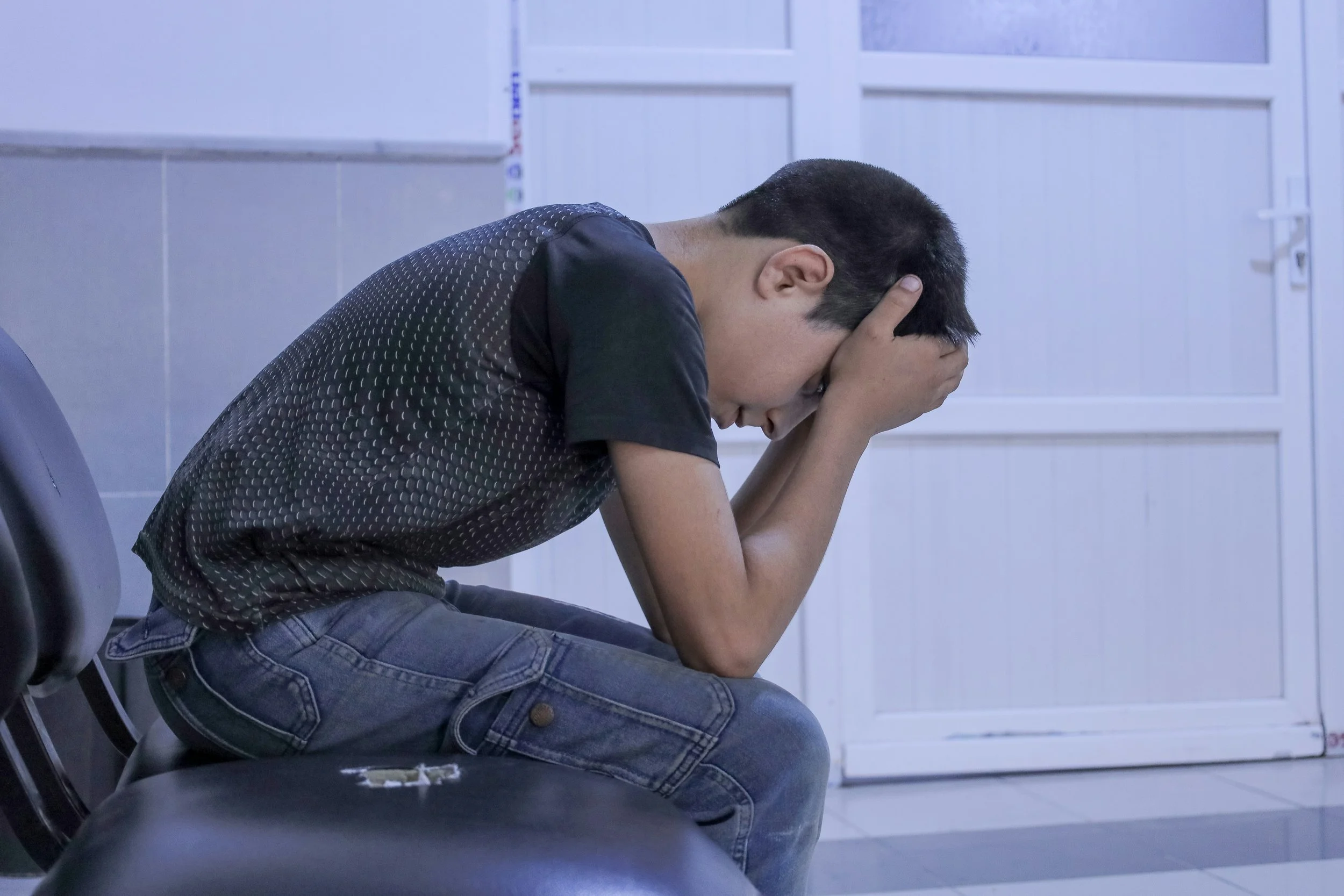
Have you ever experienced a sudden wave of fear, anxiety, or overwhelming emotion in response to a seemingly harmless situation? This could be a sign that past trauma has been triggered. Trauma isn’t just a distant memory—it can linger in the body and mind, resurfacing unexpectedly when certain cues or experiences remind us of past distress. Whether it's a smell, a sound, or even a specific phrase, these triggers can bring back intense emotions, making it feel as though the past is happening all over again. Understanding what happens when trauma is triggered is essential for healing and learning how to manage these responses effectively. Let’s dive into the science behind trauma triggers and explore ways to regain control when they arise.

Understanding Trauma and Its Effects

Definition of Trauma

What Happens When Trauma Is Triggered

Trauma is an emotional response to a distressing or life-threatening event. It can overwhelm an individual’s ability to cope, leaving them feeling helpless, fearful, or deeply shaken. Trauma can be classified as acute (resulting from a single event), chronic (repeated exposure to distressing events), or complex (stemming from prolonged exposure to trauma, often in early life).

Common Traumatic Experiences

Trauma can occur from various life events, including:

  • Natural disasters such as floods, earthquakes, or fires

  • Car accidents or transportation incidents

  • Physical or sexual assault

  • Domestic violence or childhood abuse

  • Witnessing a violent act or crime

  • Losing a loved one unexpectedly

  • Exposure to distressing news or graphic media coverage of traumatic events

Normal Healing and Recovery Process

After experiencing trauma, individuals enter a recovery phase where their body and mind attempt to process the event. In most cases, symptoms gradually subside as part of the body’s natural healing process. However, if symptoms persist beyond a few weeks, professional support may be necessary to facilitate healing.

What Are the Effects of Trauma?

Trauma affects individuals in multiple ways, and the severity of symptoms varies from person to person. These effects can be classified into four main categories:

A. Physical Effects

  • Fatigue or exhaustion

  • Disturbed sleep patterns (insomnia or excessive sleepiness)

  • Headaches and muscle tension

  • Nausea, dizziness, or digestive issues

  • Increased heart rate and sweating

B. Emotional Effects

  • Intense fear, anxiety, or panic attacks

  • Feelings of shock, disbelief, or numbness

  • Mood swings and emotional instability

  • Persistent sadness, grief, or depression

  • Emotional detachment from loved ones

C. Mental Effects

  • Difficulty concentrating or remembering things

  • Intrusive thoughts or flashbacks of the traumatic event

  • Constantly replaying the event in the mind

  • Confusion or a sense of disorientation

D. Behavioral Effects

  • Avoiding places, people, or activities that trigger memories of the trauma

  • Changes in appetite (eating too much or too little)

  • Increased substance use (alcohol, drugs, cigarettes)

  • Difficulty maintaining relationships

  • Engaging in risky or impulsive behaviors

What Happens When Someone’s Trauma Is Triggered?

Trauma triggers are sensory cues that remind an individual of a past traumatic experience, causing an emotional or physical reaction. These triggers can be sounds, smells, places, or even specific words. When triggered, a person may experience:

  • Anger or Irritability: Overreacting to small things, sudden mood shifts, and sensory sensitivity.

  • Mood Swings: Feeling intensely sad, hopeless, or suddenly experiencing grief.

  • Dissociation: Feeling disconnected from reality, confusion, or memory lapses.

  • Re-experiencing Trauma: Flashbacks, nightmares, or intrusive thoughts about the traumatic event.

  • Anxiety and Hypervigilance: Constant worry, difficulty relaxing, perfectionism, and startle reflex.

  • Minimization of Trauma: Downplaying the severity of the event and dismissing its impact.

Recognizing these reactions is essential in managing trauma-related symptoms and seeking proper support.

What Is Trauma Response?

A trauma response is the body’s instinctive reaction to a distressing event. It is often categorized into four types:

  1. Fight – Reacting aggressively or defensively to perceived threats.

  2. Flight – Feeling the urge to escape or avoid certain situations.

  3. Freeze – Becoming paralyzed, unable to act or respond.

  4. Fawn – Prioritizing others’ needs over one’s own to avoid conflict.

Understanding these responses can help individuals gain control over their reactions and work toward healing.

How to Heal from Traumatic Events?

Healing from trauma is a gradual process that requires time, support, and self-care. Below are some strategies for recovery:

A. Acknowledging the Experience

Accepting that you have experienced trauma is the first step toward healing. Suppressing emotions can prolong distress, so it’s essential to process them in a healthy way.

B. Maintaining Routine and Staying Active

Keeping a structured daily routine can provide a sense of stability and normalcy. Engaging in physical activities like walking, yoga, or exercise helps release tension and improve mood.

C. Seeking Social Support

Talking to a trusted friend, family member, or support group can help ease emotional burdens. Social connections are crucial in overcoming feelings of isolation.

D. Practicing Relaxation Techniques

Methods such as deep breathing, meditation, and mindfulness exercises can help manage stress and anxiety associated with trauma.

E. Avoiding Harmful Coping Mechanisms

Using alcohol, drugs, or excessive work to escape emotions may worsen symptoms in the long run. Healthy coping strategies should be prioritized.

F. Gradual Exposure to Triggers

Avoiding triggers altogether can reinforce fear. Instead, gradual exposure to triggers in a controlled manner, with the help of a therapist, can help desensitize responses.

Seeking Professional Help

While self-care strategies can be beneficial, some individuals may need professional intervention to recover fully.

A. When to Seek Help

Consider seeking therapy if you experience:

  • Persistent distress that doesn’t improve after several weeks

  • Difficulty managing emotions or daily responsibilities

  • Frequent nightmares or flashbacks

  • Relationship struggles due to trauma

  • Symptoms of post-traumatic stress disorder (PTSD)

B. Therapy and Treatment Options

  • Cognitive Behavioral Therapy (CBT) – Helps individuals change negative thought patterns related to trauma.

  • Eye Movement Desensitization and Reprocessing (EMDR) – A technique used to reprocess traumatic memories.

  • Trauma-Focused Therapy – A specialized approach to address trauma symptoms effectively.

  • Medication – In some cases, prescribed medications can help manage severe anxiety or depression related to trauma.

C. Available Support Services

If you or a loved one are struggling with trauma, seeking professional counseling can provide the guidance needed to heal. Therapists specializing in trauma recovery can offer personalized support tailored to your experiences.

Conclusion

Trauma can significantly impact one’s mental, emotional, and physical well-being, but recovery is possible with the right support and strategies. Understanding trauma responses, recognizing symptoms, and seeking help can lead to a healthier, more fulfilling life.

If you or someone you know is struggling with trauma, don’t hesitate to seek professional support. Contact Wellman Psychology today for compassionate counseling and Trauma Therapy Chicago IL services. Our team of experts is dedicated to helping you navigate your healing journey and regain control of your life.

Feel free to check out our social media links below:

Find out more articles that can help you below:

How Long Does Therapy Take for Childhood Trauma

How Does Cognitive Therapy Help Depression

How Does Music Therapy Help Depression

How Long Does EMDR Take for Complex Trauma

How Long Does Therapy Take for Childhood Trauma

Childhood trauma is a widespread issue, with research showing that by age 16, two out of three children have experienced at least one traumatic event. The effects of these adverse experiences can linger well into adulthood, affecting mental and physical health, relationships, and overall well-being.

If you have experienced trauma as a child, you might wonder whether therapy is necessary. You may feel hesitant to seek help due to a busy lifestyle, uncertainty about whether your experiences qualify as trauma, or reluctance to revisit painful memories. However, therapy is a powerful tool that can help you process past experiences and move forward in a healthier and more fulfilling way.

This post explores the question, “How Long Does Therapy Take for Childhood Trauma?” its effects, and the therapy options available to support healing. We will also answer common questions about the duration and effectiveness of therapy. If you suspect you or a loved one may be dealing with unresolved childhood trauma, professional counseling can provide the guidance and support needed for recovery.

How Long Does Therapy Take for Childhood Trauma

Understanding Childhood Trauma

What Is Childhood Trauma?

Childhood trauma refers to frightening, violent, or dangerous experiences that threaten a child’s safety. Some traumatic experiences are isolated events, while others occur over an extended period, leading to ongoing stress. These experiences can profoundly impact emotional, physical, and psychological well-being.

Common Causes of Childhood Trauma

  • Physical, emotional, or sexual abuse – Any form of mistreatment can leave lasting scars.

  • Neglect or homelessness – Growing up without basic necessities or stable shelter can create chronic stress.

  • Witnessing violence – Exposure to domestic violence, school violence, or community violence can deeply impact a child’s sense of security.

  • Bullying and discrimination – Persistent bullying or racism can cause emotional distress and self-esteem issues.

  • Natural disasters – Experiencing earthquakes, hurricanes, or fires can be deeply traumatic for children.

  • Serious accidents or illnesses – Life-threatening medical conditions can create significant fear and distress.

  • Loss of a loved one – A sudden or violent death can trigger long-lasting grief and emotional pain.

  • Refugee and war experiences – Displacement, war, and political violence can create severe trauma.

  • Military family stressors – Parental deployment, injury, or loss in military families can contribute to trauma.

Signs of Unresolved Childhood Trauma

Unresolved childhood trauma can manifest in various ways, impacting both emotional well-being and physical health. Recognizing these signs is essential for seeking appropriate treatment.

Emotional and Behavioral Symptoms:

  • Anxiety, depression, or panic attacks

  • Low self-esteem and feelings of guilt or shame

  • Compulsive behaviors, including substance abuse or eating disorders

  • Isolation and withdrawal from relationships

  • Self-harm or suicidal thoughts

  • Difficulty managing emotions and stress

  • Poor conflict resolution and relationship struggles

Physical Symptoms:

  • Chronic pain and inflammation

  • Fatigue and exhaustion

  • Sleep disturbances, including insomnia or nightmares

  • Digestive issues linked to stress

Understanding these symptoms can help individuals recognize when they need professional support to address unresolved trauma.

When to Seek Therapy

Early intervention can prevent the long-term effects of childhood trauma. The signs of trauma may vary depending on age, but seeking therapy at any stage in life can help individuals heal.

Signs in Different Age Groups:

  • Preschool Children: Excessive crying, separation anxiety, nightmares, refusal to eat, or developmental delays.

  • Elementary School Children: Fearfulness, guilt, sleep issues, difficulty concentrating, or sudden changes in behavior.

  • Middle and High School Students: Depression, self-harm, eating disorders, drug or alcohol abuse, or risky sexual behaviors.

Even if symptoms appear mild, therapy can provide tools to manage emotions and develop healthier coping mechanisms.

Types of Therapy for Childhood Trauma

Various therapy methods are effective in helping individuals process childhood trauma. The right therapy depends on the specific needs of the individual and the severity of the trauma.

Cognitive Processing Therapy (CPT)

A structured form of cognitive-behavioral therapy (CBT) that helps individuals recognize and challenge negative thoughts related to their trauma. Typically, CPT involves 12 sessions where individuals work on identifying and reshaping unhealthy thought patterns.

Prolonged Exposure Therapy (PE)

A form of CBT that helps individuals gradually confront trauma-related fears, memories, and emotions in a safe and controlled manner. PE therapy is effective in reducing PTSD symptoms over three months of treatment.

Trauma-Focused Cognitive Behavioral Therapy (TF-CBT)

Designed for children and teens, TF-CBT integrates trauma-sensitive interventions with family support. This therapy typically lasts 12-15 sessions and is highly effective in helping young people recover from traumatic experiences.

Eye Movement Desensitization and Reprocessing (EMDR)

A structured therapy that uses guided eye movements to help individuals reprocess traumatic memories. EMDR has been shown to be highly effective in reducing the emotional distress associated with trauma.

Narrative Exposure Therapy (NET)

A short-term therapy designed to help individuals reconstruct their life narratives, particularly those who have experienced multiple traumatic events.

Art Therapy

A creative approach that allows individuals to express and process emotions through drawing, painting, and sculpting. Art therapy is particularly beneficial for children who struggle to verbalize their experiences.

Play Therapy

Designed for young children, play therapy allows them to communicate their feelings through play in a safe, therapeutic environment. This method helps children develop coping skills and emotional resilience.

Common Questions About Therapy for Childhood Trauma

How Many Years Does It Take to Heal from Childhood Trauma?

Healing varies for each individual. Some may feel relief in a few months, while others may require years of therapy. The severity of trauma, the individual’s support system, and therapy consistency all influence the healing timeline.

How Long Do You Need Therapy for Trauma?

The duration of therapy depends on the individual’s progress and the type of therapy used. Short-term therapies like CPT or TF-CBT may last 12-15 sessions, while more complex trauma cases may require long-term treatment.

Can Therapy Heal Childhood Trauma?

Therapy helps individuals process traumatic experiences, develop coping mechanisms, and improve emotional well-being. While it cannot erase memories, therapy significantly reduces trauma’s impact and promotes healing.

How Many Therapy Sessions for Childhood Trauma?

  • CPT & TF-CBT: 12-15 sessions

  • EMDR: 1-3 sessions per traumatic memory

  • PE Therapy: Around 3 months

  • Play & Art Therapy: Ongoing, depending on the child’s needs

Final Thoughts

Childhood trauma can have profound and lasting effects, but recovery is possible with the right support and therapy. Seeking professional help can empower individuals to regain emotional stability, build resilience, and lead fulfilling lives.

If you or a loved one is struggling with the effects of childhood trauma, it is never too late to seek help. At Wellman Psychology, we offer compassionate, evidence-based Trauma Therapy Chicago tailored to your needs. Contact us today to begin your healing journey.

Feel free to check out our social media links below:

Find out more articles that can help you below:

How Does Cognitive Therapy Help Depression

How Long Does Depression Last Without Treatment

How Long Is Inpatient Treatment for Depression

How Long Does EMDR Take for Complex Trauma

How Long Does Depression Last Without Treatment

Depression is a widespread mental health condition that affects millions of people worldwide. It goes beyond occasional feelings of sadness and can interfere with daily life, making even simple tasks feel overwhelming. Understanding the duration of depression and whether it can improve on its own is crucial for those seeking to manage the condition, as well as for those close to someone suffering from it.

In this article, we explore the factors that influence how long does depression last without treatment, whether it can go away without treatment, and how people can recover from depression. We'll also discuss treatment options and how Wellman Psychology can help those struggling with depression find relief.


How Long Does Depression Last Without Treatment

Introduction

Depression, also known as major depressive disorder (MDD), is a mental health condition marked by persistent feelings of sadness, hopelessness, and a lack of interest or pleasure in everyday activities. It affects how a person feels, thinks, and handles daily tasks, including eating, sleeping, and working.

Depression can be mild, moderate, or severe, and its impact on a person’s life can be profound. While some individuals may experience depression for a brief period, others may endure symptoms for weeks, months, or even years. The question that often arises is: Can depression go away on its own?

The answer to this question depends on several factors, including the type and severity of depression, as well as the presence of other health conditions. In this article, we will look at how these factors influence depression and the ways it can be treated or managed.

Factors Affecting the Duration of Depression

Several factors play a role in determining how long depression may last. These include the type of depression a person experiences, its severity, and the underlying causes of the condition.

1. Type of Depression

There are several types of depression, each with its own set of symptoms and duration. These include:

  • Major Depressive Disorder (MDD): Often referred to as "clinical depression," MDD is one of the most common forms of depression. If left untreated, depressive episodes in MDD can last anywhere from 6 to 12 months. MDD is also known for being recurrent, with the likelihood of relapse increasing after each episode.

  • Persistent Depressive Disorder (PDD): Also known as dysthymia, PDD is a chronic form of depression where symptoms persist for at least two years. While the symptoms of PDD may not be as severe as those of MDD, the longer duration can make it difficult for individuals to experience relief without treatment.

  • Postpartum Depression (PPD): This type of depression occurs after childbirth and can start during pregnancy or within the first year of giving birth. Symptoms can improve within 3 to 6 months, but some individuals may continue to experience depressive episodes beyond that time frame.

  • Seasonal Affective Disorder (SAD): SAD is a form of depression that typically affects individuals during the fall and winter months when daylight hours are shorter. For some, it may resolve by spring or early summer, while others experience ongoing symptoms.

  • Bipolar Disorder: Bipolar disorder involves alternating episodes of extreme highs (mania) and lows (depression). Depressive episodes in bipolar disorder can last between 8 to 12 weeks, though this can vary depending on the individual and whether treatment is sought.

2. Severity of Depression

The severity of depression plays a significant role in how long it lasts. Depression can be categorized into three levels of severity:

  • Mild Depression: Individuals with mild depression may experience symptoms that are less intense and do not interfere significantly with daily life. These symptoms may improve on their own or with minimal intervention and may last for a shorter duration than more severe forms.

  • Moderate Depression: Those with moderate depression may find it challenging to perform everyday tasks and experience a noticeable decline in their mood. The duration of moderate depression can range from weeks to several months, and treatment can significantly reduce the severity of symptoms.

  • Severe Depression: Severe depression can lead to feelings of hopelessness, worthlessness, and a complete loss of interest in life. It often requires immediate medical intervention, as it can lead to suicidal thoughts and the inability to function in daily life. Severe depression tends to last longer and is more resistant to improvement without treatment.

3. Cause of Depression

Depression can result from a variety of factors, including genetic predispositions, environmental stressors, and significant life changes. Chronic stress, trauma, and a history of mental health issues can also increase the likelihood of experiencing prolonged depression. The underlying cause of depression can impact how long it persists and whether it requires treatment.

4. Duration Based on Type and Severity

  • MDD: Typically lasts 6-12 months without treatment.

  • PDD: Symptoms persist for at least two years.

  • PPD: Lasts between 3-6 months, with some cases extending beyond 6 months.

  • SAD: Affects individuals seasonally and may last from a few months to the duration of the winter season.

  • Bipolar depression: Lasts between 8-12 weeks.

What is the Average Duration of Untreated Depression?

Studies show that, on average, untreated depression lasts for approximately 10 months. However, the duration can vary depending on the type of depression, its severity, and whether any other mental health conditions are present.

Untreated depression can worsen over time, and symptoms may become more severe, leading to additional complications such as anxiety, substance abuse, and strained relationships. It is crucial to seek professional help as soon as possible to prevent the condition from worsening.

Can Depression Go Away Without Treatment?

While some individuals may experience a reduction in depression symptoms over time, many will find that depression does not go away on its own. In fact, the longer depression is left untreated, the more likely it is to persist and even worsen.

For some individuals, mild depression may improve without formal treatment, especially if they engage in self-care activities such as exercise, maintaining a healthy diet, and connecting with loved ones. However, moderate to severe depression typically requires professional treatment to effectively manage and improve symptoms.

How Long Can Depression Last?

The duration of depression depends largely on its type and severity. While mild depression may last a few weeks or months, more severe forms, like MDD and PDD, can persist for years without treatment. Depression can also be recurrent, meaning that individuals may experience multiple depressive episodes over their lifetime.

How to Recover from Depression on Your Own?

While professional treatment is often necessary for moderate to severe depression, there are steps individuals can take to manage mild symptoms on their own:

  • Exercise: Physical activity releases endorphins and other chemicals that improve mood.

  • Healthy Eating: A balanced diet with sufficient nutrients can boost mental health.

  • Sleep: Establishing a consistent sleep schedule helps improve mood and energy levels.

  • Social Connection: Spending time with friends, family, or a support group can combat isolation.

  • Avoiding Alcohol and Drugs: Substance use can worsen depression symptoms.

Treatment Options for Depression

For those experiencing moderate to severe depression, professional treatment is crucial. Common treatments include:

  • Medication: Antidepressants such as SSRIs and SNRIs can help regulate mood and alleviate symptoms. It may take several weeks for these medications to show full effects.

  • Psychotherapy: Cognitive Behavioral Therapy (CBT) and Interpersonal Therapy (IPT) are effective therapies that help individuals manage their depression and improve their coping strategies.

  • Electroconvulsive Therapy (ECT): This procedure is often used for severe depression that does not respond to other treatments.

  • Self-care: Regular exercise, healthy eating, and avoiding negative habits can support recovery.

The Outlook for Depression

With appropriate treatment, many individuals with depression can experience significant improvement or even full recovery. Studies show that 70-80% of individuals with depression can reduce their symptoms with the right approach. However, untreated depression can last for extended periods and lead to significant challenges in life.

Conclusion

Depression is a complex and serious mental health condition that can last anywhere from a few weeks to several years, depending on various factors. The type of depression, its severity, and other individual factors all play a role in determining how long it will last. While some individuals may experience improvement without treatment, seeking professional help can significantly reduce the duration of depression and help manage its symptoms.

If you or someone you know is struggling with depression, contact  Wellman Psychology today. Our expert therapists can provide personalized Depression Therapy Chicago IL to help you manage your symptoms and regain a sense of well-being. Reach out now to begin your journey to recovery.

Feel free to check out our social media links below:

Find out more articles that can help you below:

What Type of Therapy Is Best for Depression

How to Get a Therapy Dog for Depression

How Does Music Therapy Help Depression