

Trauma

What Is an Emotional Trauma

What Is Emotional Trauma? Signs, Symptoms, and How It Affects You

Wondering what is an emotional trauma? Emotional trauma happens when overwhelming or distressing events disrupt your sense of safety, control, and well-being. Unlike ordinary stress, trauma shakes the foundation of how you see yourself and the world around you. It leaves you feeling unsafe, helpless, or unable to cope, even long after the event is over.

Trauma can come from a single shocking event like a car accident or from ongoing exposure to difficult experiences like abuse, neglect, or toxic relationships. It’s important to know that trauma isn’t just about what happens; it’s also about how your mind and body respond to it. Two people may live through the same situation, but one may experience trauma while the other doesn’t, depending on factors like past experiences, resilience, and support systems.

In short, trauma doesn’t mean you’re weak; it means you’ve been through something deeply distressing that deserves care and healing.

Why Emotional Trauma Matters

What Is an Emotional Trauma


Emotional trauma isn’t just “in your head.” It affects your brain, body, and daily life in powerful ways:

  • Neurological impact – Trauma alters how your brain processes memory and emotions. The amygdala (fear center) becomes overactive, while the hippocampus (memory regulator) and prefrontal cortex (logic center) may underperform. This explains why trauma survivors often feel “stuck” in survival mode.

  • Physical impact – Chronic stress hormones like cortisol can weaken the immune system, raise blood pressure, and increase vulnerability to chronic conditions.

  • Emotional impact – Trauma can cause feelings of shame, guilt, sadness, or fear that linger for years.

Recognizing these effects matters because they show trauma is real and valid, not something people can simply “get over.”

Types of Emotional Trauma

Not all trauma looks the same. While the word “trauma” is often used broadly, experts identify different categories that can help us understand what we’re going through. Knowing the type of trauma you’ve experienced is important because it shapes both your symptoms and the best path to recovery.

1. Acute Trauma

Acute trauma comes from a single, highly distressing event. Examples include:

  • Being involved in a car accident

  • Experiencing a natural disaster like a flood, fire, or earthquake

  • A physical assault or sudden medical emergency

The effects can include shock, fear, intrusive memories, or heightened anxiety in the immediate aftermath. Even though the event may be over, the emotional imprint can last for years if not addressed.

2. Chronic Trauma

Chronic trauma develops from repeated or long-term exposure to distressing situations. Examples include:

  • Ongoing domestic violence

  • Growing up in a household with constant conflict or neglect

  • Long-term workplace bullying or harassment

The ongoing nature of chronic trauma makes it especially damaging. Over time, individuals may develop hypervigilance (always feeling on guard), emotional numbness, or physical health problems due to prolonged stress. Because it happens repeatedly, the nervous system often struggles to return to a “calm” state.

3. Complex Trauma

Complex trauma is often used to describe multiple, layered traumatic experiences, usually beginning in childhood. For example:

  • A child who faces neglect, emotional abuse, and repeated exposure to violence

  • Someone who has lived through war, displacement, or multiple forms of loss

Because complex trauma starts early or is deeply entrenched, it can shape a person’s sense of identity, relationships, and self-worth. Survivors may struggle with trust, regulating emotions, or feeling safe even in supportive environments. Healing from complex trauma usually requires long-term, trauma-informed care.

4. Secondary (Vicarious) Trauma

This form of trauma doesn’t come from direct exposure but from caring for or supporting others who have experienced trauma. Common examples include:

  • Therapists, doctors, and first responders who repeatedly hear traumatic stories

  • Family members supporting a loved one through abuse recovery

  • Journalists or social workers exposed to stories of violence and suffering

Though less visible, vicarious trauma can be just as powerful. Caregivers may feel emotionally drained, overwhelmed, or even begin to develop trauma-like symptoms themselves. Recognizing secondary trauma is vital so that helpers can receive the support they need too.

Why Understanding Trauma Types Matters

Identifying the type of trauma you’ve experienced is more than labeling it helps determine what kind of support will be most effective. Acute trauma may benefit from targeted short-term therapy, while complex trauma often requires ongoing care and a strong focus on rebuilding safety and trust.

The key takeaway: all forms of trauma are valid, and no matter the type, healing is possible with the right tools, therapies, and support networks.

Signs & Symptoms of Emotional Trauma

Emotional trauma shows up differently for everyone, but common symptoms include:

Emotional & Psychological Signs

  • Persistent fear, sadness, anxiety, shame, or guilt

  • Emotional numbness or detachment

  • Mood swings or sudden anger

  • Nightmares or flashbacks of the traumatic event

Physical Symptoms

  • Fatigue or low energy

  • Headaches or stomachaches

  • Rapid heartbeat or sweating

  • Insomnia or disrupted sleep

  • Feeling “on edge” (hypervigilance)

Cognitive & Behavioral Symptoms

  • Memory lapses or difficulty concentrating

  • Avoiding people, places, or situations that trigger memories

  • Withdrawing from loved ones

  • Turning to alcohol, drugs, or food for comfort

Long-Term Consequences

If left unresolved, trauma can lead to PTSD, depression, anxiety disorders, and even physical health problems. Trauma can also reshape self-image, leaving survivors feeling unworthy, powerless, or broken.

Emotional Trauma’s Impact on Daily Life

Trauma affects more than how you feel; it can spill into all aspects of life:

  • Work and school – Difficulty focusing, reduced productivity, and burnout.

  • Relationships – Struggles with trust, emotional closeness, or conflict resolution.

  • Self-worth – A tendency to blame yourself or feel “damaged.”

  • Health – Higher risk of cardiovascular disease, obesity, and weakened immunity.

  • Future outlook – Feeling stuck, hopeless, or fearful about what lies ahead.

This is why recognizing and addressing trauma is essential; it’s not just about healing the past, but also protecting your future.

Recovery Is Possible: Healing Emotional Trauma

Healing from trauma takes time, but it is absolutely possible with the right support. Recovery often involves:

  • Professional Therapy

    • Cognitive Behavioral Therapy (CBT): Helps reframe negative thoughts and patterns.

    • Eye Movement Desensitization and Reprocessing (EMDR): Reduces the emotional intensity of traumatic memories.

    • Exposure therapy: Safely confronts triggers in a controlled environment.

    • Trauma-informed counseling: Focuses on building trust, safety, and empowerment.

  • Healthy Coping Strategies

    • Practicing mindfulness and grounding exercises

    • Journaling or expressing emotions through art

    • Building daily routines for stability

    • Exercising regularly to release tension

  • Support Systems

    • Connecting with trusted friends, family, or support groups

    • Finding communities of people with similar experiences

    • Partnering with trauma-informed professionals for guidance

Healing isn’t linear; you may take steps forward and backward. But every step matters, and over time, life can feel lighter and more manageable.

Living Beyond Trauma: Everyday Healing Tips

Even outside therapy, there are small things you can do daily to support healing:

  1. Create a safe environment – Surround yourself with people and spaces that make you feel secure.

  2. Identify triggers – Keep track of what sets off distress and develop strategies to cope.

  3. Practice grounding techniques – Deep breathing, holding an object, or focusing on your senses helps anchor you in the present.

  4. Express your story – Talking, writing, or creating art can help process feelings.

  5. Be patient with yourself – Healing takes time; progress isn’t always linear.

  6. Seek help when needed – Reaching out to a therapist is not a weakness but a step toward strength.

Final Thoughts

Emotional trauma isn’t just a painful memory; it can affect your mental health, physical health, and relationships in lasting ways. But it’s also important to know that healing is possible. With professional help, supportive relationships, and self-care strategies, you can process the past and regain a sense of safety and peace.

If you or someone you love is struggling with trauma, Wellman Psychology’s Trauma Therapy Chicago offers expert, compassionate care tailored to your needs. Their trauma-informed approach can help you rebuild your strength and create a brighter future.

Book an appointment with Wellman Psychology today and take the first step toward healing and resilience.

Feel free to check out our social media links below:

Find out more articles that can help you below:

How Does Teenage Trauma Affect Adulthood

How to Tell If You Have Childhood Trauma

How Long Does Therapy Take for Childhood Trauma

How Long Does EMDR Take for Complex Trauma

How to Tell If You Have Childhood Trauma

Do I Have Childhood Trauma? 8 Signs You Might Not Have Noticed

Childhood trauma doesn’t always look like what we imagine. It’s not limited to the obvious markers of abuse or violence. Sometimes, trauma is subtly hidden in loneliness, emotional neglect, or being asked to grow up too fast. You might ask yourself, How do I tell if I have childhood trauma?” The answer is complex because trauma can take many forms and often stays buried beneath the surface of daily life, only revealing itself in anxiety, strained relationships, or low self-worth.

At Wellman Psychology, we specialize in Trauma Therapy Chicago and helping individuals identify and heal from early-life wounds, even those they didn’t realize were affecting them. Understanding how trauma works and recognizing the signs is a powerful first step toward reclaiming your mental and emotional well-being.

How to Tell If You Have Childhood Trauma
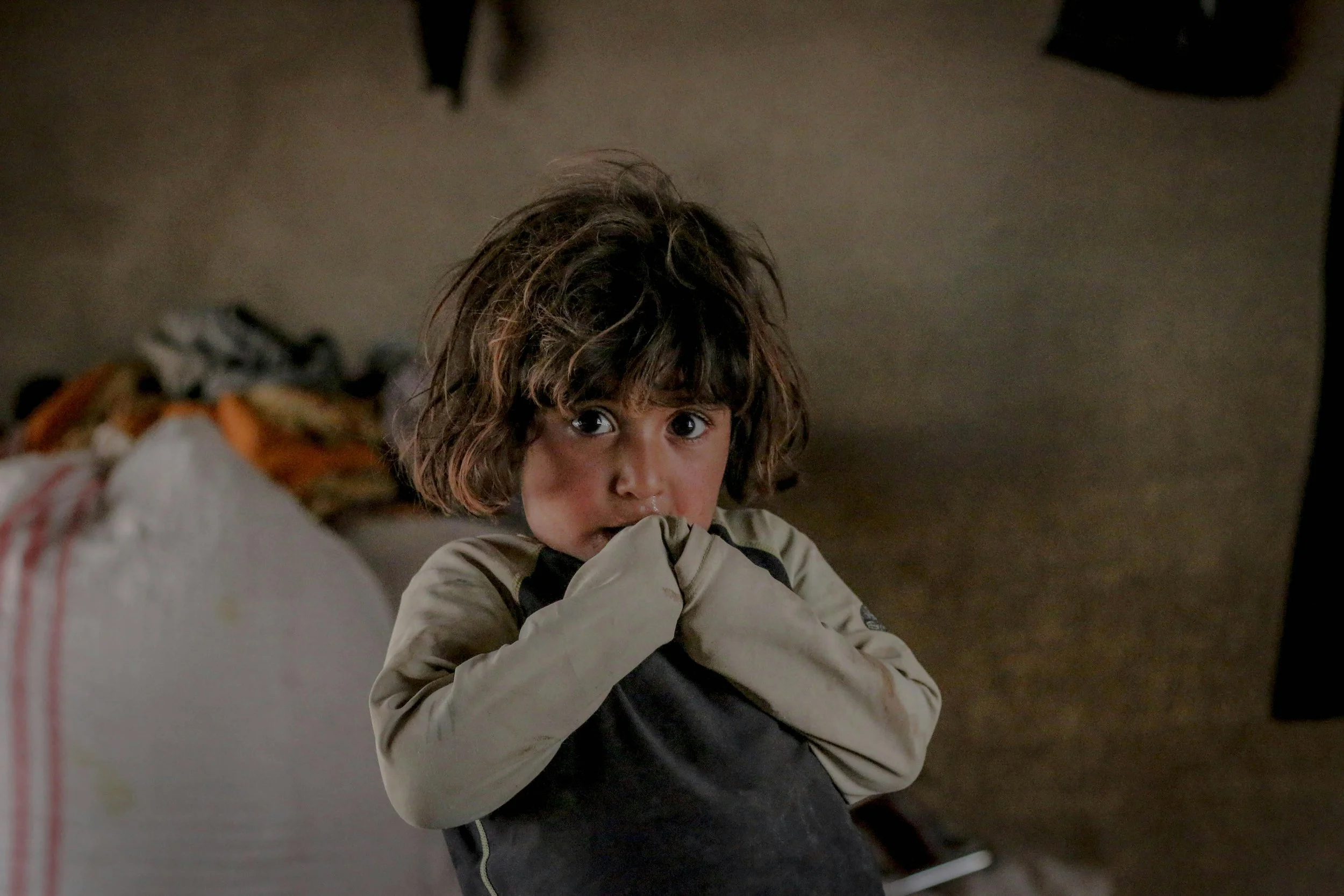
What Is Childhood Trauma?

Trauma is not defined solely by the event, but by its lasting emotional impact. A distressing experience in childhood becomes traumatic when it overwhelms a child's ability to cope or process emotions safely. One child might recover quickly from a loss, while another could be deeply wounded by the same experience, especially if they lack a supportive environment.

Some common causes of childhood trauma include:

  • Physical or sexual abuse: Direct harm to a child's body or sense of safety.

  • Emotional neglect: When parents are physically present but emotionally unavailable, ignoring or dismissing a child’s emotional needs.

  • Loss of a parent: Whether through death, divorce, or abandonment, the loss of a primary caregiver can leave a deep imprint.

  • Bullying: Humiliation, exclusion, or persistent teasing by peers or adults.

  • Violence in the home, school, or community: Witnessing or being near acts of aggression or hostility.

  • Serious illness or hospitalization: Long periods away from peers or caregivers, or enduring painful treatments, can foster isolation and fear.

  • Learning disabilities: Struggling in school without support can deeply damage a child’s self-concept.

  • Transgenerational trauma: If your caregivers experienced trauma themselves, it may unconsciously shape their parenting and, in turn, your development.

Even if your childhood doesn't include what society typically labels as "trauma," you may still be carrying the emotional weight of early experiences that hurt.

How to Tell If You Have Childhood Trauma?

Recognizing childhood trauma can be difficult, especially when it doesn’t involve a dramatic or easily remembered event. It may show up in adulthood as:

  • A tendency to withdraw from others

  • Difficulty trusting even those close to you

  • Unexplained anxiety, anger, or sadness

  • Persistent low self-worth

  • Relational patterns that repeat old hurts

If these symptoms persist without an identifiable cause, they may be rooted in unresolved trauma.

Emotional and Psychological Impacts

Trauma often takes up residence in the mind long after the original event is over. One of the most well-known responses is post-traumatic stress disorder (PTSD), but many people who experience trauma do not meet full diagnostic criteria. Still, the effects are very real.

Common psychological symptoms include:

  • Flashbacks or nightmares related to past events

  • Avoidance behaviors, such as staying away from situations that might trigger memories

  • Generalized anxiety or depression that persists

  • Outbursts of anger or irritability

  • Self-destructive behaviors, including substance use or risky choices

  • Withdrawing from relationships or opportunities

  • Persistent fear of being judged or rejected

Even without a PTSD diagnosis, these patterns may signal your brain is still trying to protect itself from a long-past threat.

Effects on Relationships and Attachment

Attachment is formed in childhood and when our earliest relationships were unreliable, unsafe, or emotionally distant, it can cause ripple effects across a lifetime.

Unresolved trauma can result in:

  • Avoidant attachment: You keep people at arm’s length, fearing vulnerability.

  • Ambivalent attachment: You become clingy or anxious in relationships, constantly worried about being abandoned.

  • Disorganized attachment: You crave connection but also fear it, leading to push-pull dynamics.

You might find yourself drawn to people who are emotionally unavailable or even abusive, repeating patterns learned in childhood. Alternatively, you might struggle to maintain close connections at all, fearing intimacy or betrayal.

Educational and Social Impacts

Children who struggle academically, especially those with undiagnosed or unsupported learning disabilitie,s often internalize a sense of failure. Being told you're "not trying hard enough" or "not as smart" can lead to lifelong shame.

Common lingering effects:

  • Perfectionism: Constantly striving to prove worth through achievement.

  • Impostor syndrome: Feeling like you don’t belong, even when succeeding.

  • Social anxiety: Difficulty navigating friendships due to past isolation or bullying.

  • Fear of failure: Avoiding new challenges to protect a fragile sense of self.

Even adults with impressive careers may feel like they’re never good enough because of these early beliefs.

Physical Health Consequences

The body keeps the score. Childhood trauma doesn’t just affect your mind, it also impacts your physical health through prolonged stress, poor coping mechanisms, or neurobiological changes.

Increased risks include:

  • Diabetes

  • Coronary artery disease

  • Asthma and respiratory issues

  • Stroke

  • Chronic pain and fatigue

Early trauma may also lead to behaviors like smoking, overeating, or substance use, which further contribute to chronic illness.

Can Childhood Trauma Last a Lifetime?

Yes, and often, it does. Especially when it goes unacknowledged or untreated. Unresolved trauma lives on in how we think, feel, and interact with others. It shows up in our triggers, fears, and stress responses. It can quietly shape every aspect of our adult lives, from how we parent to how we handle conflict, success, or love.

Transgenerational trauma can also perpetuate these patterns. If your parents were traumatized and never healed, their pain may have unconsciously been passed on to you in the form of emotional distance, anxiety, or control.

Healing from Childhood Trauma

The good news is that healing is absolutely possible. At Wellman Psychology, we understand that trauma is complex and deeply personal, and so is recovery. No two healing journeys are the same, but they often begin with finding the right therapeutic support.

An effective therapist will:

  • Create a safe space for trust to develop over time

  • Encourage open expression of fear, anger, and grief

  • Understand the unique imprint of trauma on your life

  • Use trauma-informed, psychodynamic, or psychoanalytic approaches

  • Help reconnect you with your younger self, the one who still carries the hurt

You don’t have to revisit the past all at once. Healing happens in layers, and it starts with being seen, heard, and believed.

Ready to Take the First Step?

At Wellman Psychology, we are committed to helping you uncover and heal the pain of your past. Whether you’ve lived with unexplained anxiety, broken relationships, or a sense of never being “enough,” we are here to guide you toward clarity and peace.
We offer compassionate, individualized Trauma Therapy Chicago with experienced clinicians who truly understand the lasting effects of childhood trauma.
You deserve to feel safe, valued, and whole no matter what your past held.
Your healing journey starts with a single step. Let us walk with you. Contact us today!

Feel free to check out our social media links below:

Find out more articles that can help you below:

How Does Trauma Affect Memory

How Long Does Emdr Take for Complex Trauma

What Causes Trauma in Childhood

How Does Teenage Trauma Affect Adulthood

Teenage Trauma Doesn’t Just Disappear Here’s How It Impacts Adulthood

Teenagers are at a crossroads of emotional, cognitive, and social development. During this time, their brains are still forming the foundations for identity, self-regulation, relationships, and resilience. When trauma enters their lives, whether through abuse, neglect, loss, or violence, it can shatter their sense of safety and stability. The impact isn’t always immediate, but it is always profound. How does teenage trauma affect adulthood? The answer is not just clinical, it’s lived every day by countless adults who struggle with emotional challenges rooted in unresolved pain from their adolescent years.

Today, we know more than ever about the long-term effects of trauma, thanks to ongoing research and the commitment of mental health professionals. Clinics like Wellman Psychology are at the forefront of this work, helping teens and adults break the cycle of trauma and build lives grounded in healing, connection, and purpose.

How Does Teenage Trauma Affect Adulthood

Causes of Teenage Trauma

Trauma can stem from a wide array of experiences, some visible, others more subtle. What matters is not just the event itself, but how the teen processes and internalizes it.

Common Causes Include:

  • Abuse: Physical, emotional, or sexual mistreatment by caregivers or others

  • Neglect: Emotional or physical abandonment, often with unmet basic needs

  • Witnessing violence: Domestic abuse, school shootings, or community crime

  • Sudden loss: Death of a parent, sibling, or friend

  • Medical trauma: Life-threatening illnesses, hospitalizations, or disfigurement

  • Displacement: Moving frequently, losing a home, or entering foster care

  • Family-related stress: Living with a parent who is incarcerated, deployed, or battling addiction

  • Natural disasters or terrorism: Events that threaten survival or safety

These experiences often carry an undercurrent of powerlessness, fear, and confusion, emotions that, without support, become embedded in the teen’s identity and worldview.

Signs and Symptoms of Teenage Trauma

Teens don’t always know how to express what they’re feeling. Trauma can manifest in surprising ways, sometimes physical, sometimes behavioral, often misinterpreted as typical “teen angst.”

Physical Symptoms

  • Persistent headaches, stomachaches, and body aches

  • Fatigue, dizziness, or difficulty sleeping

  • Noticeable weight changes due to shifts in appetite

  • Autoimmune flare-ups triggered by chronic stress

Emotional and Psychological Symptoms

  • Intense anxiety, depression, or irritability

  • Emotional numbing or overreactivity to minor stressors

  • Nightmares, flashbacks, or obsessive thoughts

  • Low self-worth and shame

Behavioral Symptoms

  • Self-harm or suicidal ideation

  • Disengagement from school, sports, or hobbies

  • Sudden outbursts or defiance

  • Alcohol or drug experimentation as a form of escape

Often, these symptoms co-occur, creating a complex profile that’s easy to miss unless approached with trauma-informed care.

How Does Teenage Trauma Affect Adulthood?

The teen brain is like wet cement; what happens during this stage leaves deep impressions. Unprocessed trauma from adolescence doesn’t go away with time; instead, it burrows deeper, affecting every layer of adulthood.

Adult Outcomes Often Include:

  • Unhealthy relationships: Difficulty forming secure attachments or trusting others

  • Mental health disorders: Long-term anxiety, depression, or PTSD

  • Substance abuse: Using alcohol or drugs to numb unresolved pain

  • Self-sabotage: Career disruptions, impulsive decisions, or isolation

  • Chronic illness: Heart disease, obesity, or autoimmune disorders linked to toxic stress

  • Dysregulated identity: A persistent feeling of being “not enough,” “broken,” or “stuck”

Adults who suffered teenage trauma often report feeling disconnected from their past, confused by their triggers, and stuck in patterns they don’t fully understand. This is why trauma-informed therapy in adulthood can be so transformative; it reconnects individuals to the root causes of their struggles.

Coping Mechanisms Among Trauma Survivors

Survivors develop coping tools, some adaptive, others destructive, to manage overwhelming emotions. These responses are often shaped by the resources and support available to them during their teen years.

Passive Coping Strategies

  • Denial: A defense mechanism that shields survivors from painful memories by suppressing them entirely. While it may offer short-term relief, denial delays healing.

  • Substance Use: Alcohol and drugs offer a quick escape, but they deepen the wounds over time. Studies show a high correlation between early trauma and later addiction.

  • Self-Isolation: Withdrawing from social interaction feels safer but can increase loneliness, depression, and PTSD severity.

Active Coping Strategies

  • Cognitive Behavioral Therapy (CBT): Rewires distorted beliefs and helps survivors reframe intrusive thoughts.

  • Eye Movement Desensitization and Reprocessing (EMDR): Assists in trauma resolution through bilateral stimulation.

  • Support Groups: Reduce shame and foster community by connecting survivors with peers who understand.

  • Creative Therapies: Use of music, art, dance, or drama to access and release emotions that are hard to verbalize.

Healing begins when survivors move from passive to active coping and recognize they have agency even after trauma.

Role of Socioeconomic Background and Resilience

Although trauma impacts individuals across all demographics, children from underprivileged communities often face more frequent and intense exposures with fewer support systems. Poverty, unsafe neighborhoods, housing instability, and lack of access to therapy exacerbate trauma’s effects.

Building Resilience:

  • Social support: More than income or status, having trusted adults and peers is the strongest predictor of recovery.

  • Skill development: Programs that teach emotional regulation, mindfulness, and conflict resolution help teens become more resilient.

  • Education and empowerment: Schools and youth organizations that recognize trauma and provide wraparound services change lives.

Children who build resilience are not just surviving, they’re often thriving at the same level or better than peers who were never exposed to trauma.

Importance of Early Intervention

Time is a crucial factor in trauma recovery. The earlier the intervention, the more likely it is to prevent permanent emotional scarring.

Benefits of Early Treatment:

  • Normalizes emotions and validates the teen’s experience

  • Builds coping skills before harmful habits are formed

  • Improves academic and relational outcomes

  • Reduces long-term costs to mental health systems

  • Increases confidence and long-term wellbeing

Professionals at Wellman Psychology specialize in identifying trauma symptoms early and applying tailored therapeutic interventions to disrupt trauma’s trajectory before adulthood.

How Long Does Trauma Take to Heal?

There’s no universal timeline for healing trauma. For some, progress comes in months; for others, it may take years. The duration depends on:

  • The nature and duration of the trauma

  • Access to safe environments and professional help

  • The individual's internal resilience and support network

  • Willingness to engage in the healing process

Healing is not linear. There will be relapses, emotional flare-ups, and setbacks. But with the right tools and support, progress is not only possible, it’s inevitable.

Research Overview and Methodology

To further understand these issues, a qualitative study conducted interviews with nine seasoned professionals across Ireland. Using thematic analysis, the study explored their insights on trauma’s long-term effects. Major findings included:

  • Self-esteem issues linked to early relational trauma

  • Minimization or denial of trauma’s personal impact

  • Poor coping strategies like substance use or creating a “false self” to mask pain

These professionals emphasized the importance of compassion-based interventions, consistent support, and addressing trauma early before it becomes entrenched.

Final Thoughts

Teenage trauma is not just a phase to grow out of; it’s a psychological wound that, if untreated, continues to bleed into adulthood. It shapes how we view ourselves, how we connect with others, and how we respond to life’s challenges. Yet trauma doesn’t have to define a person’s future. With support, understanding, and timely intervention, survivors can heal, grow, and even thrive.

At Wellman Psychology, we understand the unique challenges faced by teens and adults coping with trauma. Our team of licensed therapists uses evidence-based, trauma-informed care to guide individuals from pain to empowerment. If you or someone you know is struggling with symptoms linked to past trauma, don’t wait. Healing is possible, and it starts with a conversation. Reach out to Wellman Psychology today to begin the journey toward a healthier, more connected life.

Feel free to check out our social media links below:

Find out more articles that can help you below:

How Long Does Therapy Take for Childhood Trauma

What Happens When Trauma Is Triggered

What Are the 3 Types of Trauma

How Long Does EMDR Take for Complex Trauma

What Causes Trauma in Childhood

Childhood trauma is a deeply distressing experience that can have lasting effects on a child’s emotional and physical well-being. According to the National Institute of Mental Health, childhood trauma is defined as "the experience of an event by a child that is emotionally painful or distressful, which often results in lasting mental and physical effects." Trauma can be caused by a single event or a series of events that undermine a child's sense of safety and security.

Understanding childhood trauma is essential in providing the necessary support for children who have been affected. With the right interventions, children can heal and lead healthy, fulfilling lives. This article will explore What Causes Trauma in Childhood, how children experience trauma, triggers of past trauma, the effects of trauma, and the recovery process. We will also discuss how to explain trauma to children and provide guidance on seeking professional support.

What Causes Trauma in Childhood

How Do Children Experience Trauma?

Children experience trauma in different ways depending on their personality, resilience, and the support systems around them. What might be a traumatic event for one child may not be for another. Some children may display immediate distress, while others may seem unaffected but struggle internally.

Trauma can occur due to a single distressing event, such as a serious accident, or through ongoing experiences, like abuse or neglect. The way a child perceives the event determines how deeply it affects them. For example, witnessing domestic violence, experiencing emotional neglect, or being exposed to ongoing instability at home can create long-term psychological distress.

Children who experience trauma may exhibit changes in behavior, such as increased anxiety, withdrawal, mood swings, aggression, difficulty concentrating, or trouble sleeping. Without proper intervention, these emotional wounds can persist into adulthood, affecting relationships, work, and mental health.

Common Causes of Childhood Trauma

1. Personal Experiences

Children can experience trauma from various personal events, including:

  • Accidents – Car crashes, falls, or serious injuries can leave children feeling vulnerable and unsafe.

  • Bullying/Cyberbullying – Repeated harassment, whether in person or online, can cause deep emotional pain and feelings of isolation.

  • Serious medical conditions – A child who undergoes surgery, experiences chronic illness, or endures frequent hospitalizations may develop trauma-related fears.

  • Separation from a parent or caregiver – Divorce, parental incarceration, or abandonment can create emotional turmoil and distress.

2. Family-Related Trauma

Family dynamics play a significant role in a child’s emotional development. Trauma may arise from:

  • Domestic violence – Witnessing physical or verbal abuse at home can make children feel unsafe and anxious.

  • Parental substance abuse or mental illness – Living with a parent struggling with addiction or severe mental health issues can cause instability and fear.

  • Emotional or physical abuse and neglect – Children who lack emotional support or experience physical harm may develop trust issues and struggle with relationships later in life.

  • Death of a loved one – The loss of a parent, sibling, or close relative can be extremely distressing for a child and lead to prolonged grief.

3. Environmental and Social Factors

A child’s environment and community can also contribute to trauma:

  • Community violence or crime – Growing up in an unsafe neighborhood can increase anxiety and hypervigilance.

  • Poverty-related stress – Financial instability, homelessness, or food insecurity can create ongoing distress.

  • War or terrorism – Exposure to violent conflicts, even indirectly through media, can instill deep fear and insecurity in children.

What Triggers Past Childhood Trauma?

Even after a traumatic event has passed, certain triggers can bring back painful memories and emotions. Some common triggers include:

  • Memories, places, or people associated with past trauma – Returning to the place where the trauma occurred or encountering someone involved in the event can reopen emotional wounds.

  • High-stress situations or conflicts – Arguments, major life changes, or work stress can resurface past trauma.

  • Sensory triggers – Sights, sounds, smells, or even specific words can remind a person of past trauma.

  • Emotional distress – Feelings of helplessness, abandonment, or fear can arise unexpectedly, triggered by events that mimic past experiences.

Effects of Childhood Trauma

Unresolved childhood trauma can impact every aspect of life, including:

  • Emotional health – Anxiety, depression, mood swings, or PTSD symptoms may develop.

  • Social development – Trauma may make it difficult for children to form healthy relationships and trust others.

  • Cognitive functioning – Difficulty concentrating, memory issues, and poor academic performance can be signs of trauma.

  • Physical health – Trauma can contribute to chronic illnesses, increased stress levels, and sleep disturbances.

Without proper intervention, childhood trauma can persist into adulthood, affecting career prospects, personal relationships, and overall well-being.

Can Children Recover from Trauma?

Yes, children can recover from trauma with the right support. Healing requires:

  • Early intervention – Identifying trauma-related behaviors early and seeking professional guidance can prevent long-term issues.

  • Supportive environments – A stable and loving home, supportive school environment, and encouragement from caregivers help children feel safe and rebuild trust.

  • Coping strategies – Learning healthy ways to process emotions, such as through therapy, journaling, or creative outlets, can aid recovery.

Professional therapy can be highly effective in helping children understand and work through their trauma, allowing them to heal and develop resilience.

What is Trauma Explained for Kids?

Explaining trauma to children requires simple and reassuring language. You can say:

  • "Trauma is something that happens that makes you feel really scared, sad, or worried."

  • "When something bad happens, your brain remembers it and sometimes makes you feel like it’s happening again."

  • "Talking to someone you trust can help you feel better and safe again."

Encouraging open conversations and reassuring children that their feelings are valid can help them process their experiences and seek support when needed.

Coping and Recovery

Helping a child heal from trauma involves:

  • Recognizing trauma reactions – Noticing behavioral changes and understanding their root cause.

  • Providing emotional support – Encouraging children to express their feelings and reassuring them that they are safe.

  • Seeking professional help – Therapy and counseling can provide essential tools for healing and recovery.

Where to Seek Support

If your child or someone you know is struggling with trauma, it’s important to seek professional help. Support options include:

  • Therapy and counseling services

  • School psychologists and guidance counselors

  • Community support programs and child advocacy centers

Conclusion

Childhood trauma is a serious issue that can have lasting effects on a child’s emotional and physical well-being. However, with the right support, children can heal and build resilience. Recognizing trauma, understanding its causes and effects, and providing a nurturing environment are crucial steps in helping children recover.

If you or someone you know is struggling with childhood trauma, professional support is available. Contact Wellman Psychology for expert counseling and Trauma Therapy Chicago IL services. Our team is here to help you or your child navigate the healing process and move toward a brighter future.

Feel free to check out our social media links below:

Find out more articles that can help you below:

How Long Does EMDR Take for Complex Trauma

How Long Does EMDR Therapy Take?

How Much Does EMDR Therapy Cost? In-Depth Guide for 2024

How Does Trauma Affect Memory

Memory loss is a common but often overlooked consequence of post-traumatic stress disorder (PTSD) and childhood trauma. Trauma can significantly impact cognitive functions, particularly short-term and long-term memory, making it difficult for individuals to recall past experiences or retain new information. This article tackles the topic “How Does Trauma Affect Memory?” This connection between trauma and memory loss can affect daily life, relationships, and overall well-being. Understanding how trauma influences memory is crucial in recognizing symptoms and seeking appropriate support. At Wellman Psychology, we are committed to helping individuals navigate these challenges and reclaim their sense of self.

How Does Trauma Affect Memory

PTSD & Memory Loss

Causes of PTSD-Related Memory Loss

PTSD affects the brain regions responsible for memory, particularly the amygdala, hippocampus, and prefrontal cortex. These areas play a role in processing emotions, forming memories, and regulating responses to stress. Trauma-induced memory loss manifests in two primary ways:

  1. Difficulty recalling traumatic events – Some individuals experience fragmented memories or complete suppression of traumatic incidents.

  2. Impaired general memory – PTSD can lead to forgetfulness, trouble concentrating, and difficulties with working memory.

PTSD & Dementia Risk

Studies indicate that individuals with PTSD have a higher likelihood of developing dementia later in life. Chronic stress and repeated trauma exposure may contribute to cognitive decline, making early intervention essential for long-term brain health.

Types of Memory Affected by PTSD

  • Short-term memory – Daily tasks and conversations may be harder to retain.

  • Long-term memory – Significant gaps in memory, especially surrounding traumatic events, may occur.

  • Emotional memory – Individuals may struggle with emotionally charged memories, either reliving them vividly or blocking them out completely.

Can Trauma Cause Memory Loss?

Yes, trauma can lead to memory loss as a psychological defense mechanism. When faced with extreme stress, the brain activates survival responses such as fight, flight, freeze, or dissociation. These responses may result in trauma-induced memory suppression, also known as dissociative amnesia. This condition can cause individuals to forget specific traumatic events or entire periods of their lives.

How Is a Trauma Memory Different from a Normal Memory?

Trauma memories are often fragmented and disorganized, whereas normal memories follow a chronological and structured sequence. Traumatic memories can be vivid and intrusive, triggering emotional and physiological responses, while normal memories are typically recalled without distress. This difference is due to the way trauma affects brain processing, particularly the hippocampus and amygdala.

Does Trauma Affect Working Memory?

Yes, trauma can significantly impact working memory, which is responsible for temporarily holding and processing information. Individuals with PTSD or a history of trauma may struggle with concentration, problem-solving, and decision-making due to heightened anxiety and hypervigilance. This can affect daily functioning, work performance, and personal relationships.

What Causes Loss of Memory?

Memory loss can result from various factors, including:

  • Psychological trauma – Suppressed memories due to emotional distress.

  • Physical trauma – Brain injuries or concussions.

  • Neurological disorders – Dementia, Alzheimer’s disease, and other conditions.

  • Substance use – Alcohol, drugs, and certain medications affecting cognitive functions.

  • Other factors – Chronic stress, sleep deprivation, and aging.

Childhood Trauma & Memory Loss

Childhood trauma can have a profound impact on memory, mental health, and overall well-being. When children experience traumatic events, their developing brains often adapt in ways that can lead to memory suppression, emotional dysregulation, and long-term health consequences. Understanding how adverse childhood experiences (ACEs) affect memory, along with the available treatment and coping strategies, is crucial for healing and resilience.

Adverse Childhood Experiences (ACEs)

Adverse childhood experiences (ACEs) are traumatic events that occur before the age of 18 and can significantly shape a person’s mental and physical health. The ACE score, which is determined through a questionnaire, helps measure the extent of childhood trauma and its potential effects on an individual’s future well-being.

Types of Childhood Trauma:

  1. Personal Experiences: Physical, verbal, and sexual abuse, as well as neglect, can deeply affect a child’s emotional and cognitive development.

  2. Family-Related Experiences: Exposure to domestic violence, parental substance abuse, mental illness, incarceration, or abandonment can create a stressful and unstable environment that alters brain function and emotional responses.

The higher an individual’s ACE score, the greater the likelihood of experiencing long-term issues such as depression, anxiety, PTSD, substance abuse, and chronic physical illnesses like heart disease and autoimmune disorders.

How Childhood Trauma Affects Memory

Memory plays a crucial role in shaping identity and understanding experiences. However, childhood trauma can disrupt normal memory functions, leading to different forms of memory loss and distortion.

Trauma-Induced Memory Suppression

When faced with overwhelming distress, the brain may use suppression as a coping mechanism, pushing traumatic memories out of conscious awareness to protect itself from emotional pain. This is particularly common in childhood, as young minds are still developing and may lack the tools to process intense experiences.

Dissociative Amnesia

Some survivors of childhood trauma experience dissociative amnesia, a condition in which certain memories become inaccessible. These memories may be completely forgotten or only recalled in fragments. This phenomenon occurs because trauma can disrupt the brain's ability to encode and retrieve memories properly.

Psychological vs. Physical Effects on Memory

  • Psychological trauma may lead to emotional suppression, where memories are blocked due to intense fear or distress.

  • Physical trauma, such as head injuries associated with abuse, can cause damage to brain structures responsible for memory processing, such as the hippocampus.

The ACE Score & Its Implications

The ACE questionnaire helps individuals and healthcare professionals assess the extent of childhood trauma. Research has shown a strong link between high ACE scores and an increased risk of:

  • Mental health disorders like PTSD, anxiety, and depression.

  • Substance abuse and self-destructive behaviors.

  • Physical health problems such as heart disease, obesity, and autoimmune disorders.

The Role of Protective Factors

While ACEs can have severe consequences, positive childhood experiences—such as supportive relationships with caregivers, teachers, or friends—can buffer against the negative effects of trauma. These protective factors can promote resilience, helping individuals recover and lead fulfilling lives.

Treatment & Coping Strategies

Healing from childhood trauma and memory loss requires a combination of professional support, lifestyle changes, and a strong support system.

Therapy & Professional Help

Therapeutic interventions can help individuals process traumatic experiences and regain control over their memories. Some of the most effective approaches include:

  • Cognitive Behavioral Therapy (CBT): Helps reframe negative thought patterns and develop healthier coping strategies.

  • Trauma-Focused Therapy: Specifically designed to address the emotional and cognitive impact of trauma, providing tools for processing painful memories.

  • Prolonged Exposure Therapy: Encourages individuals to gradually face traumatic memories in a safe and controlled setting, reducing their emotional intensity over time.

  • Eye Movement Desensitization and Reprocessing (EMDR): Uses guided eye movements to help reprocess traumatic memories, reducing their distressing effects.

Lifestyle Changes to Support Memory & Mental Health

In addition to therapy, certain lifestyle modifications can improve cognitive function and emotional resilience:

  • Regular Exercise: Physical activity has been shown to enhance brain function and reduce symptoms of anxiety and depression.

  • Prioritizing Sleep: Adequate rest is essential for memory consolidation and overall mental well-being.

  • Practicing Mindfulness & Relaxation Techniques: Meditation, deep breathing exercises, and yoga can help regulate stress and improve emotional processing.

  • Using Memory Aids: Writing in journals, keeping calendars, and setting reminders can help improve memory and organization.

Seeking Support & Resources

Healing from childhood trauma is not a journey that has to be taken alone. Building a strong support network can provide emotional stability and encouragement.

  • Support Groups: Connecting with others who have experienced similar trauma can offer validation and shared coping strategies.

  • Counseling & Helplines: Mental health professionals and crisis helplines can provide immediate guidance and support.

  • Mental Health Organizations: Nonprofit groups and online communities can offer valuable resources and educational materials for trauma survivors.

Conclusion 

Memory loss is a common and often distressing effect of PTSD and childhood trauma. However, it is possible to manage and even recover lost memories through therapy, self-care, and a strong support system. Understanding and acknowledging past trauma is the first step toward healing and improving overall well-being.

At Wellman Psychology, we offer compassionate counseling and Trauma Therapy Chicago IL services to help individuals process trauma, regain control over their memories, and move forward with confidence. If you or someone you know is struggling with trauma-related memory issues, contact us today to schedule a consultation. You are not alone—we are here to help.

Feel free to check out our social media links below:

Find out more articles that can help you below:

How Long Does Therapy Take for Childhood Trauma

What Happens When Trauma Is Triggered

What Are the 3 Types of Trauma

How Long Does EMDR Take for Complex Trauma