

Child Psychologist

How to Know If Your Child Needs a Psychologist

Does My Child Need a Psychologist? 7 Signs Parents Shouldn’t Ignore

As parents, we naturally want the best for our children: a happy childhood, strong relationships, success in school, and a future full of possibilities. But sometimes, changes in our children’s behavior can leave us wondering whether something deeper is going on. It can be difficult to determine what’s normal development and what might be a sign that your child needs help. How to know if your child needs a psychologist is one of the most important questions a parent can ask when faced with persistent emotional or behavioral shifts.
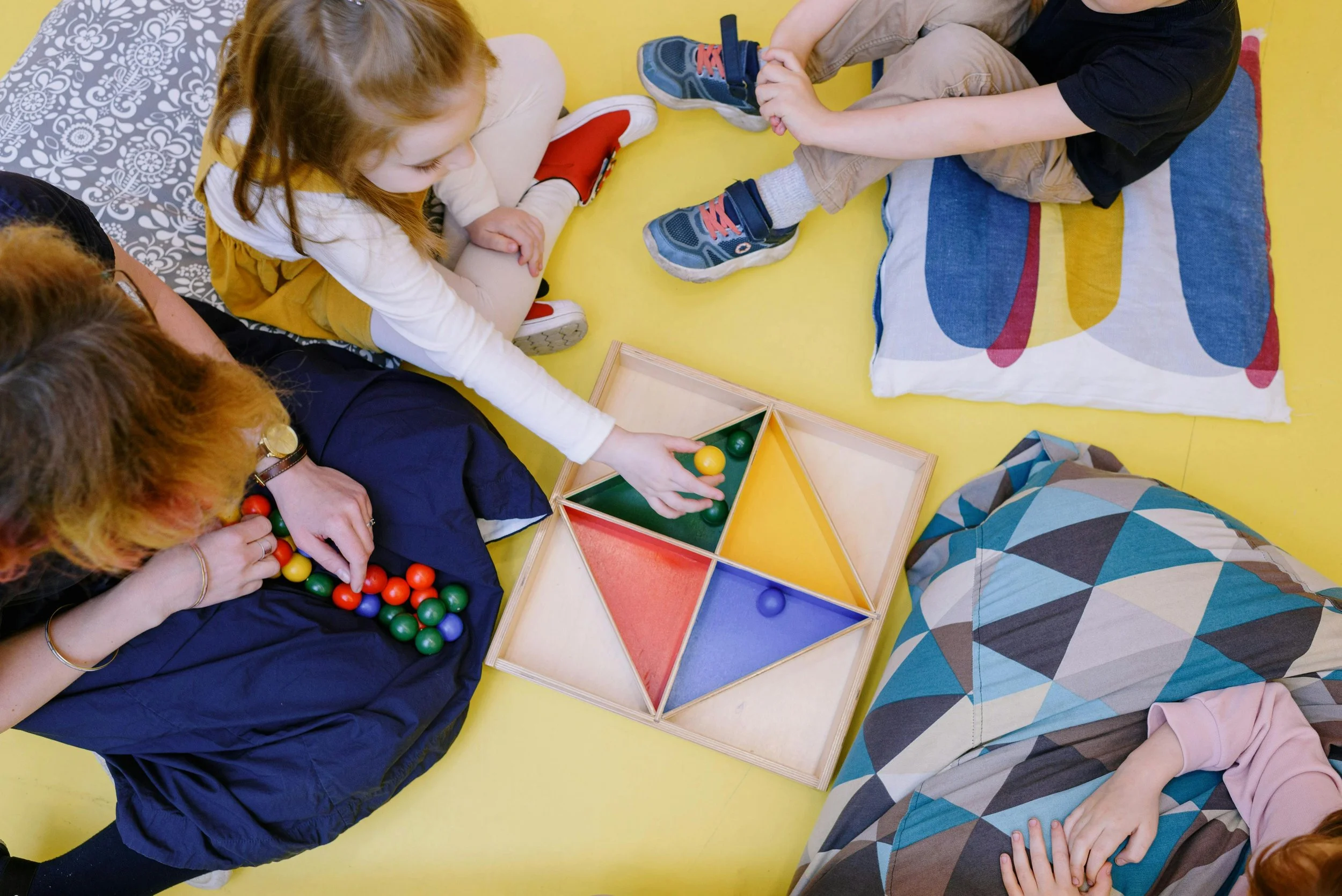
How to Know If Your Child Needs a Psychologist

While it’s common to associate therapy and mental health issues with adults, the truth is, children can also face significant emotional challenges. These include anxiety, depression, trauma, grief, obsessive-compulsive behavior, and more. And unlike adults, children often don’t have the tools or the language to articulate what they’re feeling. That’s where child psychology comes in.

At Wellman Psychology, our Best Child Psychologist Chicago provides comprehensive, compassionate support for children and families navigating emotional and behavioral difficulties. We believe that with the right guidance, your child can find their voice, regain their balance, and flourish emotionally.

1. Significant and Persistent Behavioral Changes

All children go through mood swings and occasional rough patches, especially during transitions like starting a new school year or preparing for a big event. However, when behavior shifts become noticeable, long-lasting, and unexplained, it’s time to pay closer attention.

For instance, a previously social, cheerful child who suddenly becomes withdrawn and unwilling to talk even with close family members may be experiencing internal emotional struggles. These shifts can range from increased quietness and lack of interest in favorite activities to more alarming signs like detachment or hostility.

If this type of behavioral change lasts more than two weeks and doesn't appear to be triggered by a temporary situation, a psychologist can help uncover the underlying cause and guide your child back to emotional well-being.

2. Emotional Dysregulation

Children often struggle to manage their emotions, but ongoing or intense emotional outbursts may signal a need for professional help. You might notice your child is more teary, angry, or volatile than usual. These emotions may surface suddenly or without clear provocation, leaving you confused or overwhelmed.

Parents often wonder, “Is this just a phase or puberty?” While that may be the case, persistent emotional dysregulation where a child cannot calm themselves, lashes out frequently, or cries over small things may indicate anxiety, depression, or an unresolved emotional issue.

A child psychologist can help your child understand and express their feelings in healthy ways while also supporting parents with tools to respond constructively.

3. Increased Irritability and Defiance

Another red flag is when a child becomes consistently irritable or combative. Do they shut down when you ask about their day? Argue constantly over small matters? Lash out at siblings or friends?

Irritability can often stem from frustration, confusion, or internal emotional pain. When children feel something they can't describe, they act it out. While some boundary testing is developmentally normal, ongoing defiance and hostility suggest your child may be struggling to regulate emotions.

If conversations at home feel like constant battles, a psychologist can work with both you and your child to build emotional insight, improve communication, and reduce conflict.

4. Regressions in Behavior

Sometimes emotional distress manifests through regressions when a child starts acting younger than their age or reverts to behaviors they had previously outgrown. This could include:

  • Bedwetting after years of dry nights,

  • Asking for help with basic tasks like dressing,

  • Crying easily or seeking constant reassurance,

  • Speaking in "baby talk" or showing extreme clinginess.

These behaviors often surface during or after significant life events, like divorce, a move, or the loss of a loved one. But when there's no clear trigger or the regression persists, it may indicate an underlying emotional issue. A psychologist can help your child identify and process what's bothering them, restoring a sense of emotional security and independence.

5. Social Withdrawal

Social relationships are essential for a child’s development. So when a child starts withdrawing from friends or avoiding social interaction, it’s worth exploring why.

You might notice that your child:

  • Eats lunch alone at school,

  • Declines invitations to playdates or birthday parties,

  • Refuses to leave the house or attend activities they once enjoyed.

This kind of isolation may be caused by sadness, anxiety, self-doubt, or social stress. Children sometimes feel like they have "nothing to offer" their peers or fear rejection. In therapy, they can learn to rebuild confidence, process these thoughts, and re-engage socially.

6. Boundary Pushing and Risky Behavior

If your child constantly pushes boundaries, challenges authority, or engages in risky or unsafe behaviors, it may reflect emotional distress or an unmet need for control and communication.

This may include:

  • Ignoring rules and instructions,

  • Sneaking out or lying,

  • Engaging in dangerous or impulsive behaviors.

While some of this is part of growing up, especially in adolescence, frequent defiance or risky actions may indicate frustration, fear, or confusion. Psychologists can offer a neutral space for your child to express themselves and learn more appropriate ways to assert independence and communicate needs.

7. Changes in Appetite, Sleep, or Physical Complaints

Emotional health often shows up in physical ways. A child who suddenly:

  • Loses interest in food,

  • Sleeps far more or less than usual,

  • Complains frequently of headaches, stomachaches, or fatigue

may be experiencing emotional turmoil. If there’s no medical explanation for these symptoms and they persist for more than two weeks, emotional stress may be the cause.

Children don’t always say, “I feel anxious.” Instead, they might say, “My tummy hurts.” A trained psychologist can help translate those physical symptoms into emotional understanding.

When to Use a Child Psychologist?

So when should parents consider professional support? Therapy is not only for emergencies; it can be a powerful preventive tool and a safe space to navigate complex emotions.

Consider using a child psychologist when:

  • Your child’s behavior is affecting daily life or relationships,

  • They’ve experienced a trauma or are going through a major life transition,

  • Emotional issues are causing persistent sleep, eating, or physical health changes,

  • Social withdrawal, regression, or irritability won’t go away on their own,

  • You feel overwhelmed, worried, or unsure of what to do next.

Seeking support early can lead to faster and more sustainable healing. Don’t wait for a crisis to act. Helping your child now can prevent long-term emotional challenges.

How Child Therapy Works

Child therapy looks different than adult therapy and it’s designed to be developmentally appropriate and engaging. Since young children often don’t have the vocabulary to discuss complex feelings, therapists use tools such as:

  • Play therapy, to help children express their inner world,

  • Art and drawing, to make abstract emotions tangible,

  • Storytelling and role-playing, to explore difficult scenarios.

At Wellman Psychology, we integrate parents and caregivers into the therapeutic process, helping families build healthier communication patterns, reduce tension at home, and support children’s emotional growth from all angles.

Final Thoughts

Recognizing that your child may need a psychologist is not easy, but it’s a deeply loving, proactive step. It means you’re tuned in to their needs and committed to helping them thrive emotionally, not just academically or socially. Trust your gut: if your child doesn't seem like themselves and the changes aren’t resolving, there’s no shame in seeking help.

Therapy is not about fixing your child. It’s about giving them the emotional tools to navigate life with confidence, resilience, and support.

Let Wellman Psychology Support Your Family

If your child is showing any of the signs described above, now is the time to take action. Wellman Psychology offers compassionate, personalized care tailored to your child’s emotional needs and developmental stage. Our team of experienced Best Child Psychologist Chicago is committed to helping children feel safe, heard, and empowered. We work with both children and their families to create lasting emotional growth and healing. Contact us today to schedule a consultation and take the first step toward a brighter, healthier future for your child.

Feel free to check out our social media links below:

Find out more articles that can help you below:

What's a Child Psychologist

How to Find a Child Psychologist

How Do Child Psychologists Help Children

How Do Child Psychologists Work

How Do Child Psychologists Actually Help Kids? Here’s What They Do

When children experience emotional, behavioral, or developmental challenges, their families often feel overwhelmed and unsure where to turn. In these moments, child psychologists can be invaluable allies, but how do child psychologists work, and what exactly do they do to help? At the heart of their profession lies a combination of deep developmental knowledge, therapeutic expertise, and a compassionate approach tailored specifically to the needs of children.

At Wellman Psychology, our team of one of the Best Child Psychologist Chicago understands that early mental health care can transform a child's life trajectory. Whether it's addressing anxiety, supporting a child with autism, or helping a family navigate trauma, we provide individualized care designed to nurture resilience and growth. This article takes a comprehensive look into what child psychologists actually do, how they work across various settings, and why their role is more vital now than ever.

How Do Child Psychologists Work

What Do Child Psychologists Do?

Child psychologists specialize in understanding how children think, feel, and behave. Their work involves the assessment, diagnosis, and treatment of emotional and mental disorders such as anxiety, ADHD, trauma, and behavioral difficulties. They use a variety of tools structured interviews, observations, and standardized psychological tests, to gather a complete picture of a child’s psychological state.

Beyond diagnosis, they engage in therapy, behavior planning, and family counseling. They might help a child manage social anxiety at school, guide parents through difficult developmental phases, or work with teachers to modify classroom strategies. Their approach is holistic, focused not just on symptom relief but also on long-term developmental health.

Common Job Titles

These professionals often work under several job titles, depending on their training and setting:

  • Clinical Psychologist

  • Pediatric Psychologist

  • Licensed Child Psychologist

  • Psychotherapist

  • School Psychologist
    Each of these roles plays a part in supporting children’s mental health, but they differ in terms of the populations they serve and the environments in which they work.

How Do Child Psychologists Work?

Child psychologists work in a variety of settings, including private practices, hospitals, schools, community health organizations, and research institutions. Their approach is customized based on the child's age, condition, and support network. Sessions can be conducted in-person or online, depending on accessibility and the child’s comfort.

They often:

  • Meet regularly with children to conduct therapy sessions

  • Administer psychological and developmental assessments

  • Consult with parents, teachers, and doctors

  • Write detailed reports to track progress

  • Advocate for accommodations at school or in legal settings

Therapeutic modalities may include:

  • Play therapy for young children who cannot articulate their emotions verbally

  • Cognitive Behavioral Therapy (CBT) to help with thought regulation

  • Art therapy to process trauma and anxiety

  • Parent-child interaction therapy to improve dynamics at home

Whether they are addressing the social struggles of a child with autism or helping a teen cope with grief, child psychologists work with extraordinary sensitivity and adaptability.

What is the Role of Psychology in Children?

Child psychology is essential for understanding the complex interplay between a child’s development and their emotional or behavioral health. It helps identify whether behaviors are part of normal developmental phases or indicators of deeper issues.

Key Roles Include:

  • Monitoring Development: Psychologists detect delays or abnormal patterns in physical, emotional, or cognitive development.

  • Supporting Resilience: They help children build tools to manage stress, adapt to changes, and solve problems constructively.

  • Empowering Families: Through education and counseling, psychologists guide parents on effective parenting strategies.

  • Facilitating Communication: They provide children with a language for their emotions, allowing them to process experiences more clearly.

  • Preventative Care: Early psychological intervention can reduce the risk of more severe issues later in life.

Ultimately, the role of psychology in childhood is to create a foundation for lifelong emotional and mental health.

Daily Work and Skills Required

A day in the life of a child psychologist is diverse. One moment might involve testing for learning disabilities, the next may be spent in therapy with a child recovering from trauma. Their work is both emotionally demanding and intellectually rigorous.

Essential Technical Skills:

  • Psychological Testing and Evaluations

  • Therapeutic Intervention Techniques

  • Behavioral Planning and Management

  • Data Analysis and Progress Reporting

  • Research Design and Implementation

Core Soft Skills:

  • Empathy and patience

  • Clear, age-appropriate communication

  • Ethical decision-making

  • Cultural sensitivity

  • Creative problem-solving

Their success depends not only on technical ability but also on emotional intelligence and adaptability.

Why Is Child Psychology Important?

Childhood is a critical period where mental health patterns begin to form. According to the American Psychological Association, nearly 20 million youth in the U.S. have a diagnosable mental health disorder. Tragically, most do not receive professional help.

Conditions like ADHD, anxiety, and behavioral disorders often first appear in childhood. These issues are even more prevalent among children from low-income families, where access to care is limited. Ignoring these challenges can have long-lasting impacts, from academic failure to substance abuse or criminal involvement later in life.

But with early intervention, children can develop healthy coping skills, strengthen relationships, and regain control over their mental and emotional well-being. Child psychology matters because it gives children a voice and a pathway to thrive.

Child Psychologists and Developmental Support

1. Physical Development

Delays in motor skills may indicate neurological or muscular issues. Child psychologists observe these milestones and refer to specialists when appropriate.

2. Cognitive Development

From language learning to decision-making, a child’s thought processes reflect both nature and nurture. Child psychologists help identify strengths and address cognitive challenges early on.

3. Emotional Development

Understanding and regulating emotions is crucial. Child psychologists teach children how to process sadness, frustration, and fear and to build confidence and self-worth.

Special Focus: Autism and Disabilities

Children with autism spectrum disorder (ASD) often need specialized interventions to navigate social and communication difficulties. Child psychologists trained in ASD use approaches like ABA (Applied Behavior Analysis) and social skills training to promote independence and connection.

They also work with:

  • Intellectual disabilities

  • Developmental delays

  • Learning disorders

  • Physical impairments affecting mental health

Working closely with educators, families, and pediatricians, they help create Individualized Education Plans (IEPs) and ensure that children receive appropriate support in all areas of life.

Distinctions Between Related Roles

Child Therapist vs. Child Psychologist

  • Child Therapists typically hold master’s degrees and focus on providing emotional support through counseling.

  • Child Psychologists are doctoral-level professionals trained in assessment, diagnosis, and advanced intervention.

Child Psychologist vs. School Psychologist

  • Child Psychologists often work in clinical settings and focus on the treatment and evaluation of emotional and developmental disorders.

  • School Psychologists operate within educational systems, helping students succeed academically and socially while navigating learning and behavioral challenges.

Education and Career Pathway

Becoming a child psychologist involves a rigorous academic and practical journey:

  1. Bachelor’s Degree in Psychology or related field

  2. Master’s Degree (sometimes optional, but often necessary for specializations)

  3. Doctoral Degree (Ph.D. or Psy.D.) with a child psychology focus

  4. Internship: Typically one year of supervised clinical experience

  5. Licensure: Includes passing the EPPP and possibly a state law exam

  6. Postdoctoral Supervised Practice in states where required

  7. Continuing Education: Ongoing training to stay current in the field

Career Outlook and Salary Potential

The U.S. Bureau of Labor Statistics projects a 6% job growth for psychologists through 2032, with approximately 12,000 new jobs added each year. The demand is particularly strong in schools, hospitals, outpatient centers, and private practices.

Salary Overview:

  • Average Annual Salary: $92,740

  • School Settings: ~$84,440

  • Government Roles: Up to $115,400

Work-life balance is attainable, especially for those in private practice who set their own hours.

Why You Should Care?

If your child is showing signs of emotional distress, learning difficulties, or social withdrawal, help is available.
At Wellman Psychology, we specialize in evidence-based, compassionate care that supports both children and families.

Our Best Child Psychologist Chicago are trained to address a wide range of developmental, behavioral, and emotional challenges.
We work collaboratively with schools, doctors, and community services to build a complete support system around each child.


Don’t wait, contact Wellman Psychology today to schedule a consultation and take the first step toward a healthier, happier future for your child.

Feel free to check out our social media links below:

Find out more articles that can help you below:

What Is a Child Psychologist

Where Do Child Psychologists Work

How to Find a Child Psychologist

What Is a Child Psychologist

What Does a Child Psychologist Do? Here’s What You Should Know

Childhood is a time of incredible growth and development, but it’s also a period where many challenges can emerge—some of which aren’t always easy to spot or understand. Emotional distress, learning struggles, and behavioral issues can all signal a deeper need for support. What is a child psychologist? A child psychologist is a trained expert in child development who can assess, diagnose, and treat a wide range of mental, emotional, and behavioral issues. These professionals are crucial in helping children not only overcome challenges but also reach their fullest potential. At Wellman Psychology, our child psychologists are passionate about guiding families through the complexities of child mental health, offering compassionate care that’s rooted in scientific knowledge and tailored to each child's unique needs.

If your child is struggling with emotions, learning, or behavior, it’s time to act. Early support from a trained professional can make a lifelong difference. Don’t wait until small problems become bigger ones—reach out and ask for help. At Wellman Psychology, we specialize in understanding the unique challenges children face and developing plans that work. Contact us today to schedule a consultation and give your child the best chance at a brighter future.

What Is a Child Psychologist

What Is a Child Psychologist?

A child psychologist is a mental health professional with advanced training in how children grow, think, feel, and behave. They specialize in working with infants, toddlers, children, and adolescents, applying psychological knowledge to address concerns that arise during these formative years. Unlike general psychologists or therapists, child psychologists understand how age, family dynamics, and social environments impact development and mental health. They use various tools—like assessments, therapy techniques, and parent consultations—to support children through emotional or behavioral difficulties. Whether in a school, clinic, hospital, or private practice, child psychologists play a pivotal role in helping kids thrive.

What Does a Child Psychologist Do?

Child psychologists do much more than just talk with children. Their work involves careful observation, diagnostic testing, and therapeutic interventions. These professionals:

  • Assess psychological, cognitive, and behavioral functioning through interviews and standardized tests.

  • Use child-specific therapies, such as play therapy, art therapy, and cognitive behavioral therapy (CBT), to help children express themselves and build coping skills.

  • Support families in understanding a child’s behaviors and emotional needs.

  • Collaborate with teachers, doctors, and caregivers to develop individualized treatment plans.

  • Help children manage conditions like ADHD, autism, anxiety, trauma, and learning disabilities.

Child psychologists are also trained to detect developmental delays early, making it possible to intervene before problems escalate.

What Does Child Psychology Focus On?

Child psychology focuses on the mental, emotional, social, and behavioral development of children from birth through adolescence. At its core, it aims to understand how children grow and why they may experience difficulties. This includes:

  • Tracking developmental milestones and identifying delays.

  • Addressing emotional and behavioral issues that may affect learning and relationships.

  • Exploring how a child’s environment—including parenting, peer interactions, and culture—influences development.

  • Promoting mental health and resilience through positive interventions.

  • Helping children build strong emotional foundations for lifelong wellbeing.

Core Aspects of Child Development

Understanding the core domains of child development helps psychologists create targeted and effective care plans.

1. Physical Development

Milestones like crawling, walking, and fine motor coordination are key indicators of physical growth. Child psychologists observe these to identify possible neurological or developmental issues and may work closely with pediatricians when physical delays are evident.

2. Cognitive Development

Cognitive development includes language, memory, attention, and problem-solving. Influenced by both genetics and environment, cognitive growth shapes how a child thinks and learns. Psychologists use tools to assess cognitive strengths and challenges and guide learning strategies.

3. Emotional Development

From infancy, children experience a range of emotions—joy, fear, frustration—and gradually learn how to express and regulate them. Secure attachments and nurturing environments support healthy emotional growth. Psychologists help children navigate complex emotions like guilt, pride, and empathy as they mature.

4. Social Development

Social learning begins at home and expands as children enter school and community environments. Through relationships with peers and adults, children learn cooperation, communication, and social roles. Child psychologists guide kids in resolving conflicts and developing a positive sense of self in social settings.

Major Contexts in Child Psychology

Child psychology is not limited to what’s happening inside a child’s brain. It takes into account the external environments that shape behavior and development:

1. Cultural Context

Culture informs how children are raised, disciplined, and educated. It shapes their identity and impacts how they express emotions and form relationships. Psychologists consider a child’s cultural background when developing treatment plans.

2. Social Context

The relationships children have with family, peers, teachers, and caregivers deeply affect their emotional and social development. Healthy social environments promote positive outcomes, while unstable ones can contribute to anxiety, aggression, or withdrawal.

3. Socioeconomic Context

A family's economic status can influence access to healthcare, education, and nutritious food. Child psychologists advocate for children in under-resourced communities and work with families to connect them to support systems.

Why Child Psychology Is Important

According to the American Psychological Association and the CDC, millions of children face undiagnosed or untreated mental health challenges. ADHD, behavioral issues, and anxiety are among the most common, with children in low-income areas facing disproportionately high rates. Without proper intervention, these challenges can lead to long-term difficulties in school, relationships, and overall well-being.

Child psychologists offer life-changing support by identifying issues early, helping children build emotional resilience, and equipping families with the tools to support healthy development. As advocates like Kate Middleton have highlighted, breaking the stigma around mental health is essential for ensuring every child has a chance to succeed.

Child Psychology vs. Other Fields

Child Psychologist vs. Child Therapist

While both support children's mental health:

  • Child therapists typically hold a master’s degree and offer counseling-based interventions.

  • Child psychologists hold doctoral degrees and are trained in diagnostics, psychological testing, and more complex therapeutic methods.

Child Psychologist vs. School Psychologist

  • Child psychologists work in a variety of settings and focus on clinical mental health care.

  • School psychologists operate within school systems, supporting academic performance, conducting IEP evaluations, and guiding special education plans.

Child Psychology vs. Adult Psychology

Children are still forming the ability to understand and manage emotions. Therapies must be adapted to meet age-specific developmental stages. In contrast, adult psychologists work with individuals who have already completed most developmental milestones and face different life stressors.

Skills and Qualities of an Effective Child Psychologist

Effective child psychologists combine advanced clinical training with compassionate interpersonal skills. Key competencies include:

  • Psychological assessments and diagnosis

  • Therapeutic intervention tailored to children

  • Preventative program design

  • Multidisciplinary collaboration

  • Scientific research and data analysis

They must also be:

  • Empathetic and patient

  • Skilled communicators (with both children and adults)

  • Culturally sensitive

  • Creative and enthusiastic problem-solvers

If your child is showing signs of emotional distress, learning struggles, or behavioral issues, don’t wait. Early intervention can profoundly shape your child’s ability to succeed in school, build friendships, and feel confident in their world. At Wellman Psychology, we specialize in understanding children’s unique needs and creating individualized, effective treatment plans. Let our Best Child Psychologist Chicago help you uncover the root of your child’s challenges and build a path forward together. Reach out today to schedule your consultation and take the first step toward a brighter future for your child.

Feel free to check out our social media links below:

Find out more articles that can help you below:

How to Find a Child Psychologist

What's a Child Psychologist

What Are the Duties of a Child Psychologist

Where Do Child Psychologists Work

Where Child Psychologists Work—and What It Means for Your Child’s Care

When your child begins to struggle with emotions, learning, or behavior, the decision to seek help can feel overwhelming. With various professional titles—therapists, psychologists, counselors—it’s hard to know who does what and whom to turn to for real, lasting support. One of the most important questions parents ask is: Where do child psychologists work? But more than just their physical work environments, this question reveals the scope, depth, and approach of a child psychologist’s role in your child’s mental health journey. At Wellman Psychology, our child psychologists offer more than services—they offer hope, clarity, and a path forward through expert care and compassionate understanding tailored to each child’s unique needs.

Where Do Child Psychologists Work

Introduction to Child Psychology

Child psychology focuses on the mental, emotional, and behavioral development of children and adolescents. Professionals in this field help young people navigate everything from anxiety and learning disorders to social challenges and trauma. A child psychologist plays a more clinical and assessment-driven role compared to a child therapist, who typically provides direct counseling support. Understanding the difference is essential to ensuring your child receives the most appropriate form of care. Both roles are vital, but their scopes of practice, education, and settings differ.

Where Do Child Psychologists Work?

Child psychologists work in settings that reflect the diverse needs of children:

  • Private practices – Where one-on-one therapy and evaluations take place in a calming, child-friendly environment.

  • Schools – Collaborating with teachers and parents to support learning, behavior, and special education plans.

  • Hospitals and clinics – Managing care for children dealing with medical or mental health crises.

  • Community centers – Offering accessible care in underserved communities.

  • Research and academia – Contributing to the advancement of child psychology through studies and training future professionals.

At Wellman Psychology, our Best Child Psychologist Chicago professionals work across these environments—bringing expert care directly into the spaces where children live, learn, and grow. Whether your child needs in-office therapy, school-based consultation, or virtual support, we make sure that care is available, convenient, and personalized.

Child Therapist vs. Child Psychologist

Education and Training Differences

Child therapists often hold a master's degree and focus on counseling techniques. While effective in supporting emotional regulation and social development, they typically do not perform clinical diagnoses or psychological assessments. In contrast, child psychologists undergo a rigorous doctoral program, complete thousands of supervised clinical hours, and receive training in assessment tools, developmental psychology, and therapeutic intervention strategies.

Roles and Responsibilities

Child therapists focus on emotional support, coping strategies, and behavioral interventions. Child psychologists go further—they assess, diagnose, and treat psychological disorders, conduct research-backed evaluations, and coordinate with other medical or educational professionals. At Wellman Psychology, our psychologists provide full-spectrum care that includes both therapeutic support and in-depth analysis to uncover root issues.

Clinical vs. Educational Focus

While some psychologists at Wellman work directly with families in clinical environments, others specialize in school psychology, working closely with teachers and administrators to support academic success and emotional wellness within educational settings.

Steps to Become a Child Psychologist

Earn a Bachelor’s Degree

The path begins with undergraduate studies in psychology or child development, building a strong foundation for specialized training.

Consider a Master’s Degree

Though optional for some doctoral programs, a master’s degree in child psychology helps deepen focus and prepare for advanced studies.

Earn a Doctoral Degree

This step includes either a Ph.D. or Psy.D. in psychology, with a focus on children. Many states require these programs to be accredited by the American Psychological Association (APA).

Complete Supervised Clinical Experience

Candidates must complete 1,500–6,000 hours of clinical experience under the guidance of a licensed psychologist, ensuring real-world expertise.

Obtain State Licensure

After clinical experience, passing the EPPP and any state-specific exams is required for licensure.

At Wellman Psychology, every child psychologist has undergone these steps to provide safe, ethical, and effective care.

What are the Areas of Child Psychology?

Wellman Psychology child psychologists are trained across a variety of disciplines, allowing for targeted support in key areas:

  • Developmental psychology – Understanding and supporting healthy growth at each life stage

  • Clinical child psychology – Diagnosing and treating anxiety, depression, trauma, and behavioral issues

  • Educational and school psychology – Assisting with learning disabilities, classroom behavior, and academic planning

  • Pediatric psychology – Supporting children coping with chronic illness, hospitalization, or medical anxiety

  • Family and trauma-focused therapy – Helping families heal together after events like divorce, abuse, or loss

This multidimensional expertise allows us to provide care that’s as diverse as the children we serve.

Skills and Qualities of a Child Psychologist

At Wellman Psychology, our child psychologists combine clinical skill with human compassion. In addition to core competencies in:

  • Psychological assessment

  • Therapeutic intervention

  • Program development

  • Multidisciplinary consultation

They also possess the soft skills that build trust with children and families—empathy, communication, patience, cultural sensitivity, and enthusiasm. These qualities make therapy a safe and empowering experience for every child.

Time Commitment and Career Path Overview

Becoming a child psychologist is a long but rewarding journey, typically taking 10 years from a bachelor’s degree to licensure. This rigorous path ensures that children receive the highest standard of mental health care.

Comparison with related roles:

  • School Psychologist: 6–8 years

  • Educational Psychologist: 8–10 years

  • Clinical Psychologist: 8–12 years

  • Counseling Psychologist: 10–16 years

Every Wellman Psychology child psychologist is deeply experienced, not just in theory, but in real-life application and family-centered care.

Final Thoughts

At Wellman Psychology, we believe every child deserves to thrive, not just survive. Our licensed child psychologists provide more than clinical expertise—they offer understanding, compassion, and a roadmap to emotional resilience. Whether your child is dealing with anxiety, behavioral struggles, trauma, or learning challenges, we’re here to help with science-backed strategies and a warm, human approach. Our services are available in-person, in schools, and online, so support is never out of reach. Contact Wellman Psychology today to discover how our child psychologists can help your child build confidence, overcome obstacles, and achieve a happier, healthier future.

Feel free to check out our social media links below:

Find out more articles that can help you below:

How to Find a Child Psychologist

What's a Child Psychologist

What Does a Clinical Child Psychologist Do