

ADHD

Does Methylfolate Help With ADHD

Does Methylfolate Help With ADHD? What Science Says

If you’ve been exploring supplements that may support ADHD (Attention-Deficit/Hyperactivity Disorder) treatment, you’ve likely come across methylfolate. It’s often mentioned in discussions about brain chemistry, energy, and focus—but does methylfolate help with ADHD?

Recent research suggests that methylfolate may play a supporting role in managing ADHD, especially for individuals with specific genetic variations, such as MTHFR mutations, that affect how the body processes folate. While it isn’t a replacement for standard ADHD medications, it may help boost brain function and improve treatment outcomes in certain cases.

In this guide, we’ll explain what methylfolate is, how it works, and what current science says about its potential benefits for ADHD.

What Is Methylfolate?

Does Methylfolate Help With ADHD

Methylfolate, also known as L-methylfolate or 5-MTHF, is the active form of folate (vitamin B9). Unlike folic acid, the synthetic version found in many supplements, methylfolate doesn’t need to be converted by the body to become usable.

This distinction is crucial because many people have a genetic variation known as an MTHFR gene mutation, which makes it harder to convert folic acid into methylfolate. Without enough active folate, the body struggles to produce key neurotransmitters like dopamine, serotonin, and norepinephrine chemicals that play vital roles in mood, attention, and focus.

The Connection Between Methylfolate and ADHD

ADHD is often linked to imbalances in neurotransmitters, particularly dopamine and norepinephrine. These brain chemicals regulate attention, motivation, and emotional control.

Because methylfolate supports the synthesis of these neurotransmitters, it’s thought that supplementing with it might enhance mental clarity and focus, especially in people who naturally have low folate levels or reduced MTHFR enzyme activity.

A 2017 study published in Current Psychiatry found that L-methylfolate can modulate the synthesis of monoamines (such as dopamine and serotonin) and may improve the effectiveness of ADHD treatments, particularly in patients with MTHFR deficiency.

In short, methylfolate doesn’t cure ADHD but it may help support brain chemistry that contributes to better attention and emotional regulation.

Does Methylfolate Increase Dopamine?

Yes, methylfolate can indirectly help increase dopamine levels in the brain by supporting the biochemical pathways responsible for neurotransmitter production.

Here’s how it works: methylfolate provides methyl groups, which are essential molecules used in a process called methylation. Methylation is critical for producing neurotransmitters like dopamine, serotonin, and norepinephrine. When the body has enough methylfolate, it can convert certain amino acids such as tyrosine, into dopamine more efficiently.

For people with ADHD, who often have lower dopamine activity, this can make a meaningful difference. Higher or more balanced dopamine levels can improve:

  • Attention and concentration

  • Motivation and reward processing

  • Mood stability

However, the effects of methylfolate are typically subtle and supportive, not dramatic. It helps the brain maintain healthier dopamine function, but it doesn’t directly “boost” dopamine in the way stimulant medications do. Instead, it works behind the scenes to optimize your brain’s natural chemistry, which may enhance the benefits of ADHD treatments.

How Does Methylfolate Work in the Brain?

Methylfolate’s role in ADHD largely comes down to neurotransmitter production. Here’s a simplified explanation:

  1. Methylfolate donates methyl groups, which are chemical compounds essential for various brain processes.

  2. These methyl groups help convert amino acids into neurotransmitters like dopamine and norepinephrine.

  3. When folate metabolism is impaired (as in MTHFR mutations), neurotransmitter levels may drop, leading to difficulty concentrating, low motivation, and impulsivity.

  4. Supplementing with methylfolate bypasses this metabolic block, allowing the brain to produce more balanced neurotransmitters naturally.

Essentially, methylfolate helps the brain “recharge” its chemistry, which can positively affect cognition and attention.

Research on Methylfolate and ADHD

While the body of research is still growing, several studies and clinical observations have pointed to interesting findings:

  • MTHFR gene mutations and ADHD: Research has shown a link between MTHFR mutations and ADHD symptoms. These genetic variations can reduce folate metabolism efficiency, potentially influencing brain development and function.

  • L-methylfolate as a support treatment: Clinical evidence suggests that supplementing with methylfolate may improve the effectiveness of ADHD medications in patients with folate metabolism issues.

  • Mood and cognitive improvements: Methylfolate has been studied for its benefits in depression and cognitive function, both relevant to ADHD, since mood regulation and executive function are commonly affected.

However, it’s important to note that methylfolate isn’t a replacement for ADHD medication. Rather, it’s viewed as an adjunct therapy, something that supports your overall treatment plan, especially when combined with behavioral therapy or medication prescribed by a doctor.

Should You Take Methylfolate for ADHD?

Before starting any supplement, it’s best to consult a healthcare professional, especially since ADHD symptoms and biochemistry vary greatly from person to person.

Methylfolate may be helpful if:

  • You’ve been tested and found to have an MTHFR gene mutation.

  • You experience low energy, poor focus, or mood issues despite standard ADHD treatment.

  • Your doctor suspects low folate levels based on blood work.

For most people, methylfolate is considered safe and well-tolerated, but it’s still important to discuss it with a qualified clinician who understands ADHD and nutritional psychiatry.

Recommended Dosage and Safety

Typical methylfolate doses for cognitive or mood support range between 1 mg to 15 mg daily, depending on individual needs. Some psychiatric specialists use higher doses for patients with documented MTHFR mutations or severe folate deficiencies.

However, more isn’t always better. High doses can cause restlessness, irritability, or sleep disruption, especially if combined with stimulant medications. Always start with a low dose under professional supervision and monitor your response.

Also, because methylfolate affects neurotransmitter synthesis, it may enhance the effects of antidepressants or ADHD medications, so dosage adjustments might be needed.

Can Methylfolate Replace ADHD Medication?

No methylfolate should not be used as a standalone ADHD treatment. While it may support neurotransmitter balance, it doesn’t directly target the neural pathways responsible for ADHD symptoms in the same way stimulant or non-stimulant medications do.

Think of methylfolate as a co-factor, a nutrient that helps your brain chemistry function more efficiently, rather than a direct treatment for ADHD.

In clinical settings, methylfolate is often used alongside standard ADHD medications, like Adderall or Ritalin, and therapy approaches such as Cognitive Behavioral Therapy (CBT) or executive function coaching.

Other Nutrients That Support ADHD Treatment

If you’re interested in natural supplements that complement ADHD care, research also supports the role of:

  • Omega-3 fatty acids: Improve focus and reduce hyperactivity.

  • Magnesium: Supports relaxation and cognitive balance.

  • Zinc and iron: Help regulate dopamine activity.

  • Vitamin D: Supports mood and mental energy.

Methylfolate fits into this group as part of a nutritional support plan, not a standalone therapy.

Testing for MTHFR Mutations

If you’re curious about whether methylfolate could help you, one option is to get tested for MTHFR mutations. These tests identify whether your body has a reduced ability to process folic acid efficiently.

  • You can ask your doctor for a genetic test (simple blood or saliva test).

  • Results can guide whether methylfolate supplementation is likely to benefit you.

Even if you don’t have an MTHFR mutation, ensuring optimal folate levels can still support cognitive health and mental well-being.

Possible Side Effects of Methylfolate

Most people tolerate methylfolate well, but some may experience mild side effects, especially at higher doses. These can include:

  • Headaches or restlessness

  • Nausea or digestive upset

  • Anxiety or overstimulation (in rare cases)

If you notice any of these, lowering your dose or taking the supplement every other day may help. It’s best to work with a professional who can adjust your dosage safely.

The Bottom Line

So, does methylfolate help with ADHD?

The evidence suggests that it can support ADHD management, particularly in people with folate metabolism issues or MTHFR gene variants. By improving neurotransmitter production and brain function, methylfolate may enhance focus, mood, and the overall effectiveness of ADHD treatment.

However, it’s not a cure or replacement for medication. The best outcomes come from a holistic approach combining professional diagnosis, therapy, medication (if prescribed), and nutritional support.

If you’re curious about whether methylfolate could benefit you, talk to a licensed mental health provider or integrative psychiatrist who understands ADHD and genetic factors.

If you’re exploring safe, evidence-based options to improve focus and mental clarity, Wellman Psychology can help. Our team offers Cognitive Behavioral Learning and ADHD-focused evaluations designed to uncover the root causes of your challenges, whether neurological, behavioral, or nutritional.

We’ll work with you to create a customized treatment plan that integrates science-backed strategies and supplements like methylfolate, when appropriate.

Schedule an appointment today and take the next step toward better concentration, emotional balance, and long-term mental wellness.

Book an appointment today and take the first step toward better focus, confidence, and control.

Feel free to check out our social media links below:

Find out more articles that can help you below:

Can a Therapist Diagnose You With ADHD

Getting an ADHD Diagnosis: Can Therapists Do It Legally?

If you’ve been struggling with chronic distraction, disorganization, and restlessness, you might have wondered: Can a therapist diagnose you with ADHD?

It’s a common question, especially as more adults are recognizing symptoms of Attention-Deficit/Hyperactivity Disorder (ADHD) in themselves or their children. While therapists play a vital role in identifying and managing ADHD, the answer to whether they can officially diagnose it depends on the type of therapist and their professional credentials.

Let’s break down what therapists can and can’t do when it comes to diagnosing ADHD, how the process works, and who you should see for an accurate and legal diagnosis.

What Is ADHD?

Can a Therapist Diagnose You With ADHD

ADHD is a neurodevelopmental disorder that affects attention, impulse control, and executive function, the brain’s ability to plan, organize, and complete tasks. It’s one of the most common mental health conditions worldwide, impacting both children and adults.

The three main types of ADHD are:

  • Predominantly Inattentive: Difficulty focusing, following through on tasks, or listening.

  • Predominantly Hyperactive-Impulsive: Excessive movement, restlessness, or impulsivity.

  • Combined Type: A mix of inattentive and hyperactive symptoms.

Symptoms vary widely. For adults, ADHD can look like chronic procrastination, forgetfulness, or difficulty managing time, often leading to frustration or self-doubt.

Because these signs can overlap with other conditions like anxiety or depression, getting a professional diagnosis is crucial to ensure you receive the right treatment and support.

Can a Therapist Diagnose You With ADHD?

The short answer: It depends on the therapist’s qualifications and licensing.

In general, some therapists can diagnose ADHD, while others cannot.

Here’s a breakdown:

1. Licensed Clinical Psychologists

Yes, clinical psychologists are fully qualified to diagnose ADHD. They are trained in administering psychological tests and evaluating cognitive and behavioral patterns. A psychologist can conduct comprehensive assessments, provide a diagnosis, and create a treatment plan.

2. Psychiatrists

Psychiatrists are medical doctors who specialize in mental health. They can diagnose ADHD, prescribe medication, and manage ongoing treatment. In more complex cases or when medication is needed, a psychiatrist is often the best choice.

3. Licensed Therapists, Counselors, and Social Workers

This group includes Licensed Professional Counselors (LPCs), Licensed Clinical Social Workers (LCSWs), and Marriage and Family Therapists (LMFTs). These professionals can recognize ADHD symptoms and conduct clinical interviews, but may not have the legal authority to make an official medical diagnosis in every state.

However, they play a crucial role in screening, supporting, and referring clients to psychologists or psychiatrists for formal diagnosis and treatment.

4. Primary Care Physicians

Many family doctors and pediatricians can diagnose ADHD, especially in straightforward cases. They often refer patients to mental health professionals for more detailed assessments when symptoms are complex or uncertain.

How Therapists Help in the ADHD Diagnosis Process

Even when they can’t officially diagnose, therapists are often the first professionals to recognize ADHD symptoms.

A skilled therapist can:

  • Conduct clinical interviews to identify patterns of inattention, impulsivity, or hyperactivity.

  • Use validated ADHD screening tools to evaluate symptoms.

  • Rule out other issues like anxiety, depression, or trauma that may mimic ADHD.

  • Collaborate with psychiatrists or psychologists to confirm the diagnosis.

In many cases, therapists serve as the gateway to formal ADHD testing by recognizing early signs and guiding clients through the next steps.

What’s Involved in an ADHD Evaluation

If your therapist suspects ADHD, they may refer you for a comprehensive psychological evaluation. Here’s what that typically includes:

1. Clinical Interview

The clinician gathers your personal, academic, and family history. They’ll ask about your attention span, behavior patterns, and how symptoms impact daily life.

2. ADHD Questionnaires and Rating Scales

You might fill out standardized forms such as the Adult ADHD Self-Report Scale (ASRS) or Conners Rating Scales, sometimes with input from family members or teachers.

3. Cognitive and Behavioral Testing

Some psychologists use attention and memory tests to measure executive functioning and rule out other conditions.

4. Review of Medical and Academic Records

Your provider may request past report cards, job evaluations, or medical records to identify long-term patterns.

5. Diagnosis and Feedback

Once all information is reviewed, you’ll receive a formal diagnosis (if applicable), along with recommendations for treatment, which may include therapy, lifestyle changes, or medication.

What Therapists Can Do After a Diagnosis

Even if a therapist doesn’t provide the official diagnosis, they are essential for ongoing ADHD management.

Therapists help clients:

  • Build coping strategies for focus and organization.

  • Address emotional challenges, such as frustration or low self-esteem.

  • Develop structure in daily routines and time management.

  • Navigate relationships, where communication and attention can be affected.

  • Use Cognitive Behavioral Therapy (CBT) to change unhelpful thought patterns and behaviors.

In fact, therapy is often considered one of the most effective non-medical treatments for ADHD, especially when combined with medication.

When to See a Therapist for ADHD

You should consider reaching out to a therapist if you:

  • Struggle to stay focused or meet deadlines.

  • Frequently lose things or forget appointments.

  • Feel overwhelmed by multitasking or organization.

  • Have been told you’re “scattered” or “always distracted.”

  • Have emotional ups and downs that affect work or relationships.

A therapist can help you make sense of these experiences and determine whether ADHD might be contributing to them.

If they believe it’s likely, they’ll either conduct an assessment themselves (if qualified) or refer you to a psychologist or psychiatrist for diagnostic testing.

How Long Does It Take to Get Diagnosed With ADHD?

The time it takes to receive an ADHD diagnosis can vary depending on where you live and who you see.

  • Primary care diagnosis: 1–2 appointments (basic evaluation).

  • Psychological evaluation: 2–4 sessions over several weeks.

  • Full neuropsychological testing: May take multiple sessions and feedback meetings.

In general, the process can take between a few weeks to a couple of months, especially if multiple assessments are required.

What Happens After the ADHD Diagnosis

Once ADHD is confirmed, you and your therapist or doctor can discuss next steps. Treatment typically includes a combination of therapy, lifestyle adjustments, and sometimes medication.

1. Medication

If your symptoms are significantly affecting daily life, a psychiatrist or physician may prescribe stimulants (like Adderall or Ritalin) or non-stimulant options.

2. Therapy

Therapy helps you understand your patterns and build practical skills. Techniques like Cognitive Behavioral Therapy (CBT) and Dialectical Behavior Therapy (DBT) can improve focus, reduce impulsivity, and manage emotional swings.

3. Coaching and Skill-Building

Some people benefit from ADHD coaching, which focuses on productivity, organization, and accountability.

4. Lifestyle Support

Your therapist can help you develop better routines around sleep, diet, exercise, and time management, all of which play an important role in ADHD management.

Can a Therapist Prescribe ADHD Medication?

No therapist can prescribe medication. Only psychiatrists, primary care doctors, or nurse practitioners with medical training can do so.

However, your therapist can coordinate care with your prescribing physician. This team-based approach ensures both the psychological and medical sides of ADHD are addressed.

Why You Shouldn’t Self-Diagnose ADHD

While online quizzes or social media checklists can be eye-opening, they aren’t diagnostic tools. Many symptoms of ADHD overlap with other conditions, such as anxiety, depression, or sleep disorders.

A trained therapist or psychologist uses structured evaluations to determine whether your challenges stem from ADHD or something else.

Getting a proper diagnosis ensures you receive the right treatment, avoid unnecessary medication, and gain a clearer understanding of your brain’s unique wiring.

The Role of Cognitive Behavioral Therapy (CBT) in ADHD

If you do receive an ADHD diagnosis, CBT can be a powerful tool for learning how to manage symptoms effectively.

Therapists trained in CBT help clients:

  • Challenge unhelpful thought patterns (“I’m lazy” → “I need structure”).

  • Learn problem-solving and organization techniques.

  • Break large tasks into smaller, manageable steps.

  • Reduce procrastination and impulsive decisions.

When combined with medication, CBT often leads to significant improvements in focus, motivation, and emotional control.

Final Thoughts

So, can a therapist diagnose you with ADHD?

In many cases, yes, but it depends on their credentials. Clinical psychologists and psychiatrists can provide formal diagnoses, while licensed counselors and social workers can screen for symptoms and refer you for further testing.

Even if your therapist can’t diagnose or prescribe, they play a vital role in helping you understand ADHD and manage its daily impact through evidence-based therapy and coping techniques.

Getting a professional diagnosis is the first step toward relief, self-understanding, and better control of your mental health.

If you suspect you may have ADHD, the right help is within reach. At Wellman Psychology, our team of Cognitive Behavioral Therapist Chicago specializes in ADHD assessment, diagnosis referrals, and evidence-based treatment strategies designed to help you thrive.

Whether you’re seeking clarity, coping tools, or ongoing support, we’ll guide you through every step of the process.

Book an appointment today and take the first step toward better focus, confidence, and control.

Feel free to check out our social media links below:

Find out more articles that can help you below:

Can ADHD Cause Stuttering

Can ADHD Cause Stuttering? Understanding the Connection

If you or your child has Attention-Deficit/Hyperactivity Disorder (ADHD) and experiences frequent pauses, repetitions, or blocks while speaking, you might wonder can ADHD cause stuttering?

While ADHD and stuttering are two different conditions, they can sometimes appear together. Studies suggest that people with ADHD may be more likely to experience speech disfluencies, including stuttering, due to challenges with attention, impulse control, and processing speed. However, ADHD doesn’t directly cause stuttering; rather, the two can influence each other in complex ways.

In this article, we’ll explore how ADHD affects speech, why stuttering may occur in some individuals with ADHD, and what treatment options can help improve both communication and confidence.

What Is ADHD?

Can ADHD Cause Stuttering

ADHD is a neurodevelopmental condition that affects a person’s ability to focus, organize, and control impulses. It’s typically divided into three main types:

  1. Predominantly Inattentive: Difficulty focusing, listening, or following through on tasks.

  2. Predominantly Hyperactive-Impulsive: Constant movement, interrupting, and acting without thinking.

  3. Combined Type: A mix of inattentive and hyperactive-impulsive symptoms.

ADHD affects both children and adults, often influencing areas like school performance, relationships, emotional regulation, and even communication style. People with ADHD may talk rapidly, interrupt others unintentionally, or lose track of what they were saying mid-sentence.

These communication challenges can sometimes overlap with or contribute to speech disfluencies like stuttering.

What Is Stuttering?

Stuttering (also known as stammering) is a speech disorder that interrupts the normal flow of speech. It can involve:

  • Repeating sounds, syllables, or words (e.g., “b-b-b-ball”)

  • Prolonging sounds (e.g., “ssss-sun”)

  • Blocking where speech temporarily stops altogether

In addition to these speech disruptions, people who stutter may also display physical signs such as blinking, jaw tension, or lip tremors while trying to speak.

Stuttering usually begins in childhood, between the ages of 2 and 7, and for many, it improves or resolves with age. However, for others, especially those with co-occurring conditions like ADHD, it can persist into adulthood.

Is There a Connection Between ADHD and Stuttering?

There isn’t a single cause that explains why ADHD and stuttering sometimes occur together, but research shows that there is a notable overlap between the two.

According to studies published by the Stuttering Foundation, around 4–5% of children stutter at some point, and children with ADHD are more likely to experience speech disfluencies than those without ADHD.

Here are some potential links between the two:

1. Attention and Focus Challenges

Speech requires continuous mental coordination; you must think about what to say, organize your thoughts, and articulate clearly. For people with ADHD, difficulty maintaining focus may disrupt this flow, leading to more frequent speech interruptions or hesitation.

2. Impulsivity and Rapid Speech

Individuals with ADHD often speak quickly or interrupt others. This impulsive speech pattern can increase the likelihood of stumbling over words, especially when combined with stress or excitement.

3. Working Memory Strain

ADHD affects working memory, the brain’s ability to hold and process information temporarily. When you’re trying to form sentences while thinking of what comes next, this can create extra cognitive load, resulting in pauses or repetitions.

4. Emotional and Neurological Overlap

Both ADHD and stuttering involve differences in brain structure and function, particularly in regions responsible for attention, motor control, and language processing. Emotional regulation difficulties, common in ADHD, can also intensify stuttering when anxiety or frustration kicks in.

Does ADHD Medication Affect Stuttering?

This is a question many parents and adults with ADHD ask. Research on this topic is still limited, but there are some observations worth noting.

Stimulant Medications (e.g., Adderall, Ritalin)

For most people, stimulant medications improve attention and impulse control, which may actually reduce disfluencies caused by rapid or disorganized speech. However, in rare cases, stimulants can lead to increased tension or anxiety, which may worsen stuttering.

Non-Stimulant Medications (e.g., Strattera, Guanfacine)

These medications tend to have milder side effects on speech and may be a better option for individuals sensitive to stimulants.

If you notice stuttering worsening after starting a new medication, it’s important to talk to your doctor. Adjusting dosage or switching medications can often resolve the issue.

How ADHD Symptoms Influence Speech

Speech fluency relies on timing, rhythm, and concentration, all areas that ADHD can affect. Here’s how typical ADHD symptoms might show up during speech:

  • Interrupting or talking over others: Impulsivity makes it difficult to wait your turn in conversations.

  • Losing track of thoughts: Inattention causes frequent pauses or incomplete sentences.

  • Rapid, disorganized speech: Hyperactivity can lead to talking too quickly, jumbling words, or skipping details.

  • Difficulty articulating ideas: Struggles with focus may make it hard to form coherent responses under pressure.

These tendencies don’t necessarily mean someone has a stutter, but they can mimic or intensify stuttering-like patterns, especially in stressful or high-demand situations.

Can Anxiety from ADHD Make Stuttering Worse?

Yes. Anxiety and stress can significantly worsen stuttering, especially in people with ADHD who already experience emotional regulation difficulties.

For example, someone with ADHD might feel anxious about speaking in meetings, recalling past experiences of stumbling over words or being misunderstood. This anxiety tightens muscles involved in speech, making disfluencies more likely.

In such cases, therapy that targets both ADHD symptoms and social or performance anxiety can be very effective.

Stuttering in Children with ADHD

Children with ADHD often have fast-paced thoughts and speech patterns, which can make fluency more difficult to maintain. However, it’s important to note that:

  • Not every child with ADHD stutters, and not every child who stutters has ADHD.

  • Some children may temporarily stutter as their language skills develop — this is normal and not necessarily related to ADHD.

  • If stuttering persists for more than six months, or if it’s accompanied by visible tension or frustration, professional evaluation is recommended.

Early intervention through speech therapy and behavioral support can make a significant difference in long-term communication skills.

How Are ADHD and Stuttering Treated Together?

When ADHD and stuttering coexist, the best results come from multidisciplinary treatment combining medical, psychological, and speech interventions.

1. ADHD Management

Treatment usually involves:

  • Medication: To improve focus and reduce impulsivity.

  • Behavioral therapy: Such as Cognitive Behavioral Therapy (CBT), to manage emotions and build attention skills.

  • Lifestyle changes: Better sleep, exercise, and nutrition to support brain function.

By reducing ADHD symptoms, many people find that their speech naturally becomes calmer and more organized.

2. Speech Therapy

Speech therapy is the cornerstone for addressing stuttering. A speech-language pathologist (SLP) can teach strategies such as:

  • Slowing speech rate

  • Breathing control

  • Using relaxation techniques during communication

  • Practicing fluency in low-pressure settings

Therapy focuses not only on speech mechanics but also on confidence and coping skills.

3. Mindfulness and Emotional Support

Since stress often worsens both ADHD symptoms and stuttering, mindfulness practices and relaxation exercises can help. Working with a therapist trained in ADHD and speech-related anxiety can address both conditions simultaneously.

Can Adults with ADHD Develop Stuttering Later in Life?

While stuttering usually begins in childhood, some adults with ADHD notice speech disfluencies emerging or worsening later, often under stress, fatigue, or emotional strain.

This doesn’t necessarily mean a new stutter has developed. Instead, it may be speech disorganization, where thoughts move faster than the ability to articulate them clearly.

If this happens frequently, it’s worth consulting both a psychologist and a speech-language pathologist to determine whether it’s true stuttering or ADHD-related speech disruption.

Practical Tips for Managing Stuttering with ADHD

Whether you’re an adult managing ADHD or a parent supporting a child, these strategies can help reduce stuttering and improve communication:

  • Slow down intentionally. Speak at a measured pace instead of rushing through sentences.

  • Pause before responding. Give yourself a moment to organize your thoughts.

  • Reduce background distractions. It’s easier to speak fluently when you’re focused.

  • Practice mindfulness. Deep breathing or grounding exercises calm the nervous system.

  • Work with professionals. Combine therapy for ADHD and speech to address both root causes.

  • Be patient with yourself. Stuttering and ADHD are manageable with time, consistency, and the right support.

Final Thoughts

So, can ADHD cause stuttering? Not directly, but the two are often linked through attention, impulse control, and processing challenges. ADHD can make speech less fluent, while anxiety or rapid thought patterns may increase stuttering tendencies.

Fortunately, with professional assessment, ADHD management, and speech therapy, most people can see significant improvement. Whether it’s slowing down speech, building focus, or learning new coping tools, recovery is possible, and communication can become smoother and more confident over time.

If you or your child is experiencing ADHD-related speech difficulties, you don’t have to navigate it alone. At Wellman Psychology, we specialize in Cognitive Learning Solutions Chicago and evidence-based therapy for ADHD, speech challenges, and emotional regulation.

Our team in Chicago, IL, can help you uncover the cause of your symptoms and build personalized strategies for clearer, more confident communication.

Reach out today and take the first step toward better focus, speech, and overall well-being.

Feel free to check out our social media links below:

Find out more articles that can help you below:
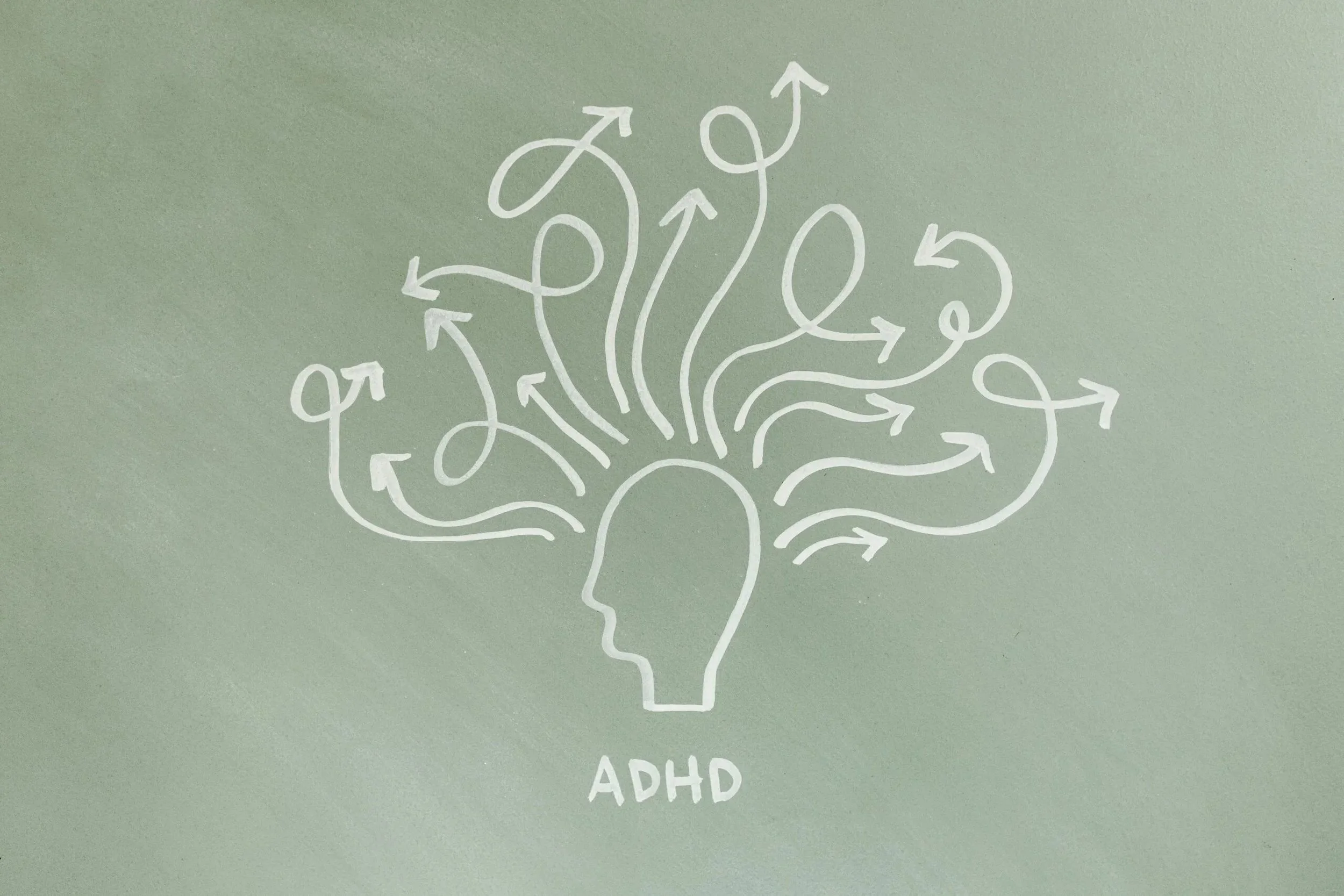
How Much Does ADHD Testing Cost for Adults

ADHD Testing for Adults: What to Expect and How Much It Costs

If you’ve spent years struggling to focus, organize tasks, or stay motivated, you may have wondered whether Attention-Deficit/Hyperactivity Disorder (ADHD) is part of the picture. Many adults only realize later in life that symptoms like forgetfulness, restlessness, or chronic procrastination might be tied to ADHD, not just “bad habits.”

Naturally, the next question is: How much does ADHD testing cost for adults?

The cost of ADHD testing for adults typically ranges between $200 and $1,500, depending on the type of evaluation, the provider’s credentials, and whether insurance covers part of the process. While this can seem like a big investment, proper diagnosis is essential for receiving the right treatment, whether that’s therapy, coaching, or medication.

In this guide, we’ll break down what adult ADHD testing involves, the factors that affect cost, and how to make the process more affordable.

Why Get Tested for ADHD as an Adult?

For many adults, getting tested for ADHD can be life-changing. ADHD doesn’t go away after childhood; it simply manifests differently. Instead of hyperactivity, adults often experience:

  • Trouble finishing tasks or managing time

  • Chronic disorganization

  • Difficulty focusing at work or during conversations

  • Restlessness or impulsive decisions

  • Low self-esteem due to years of frustration

Without a diagnosis, these struggles can lead to anxiety, burnout, and relationship difficulties. Testing helps bring clarity, allowing you to understand your behavior and develop effective strategies for managing it.

Moreover, a proper diagnosis is usually required before receiving prescription ADHD medication or specialized therapy like Cognitive Behavioral Therapy (CBT) for ADHD.

How Much Does ADHD Testing Cost for Adults?

The average cost of ADHD testing for adults ranges widely, depending on the provider and testing depth:

  • Basic screening by a primary care doctor: $150–$300

  • Comprehensive psychological evaluation: $500–$1,500

  • Neuropsychological testing (in-depth cognitive assessment): $1,000–$2,500

For most adults, a standard ADHD diagnostic assessment by a licensed psychologist or psychiatrist will cost between $400 and $800.

If you have insurance, some or all of these costs may be covered, especially if your plan includes mental health services. However, coverage varies by provider and location.

Factors That Affect ADHD Testing Costs

The price of ADHD testing can vary significantly based on several key factors. Understanding these can help you estimate what you’ll pay and why.

1. Type of Provider

  • Primary care doctors or psychiatrists may charge less for initial screenings.

  • Clinical psychologists or neuropsychologists charge more but provide in-depth evaluations with cognitive and emotional testing.

Comprehensive testing often includes interviews, questionnaires, and performance-based assessments, which require more time and specialized expertise.

2. Testing Complexity

Some adults have clear-cut symptoms, while others may have overlapping issues like anxiety, depression, or learning disorders. More complex cases require longer sessions and additional tests, which increase the total cost.

3. Location

Where you live also plays a role. Testing tends to cost more in major metropolitan areas like Chicago, New York, or Los Angeles, compared to smaller cities or rural regions.

4. Insurance Coverage

Many insurance plans cover part of the cost for ADHD evaluations if deemed medically necessary. However, you may still need to pay a copay or deductible.

If you’re paying out of pocket, ask your provider for a detailed invoice. Some testing centers allow you to submit claims directly to your insurance company for partial reimbursement.

5. Testing Format (In-Person vs. Online)

In-person assessments typically cost more but may include more detailed testing. Online ADHD testing, offered by telehealth providers, can range from $150 to $400 and often includes virtual consultations, questionnaires, and follow-up care.

Keep in mind that online assessments may not be accepted by all doctors or for prescription purposes.

What’s Included in an Adult ADHD Evaluation?

Understanding what’s involved helps you see why costs can vary so much. A comprehensive ADHD assessment usually includes several stages:

1. Initial Consultation and History Review

Your clinician will gather background information about your medical, educational, and psychological history. They’ll ask about your symptoms, work habits, and daily functioning.

2. Clinical Interview

This is an in-depth conversation designed to assess whether your experiences align with ADHD diagnostic criteria (as defined in the DSM-5). You may also discuss emotional regulation, sleep, and stress levels.

3. Questionnaires and Rating Scales

You’ll complete standardized ADHD checklists and self-assessment forms. Sometimes, input from family members or partners is requested to provide additional context.

4. Cognitive or Neuropsychological Testing

Some evaluations include computer-based tasks that measure attention span, memory, and impulse control. This helps rule out other potential causes of concentration problems.

5. Final Diagnosis and Feedback Session

Once all information is gathered, your clinician will review the results with you. They’ll discuss whether you meet the criteria for ADHD and recommend treatment options, such as therapy, coaching, or medication.

Are Cheaper or Online ADHD Tests Accurate?

You might see free ADHD quizzes or low-cost online evaluations advertised online. While these tools can provide insight into your symptoms, they’re not substitutes for a professional diagnosis.

A licensed psychologist or psychiatrist uses validated methods and clinical judgment to rule out other factors, something online quizzes can’t do.

That said, telehealth ADHD testing has improved significantly in recent years. Many reputable clinics now offer legitimate virtual evaluations, often at a lower cost than in-person testing. Just ensure that the provider is licensed in your state and can provide documentation if medication is recommended.

Does Insurance Cover ADHD Testing for Adults?

Insurance coverage depends on your policy and provider. Generally, insurance is more likely to cover testing when:

  • The evaluation is ordered by your primary care doctor.

  • You have documented symptoms affecting your work or daily life.

  • The provider is in-network with your insurance company.

However, comprehensive psychological or neuropsychological testing may not be fully covered, especially if considered “educational” rather than medical.

Tip: Call your insurance provider and ask:

  1. Is ADHD testing covered for adults?

  2. What portion of the cost will I need to pay out of pocket?

  3. Are there in-network providers near me who perform testing?

Why ADHD Testing Costs Are Worth It

While ADHD testing can seem expensive, it’s an investment in long-term clarity and well-being. With a diagnosis, you can:

  • Access effective treatments such as medication or therapy.

  • Qualify for workplace or academic accommodations under disability laws.

  • Understand your strengths and challenges more clearly.

  • Reduce the emotional toll of self-blame or confusion.

Without testing, many adults continue to struggle unnecessarily, often mistaking ADHD symptoms for personal failure or laziness.

As one clinical psychologist put it: “A clear diagnosis is the first step toward self-compassion and lasting change.”

How to Make ADHD Testing More Affordable

If cost is a concern, here are practical ways to make ADHD testing more budget-friendly:

  1. Check insurance coverage first. Ask if testing is covered under mental health benefits.

  2. Use flexible spending accounts (FSA) or health savings accounts (HSA). These can cover eligible medical expenses like psychological testing.

  3. Ask for payment plans. Many clinics allow installment payments to make testing easier to afford.

  4. Seek university psychology clinics. Graduate students often conduct assessments under supervision at reduced rates.

  5. Start with your family doctor. A referral from a primary care physician can streamline the process and possibly lower costs.

What Happens After the Test?

Once you receive your results, your clinician will outline a personalized treatment plan. This may include:

  • Medication: If appropriate, your doctor may prescribe stimulants or non-stimulants to help with focus and impulse control.

  • Therapy: Cognitive Behavioral Therapy (CBT) or ADHD coaching can teach time management and emotional regulation skills.

  • Lifestyle adjustments: Regular exercise, structured routines, and sleep hygiene play important roles in managing symptoms.

Most importantly, you’ll gain insight into how your brain works, empowering you to build a more balanced and productive life.

When to Retest or Reevaluate

ADHD is lifelong, but treatment needs can change over time. Adults who were diagnosed years ago may benefit from retesting if:

  • Their symptoms have changed.

  • They’ve had major life transitions (like new jobs or parenting).

  • Their current treatment plan isn’t working as well as before.

Retesting helps ensure your care plan remains relevant and effective.

Final Thoughts

So, how much does ADHD testing cost for adults? The average range is $200 to $1,500, depending on your provider, testing depth, and insurance coverage. While it’s an investment, the benefits of clarity, proper treatment, and emotional relief are well worth it.

A thorough ADHD evaluation not only helps you understand your challenges but also opens the door to a more focused, productive, and fulfilling life.

If you’ve been wondering whether ADHD might be affecting your daily life, don’t wait to find answers. At Wellman Psychology, we specialize in adult ADHD testing, behavioral learning solutions, and therapy programs that help you thrive, not just cope.

Schedule your appointment today and take the first step toward understanding your mind, improving focus, and reclaiming your confidence.

Feel free to check out our social media links below:

Find out more articles that can help you below:

Can a Family Doctor Prescribe ADHD Medication

Can a Family Doctor Prescribe ADHD Medication? Here’s What You Should Know

If you or your child has been struggling with symptoms like inattention, impulsivity, or difficulty staying organized, you might be wondering whether it’s time to seek professional help. One common question people ask early in this process is, Can a family doctor prescribe ADHD medication?

The short answer is yes, a family doctor (also known as a primary care physician) can often diagnose ADHD and prescribe medication for it, particularly in straightforward cases. However, in more complex situations, they may refer you to a specialist such as a psychiatrist, neurologist, or psychologist for further assessment and long-term management.

Understanding who can prescribe ADHD medication, how the process works, and what to expect from treatment can make the journey much smoother. Let’s explore everything you need to know.

What Is ADHD?

Can a Family Doctor Prescribe ADHD Medication

Attention-Deficit/Hyperactivity Disorder (ADHD) is a neurodevelopmental condition that affects both children and adults. It’s characterized by persistent patterns of inattention, hyperactivity, or impulsivity that interfere with daily life, relationships, and productivity.

While ADHD is often diagnosed in childhood, many people reach adulthood without ever being assessed, only realizing later that lifelong challenges with focus or time management may have an underlying cause.

Common symptoms include:

  • Difficulty focusing or finishing tasks

  • Trouble organizing or prioritizing responsibilities

  • Forgetfulness and distractibility

  • Restlessness or constant movement

  • Impulsive decisions or interrupting others

Fortunately, ADHD is treatable. With the right combination of behavioral therapy, lifestyle adjustments, and medication, many individuals can significantly improve their quality of life.

Can a Family Doctor Prescribe ADHD Medication?

Yes, in most cases, your family doctor can prescribe ADHD medication after conducting a proper evaluation. Family doctors are trained to identify common mental health conditions, including ADHD, and can initiate treatment with approved medications like stimulants (e.g., Adderall, Ritalin, Vyvanse) or non-stimulants (e.g., Strattera, Guanfacine).

However, there are a few factors that determine whether your doctor will prescribe medication directly or refer you to a specialist:

  1. Age and Complexity of Symptoms:

    • For children, a pediatrician or child psychiatrist may be involved to ensure accurate diagnosis and safe dosing.

    • For adults with mild or moderate ADHD, a family doctor can usually handle both diagnosis and prescriptions.

  2. Coexisting Conditions:

    • If you also experience anxiety, depression, or other mental health issues, your doctor might refer you to a psychiatrist who can manage multiple medications safely.

  3. Medication Type:

    • Some stimulant medications are classified as controlled substances, meaning doctors must follow specific guidelines for prescribing and monitoring their use.

In short, while your family doctor can prescribe ADHD medication, the decision depends on your personal situation, the doctor’s comfort level, and your treatment needs.

What Is the Process of Getting an ADHD Prescription?

If you’re considering seeking medication for ADHD, here’s what you can typically expect from the process with your family doctor:

1. Initial Consultation

Your first appointment will likely include a detailed discussion of your symptoms, daily challenges, and medical history. The doctor may ask questions about your concentration, energy levels, impulsivity, and mood.

You might also fill out standardized ADHD assessment questionnaires, and if you’re a parent, teachers may be asked to complete similar forms about your child’s behavior in school.

2. Diagnosis and Evaluation

After reviewing your responses, your doctor will determine whether you meet the diagnostic criteria for ADHD. They may also perform a physical exam or blood test to rule out other causes of attention or mood changes, such as thyroid issues or sleep disorders.

If the symptoms are clear and meet standard diagnostic guidelines, your family doctor may diagnose ADHD themselves. However, if the case is complex, they may refer you to a psychologist or psychiatrist for further assessment.

3. Treatment Planning

Once a diagnosis is confirmed, the doctor will discuss your treatment options. These usually include:

  • Medication: Stimulants or non-stimulants to improve focus and control impulsivity.

  • Behavioral therapy: Learning coping skills and time management strategies.

  • Lifestyle changes: Improving sleep, exercise, and nutrition to support brain function.

You’ll work together to decide whether medication is appropriate and which type might suit you best.

4. Prescription and Monitoring

If you begin medication, your doctor will start with a low dose and gradually adjust based on how your body responds. Regular follow-ups are essential, usually every few weeks initially, then less frequently once the right dosage is found.

Your doctor will monitor side effects, sleep patterns, appetite, and focus to ensure safety and effectiveness.

Types of ADHD Medications Your Family Doctor May Prescribe

ADHD medications are typically divided into two main categories: stimulants and non-stimulants.

1. Stimulant Medications

These are the most common and effective treatments for ADHD. They work by increasing dopamine and norepinephrine levels in the brain, chemicals responsible for attention and motivation.

Common stimulant medications include:

  • Adderall (amphetamine salts)

  • Ritalin (methylphenidate)

  • Vyvanse (lisdexamfetamine)

  • Concerta (extended-release methylphenidate)

Stimulants tend to act quickly and produce noticeable improvements in focus and self-control.

2. Non-Stimulant Medications

If stimulants cause unwanted side effects or aren’t effective, your doctor may prescribe a non-stimulant alternative, such as:

  • Strattera (atomoxetine)

  • Intuniv (guanfacine)

  • Kapvay (clonidine)

These medications usually take longer to show effects but may have fewer side effects, especially for people with anxiety or sleep problems.

When Should You See a Specialist Instead?

While family doctors can prescribe ADHD medication, sometimes seeing a specialist is the better choice. You may be referred to a psychiatrist, psychologist, or neurologist if:

  • Your symptoms are severe or hard to pinpoint.

  • You have multiple mental health conditions.

  • You’ve tried medication before with poor results.

  • You’re seeking a formal psychological evaluation for school or work accommodations.

A psychiatrist or psychologist can provide advanced testing, therapy, and more nuanced medication management when needed.

How Often Will You Need Follow-Ups?

ADHD treatment requires ongoing monitoring to ensure your medication remains effective and safe. After the initial prescription, most patients see their doctor:

  • Every 2–4 weeks during the first few months of treatment.

  • Every 3–6 months once symptoms are stable.

During these check-ins, your doctor will assess your focus, side effects, and overall well-being. They may adjust your dosage, switch medications, or suggest therapy to complement your treatment.

What to Discuss With Your Family Doctor

Before starting ADHD medication, it’s important to have an open and honest discussion with your doctor. Consider bringing up these points:

  • Your specific symptoms and how they affect daily life.

  • Any history of heart issues, anxiety, or substance use.

  • Whether you’ve tried therapy or other coping strategies before.

  • Concerns about side effects or dependency.

  • How medication may interact with other prescriptions you’re taking.

Your doctor’s goal is to create a personalized plan that balances effectiveness and safety.

Do You Need a Diagnosis Before Getting Medication?

Yes. You cannot be prescribed ADHD medication without an official diagnosis. This is to ensure that your symptoms truly stem from ADHD and not another condition like anxiety, depression, or sleep deprivation, which can mimic ADHD symptoms.

Your family doctor will use clinical interviews, symptom checklists, and medical history to make this determination. In some cases, they may refer you for a formal psychological assessment, especially if your symptoms are subtle or overlap with other disorders.

Can Online Doctors Prescribe ADHD Medication?

In some regions, telehealth providers and online psychiatrists can diagnose ADHD and prescribe medication, but regulations vary by country and state. Certain controlled substances, like Adderall, may require in-person evaluations before they can be prescribed.

If you’re exploring online ADHD care, make sure you’re working with licensed professionals who follow local prescription laws.

The Role of Therapy in ADHD Treatment

Medication can be highly effective, but it’s not a cure-all. Therapy and behavioral interventions are equally important parts of managing ADHD, especially for adults learning to adapt long-standing habits.

Therapeutic approaches like Cognitive Behavioral Therapy (CBT) can help you:

  • Improve focus and organization.

  • Develop coping strategies for distractions.

  • Manage frustration or impulsivity.

  • Build self-esteem and resilience.

Combining medication with therapy offers the best long-term outcomes for most people with ADHD.

Common Misconceptions About ADHD Medication

There are many myths surrounding ADHD and its treatment. Here are a few truths to clear things up:

  • Myth: ADHD medication is addictive.
    Fact: When used correctly under medical supervision, ADHD medications are safe and not addictive.

  • Myth: Only psychiatrists can prescribe ADHD medication.
    Fact: Family doctors and primary care physicians can legally prescribe and manage these medications in many cases.

  • Myth: Medication changes your personality.
    Fact: The goal is to help you function better — not to make you someone else. When properly dosed, medication enhances focus and control, not personality.

Final Thoughts

So, can a family doctor prescribe ADHD medication? Absolutely, for many people, your family doctor is the first step toward getting help. They can perform initial assessments, prescribe medication, and monitor your progress closely.

However, if your case is complex or involves other mental health challenges, your doctor may collaborate with or refer you to a specialist for more comprehensive care.

Ultimately, the most effective ADHD treatment involves a personalized plan that may include medication, therapy, and lifestyle changes. With the right support, living well with ADHD is entirely possible.

If you suspect that you or your child may have ADHD, don’t wait to get help. The right evaluation and treatment can make a world of difference.

At Wellman Psychology, our team offers cognitive behavioral learning, diagnostic assessments, and ongoing ADHD support designed to help you regain focus and balance.

Schedule an appointment today to take the first step toward better concentration, confidence, and emotional well-being.

Feel free to check out our social media links below:

Find out more articles that can help you below: